The 31-day gap between Casey Anthony's daughter's disappearance and the 911 call that launched the case
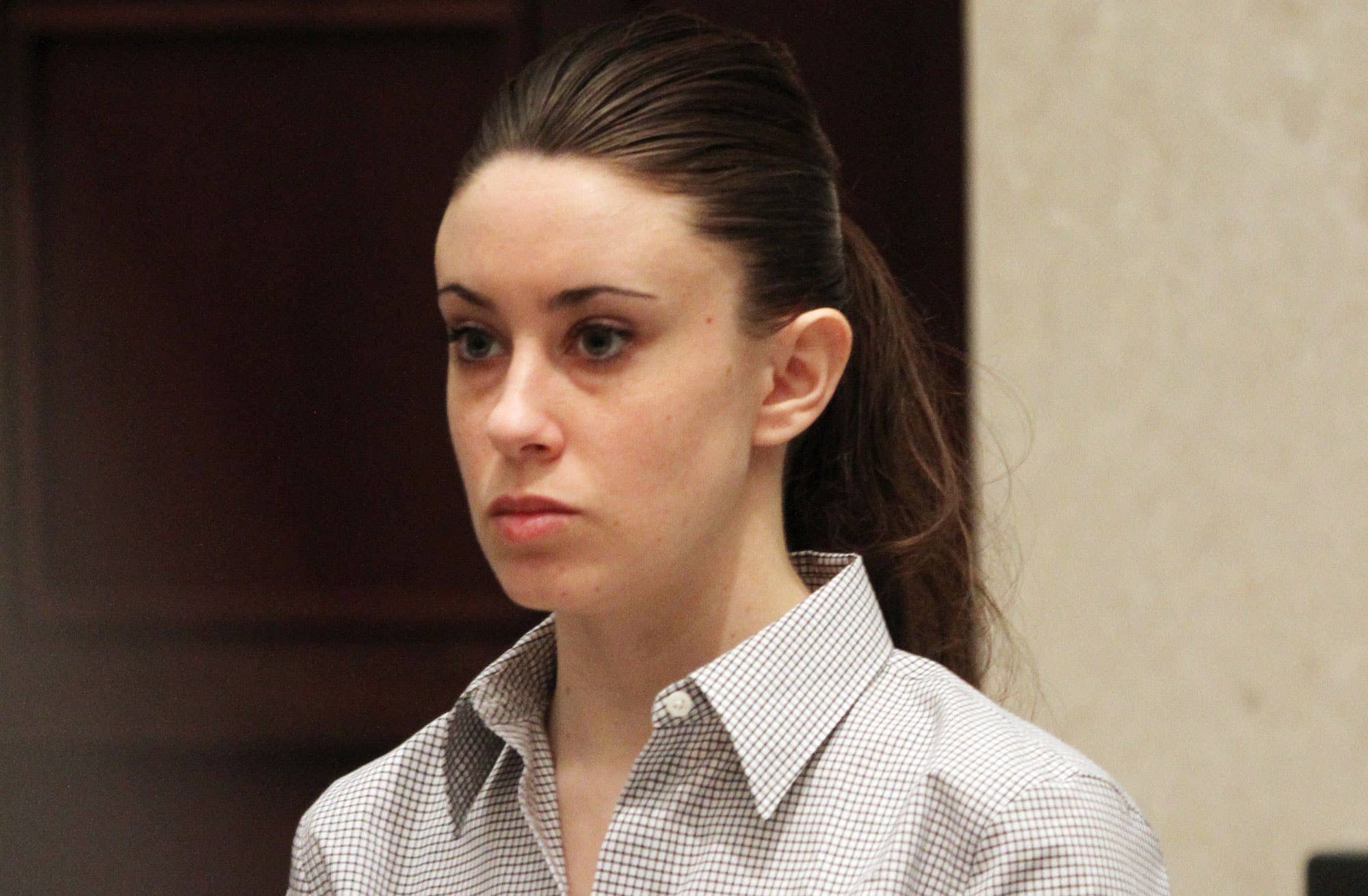
July 15, 2008, in Orlando, Florida.
Cindy Anthony called 911 to report that her two-year-old granddaughter, Caylee Anthony, had been missing for 31 days.
The child's mother, Casey Anthony, had not reported her daughter missing during that time.
The remains of Caylee Anthony were discovered on the same day, in a wooded area near the home of her grandparents.
The 31-day gap is the central fact that launched the case.
It is a documented fact, a span of time measured and recorded.
The reason for it is not established by the record.
Why did no one call for 31 days?
Why did a mother wait a month?
Why did a grandmother have to make the call?
That would require evidence.
The record does not provide it.
The remains were found approximately half a mile from the Anthony family home.
The cause of death was determined to be homicide, though the specific manner was undetermined.
The call came on the same day the remains were found.
The gap is the question that started everything.
It is a fact. It is also a void.
THE MOTHER'S ACCOUNTS
Casey Anthony told investigators her daughter was with a babysitter.
She named the babysitter Zenaida Fernandez-Gonzalez.
She said the child was safe, that she knew where her daughter was, that everything was fine.
Detective Yuri Melich of the Orange County Sheriff's Office led the investigation.
Melich and his team looked for the babysitter.
They looked for any trace of the woman Casey Anthony described.
They could not locate her.
No such person was found.
A real woman named Zenaida Fernandez-Gonzalez did exist.
She had no connection to the case.
She was cleared of any involvement.
So the story shifted.
The babysitter was the explanation; the explanation was a name with no address, no phone number, no record.
The exact timeline of Casey Anthony's statements is not detailed in the source.
What is documented is the pattern: a name offered, a name checked, a name that led nowhere.
It is a fact that she gave various accounts.
It is a fact that the central account named a person who was not connected.
What remains is the question of why the story changed at all.
That would require evidence.
THE CAR AND THE SEARCH
The car sat in a tow yard for days before anyone opened the trunk.
When they did, the odor was immediate and unmistakable.
It was the smell of something that had been dead and had stayed dead.
Forensic analysis of the trunk detected chloroform and decomposition-related compounds.
Chloroform is a solvent, a cleaning agent, a thing you do not expect in the trunk of a young mother’s car.
Air samples from the trunk were collected and sealed.
They were later analyzed by a forensic scientist who testified at trial.
His testimony was specific: the evidence was consistent with the presence of a decomposing body.
Not consistent with a spilled bottle of cleaner.
Not consistent with a bag of forgotten groceries.
Consistent with a body.
What the air could not say was whose body, or how it got there, or when it left.
The remains of Caylee Anthony were discovered on December 11, 2008, by a utility worker.
They were found approximately half a mile from the Anthony family home.
The child’s grandfather, George Anthony, reported finding the remains.
He later identified the location to investigators.

It was a wooded area, close enough to walk to from the house.
The medical examiner determined the cause of death to be homicide.
The specific manner of death was undetermined.
Not by accident. Not by natural causes. Homicide, without a method.
The trunk told a story the defense would spend years trying to rewrite.
It is a story about a car and an odor and compounds in the air.
It is not a story that names a killer, because the record does not establish one.
TWO STORIES, ONE CHILD
The prosecution told the jury a story of a mother who wanted her freedom back.
Casey Anthony killed her daughter, the prosecution argued, to free herself from the responsibilities of motherhood.
The defense told a different story, a story of an accident.
Caylee had drowned in the family's swimming pool, the defense argued, and George Anthony had covered up the death.
Two stories, one child, and the trial began on May 24, 2011, before a judge in Orlando, Florida.
The jury heard the trunk evidence.
The jury heard the 31-day gap.
The jury heard the lies about a babysitter who did not exist.
On July 5, 2011, the jury found Casey Anthony not guilty of first-degree murder.
Not guilty of aggravated child abuse.
Not guilty of aggravated manslaughter of a child.
The verdict landed like a shockwave.
She was found guilty of four counts of providing false information to law enforcement.
The jury's reasoning is not in the record.
Did they believe the drowning?
Did they doubt the prosecution's timeline?
Did they think the state simply failed to prove its case?
That would require evidence.
The record shows a verdict, a split verdict, and the reasons behind it remain sealed in the deliberation room.
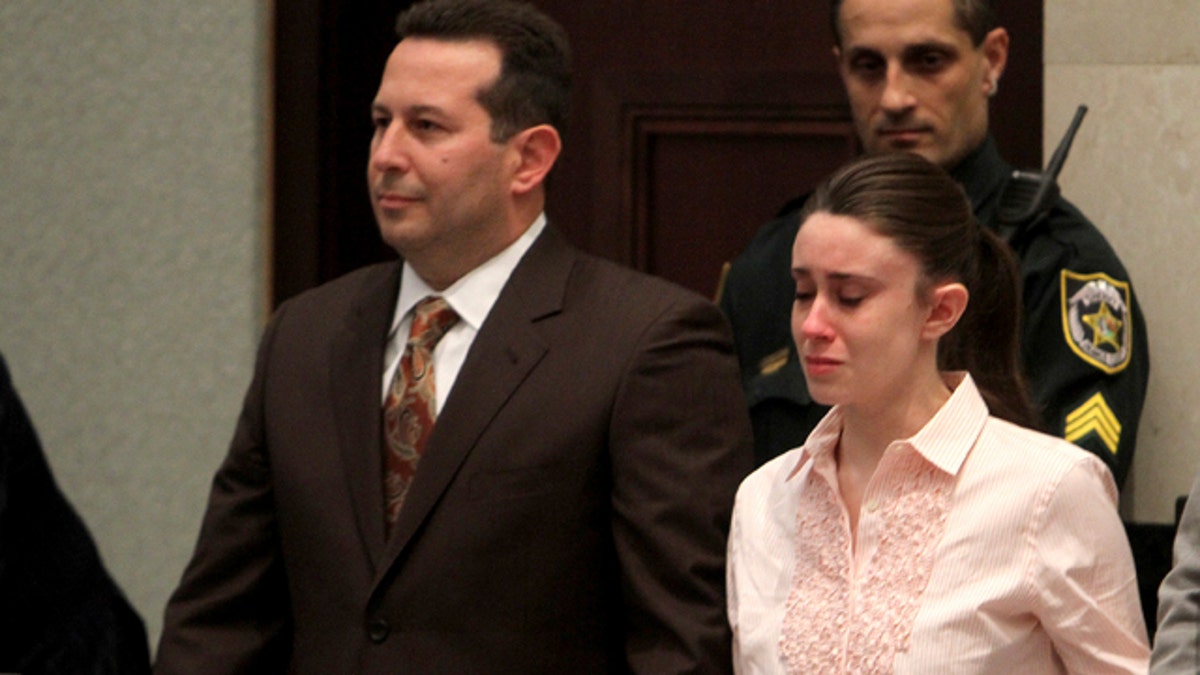
The acquittal on the murder charges is a fact.
The conviction on the lesser charges is a fact.
Why the jury drew that line is not established by anything in the record.
It is a story of two radically different versions of the same death.
It is also a story of a jury that could not choose between them.
AND THE STORY STILL ISN'T OVER
On July 17, 2011, Casey Anthony walked out of jail.
She was sentenced to four years and fined $4,000 for the false information convictions.
With time served and good behavior, she served less than that.
She has since lived a private life.
She has occasionally appeared in the media.
George and Cindy Anthony have continued to live in Florida.
No further charges have been filed in connection with Caylee Anthony's death.
The case is closed.
It is not settled.
The verdict still draws arguments in public and in legal circles.
The handling of the investigation is still debated.
Documentaries and books keep returning to the same 31 days.
Why the delay? Why the accounts that did not hold?
Why the acquittal on the charges that mattered most?
Why the conviction only for the lies?
The record does not answer those questions.
Any future legal steps are not in the record.
The remains were found. The cause was ruled homicide. The manner was undetermined.
That is where the official story ends.
The grief does not.
A child died. A mother was acquitted. A family stayed.
The public keeps asking.
The record keeps its silence.
Advertisement
You may also like
The crawl space on West Summerdale Avenue that held 26 bodies — what police found when they dug
Robert Piest was 15 years old, and on December 11, 1978, he told his mother he was going to meet a contractor about a…
The 2013 DNA match that finally tied DeSalvo to Mary Sullivan's murder — 49 years later
She was found in her Beacon Hill apartment on January 4, 1964. Mary Sullivan was the last of the thirteen. For 49 years, no…
The cellphone video that captured Alex Murdaugh's voice near the kennels
The video was recorded at 8:44 p.m. on June 7, 2021. Paul Murdaugh's cellphone captured it near the dog kennels where the bodies were…
The notebook confession that ended the Gabby Petito case — and the questions left behind
The search lasted thirty-four days. It ended on October 20, 2021, in the Carlton Reserve in Florida. Brian Laundrie's remains were found there, in…
The Green Beret doctor who told MPs a hippie cult killed his family — and the pajama fibers that changed everything
The call came in on February 17, 1970, from the residence of Captain Jeffrey MacDonald, a Green Beret physician at Fort Bragg, North Carolina.…
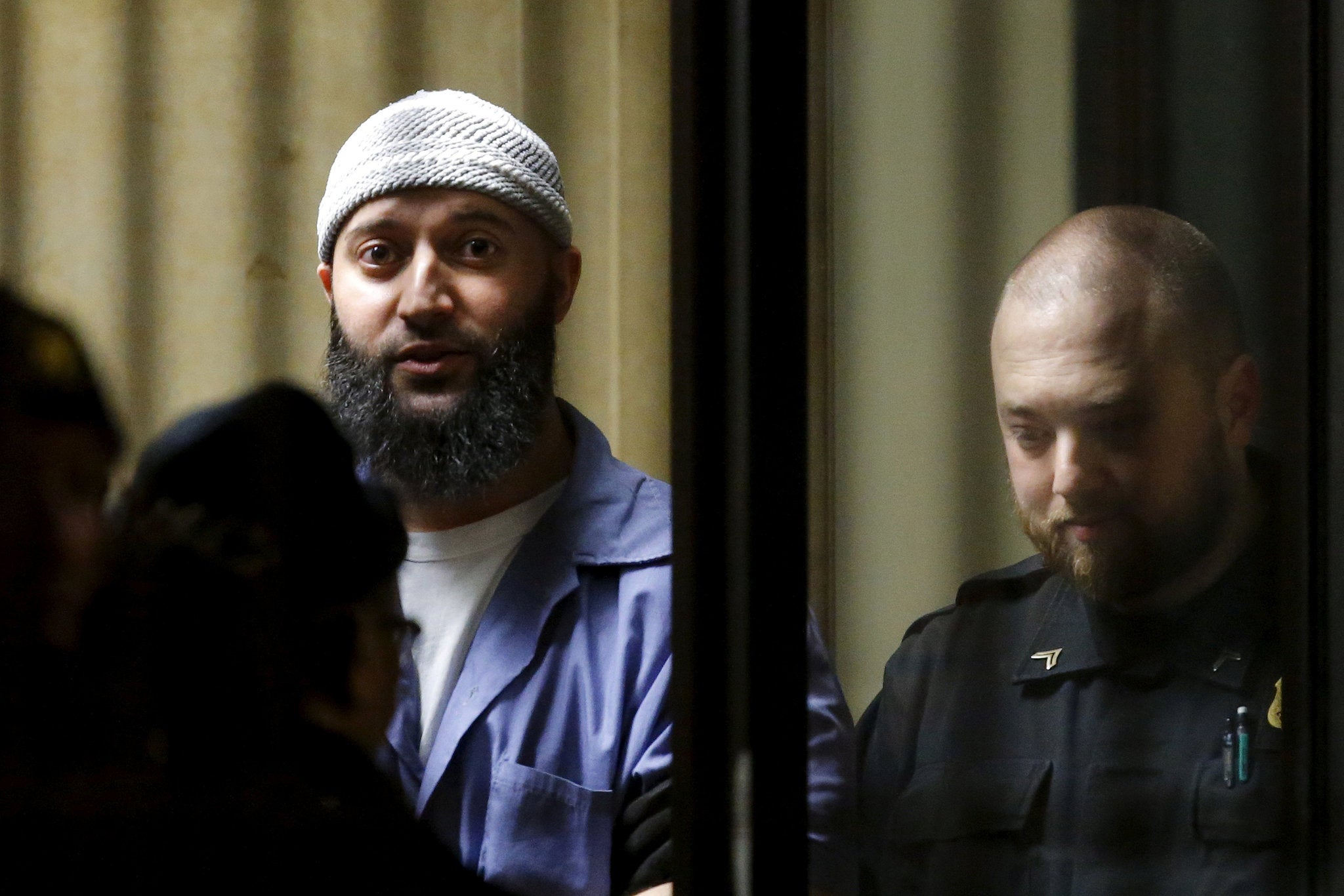
Adnan Syed's 2024 freedom is secure, but the conviction status remains in legal limbo as the Lee family fights on.
It began with a voice. In 1999, an anonymous phone call pointed police toward Adnan Syed—no name given, no evidence offered, just a voice…