Adnan Syed's 2024 freedom is secure, but the conviction status remains in legal limbo as the Lee family fights on.
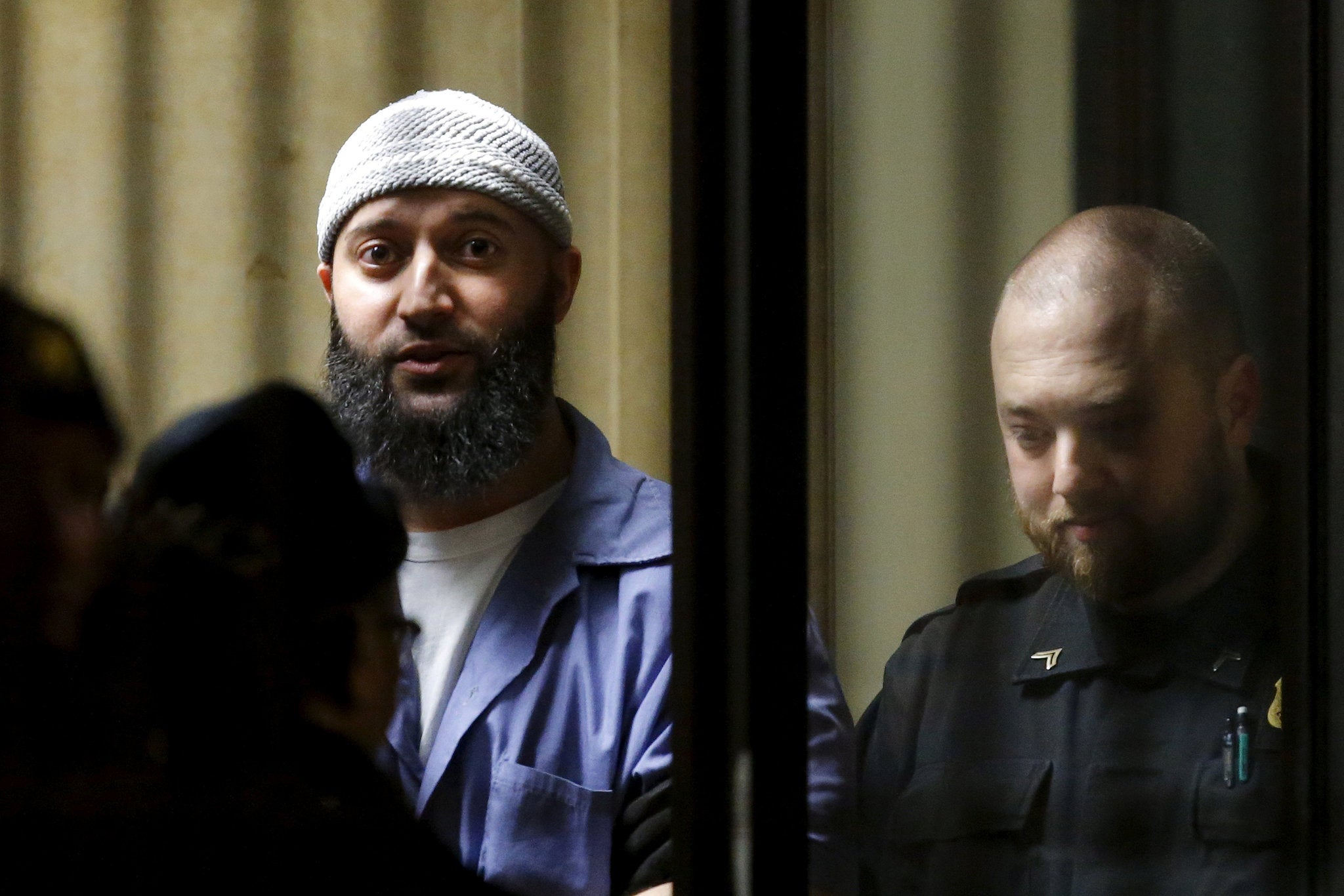
It began with a voice.
In 1999, an anonymous phone call pointed police toward Adnan Syed—no name given, no evidence offered, just a voice on the line.
The source does not name who made that call.
The source does not say what exactly was said.
What is known is that police received it, and that the investigation turned.
That call set off a chain that led to a conviction.
It led to 23 years in prison.
It led to a 2024 legal limbo that is still unresolved.
The call itself is not in the record as verified.
It is only known that police received it.
No physical evidence ever linked Syed to the crime scene.
No DNA.
No fingerprints.
The prosecution's case leaned on a witness and cell tower data, per the source.
The witness's account changed multiple times, the defense argued.
The cell phone records were later questioned.
But the whisper had already done its work.
A case built on a voice, now balanced on a legal edge.
The caller's identity is not established.
The content of the call is not established.
That would require evidence.

None is in the record.
So the question hangs over everything that followed: what did that voice say, and who was listening?
THE DISAPPEARANCE AND THE BODY
Hae Min Lee was 18, a senior at Woodlawn High School, last seen leaving school on the afternoon of February 9, 1999.
Her family reported her missing that evening, per the source.
On February 28, a man walking through Leakin Park found her body in a shallow grave.
The medical examiner ruled manual strangulation.
Her car was found abandoned in a nearby neighborhood weeks later.
The exact time of death is not specified in the source.
The precise location of the car's discovery is also not specified in the source.
Police focused on Syed after receiving an anonymous phone call pointing to him.
Jay Wilds, a friend of Syed's, told police that Syed had shown him the body and asked for help burying it.
Wilds led police to Leakin Park, where the body was found.
Cell phone records placed Syed in the area around the time of the murder.
The reliability of those records was later questioned.
No physical evidence, such as DNA or fingerprints, linked Syed to the crime scene.
Wilds's account changed multiple times, the defense argued at trial.
The prosecution's case relied heavily on Wilds's testimony and the cell tower data.
The call itself is not in the record as verified.
It is only known that police received it.
THE TRIAL AND THE VERDICT
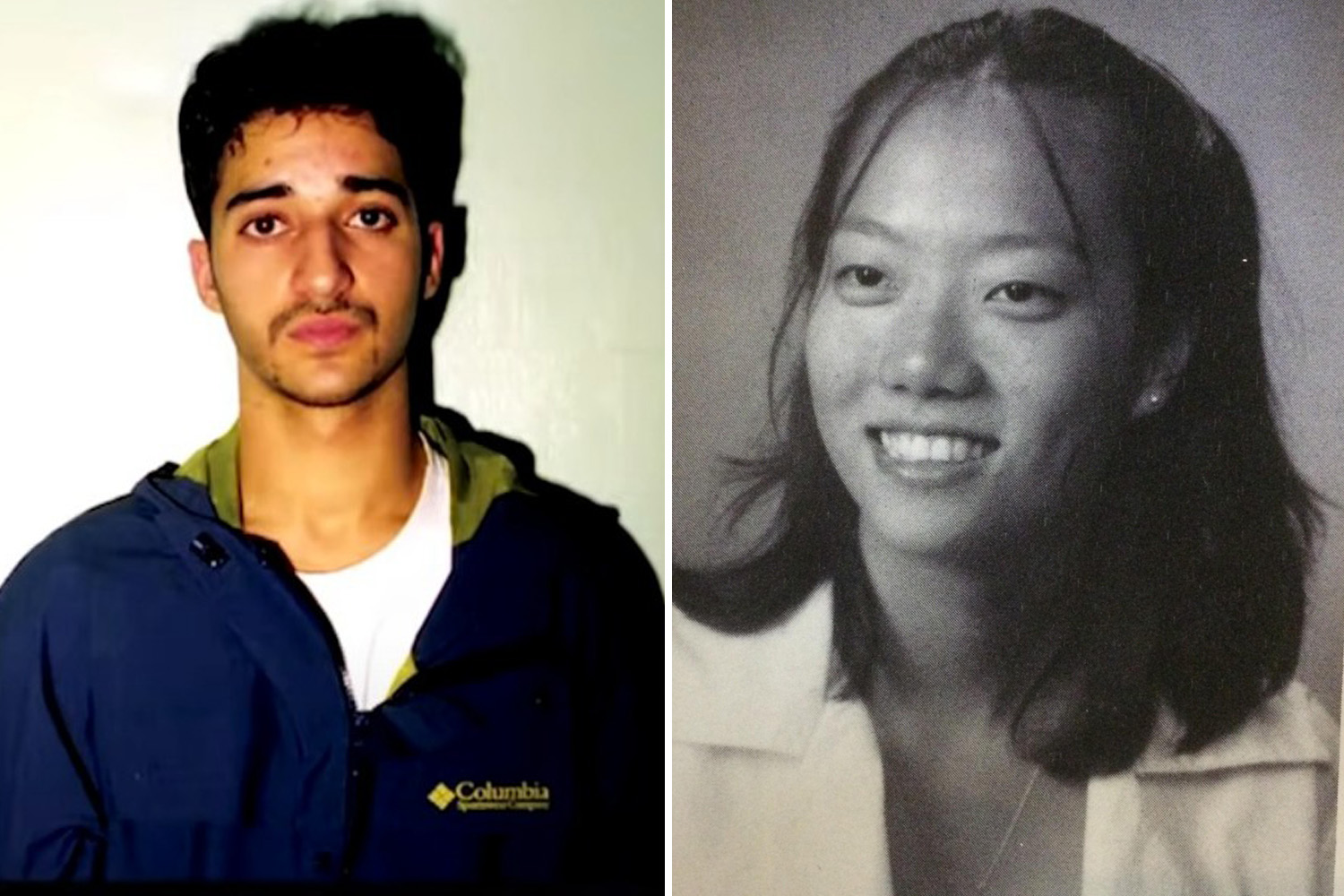
The trial began in 2000.
Syed was charged with first-degree murder, kidnapping, robbery, and false imprisonment.
The prosecution argued that Syed killed Lee in a jealous rage after their breakup.
The defense maintained his innocence and attacked Wilds's credibility, noting his account changed multiple times.
In February 2000, the jury found Syed guilty of first-degree murder.
He was sentenced to life in prison plus 30 years.
His conviction was upheld on direct appeal.
Then the seesaw tipped.
In 2016, a post-conviction court granted Syed a new trial, ruling that his original attorney had provided ineffective assistance by failing to contact a potential alibi witness.
The identity of that potential alibi witness is not detailed in the source.
The specifics of the ineffective assistance claim are not detailed in the source either.
The state appealed.
In 2019, the Maryland Court of Special Appeals reinstated the conviction.
The Maryland Court of Appeals declined to hear a further appeal.
Conviction, reversal, reinstatement.
Each step contested, each step reversed or affirmed by a different court.
The trial judge presided over the original proceedings, but her name does not appear in news coverage of the case.
She remains known only by her role.
What the jury heard in 2000 was Wilds's testimony and the cell tower data.
What the jury did not hear was the potential alibi witness.
That omission became the ground for the 2016 reversal.
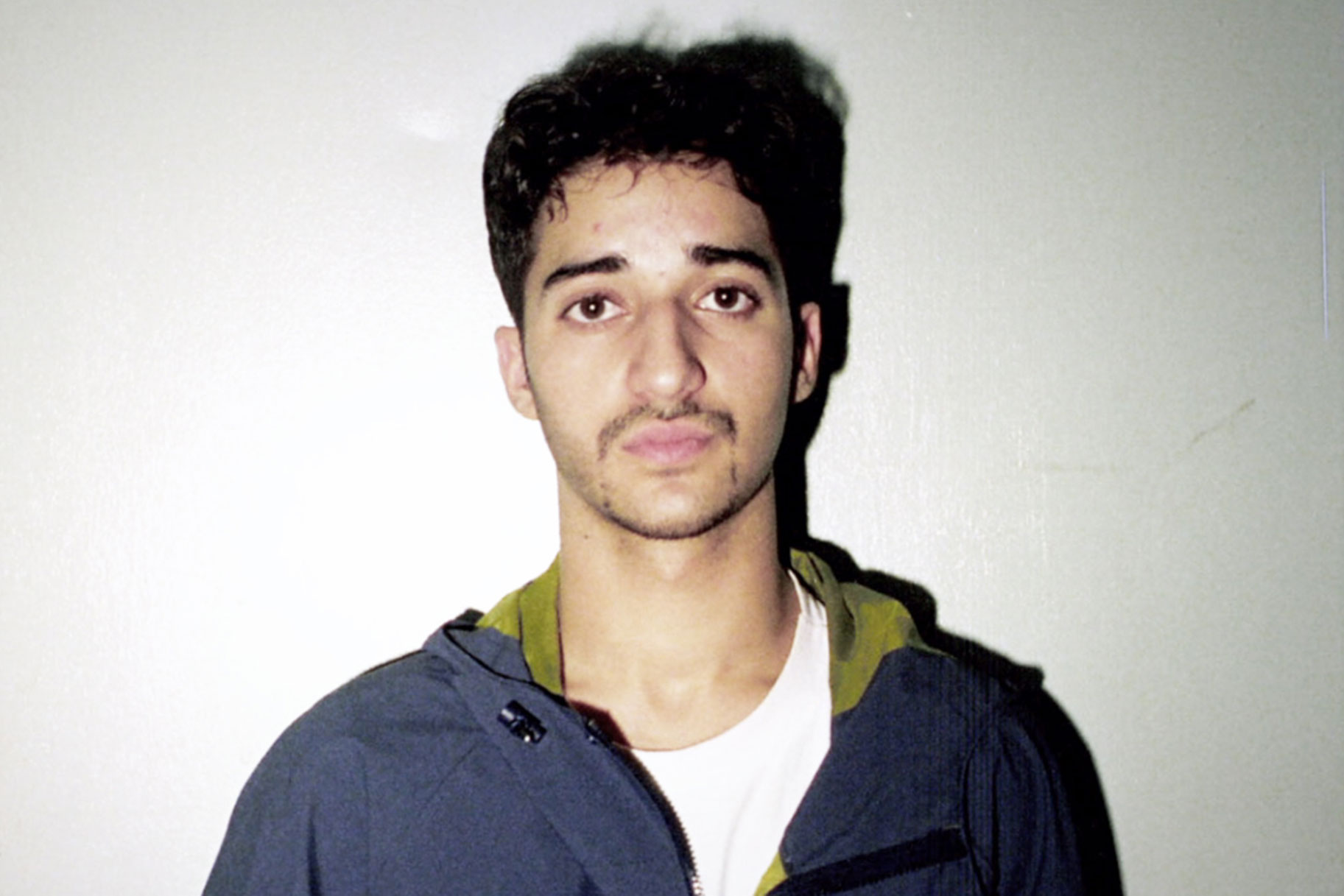
Then the reversal itself was reversed.
The original verdict stood — for a while.
THE 2022 RELEASE AND THE 2024 LIMBO
In 2022, the Baltimore City State's Attorney's Office filed a motion to vacate Syed's conviction.
The office cited newly discovered evidence and unreliable cell phone data.
The specific "newly discovered evidence" is not named in the source.
A judge granted the motion.
Syed was released from prison in September 2022 after serving more than 23 years.
The state later dropped the charges entirely, per the source.
The exact current status of the charges is not fully clarified.
In 2023, an appellate court reinstated the conviction.
The ruling found that the victim's family had not been given proper notice of the hearing.
Young Lee had not been told when the motion hearing would happen.
He learned about it when he was already on his way to court.
In 2024, the Maryland Supreme Court upheld Syed's release.
It left the conviction status unresolved.
Not overturned. Not final. Not cleared.
Syed remains free while legal proceedings continue.
The Lee family has consistently opposed his release.
Young Lee has spoken publicly about their ongoing grief and frustration with the legal process.
He has described the system as failing to give the family a voice.
He has asked for a final answer.
The courts have not given one.
The conviction stands in limbo — a man free, a family waiting, a case still moving.
What was the newly discovered evidence?
The record does not say.
What happens next?
That would require a court date.
AND THE STORY STILL ISN'T OVER
Syed remains free while the legal proceedings continue, per the source.
The Maryland Supreme Court upheld his release in 2024.
That decision did not settle the conviction status.
It is not cleared.
It is not final.
It is unresolved.
Young Lee has spoken publicly about the family's ongoing grief.
He has described their frustration with the legal process.
The next concrete step is not in the record.
No hearing date is named.
No pending motion is specified.
That would require a court date.
The final outcome is unknown.
Free but not cleared.
Convicted but not final.
A family waiting.
A record incomplete.
The *Serial* podcast shaped how the public saw this case.
Sarah Koenig's reporting raised questions about the conviction.
The podcast is not a legal document.
It did not vacate a sentence.
It did not restore a verdict.
It did not close the case.
The legal process grinds forward.
Every step has been contested.
Every step has been appealed.
The state dropped the charges in 2022.
An appellate court reinstated the conviction in 2023.
The Supreme Court left it unresolved in 2024.
The case moves in loops, not lines.
The family has opposed each release.
The brother has spoken at each hearing.
The grief is not part of the docket.
The record does not say when it ends.
It only says that it has not ended.
Advertisement
You may also like
The fishing boat Scott Peterson bought days before Laci vanished — and the lie that unraveled
He bought the boat in the days before Laci vanished. He did not mention it when he called police on December 24, 2002, to…
The note scrawled in a Watertown boat that still haunts the Tsarnaev case
He was found in a boat in a Watertown backyard. Dzhokhar Tsarnaev had been hiding there, and when the FBI closed in, he scrawled…
The 1981 mall toy aisle detail that derailed the Adam Walsh case for years
July 27, 1981, in the toy department of the Hollywood Mall in Hollywood, Florida. A six-year-old boy named Adam Walsh was separated from his…
The love letters and calling cards left beside two bodies in Lovers' Lane
The crabapple tree stood in a secluded lane called Lovers' Lane, near the New Jersey border with Pennsylvania. On the night of September 14,…
The $5,800 in D.B. Cooper ransom cash a boy found on a riverbank
The boy was eight years old, playing on a sandbar along the Columbia River in Washington in 1980. He pulled three bundles of cash…
The handwritten confession scrawled on a boat's interior that sealed Dzhokhar Tsarnaev's fate
The boat sat in a Watertown backyard, tarp pulled over it, ordinary as any lawn ornament. On April 19, 2013, Dzhokhar Tsarnaev was found…