The handwritten confession scrawled on a boat's interior that sealed Dzhokhar Tsarnaev's fate
The boat sat in a Watertown backyard, tarp pulled over it, ordinary as any lawn ornament.
On April 19, 2013, Dzhokhar Tsarnaev was found hiding inside it.
He was taken into custody that day, according to the investigation timeline.
But before he was pulled out, he had written on the boat's interior.
A handwritten confession, scrawled by his own hand, said the attack was retaliation for U.S. wars in Muslim lands.
That is what the trial record shows.
The exact wording is not fully quoted in the source.
Only its content is summarized.
And this is where the story splits: what is viral, and what is documented.
The confession is documented.
It was presented as trial evidence, alongside bomb remnants and a circuit board fragment.
It became a pivotal piece of evidence in the case against him.
Not because it was dramatic, though it was.
But because it was his own words, found in his own hiding place, written while the manhunt closed in.
The boat's interior held his handwriting.
The trial record holds the summary of what it said.
What it did not say, the record does not establish.
What he meant by it, the record does not establish.
No camera filmed him writing it.
No witness watched him scrawl the lines.
The confession exists because it was found, documented, and entered into evidence.
That is the line.
The viral theories filled in the blanks; the trial record did not.
She was on the ground below, and he was in the boat above, writing.
The confession became a hinge point.
But the hinge only turns on what is documented.
And what is documented is this: he wrote, he hid, he was found.
THE BOMBS
Patriot’s Day fell on April 15, 2013.
The Boston Marathon was in its final stretch on Boylson Street.

At 2:49 p.m., the first bomb detonated.
Seconds later, the second one went off.
The official timeline places both explosions within that narrow window.
Three people were killed.
More than 260 were injured.
The bombs were pressure cookers packed with shrapnel.
They were carried in backpacks.
The scene was immediately treated as a terrorist attack.
Law enforcement response was immediate and broad: the FBI’s Boston field office, the Boston Police Department, the Massachusetts State Police.
Who planted the bombs was not known at this point in the timeline.
That would not be established for days.
Surveillance footage from a department store captured two suspects walking down Boylston Street with backpacks.
The images existed.
The identities did not yet.
The city was on lockdown.
The investigation was urgent.
It was also documented: the bombs, the backpacks, the shrapnel, the dead.
Not because online theories filled the gap.
But because the record held the facts.
THE MANHUNT
On April 18, the FBI released still images of two suspects pulled from surveillance footage.
The photographs showed two young men walking down Boylston Street with backpacks.
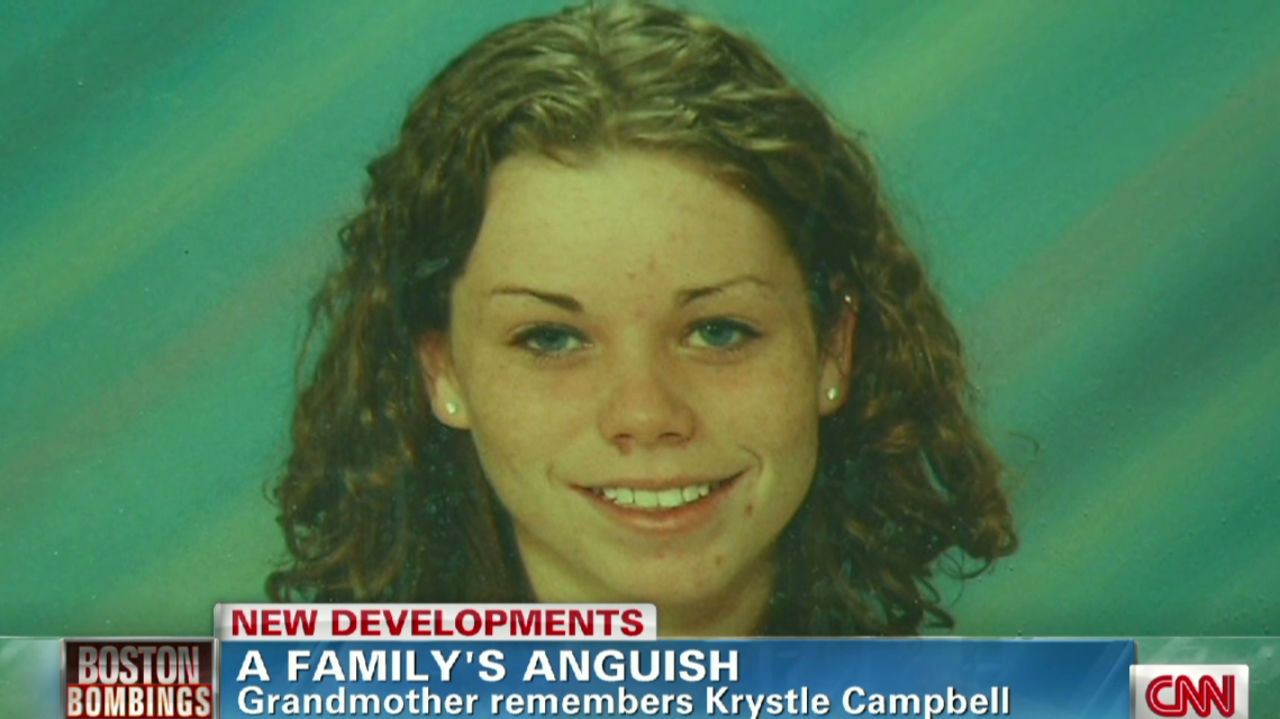
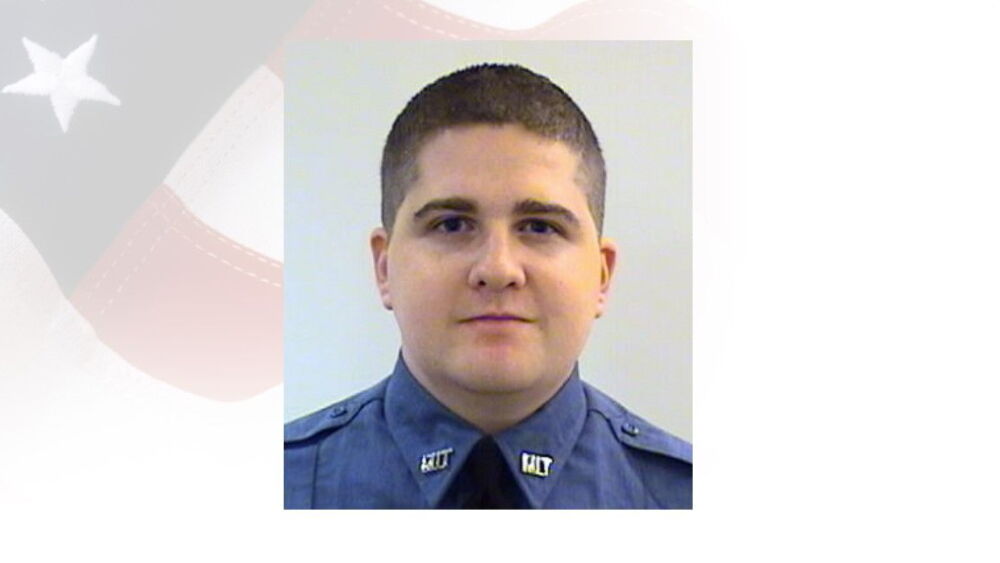
That same night, the suspects allegedly shot and killed Sean Collier, an MIT police officer, according to the police report.
They then allegedly carjacked a vehicle.
The carjacking victim, a Chinese national, later testified about being held by the brothers during the trial.
He described the fear, the demands, the ride through the night.
The ensuing chase led to a shootout in Watertown, Massachusetts.
During that gunfight, one suspect, Tamerlan Tsarnaev, was captured and later died.
The other, Dzhokhar, escaped on foot.
The exact sequence of events during the shootout is not detailed in the source.
Not because the night was quiet.
But because the record does not establish the precise order of the gunfire, the movements, the moments.
What is documented is the outcome: one brother dead, one brother gone into the dark.
Watertown went into lockdown.
Streets emptied.
A city waited for the second suspect to surface.
He was found the next day, hiding in a boat in a backyard.
But that is the next chapter.
For now, the manhunt had turned into a standoff with the night itself.
THE CONFESSION
He was found the next day, hiding in a boat in a Watertown backyard.
The arrest report places him there on April 19, 2013, taken into custody without further incident.
Inside the boat, on its interior, was his handwritten confession.
According to trial evidence, he scrawled that the attack was retaliation for U.S. wars in Muslim lands.
The words were not a note to police. They were a statement of intent, left in the dark where he hid.
Prosecutors presented that confession as key evidence at trial.
It sat alongside the remnants of the pressure-cooker bombs, a fragment of a circuit board, and DNA and fingerprint evidence linking him to the scene.
The trial record does not detail the defense's full argument regarding his brother's influence.
That argument is not established in the source material.
What is established: the prosecution argued he was a committed jihadist; the defense argued he was influenced by his older brother.
The confession was the hinge.
Not because it was dramatic. Because it was written.
The manhunt had ended with a pen and a boat's wall.
She was on the ground below — no, that is not this section.
The weight of the confession carried into the courtroom.
It was documented, not viral.
The bombs were documented. The circuit board was documented. The handwriting was documented.
What the online theories added, the record did not.
He was found guilty on all 30 federal counts in April 2015.
The confession was part of that. Not the whole, but the part that spoke.

That would require evidence, and the evidence was there, scrawled in his own hand.
AND THE STORY STILL ISN'T OVER
The guilty verdict came in April 2015.
All 30 counts.
The death sentence followed in June of that year.
Judge O'Toole imposed it.
Then the case turned.
In 2020, a federal appeals court overturned the death sentence.
The reason: insufficient jury screening for bias.
The convictions stood.
The sentence did not.
In 2022, the U.S. Supreme Court reinstated the death sentence.
It is back.
It is also not finished.
Dzhokhar Tsarnaev remains on federal death row at a supermax prison in Florence, Colorado.
His appeals continue.
The outcome of those appeals is not known.
That is not established.
Not because the record is silent.
But because the record is still being written.
The Richard family has advocated for the death penalty to be carried out.
Others have called for its commutation.
The legal battle is unresolved.
The confession is documented.
The verdict is documented.
The sentence has been overturned and restored.
What happens next is not.
That would require evidence, and the evidence has not yet been produced.
The boat is gone from the backyard.
The words remain in the record.
The story is not over.
Advertisement
You may also like
A wedding ring left on the dresser — and the confession that followed it
The ring sat on the bedroom dresser. Shanann Watts had returned home that morning, August 13, 2018, from a business trip to Arizona. Her…
The car trunk odor that haunted Casey Anthony's trial — and the verdict that followed
The odor came from the trunk of an abandoned car. In July 2008, investigators impounded the vehicle that Casey Anthony had left behind in…
The juror dismissed in 2004 — and the penalty order that vanished 16 years later
The juror raised a hand during the penalty phase in 2004. The juror said something about the death penalty, expressed doubt about it. The…
The truck axle that cracked the Oklahoma City bombing case open
The rear axle of a Ryder truck lay in the rubble, still attached to its differential. Within hours of the April 19, 1995 explosion,…
After 46 years in prison, what happens to the Manson Family now?
The housekeeper, Winifred Chapman, arrived at 10050 Cielo Drive the morning after the first night of killings and found the bodies. She found actress…
The fishing boat Scott Peterson bought days before Laci vanished — and the lie that unraveled
He bought the boat in the days before Laci vanished. He did not mention it when he called police on December 24, 2002, to…