The juror dismissed in 2004 — and the penalty order that vanished 16 years later
The juror raised a hand during the penalty phase in 2004.
The juror said something about the death penalty, expressed doubt about it.
The trial judge dismissed that juror on the spot.
Sixteen years later, that dismissal undid the sentence.
In 2020, the California Supreme Court ruled the dismissal was improper.
The court overturned the death penalty.
The court upheld the murder convictions.
A single juror's doubt became the hinge of the whole case.
The juror's name is not in the record.
The juror's exact words are not in the record.
What remains is the ruling itself, written by the state's highest court.
This is not a theory circulating online.
It is a documented decision, filed and dated.
The question is how one moment in a courtroom could carry so far.
That question has a paper trail.
It runs from the penalty phase to the supreme court, sixteen years apart.
The murder convictions stand.
The death sentence does not.
CHRISTMAS EVE, 2002
December 24, 2002.
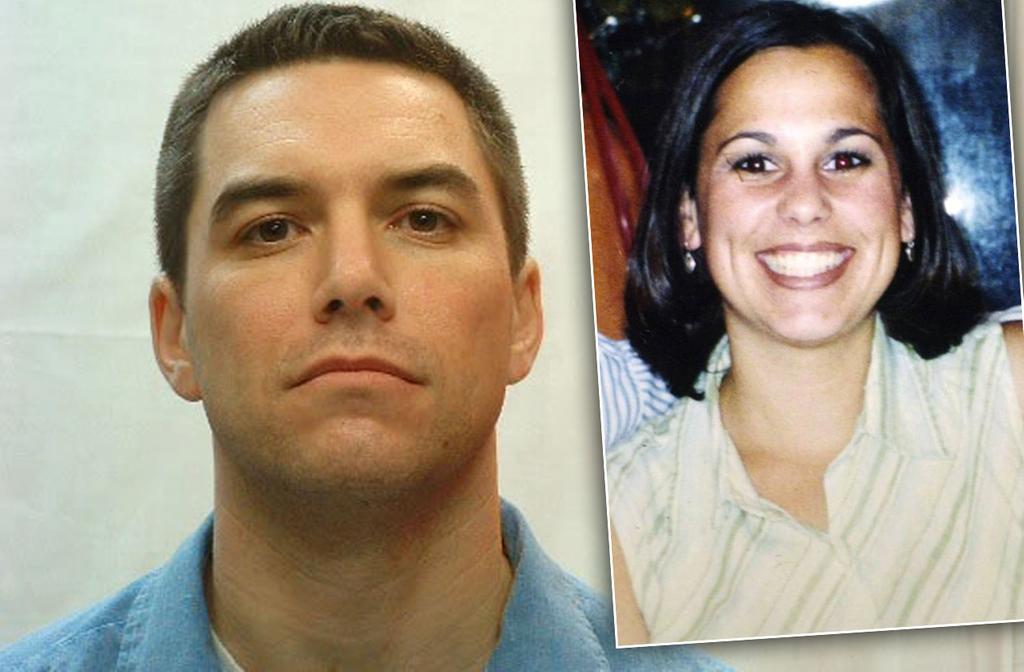
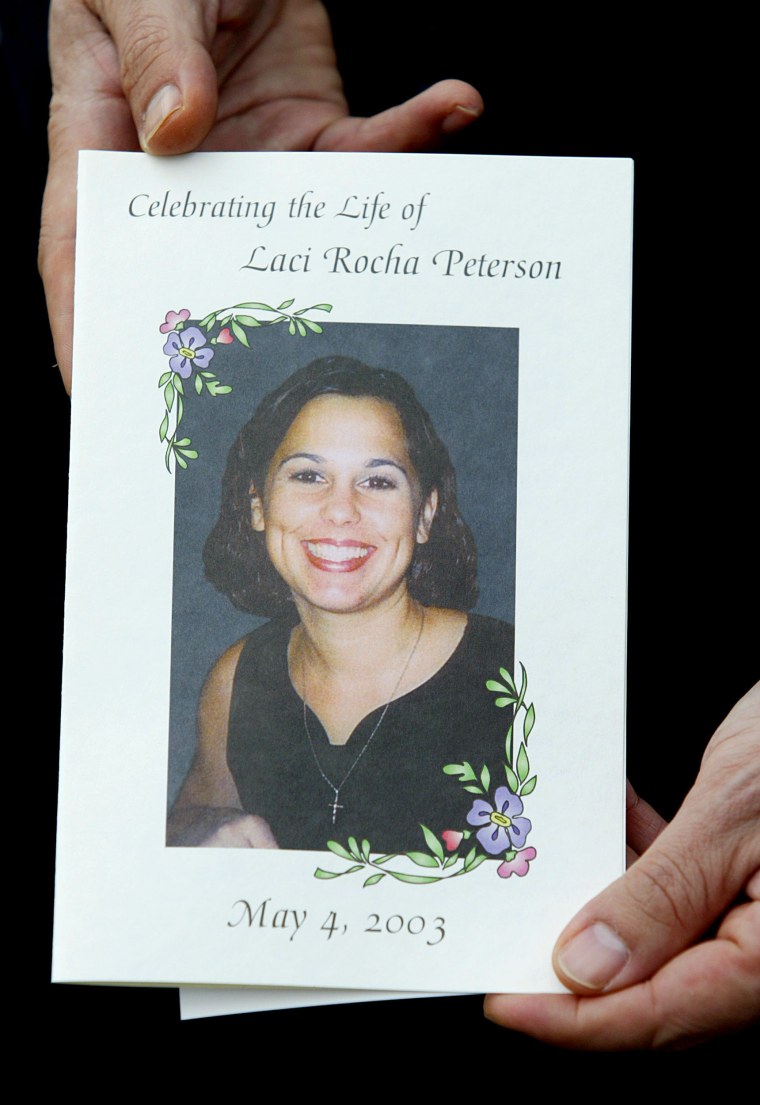
Scott Peterson reported his eight-months-pregnant wife Laci missing from their Modesto, California home.
The investigation began as a missing-person case.
Detectives from the Modesto Police Department led the inquiry.
Suspicion fell on Scott quickly.
There were inconsistencies in his statements.
He admitted to an affair with Amber Frey, a massage therapist.
Frey cooperated with police.
She recorded phone calls with Peterson.
Those recordings became key evidence.
In April 2003, Laci’s remains washed ashore in San Francisco Bay.
So did the remains of her unborn son, whom the couple had named Conner.
The bodies were found near where Peterson claimed to have been fishing on the day she disappeared.
No cause of death was definitively established.
No weapon was ever recovered.
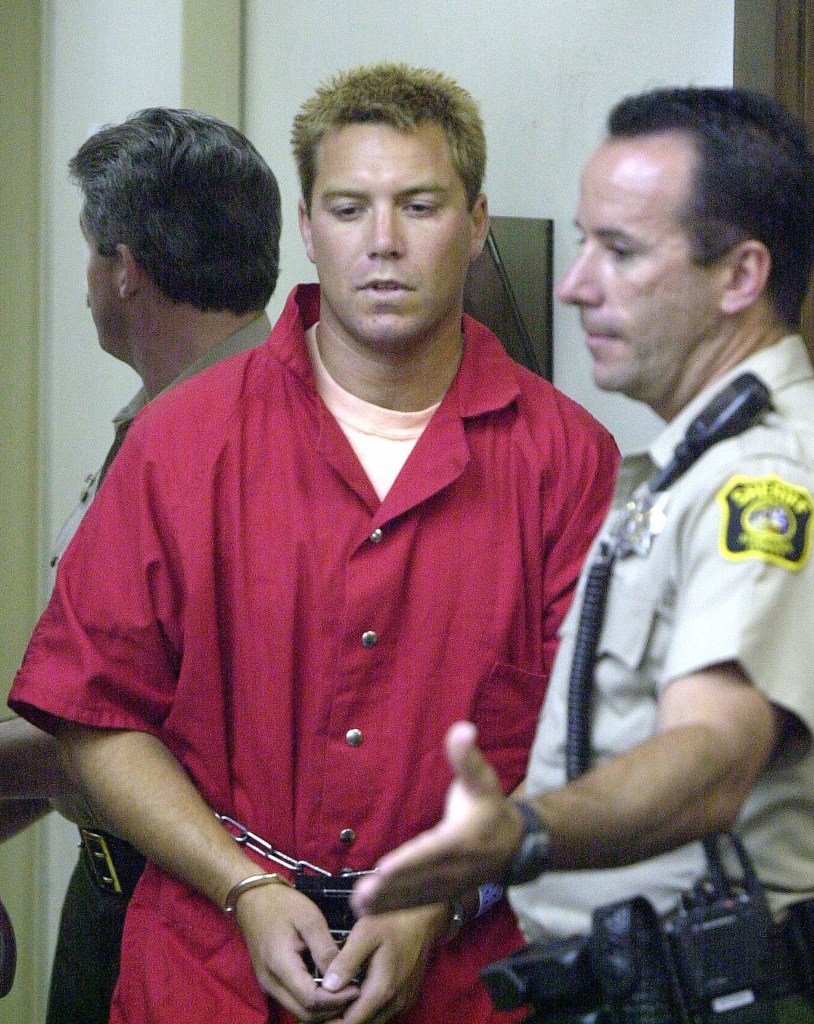
Peterson was arrested on April 18, 2003, near the California-Mexico border.
A missing-person case had become a murder investigation.
The man who reported his wife missing was now the suspect.
THE VERDICT AND THE PENALTY
The trial began in June 2004 in Stanislaus County.
The case had been moved from Modesto after extensive pretrial publicity.
Prosecutors argued Peterson murdered his wife to escape his marriage and pursue his affair.
The defense argued Laci was abducted by strangers.
On November 12, 2004, the jury found Peterson guilty of first-degree murder for Laci's death.
The same jury found him guilty of second-degree murder for Conner's death.
The penalty phase followed.
During that phase, a juror expressed doubts about the death penalty.
The trial judge dismissed her.
On December 13, 2004, the remaining jurors recommended death.
Judge Al Delucchi sentenced Peterson to death on March 16, 2005.
Peterson was sent to San Quentin State Prison.
The dismissal seemed settled.
It was not.
Sixteen years later, that single decision would become the center of the appeal.
The juror's identity is not in the record.

The exact nature of her doubts is not in the record either.
What the record does show is the judge's ruling.
What the record does show is the sentence that followed.
What the record does show is a death penalty built on a jury that was one person short.
That would not stand.
TWO STORIES, ONE RECORD
The prosecution told one story: Peterson murdered his wife to escape his marriage and pursue his affair with Amber Frey.
The defense told another: Laci was abducted by strangers.
Peterson's parents have maintained his innocence and have supported his appeals.
Two stories, one record.
The record does not establish the motive.
The record does not support the abduction theory.
What the record does show is the reversal.
In 2020, the California Supreme Court upheld the murder convictions.
The same court overturned the death sentence.
The ruling: the trial judge improperly dismissed a juror who expressed doubts about the death penalty.
The convictions stood.
The sentence did not.
:max_bytes(150000):strip_icc():focal(749x0:751x2)/Jackie-Peterson-and-Lee-Peterson-leave-the-San-Mateo-Superior-Courthouse-121625-55846a7459e640d79a1b33bfbc8af4b1.jpg)
In 2021, the California Supreme Court declined to review the case further.
Prosecutors announced they would seek the death penalty again in a new penalty trial.
As of 2024, that retrial had not yet occurred.
Peterson remains on death row at San Quentin State Prison.
California has not executed anyone since 2006.
Laci's mother, Sharon Rocha, has continued to advocate for justice.
She has spoken publicly about her loss.
The family's story is not a closed chapter.
It is a case with a verdict and a sentence that no longer matches it.
It is a case where the legal reversal turned on one juror's doubt.
That doubt was the hinge.
The motive remains unproven.
The abduction theory remains unsupported.
What remains is the record: a conviction upheld, a penalty overturned, a retrial pending.
That is where things stand.
AND THE STORY STILL ISN'T OVER
Scott Peterson remains on death row at San Quentin State Prison.
California has not executed anyone since 2006, stalled by legal challenges to the death penalty.

The California Supreme Court overturned his death sentence in 2020.
The court ruled the trial judge improperly dismissed a juror who expressed doubts about the death penalty.
The murder convictions stood.
In 2021, the court declined further review.
Prosecutors announced they would seek the death penalty again.
As of 2024, the new penalty trial has not occurred.
There is no date set for it in the record.
Laci Peterson's family continues to advocate for justice.
Her mother has spoken publicly about the loss.
Peterson's parents maintain his innocence.
They have supported his appeals.
The next concrete step is the pending penalty retrial.
It is a waiting game now.
Not because the case is closed.
Because the case is suspended.
The conviction is settled.
The sentence is not.
The retrial looms without a date.
That is all the record shows.
Advertisement
You may also like
The tarot card left at a D.C. sniper crime scene that said 'Call me God'
The card was on the ground at a crime scene in Montgomery County. A tarot card, face up, with a message written across it:…
The cell phone records that placed a suspect near Leakin Park — but one witness kept changing his story
January 13, 1999, was a school day. Hae Min Lee, an 18-year-old senior at Woodlawn High School in Baltimore County, Maryland, was last seen…
The parole agent who saw a sketch and stopped a car — then Polly Klaas's killer led police to her body
The parole agent saw the car first. A sketch, a tip, and a car on the road — that was the break. On November…
The cellmate tip that cracked the Clutter case after investigators ignored a footprint
The footprint was there on the night of November 15, 1959, inside the farmhouse near Holcomb, Kansas. Four members of the Clutter family were…
The cell tower records that placed Adnan Syed at Leakin Park — and the witness who changed his story
The phone call came on February 12, 1999. Baltimore County police picked up an anonymous tip that day, and the voice on the line…
The jailhouse informant's testimony that could not save Casey Anthony
She sat in the witness box and testified that Casey Anthony had made incriminating statements while in jail. Her name was Robyn Adams, a…