The car trunk odor that haunted Casey Anthony's trial — and the verdict that followed
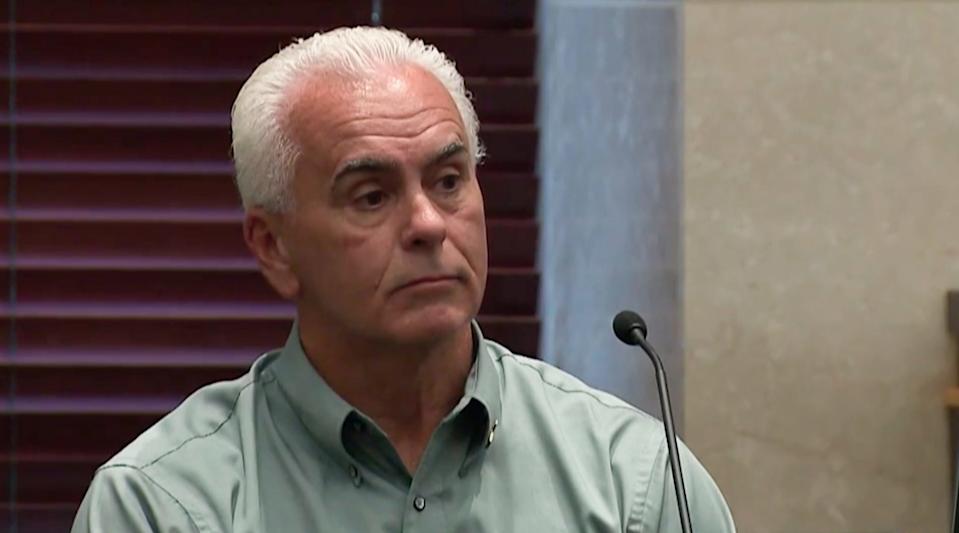
The odor came from the trunk of an abandoned car.
In July 2008, investigators impounded the vehicle that Casey Anthony had left behind in a parking lot.
Forensic analysis of the trunk revealed an odor of decomposition, according to the investigation record.
Later testing found chloroform and human decompositional byproducts in the trunk, the forensic analysis showed.
The smell was strong enough that investigators described it as unmistakable.
It hung in the air when the car was opened.
What exactly was in that trunk?
What produced that odor?
What does it prove?
The record does not establish the exact source of the odor or the chloroform.
At trial, the trunk's smell became a central piece of circumstantial evidence.
Prosecutors pointed to it as a sign of what they argued had happened.
The defense offered its own explanation for the car's condition.
No direct evidence ever linked Casey Anthony to the death itself, according to trial coverage.
The odor was powerful.
It was also not proof.
THE MISSING CHILD
Cindy Anthony reported her two-year-old granddaughter missing on July 15, 2008, in Orlando, Florida.
She said the child had not been seen for weeks.
The child's mother, Casey Anthony, told investigators the girl had been kidnapped by a babysitter named Zenaida Fernandez-Gonzalez.
Detectives determined that babysitter did not exist.
The exact date the child was last seen is not specified in the record.
What is known is the gap: weeks between the last sighting and the missing-person report.
A two-year-old vanished, and no one called it in.
Casey said the babysitter took her daughter, and investigators said the babysitter was fiction.
They had a mother's story and a grandmother's report, and neither accounted for the weeks between.
On December 11, 2008, a utility worker found skeletal remains in a wooded area near the Anthony home.
The remains were identified as the missing child.
The discovery came five months after the report, and months after the trunk's odor was first noted.
Not because the odor proved anything. But because it marked a timeline the family's stories did not explain.
A child was missing for weeks without a report.
A grandmother made the call, not the mother.
The remains were found near the family home.
That would require evidence to resolve, and the record does not settle it.
THE TRIAL'S TWO STORIES
The prosecution argued that Casey killed her daughter to live a carefree life.
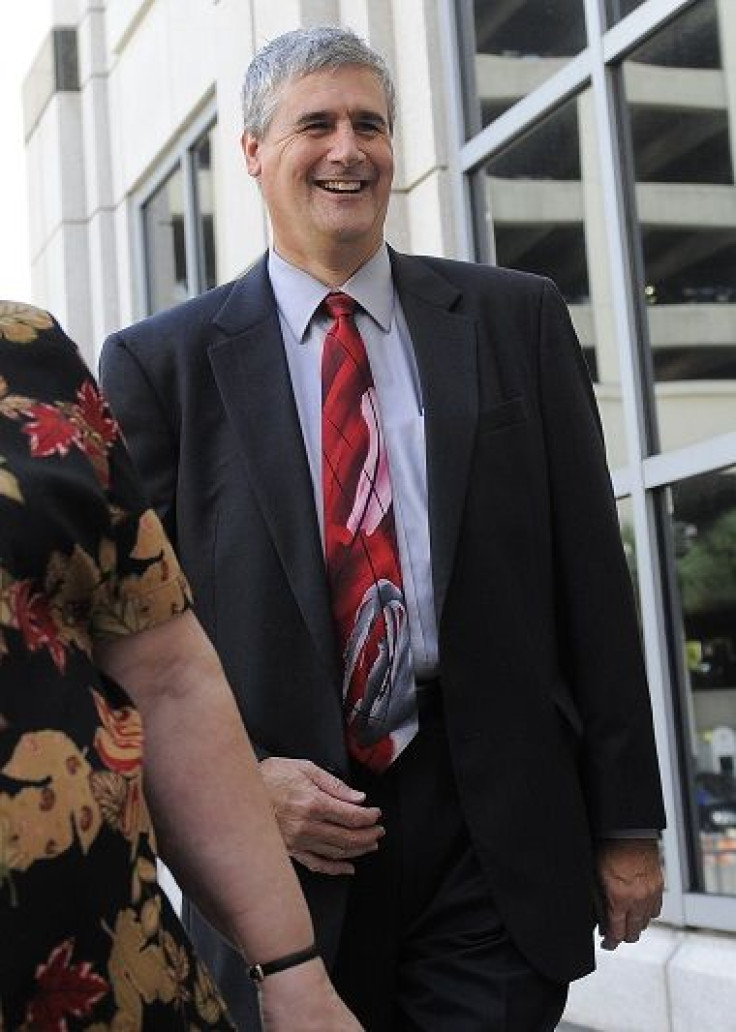
That case leaned on the trunk's odor, the chloroform traces, and computer searches for chloroform.
The defense argued Caylee accidentally drowned in the family pool.
Casey panicked, the defense said, and fabricated the kidnapping story because of a dysfunctional family background.
The medical examiner testified the cause of death was homicide by undetermined means.
No weapon was ever identified.
Two narratives, each plausible, neither fully proven.
Did the trunk's smell prove a murder?
Did the pool explain a mother's lie?
Did the computer searches show intent or just curiosity?
That would require evidence.
The exact cause of death is not established.
Whether the pool drowning occurred is not established.
The record leaves both open.
The jury heard the odor described, the chloroform measured, the searches logged.
They heard a family story of panic and cover-up.
They heard a story of a mother who wanted freedom.
One version ends with a convicted killer.
The other ends with a grieving mother who made terrible choices.
The evidence did not close the gap.
It was circumstantial.
It is also all the record has.
THE VERDICT'S AFTERMATH
On July 5, 2011, the jury acquitted Casey of murder, aggravated child abuse, and aggravated manslaughter.
It convicted her on four counts of providing false information to law enforcement.
She was sentenced to four years with credit for time served.
She was released on July 17, 2011, after being held for nearly three years.
The verdict landed, and the public roared.
How could she walk free?
How could the trunk odor and the chloroform not be enough?
How could a mother be acquitted of her own child's death?
That would require evidence the jury found lacking.
The public's belief in Casey's guilt is not a fact established by the record.
It is a theory, held widely and loudly.
The record shows an acquittal on the top charges.
It shows a conviction on the lesser counts.
It shows a sentence of time already served.
/jose-baez-1-c5cc5e9bf1ef40618009a54f4c07593e.jpg)
Outrage followed the release.
Documentaries and books continue to examine the case.
Courts have kept the case alive, too.
In 2017, Casey was ordered to pay $1,000 to a woman named Zenaida Fernandez-Gonzalez in a defamation case.
The judgment was later overturned on appeal.
The woman shared a name with the fictional babysitter.
The defamation claim did not stand.
Casey has lived largely out of the public eye since release.
She has appeared occasionally in media interviews and court proceedings related to bankruptcy and the defamation lawsuits.
The family today: Cindy and George Anthony remain in Florida.
George filed for divorce from Cindy in 2024, citing irreconcilable differences.
No appeals have been filed by Casey regarding her convictions.
She served her time.
She was released.
The case remains a subject of documentaries, books, and public argument.
The record does not close the gap.
AND THE STORY STILL ISN'T OVER
She has lived largely out of the public eye since release.
Occasional media interviews surface. So do court proceedings related to bankruptcy and defamation.
The legal record shows no appeals filed by Casey regarding her convictions.
She served her time. She was released.
That part of the record is closed.
Cindy and George Anthony remain in Florida.
In 2024, George filed for divorce from Cindy, citing irreconcilable differences, according to the court filing.
A family that testified in the same courtroom now ends in separate corners.
The case still generates documentaries and books.
Each one reopens the same questions with the same evidence.
What happened in that trunk? What happened to the child?
The trial answered one question: not guilty on the top charges.
It did not answer the others.
That would require evidence the record does not contain.
Any future legal steps for Casey are not in the record.
She has not said what she will do next.
The documentaries ask. The books ask. The public asks.
She was released.
The case remains a subject of documentaries, books, and public argument.
The record does not close the gap.
Advertisement
You may also like
The tarot card left at a D.C. sniper crime scene that said 'Call me God'
The card was on the ground at a crime scene in Montgomery County. A tarot card, face up, with a message written across it:…
The cell phone records that placed a suspect near Leakin Park — but one witness kept changing his story
January 13, 1999, was a school day. Hae Min Lee, an 18-year-old senior at Woodlawn High School in Baltimore County, Maryland, was last seen…
The parole agent who saw a sketch and stopped a car — then Polly Klaas's killer led police to her body
The parole agent saw the car first. A sketch, a tip, and a car on the road — that was the break. On November…
The cellmate tip that cracked the Clutter case after investigators ignored a footprint
The footprint was there on the night of November 15, 1959, inside the farmhouse near Holcomb, Kansas. Four members of the Clutter family were…
The cell tower records that placed Adnan Syed at Leakin Park — and the witness who changed his story
The phone call came on February 12, 1999. Baltimore County police picked up an anonymous tip that day, and the voice on the line…
The jailhouse informant's testimony that could not save Casey Anthony
She sat in the witness box and testified that Casey Anthony had made incriminating statements while in jail. Her name was Robyn Adams, a…