The 1981 mall toy aisle detail that derailed the Adam Walsh case for years
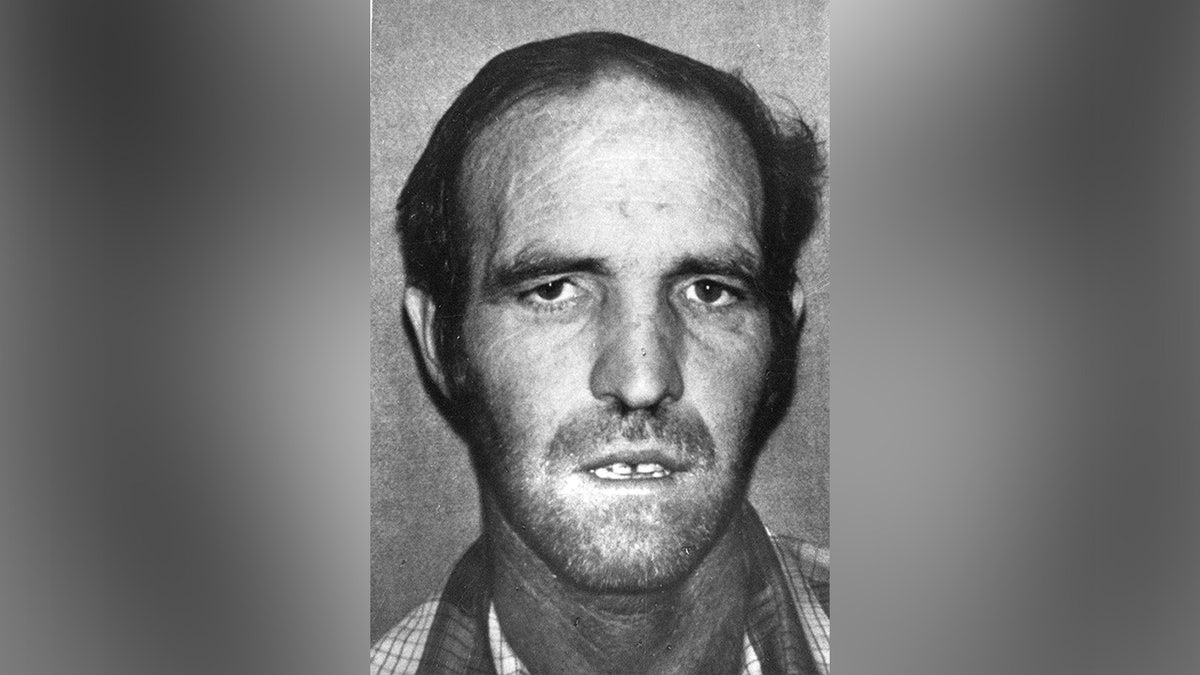
July 27, 1981, in the toy department of the Hollywood Mall in Hollywood, Florida.
A six-year-old boy named Adam Walsh was separated from his mother there.
Other children saw him being led away by an unknown man.
No one reported it to police at the time.
The sighting sat in the mall, a moment that passed, and then the moment was gone.
The Hollywood Police Department initially treated the case as a parental abduction or a runaway.
Not a stranger taking a child.
Not a crime in progress.
A parental abduction or a runaway.
That was the theory the investigation started from, and it shaped the hours that followed.
The identity of the unknown man seen with Adam is not established in the record.
The sighting itself was not immediately reported.
Its reliability is not documented.
None of that stopped the detail from circulating for decades.
The toy aisle became the story’s hinge, repeated in retellings, documentaries, and arguments about what went wrong.
It was the moment everything turned.
It was also a moment no one wrote down.
Why did no one call it in?
Why did the children not tell an adult right away?
Why did the first response look for a parent who had not failed?
That would require evidence the record does not contain.
The detail carried weight because it was the last known sighting of Adam with anyone.
It was also a detail that was never the basis of a formal charge.
The case record holds the separation, the witness children, the man, and the silence.
It does not hold his name.
It does not hold a description the police acted on that day.
It holds a question, and the question stayed open for years.
THE ERRAND AND THE DISAPPEARANCE
The mall was the Hollywood Mall in Hollywood, Florida.
The date was July 27, 1981.
Six-year-old Adam Walsh was there with his mother, Revé Walsh, who was shopping nearby, according to the case record.
Adam was separated from her in the mall's toy department, the investigation summary states.
Other children saw him being led away by an unknown man.
That sighting was not immediately reported to police.
The Hollywood Police Department initially treated the case as a parental abduction or a runaway.
There was friction between the Walsh family and the police over that early call.
The lead detective led the investigation, but the early misclassification is documented as a significant mistake.
The exact timeline of Adam's separation from his mother is not fully documented in the record.
The exact timeline of the sighting by other children is not fully documented in the record.
The lead detective's name is not in the record.
What the record holds is a sequence of events that began with an errand.
It holds a mother shopping nearby.
It holds a boy in a toy department.
It holds a question about the minutes between those two facts, and that question stayed open for years.
The case was treated as a family matter before it was treated as a crime.
That is the documented mistake.
That is the turning point the record preserves.
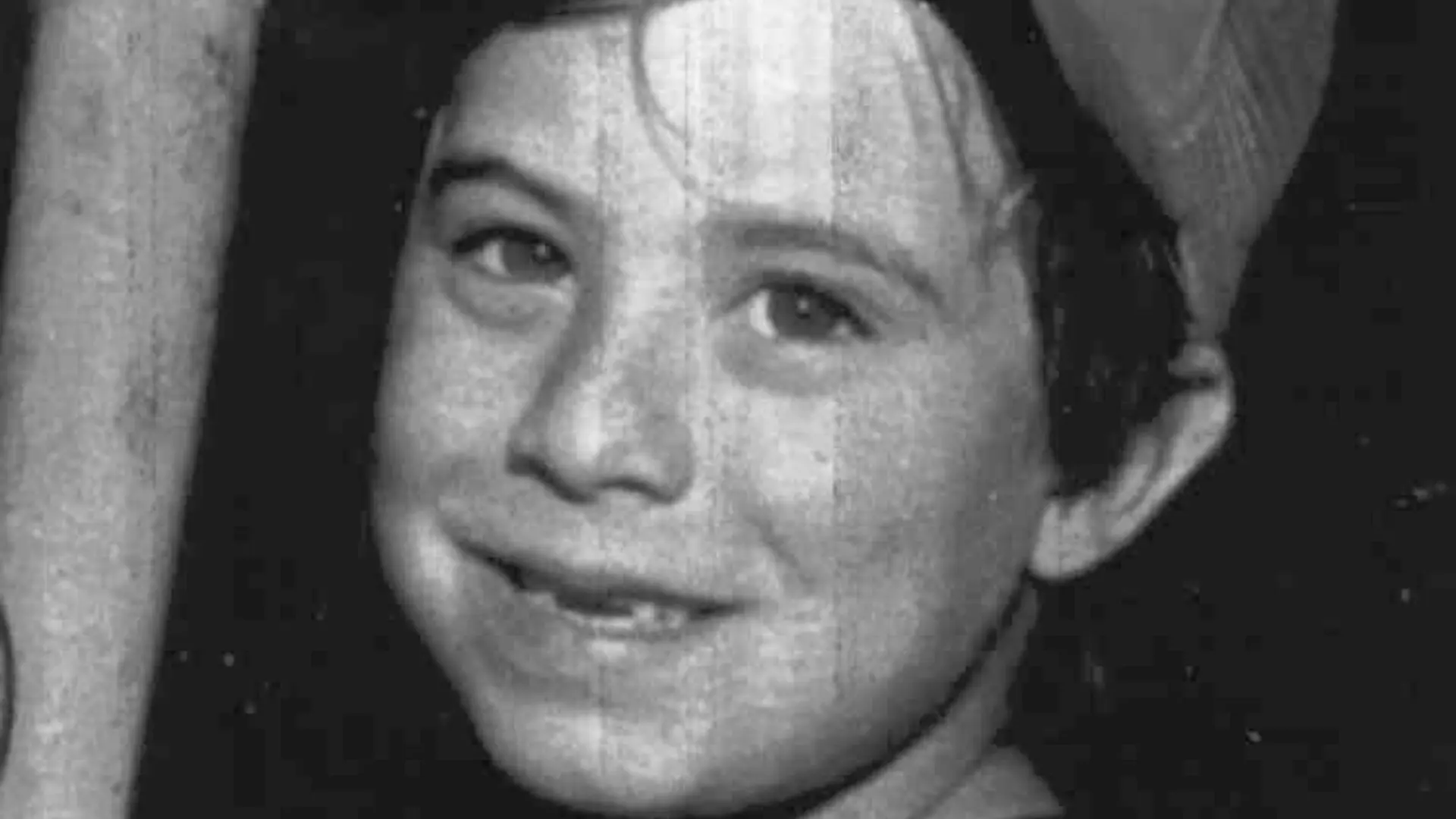
THE HEAD IN THE CANAL
October 10, 1981.
A severed head was discovered in a drainage canal along the Florida Turnpike near Vero Beach, about 120 miles from the Hollywood Mall.
The case record identifies the remains as Adam Walsh's.
The rest of his body was never found.
That is the grim finality the record preserves.
That is also the unresolved ache at the centre of the case — a body never whole, never returned.
The medical examiner who examined the remains testified at a 1997 civil hearing.
His name is not in the record.
The cause and manner of death are not detailed in the source material.
What remains documented is the discovery itself, and the distance from the mall.
What remains documented is that the case went cold for years after this discovery.
Not because the investigation stopped.
But because the leads stalled, and the confessions came later, and the body was never there to anchor them.
The canal gave back one answer.
It gave back nothing else.
No clothing.
No explanation.
No whole remains to bury.
The case record holds the date, the place, the distance.
It does not hold a full accounting.
The head in the canal was the end of one search.
It was also the start of a much longer one — one that would stretch for nearly three decades without a charge, without a trial, without a body.
She was on the ground below, the record says, in the way it says everything: sparingly, and only what was found.
The canal held its own silence.
The case held its own questions.
How did the remains get there?
How long had they been there?
What happened between the toy aisle and the water?
That would require evidence.
The record does not provide it.
What the record provides is the date.
The location.
The distance from the mall.
And the fact that the rest of Adam Walsh was never found.
THE CONFESSIONS AND THE CLOSURE
In 1983, Ottis Toole was in prison in Florida.
He was a convicted serial killer.
Toole confessed to the murder of Adam Walsh.
He provided details about the abduction and the disposal of the body, according to the investigation summary.
Then he recanted.
Police did not find his confession credible at the time.
The confession was not pursued.
Thirteen years later, in 1996, Toole confessed again.
This time from his deathbed.
He died before charges could be filed.
Toole was never charged in this case.
The case stayed cold until 2008.
That year, the Hollywood Police Department reopened the investigation.
Based on evidence including Toole's confessions and other corroborating details, the department officially closed the case, naming Toole as the killer, according to the investigation summary.
The specific corroborating details that led to the 2008 closure are not enumerated in the record.
The department acknowledged that earlier investigative mistakes had hindered the case.
A failure to fully pursue Toole's initial confession was among them.
Not because the confession was solid.
But because it was ignored.
What if that first confession had been taken seriously?
What if the details had been checked in 1983?
What if the man who confessed had been treated as a suspect instead of a nuisance?
That would require evidence.
The department declared Toole responsible.
Toole was dead.
No one was ever charged with or tried for Adam Walsh's murder.
AND THE STORY STILL ISN'T OVER
No one was ever charged with or tried for Adam Walsh's murder.
In 1997, a civil hearing was held in Broward County at the request of John and Revé Walsh.
The judge ruled that Ottis Toole was responsible for Adam's death.
That was a civil finding, not a criminal conviction.
Toole was dead by then, and no charges could follow.
The Hollywood Police Department officially closed the case in December 2008.
The department declared Toole responsible.
The case is closed.
The record does not establish any further legal steps pending.
It is a closed case.
It is also a case with no criminal conviction.
John and Revé Walsh did not stop.
John Walsh hosted "America's Most Wanted" from 1988 to 2013.
He remained a prominent advocate for victims' rights.
The Walshes helped found the National Center for Missing & Exploited Children in 1984.
The case is frequently cited as a turning point in missing-children awareness and legislation.
That is the legacy.
Not the trial.
There was no trial.
Why did the confession in 1983 not hold?
Why did the deathbed confession in 1996 come too late?
Why did the lead detective not pursue Toole's initial confession?
That would require evidence the record does not provide.
The department acknowledged earlier investigative mistakes.
The department named Toole.
Toole was dead.
The family turned loss into advocacy.
The laws changed.
The case stayed open for twenty-seven years.
The case is closed now.
The record does not establish that justice, in the criminal sense, was ever delivered.
Advertisement
You may also like
The tarot card left at a D.C. sniper crime scene that said 'Call me God'
The card was on the ground at a crime scene in Montgomery County. A tarot card, face up, with a message written across it:…
The cell phone records that placed a suspect near Leakin Park — but one witness kept changing his story
January 13, 1999, was a school day. Hae Min Lee, an 18-year-old senior at Woodlawn High School in Baltimore County, Maryland, was last seen…
The parole agent who saw a sketch and stopped a car — then Polly Klaas's killer led police to her body
The parole agent saw the car first. A sketch, a tip, and a car on the road — that was the break. On November…
The cellmate tip that cracked the Clutter case after investigators ignored a footprint
The footprint was there on the night of November 15, 1959, inside the farmhouse near Holcomb, Kansas. Four members of the Clutter family were…
The cell tower records that placed Adnan Syed at Leakin Park — and the witness who changed his story
The phone call came on February 12, 1999. Baltimore County police picked up an anonymous tip that day, and the voice on the line…
The jailhouse informant's testimony that could not save Casey Anthony
She sat in the witness box and testified that Casey Anthony had made incriminating statements while in jail. Her name was Robyn Adams, a…