The phone call that put Adnan Syed near Leakin Park — and the call records that later unraveled
She was 18, a senior at Woodlawn High School, and she did not come home on January 13, 1999.
Hae Min Lee disappeared after school that day.
Her car was found abandoned in Baltimore City, and police first treated it as a missing person case.
Then, on February 9, 1999, her body was found in Leakin Park, buried in a shallow grave.
The cause of death was manual strangulation.
For weeks, the case went unsolved.
The break came from an anonymous phone call.
The caller told police about Adnan Syed, Lee’s ex-boyfriend.
A note also led police to him, though its content is not specified in the record.
The anonymous caller was later identified as Jay Wilds, a classmate of Syed’s.
Wilds told police that Syed had shown him Lee’s body and asked for help burying it.
Wilds led police to the body in Leakin Park.
Who made that call, and what did it set in motion?
The identity of the caller is not established in the record until later.
That is the question the case turns on.
One phone call.
One shallow grave.
One name given to police.
THE RECORDS
The most critical evidence was cell phone records from Syed's phone.
The prosecution laid them out like a map of the day.
They used the records to place Syed near Leakin Park at the time of the burial.

One call mattered most.
A key call was made to Wilds's girlfriend.
The prosecution argued that call placed the two of them together at that hour.
One call, and the case turned on it.
The defense argued the records could not definitively place Syed at the burial site.
Not because the call did not happen.
But because the technology did not work the way the prosecution suggested.
The cell tower location data was later questioned.
The towers did not draw neat circles around a suspect.
They cast wide, overlapping nets.
A call logged to one tower did not mean the phone was at that tower's base.
It meant the phone was somewhere within a broad, often vague range.
The defense said that range included places far from Leakin Park.
The prosecution said the range was enough.
What does a single call actually prove?
What does it place, and what does it leave out?
What did the tower really see?
That would require evidence the record does not establish.
The exact time of the key call is not in the record.
The specific cell tower used for that call is not in the record either.
What remains is the call itself, and the argument around it.
It is a theory, not a proven fact.
THE NOTE AND THE WITNESS
They found the note in Syed’s car. It read, “I’m going to kill.”
The prosecution argued those words were a reference to Lee. The defense countered that it was a note about a school assignment.
The exact content of the note beyond “I’m going to kill” is not in the record. What remains is the phrase, and the argument around it.
The state also presented testimony from Jay Wilds. Wilds gave a detailed account of the events, but his account was not consistent.
His testimony changed multiple times. It changed on where the murder happened. It changed on when the burial happened. It changed on who was where, and when.
That inconsistency became a point of contention in later appeals. The record does not settle which version, if any, was true.
There was another lead the defense did not pursue. Asia McClain, a classmate, wrote to Syed’s defense attorney, Cristina Gutierrez.
McClain stated she had seen Syed at the Woodlawn Public Library around the time of the murder. The timing of that sighting is not precisely established.
Gutierrez did not pursue this lead. McClain did not testify at trial.
Why Gutierrez did not follow up is not in the record. That failure, however, became central to later legal challenges.
The note was a theory. The witness was a theory. The alibi was a theory.
What remains is the cell call, the note, and the man who changed his story. It is evidence. It is not proof.
TRIAL AND APPEAL
The trial began in Baltimore County Circuit Court in 2000.
Syed faced four charges: first-degree murder, kidnapping, robbery, and false imprisonment.
The prosecution’s case rested on Jay Wilds’s testimony and the cell phone records.
The defense argued the opposite: that Wilds was the actual killer and Syed was framed.
Wilds gave a detailed account. He also changed it multiple times.
The cell records placed a call near Leakin Park. Their precision was the question.
After three weeks, the jury returned.
Guilty of first-degree murder and kidnapping.
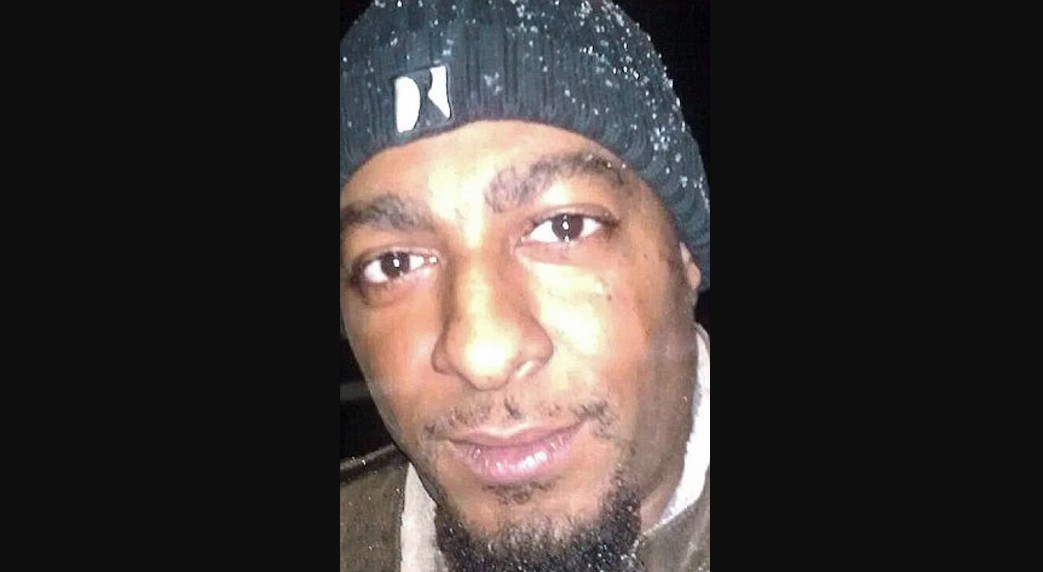
Syed was sentenced to life in prison plus 30 years.
The robbery and false imprisonment charges were dropped.
The conviction was upheld on direct appeal.
Then came 2014, and the podcast "Serial," which examined the evidence and raised doubts.
In 2016, a Maryland appeals court ordered a new trial.
The reason: the failure to call Asia McClain as a witness.
The state fought back. In 2019, the Maryland Court of Appeals overturned that ruling and reinstated the conviction.
The specific reasons for the 2019 reversal beyond the McClain issue are not detailed in the record.
That is not established. It remains a gap.
The case moved forward. Then it moved back.
It was a conviction. It was also a question.
The momentum never stopped, even when the verdict did.
AND THE STORY STILL ISN'T OVER
In 2022, the Baltimore City State’s Attorney’s Office reviewed the case.
A judge vacated Syed’s conviction.
The state’s attorney cited new evidence: the unreliability of the cell phone data.
She also cited the failure to investigate other suspects.
The identity of any other suspects is not specified in the record.
Syed was released from prison in September 2022.
He had served 23 years.
In 2023, the Maryland Court of Appeals upheld the decision to vacate.
The state announced it would not retry him.

The case is legally closed.
It is also legally open.
Hae Min Lee’s family has maintained that Syed is guilty.
They have expressed frustration with the legal proceedings.
The cell tower data that once placed him near Leakin Park — that data was the foundation.
It was questioned.
It was doubted.
It was deemed unreliable enough to undo a conviction.
Not because the records changed.
Because the interpretation of them changed.
The call records remain what they always were: numbers on a page.
The questions they raised remain unanswered.
The anonymous call that started it all — that call was never the whole story.
The note in the car, the witness who changed his account, the alibi never pursued.
All of it was heard.
None of it was settled.
The record does not establish who else might have been responsible.
It only establishes that the case against Syed no longer stands.
She was on the ground below.
The park is still there.
The phone records are still there.
The questions are still there.
Advertisement
You may also like
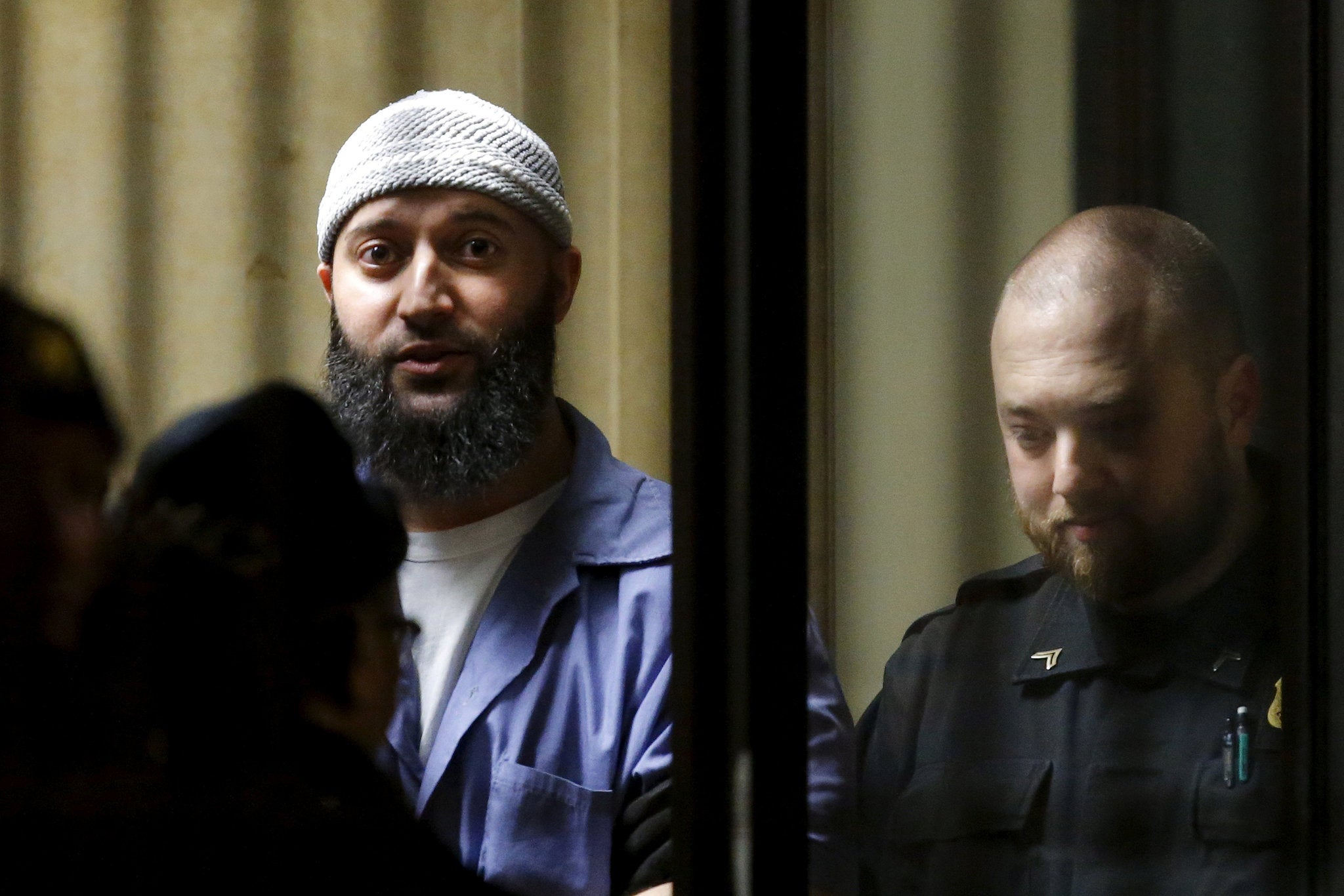
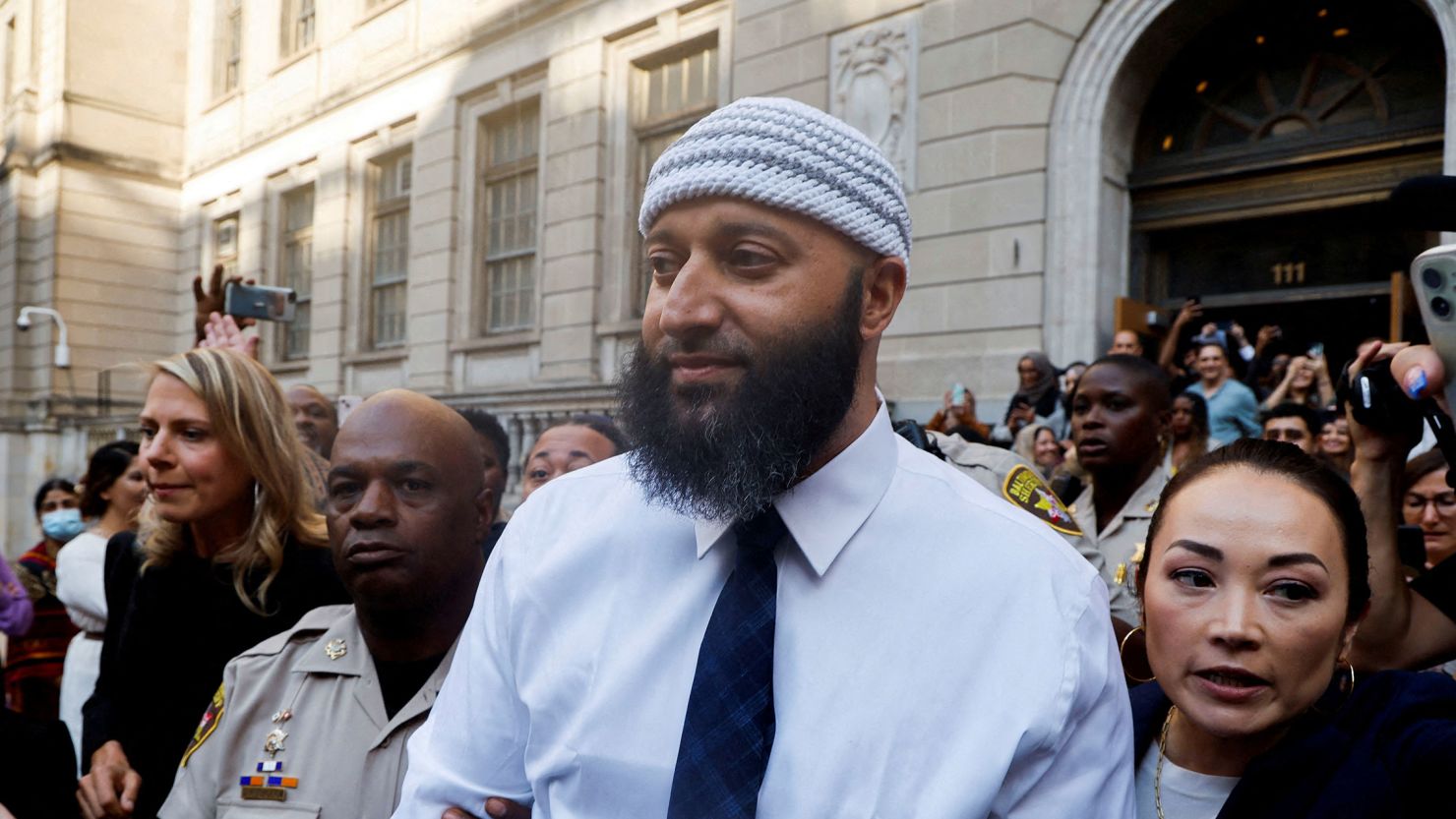
Adnan Syed's 2024 freedom is secure, but the conviction status remains in legal limbo as the Lee family fights on.
It began with a voice. In 1999, an anonymous phone call pointed police toward Adnan Syed—no name given, no evidence offered, just a voice…
The letter that sent the Trailside Killer to a dead end
A letter arrived for the authorities during the Trailside Killer investigation. It was threatening. It was taunting. Handwriting analysis linked it to the killer,…
The letter Erik allegedly wrote about abuse — and why the Menendez brothers' appeals keep failing
A letter Erik allegedly wrote sits inside a 2023 habeas corpus petition filed by the brothers’ attorneys. It describes the abuse, the petition says.…
The parole officer's alert that led authorities to Richard Allen Davis
A woman reported a suspicious man near the Klaas home on the night of October 1, 1993. Her description pointed to Richard Allen Davis,…
The tarot card left at a crime scene — and the message that still haunts detectives
The card was left on the ground at one of the crime scenes. It was a tarot card, and on it someone had written…
The ransom note on a windowsill — then a 72-day wait that ended in a woods
The nursery was quiet. It was the evening of March 1, 1932, and Charles Lindbergh Jr., the 20-month-old son of aviator Charles Lindbergh and…