The letter Erik allegedly wrote about abuse — and why the Menendez brothers' appeals keep failing
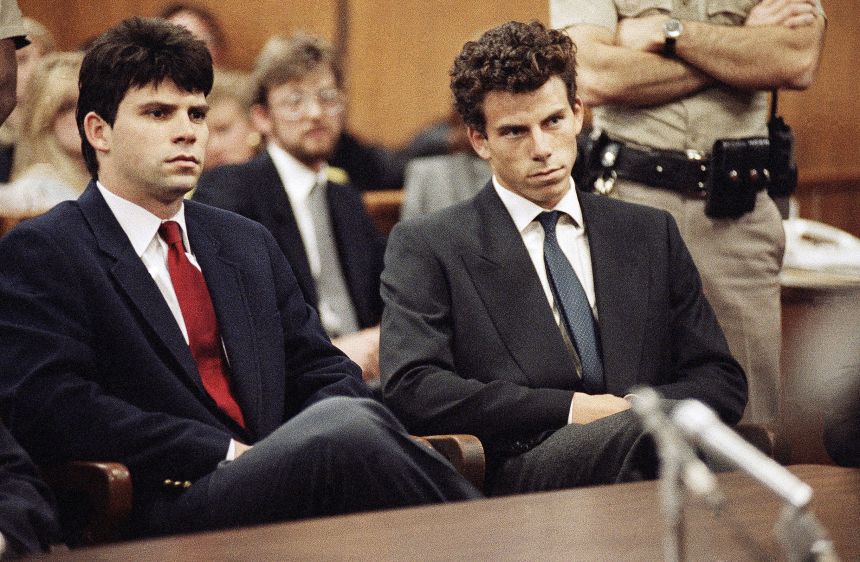
A letter Erik allegedly wrote sits inside a 2023 habeas corpus petition filed by the brothers’ attorneys.
It describes the abuse, the petition says.
The word is “allegedly.”
The letter has not been authenticated.
It has not been admitted in any court.
It is one piece of evidence in a filing, not a finding.
The petition asks the court to reconsider.
The court has not scheduled a hearing on it.
The brothers remain in separate California prisons.
They are serving life without parole.
No parole hearings have been scheduled.
Their sentences stand.
That is the record.
Why hasn’t the letter changed anything?
Why does a document so central to their case carry no legal weight?
Why does the family remain divided over what it means?
Because authenticity is not established.
Because a petition is not a ruling.
Because the record, as it stands, holds.
Lyle Menendez was convicted of first-degree murder.
Erik Menendez was convicted of first-degree murder.
Appeals followed.
All were denied.
The letter is alleged.
The convictions are documented.
That is the difference the law draws.
It is a wide difference.
It has held for decades.
THE NIGHT OF AUGUST 20, 1989
The 911 call came in at 11:47 p.m.
Lyle Menendez was on the line, his voice frantic.
He told the operator that he and his brother Erik had come home from a movie to find their parents dead.
They were wrong, he said. Someone had killed them.
On August 20, 1989, José Menendez and his wife Kitty Menendez were shot and killed in the den of their Beverly Hills home.
The brothers initially told police they believed the killings were a mob hit.
José Menendez was a wealthy entertainment executive; the theory seemed plausible.
Two 12-gauge shotguns, purchased by Lyle Menendez days before the killings, were used.
That detail would surface later.
The case went unsolved for several months.
No arrests, no suspects, no public answers.
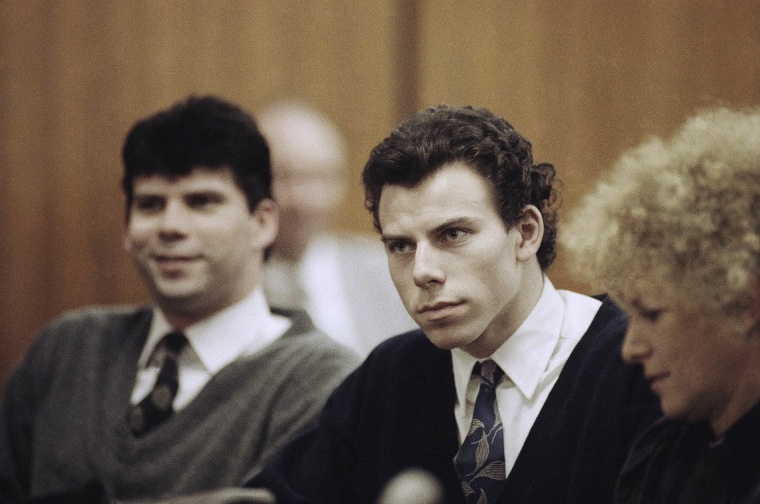
The exact sequence of events inside the house is not in the record beyond the brothers' 911 call and their initial statements.
That is not established.
What is established is the call.
What is established is the claim.
What is established is that two people were dead on the floor of their own den.
She was on the ground below.
The brothers stood outside when police arrived, waiting.
They had, they said, just found the bodies.
Nothing about that night was clear at the time.
It was a shock.
It was also a confusion that would take years to untangle.
THE CONFESSION AND THE ARREST
The turning point came in therapy.
Erik Menendez confessed to his psychologist, Dr. Jerome Oziel, during a session.
Oziel's girlfriend, Judalon Smyth, later told authorities about the confession.
She went to the police.
The brothers were arrested in March 1990.
Police had obtained evidence from the therapy sessions.
That evidence became the center of a legal battle.
The prosecution argued the brothers killed their parents for their inheritance.
The defense presented extensive testimony about alleged sexual abuse by José Menendez.
Family members testified.
Friends testified.
The content of the confession is not fully established in the public record.
The reliability of the therapy-session evidence is not fully established either.
What Oziel recorded, what he repeated, what he claimed — that remains contested.
The confession was the hinge.
Without it, the case may have stayed unsolved.
With it, the brothers were in custody.
The question of what the jury would be allowed to hear came later.
That question would shape everything that followed.
TWO TRIALS, ONE VERDICT
The first trial began in 1993.
It ended in 1994 with hung juries on all charges.
The brothers were retried in 1995.
In the second trial, Judge Stanley Weisberg excluded much of the abuse evidence.
What the jury heard in that courtroom was narrower than what the defense had argued.
What the jury did not hear was the history the defense said explained everything.
The brothers were convicted of first-degree murder in 1996.
They were sentenced to life in prison without the possibility of parole.

They have filed multiple appeals since then.
All of them have been denied.
The specific reasons for each denial are not detailed in the source.
What remains is the record: trial, conviction, sentence, denial.
Not because the evidence was overwhelming.
Because the legal process moved, and it did not move again.
Each appeal was a question put to the courts.
Each answer came back the same.
The brothers remain incarcerated at separate California prisons.
No parole hearing is scheduled.
The sentence stands, and it stands without a date attached to it.
AND THE STORY STILL ISN'T OVER
In 2023, the brothers’ attorneys filed a habeas corpus petition citing new evidence, including a letter Erik allegedly wrote describing the abuse.
The letter has not been authenticated.
It has not been admitted in any court.
The outcome of that petition is pending; the record does not establish how it will resolve.
The family today remains divided.
Some relatives advocate for the brothers’ release.
Others maintain the brothers should remain imprisoned.
That division is public, and it is not new.
Lyle Menendez remains incarcerated at one California prison.
Erik Menendez remains incarcerated at another.
Both are serving life without the possibility of parole.
No parole hearing has been scheduled for either brother.
Their sentences stand.
They have stood through multiple appeals, and every appeal has been denied.
The 2023 petition is another attempt.
It is not a release.
It is not a date.
It is a filing, and a filing is not a finding.
What would change the sentence?
A granted habeas petition, a commutation, a parole board.
None of those appear in the record.
The case is not closed in the public mind, but the legal path forward is narrow.
The brothers’ lawyers say the alleged letter is new evidence.
The courts have not said so.
The family argues in public, and the brothers remain in prison.
That is where the story stands.
Not resolved.
Not over.
Just pending.
Advertisement
You may also like
The fishing boat Scott Peterson bought days before Laci vanished — and the lie that unraveled
He bought the boat in the days before Laci vanished. He did not mention it when he called police on December 24, 2002, to…
The note scrawled in a Watertown boat that still haunts the Tsarnaev case
He was found in a boat in a Watertown backyard. Dzhokhar Tsarnaev had been hiding there, and when the FBI closed in, he scrawled…
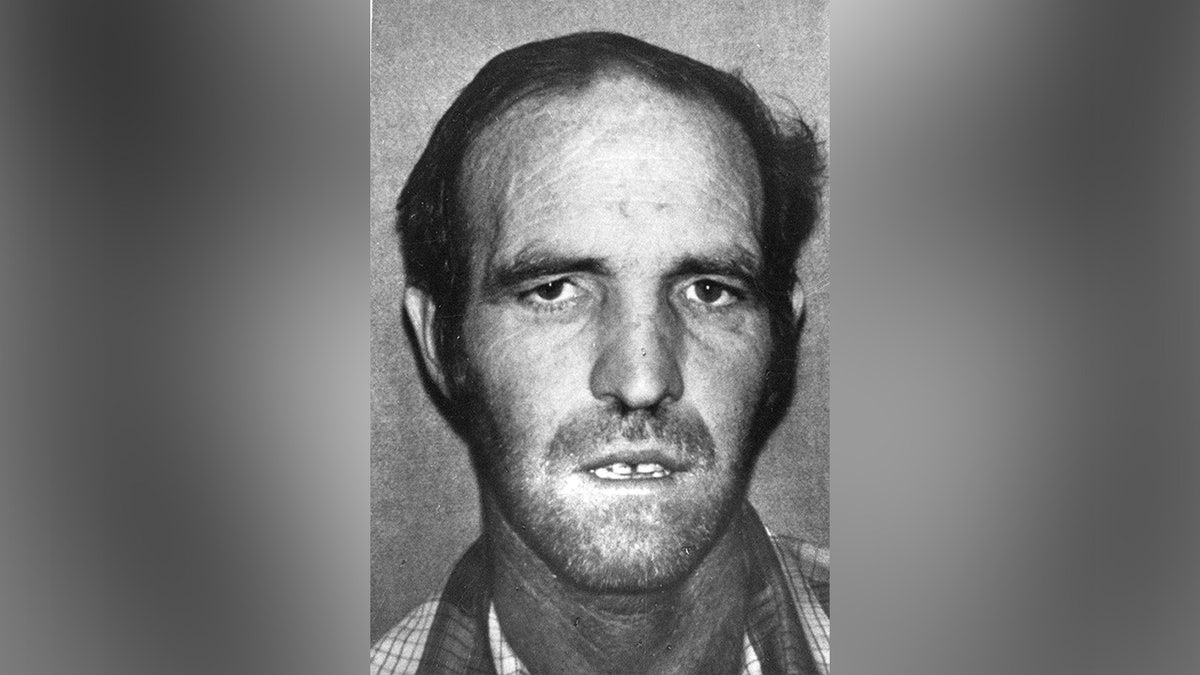
The 1981 mall toy aisle detail that derailed the Adam Walsh case for years
July 27, 1981, in the toy department of the Hollywood Mall in Hollywood, Florida. A six-year-old boy named Adam Walsh was separated from his…
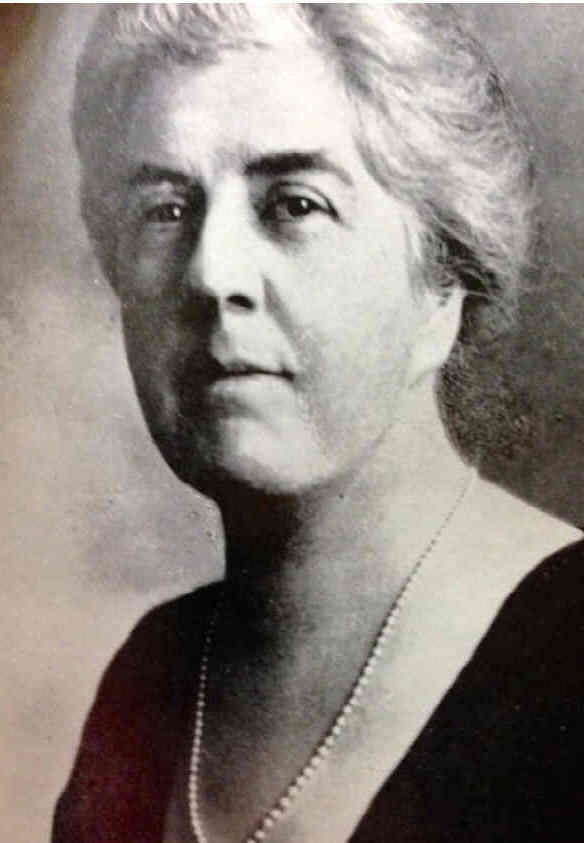
The love letters and calling cards left beside two bodies in Lovers' Lane
The crabapple tree stood in a secluded lane called Lovers' Lane, near the New Jersey border with Pennsylvania. On the night of September 14,…
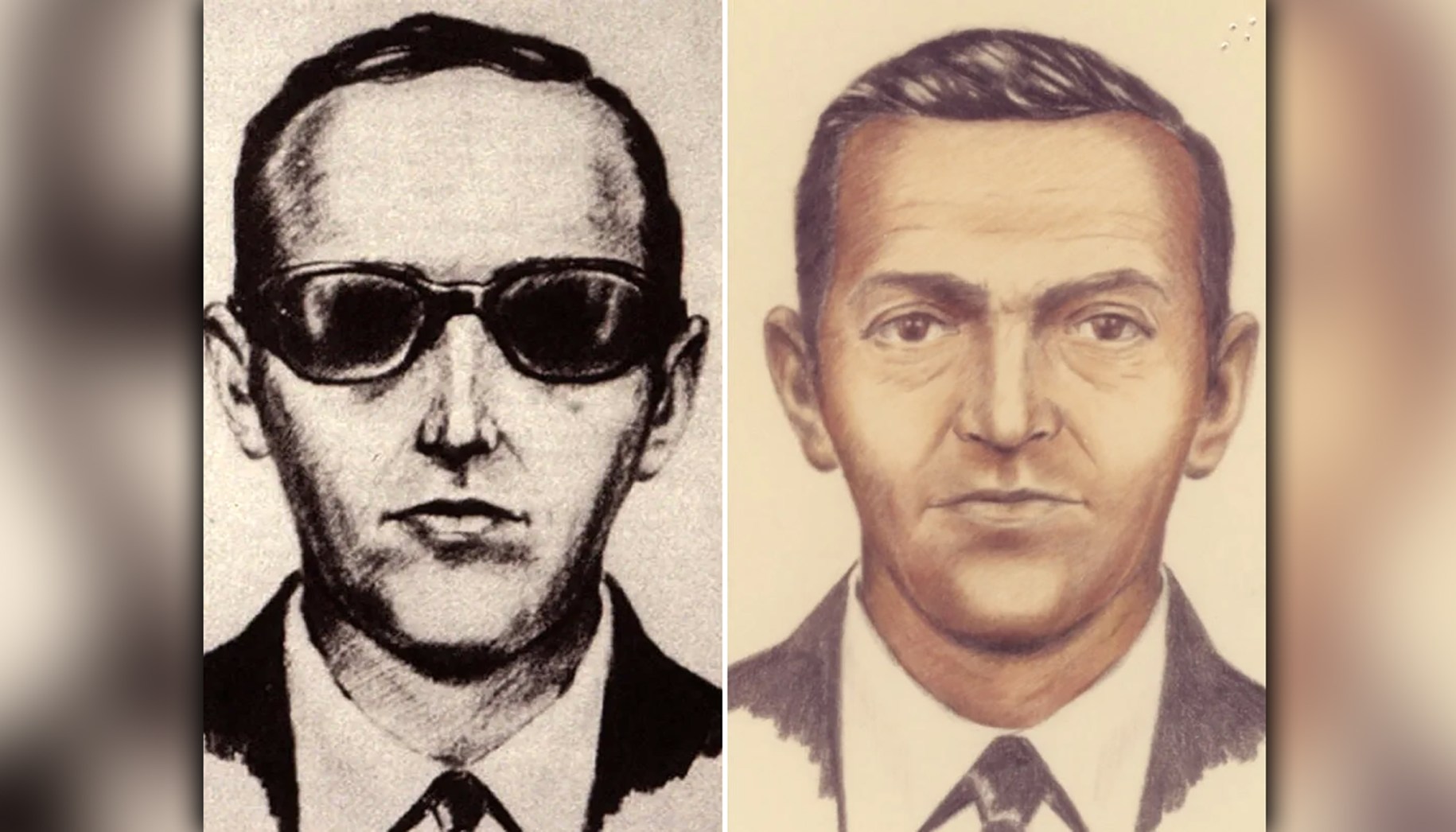
The $5,800 in D.B. Cooper ransom cash a boy found on a riverbank
The boy was eight years old, playing on a sandbar along the Columbia River in Washington in 1980. He pulled three bundles of cash…
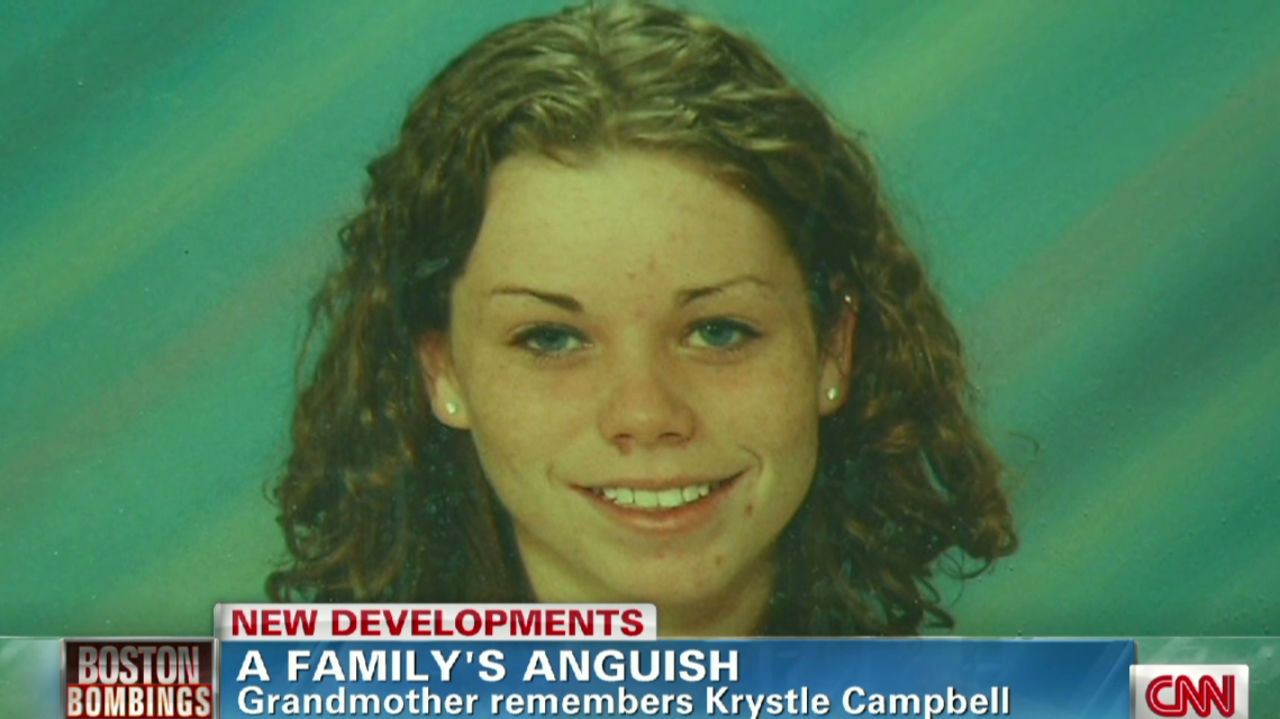
The handwritten confession scrawled on a boat's interior that sealed Dzhokhar Tsarnaev's fate
The boat sat in a Watertown backyard, tarp pulled over it, ordinary as any lawn ornament. On April 19, 2013, Dzhokhar Tsarnaev was found…