The affair that broke Scott Peterson's alibi: Amber Frey's testimony in court
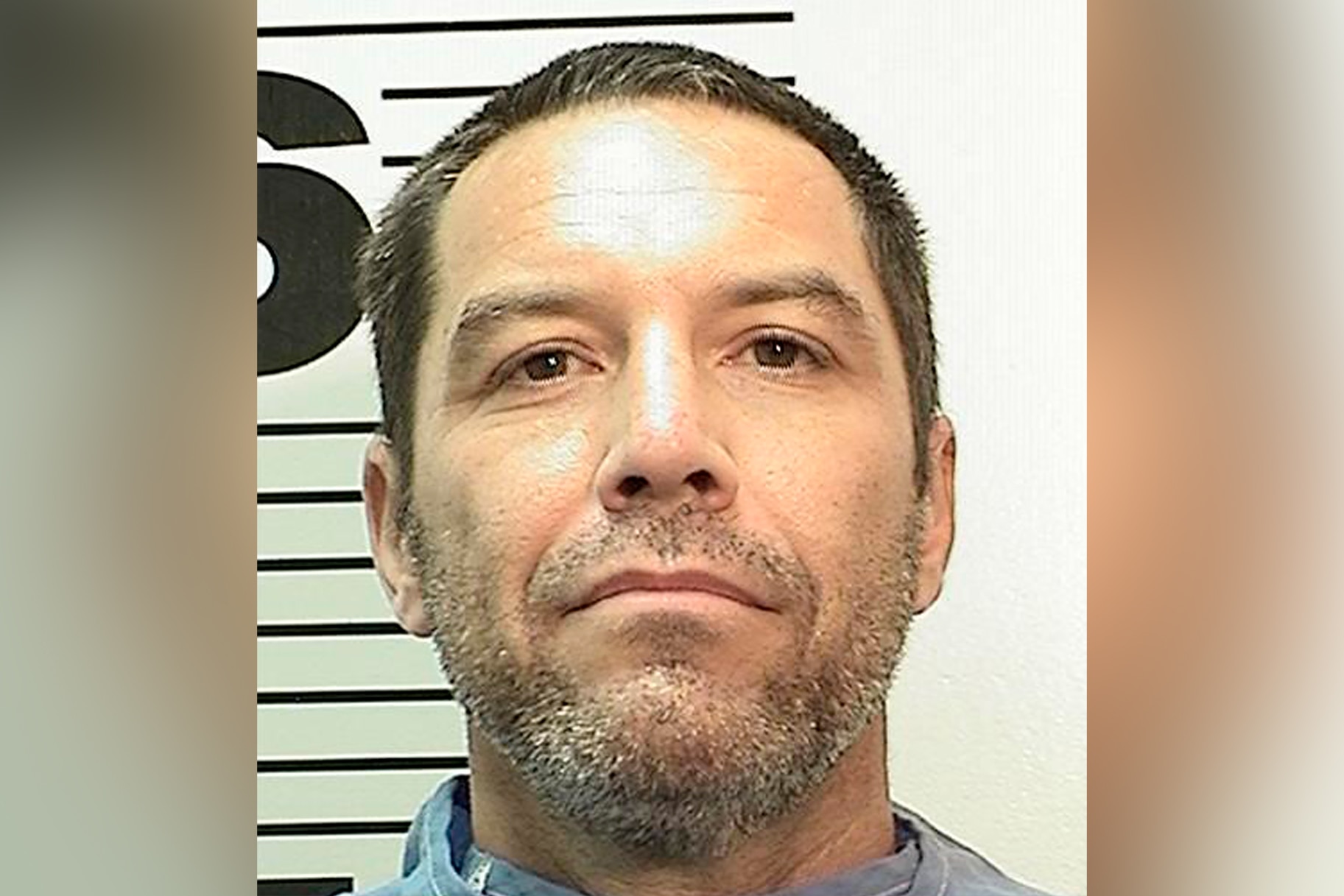
December 24, 2002.
A 27-year-old pregnant woman named Laci Peterson disappeared from her home in Modesto, California.
That evening, her husband, Scott Peterson, reported her missing.
Months later, a woman named Amber Frey would testify about her affair with Scott Peterson.
The affair was not yet public when Laci vanished.
It emerged during the investigation.
The prosecution would use Amber Frey's testimony to argue motive.
A theory circulating online holds that the affair alone broke Scott Peterson's alibi.
That is a theory.
It is not a fact established by the record.
What the record establishes is narrower: a secret relationship, revealed in court, offered as a reason.
The exact moment investigators first learned of the affair is not in the record.
Not because the timeline is tidy.
But because the record does not say.
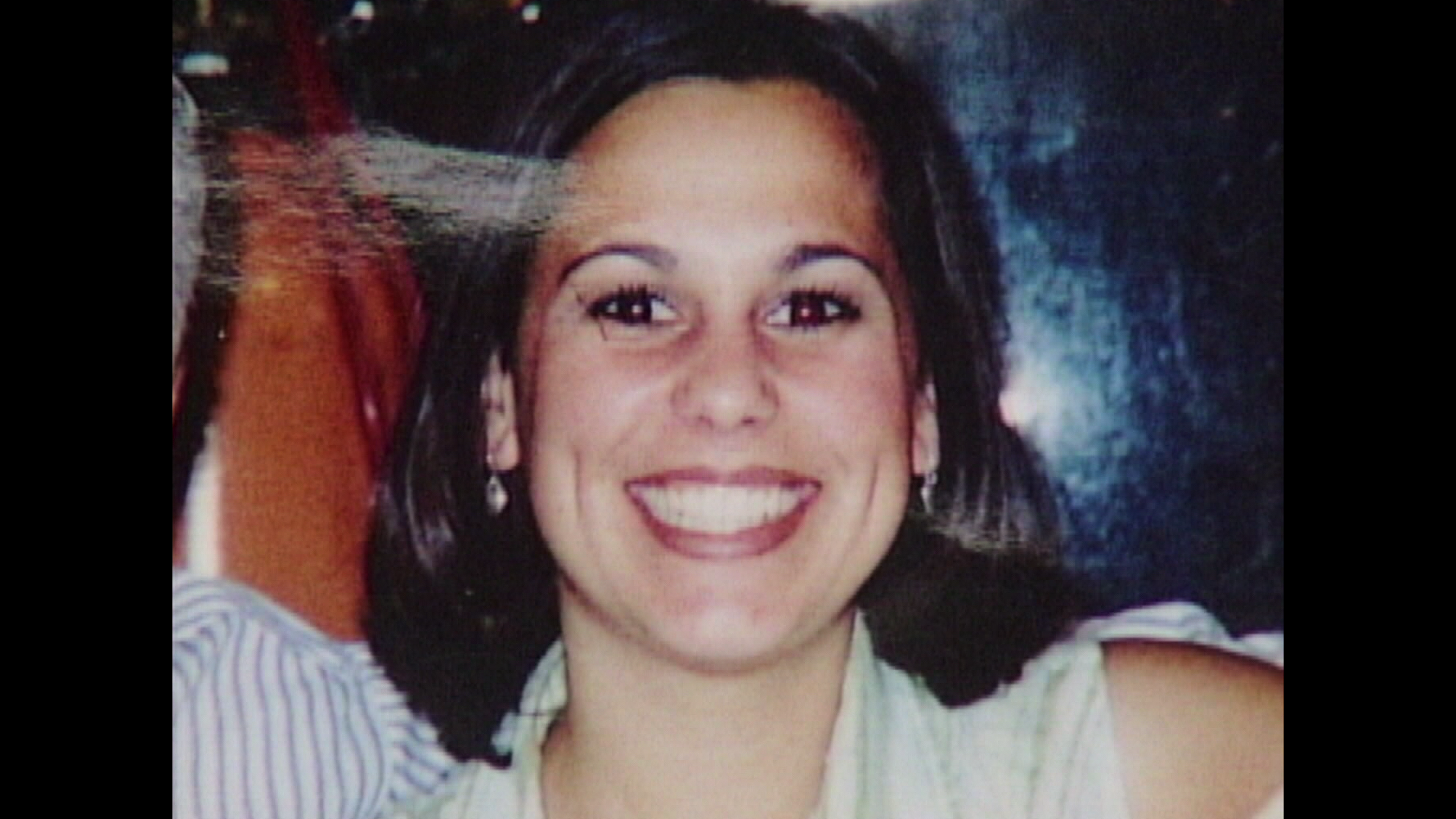
Amber Frey was not yet a name in the news when Laci disappeared.
She became one later.
What did she know?
When did she tell?
Those questions hang over the opening of the trial calendar, unanswered in the documented record.
That would require evidence.
THE DISAPPEARANCE AND THE FISHING TRIP
He said he had been fishing at the Berkeley Marina that day.
The story conflicted with weather reports and with witnesses, according to the source.
Investigators found that Scott Peterson had bought a boat shortly before Laci disappeared.
It was a 14-foot aluminum fishing boat.
On April 13, 2003, the bodies of Laci and her unborn son, Conner, washed ashore in San Francisco Bay.
They were found near where Scott said he had been fishing.
On April 18, 2003, Scott Peterson was arrested in San Diego County.
:max_bytes(150000):strip_icc():focal(497x0:499x2)/laci-peterson-011923-877c087b70c04926860af86c819170ea.jpg)
He was charged with two counts of first-degree murder.
The prosecution would present this as a circumstantial case.
The boat. The fishing trip. The location of the bodies.
No direct evidence linking Scott to the murders is in the record.
The defense would say so, again and again.
The record holds the purchase, the claim, the location, and the arrest.
It does not hold a witness to the act itself.
That would require evidence.
AMBER FREY TAKES THE STAND
The trial began in June 2004 in Redwood City, California, after a change of venue from Modesto.
Amber Frey took the stand and testified about her affair with Scott Peterson.
The prosecution called her to provide a motive.
The prosecution, led by District Attorney James Brazelton, presented a circumstantial case.
There was no eyewitness to the crime.

No confession on the record.
No direct link between Scott Peterson and the murders, the defense argued.
Mark Geragos led the defense.
He told the jury the case lacked direct evidence.
He argued that Laci had been abducted by strangers while walking the dog.
The prosecution also called a jailhouse informant to testify.
The informant claimed Scott had made incriminating statements while in custody.
Her credibility was challenged on the stand.
The record does not detail the specific content of Frey's testimony beyond the affair itself.
It holds her role, her relationship, and her appearance in court.
It does not hold every word she said.
That would require a fuller transcript.
What remains is a motive offered, a case built on circumstance, and a jury left to decide.
TWO STORIES, ONE SET OF FACTS
:max_bytes(150000):strip_icc():focal(999x0:1001x2)/laci-peterson-family-2-d60dbe78a8384fc4b387604161b69e09.jpg)
The prosecution argued that Scott weighted Laci's body and dumped it from his boat.
The defense argued that Laci had been abducted by strangers while walking the dog.
The same facts — the boat, the affair, the location of the bodies — were read completely differently by each side.
The boat was a purchase. The boat was a tool.
The affair was a motive. The affair was a distraction.
The bodies washed ashore near where Scott said he had been fishing. The bodies washed ashore because of currents, the defense said.
The medical examiner, Dr. Brian Peterson (no relation to Scott), testified that Conner's death was caused by the death of his mother.
That is not a theory. That is a medical finding.
The jury heard the boat. The jury heard the affair. The jury heard the location of the bodies.
Which interpretation the jury found more persuasive is not stated beyond the verdict.
Not because the record is silent. But because a verdict is a conclusion, not an explanation.
Was it the weighted body and the boat? Was it the affair and the motive?
That would require evidence.
On November 12, 2004, the jury found Scott Peterson guilty of first-degree murder for Laci's death and second-degree murder for Conner's death.
The verdict landed. The competing stories did not.
AND THE STORY STILL ISN'T OVER
On December 13, 2004, the jury recommended the death penalty.
Judge Alfred Delucchi sentenced Scott Peterson to death on March 16, 2005.
In 2020, the California Supreme Court overturned his death sentence, citing errors in jury selection.
The court upheld his murder convictions.
Scott Peterson remains on death row at San Quentin State Prison.
The case is in further appeals.
What comes next?
What motion is pending?
What hearing is scheduled?
That would require evidence; the specific next hearing date or motion is not in the record.
Laci's family, including her mother, Sharon Rocha, have continued to advocate for victims' rights.
The verdict stood.
The sentence did not.
The conviction did.
The story still moves, one filing at a time, through the courts.
It is unresolved.
It is also, for the family, a life sentence of its own.
Advertisement
You may also like
A name nobody claimed: the only identified victims of the Torso Killer
Between 1934 and 1938, at least twelve people were murdered in Cleveland's Kingsbury Run area. Most of them were never identified at all. Among…
The gyroscope that may have doomed Buddy Holly's flight in 1959
The Sperry F-3 gyroscope was the attitude indicator installed in the 1947 Beechcraft Bonanza 35, registration N3794N, chartered from Dwyer's Flying Service. The pilot…
Five Gainesville students found dead in four days — then a knife sheath changed everything
The friend knocked. No answer. The door was locked, so the friend found a way in. Inside the apartment, on August 27, 1990, the…

81 minutes inside the Gardner Museum, and the one frame that still waits for its painting
The museum's security cameras were on that night. They were recording nothing. The tape rolled inside the Isabella Stewart Gardner Museum in Boston in…
The fishing boat purchase that put Scott Peterson at the center of a missing-pregnant-wife case
The clerk remembered the man who bought the fishing boat in December 2002. He said he planned to use it for fishing in the…
The truck that returned home, and the timeline that fell apart
The blue Ford Escape came back to the house before dawn on August 13, 2018. A neighbor's security camera caught it pulling into the…