The truck that returned home, and the timeline that fell apart
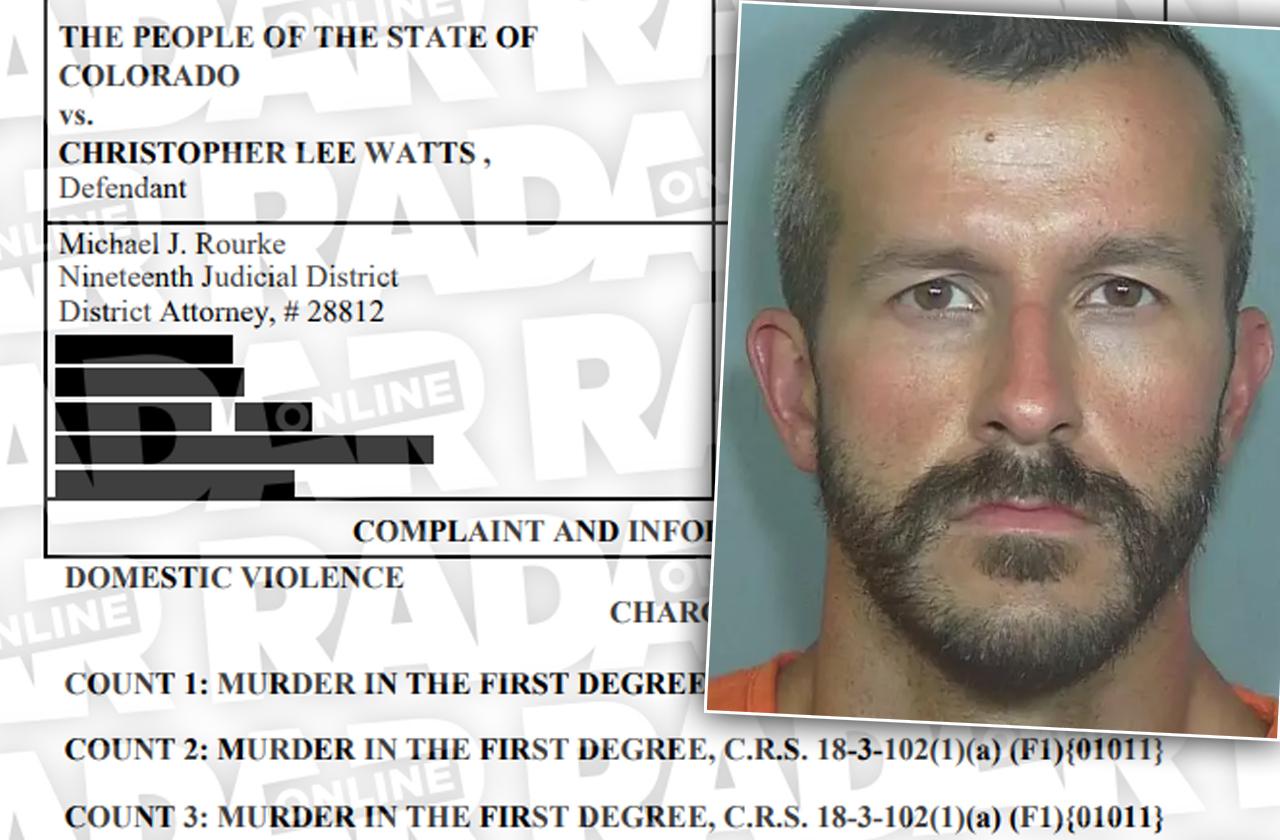
The blue Ford Escape came back to the house before dawn on August 13, 2018.
A neighbor's security camera caught it pulling into the Watts driveway, and the man behind the wheel was Christopher Watts.
Shanann Watts was not in the truck.
Her husband had told police he was at a work site that morning, not at home.
The camera said otherwise.
It is a documented piece of evidence, not a theory — a single image that anchors a timeline, and that timeline would later fall apart.
The truck belonged to Shanann.
Watts would drive it again that morning, to the oil site where investigators would find the bodies.
What the footage does not show is what happened inside the home.
The camera catches arrival, not action.
It catches a man returning a vehicle, not the moments that preceded it.
What exactly occurred in that house in the early hours is not established by the camera footage alone.
The record establishes only this: the truck came home, Watts was driving, and his story about being elsewhere had already broken.
One image, and the alibi collapsed.
One image, and investigators had a reason to pull the phone records.
One image, and the GPS data stopped being a formality and became a contradiction.
THE MISSING CALL
The friend who reported the family missing had a reason.
Shanann Watts, 34, had missed a scheduled appointment, and her phone went to voicemail.
That was not like her.
On August 13, 2018, the friend contacted police.
Officers conducted a welfare check at the Watts home in Frederick, Colorado.
They found Shanann's purse inside.
They found her phone inside.
They did not find Shanann, or Bella, 4, or Celeste, 3.
Christopher Watts said Shanann had left early for a business trip.
He said he had not seen her.
The purse said otherwise.
The phone said otherwise.
What Shanann's exact movements were before she was reported missing is not fully established in the record.
That gap is real.
It is also narrow.
A neighbor's camera had already caught the blue Ford Escape returning to the home in the early hours of that morning.
Watts was driving.
Watts had told police he was at a work site that morning, not at home.
The purse and the phone were still inside the house.
The missed appointment was on the calendar.
The story did not match the objects.
On August 14, Watts gave a tearful television interview.
He appealed for their safe return.
He asked the public for help.

The tears were on camera.
The evidence was in the house.
The interview did not explain the purse.
It did not explain the phone.
It did not explain the camera.
One story was being told aloud.
Another was being assembled in silence.
THE GPS AND THE POLYGRAPH
The lead detective built the case on what the truck could not hide.
Phone records placed Watts somewhere else that morning.
GPS data did the same.
The polygraph, administered on August 15, came back failed.
He was confronted with the inconsistencies, and the story he had told aloud began to crack.
Watts confessed to killing Shanann.
But his first confession was not the whole truth.
He claimed she had killed the children in a rage, and that he had acted in retaliation.
That version did not hold.
Later, he admitted to smothering the girls himself.
The bodies were found at an oil tank battery site owned by Anadarko Petroleum, where Watts worked.
Shanann’s body was in a shallow grave.
The girls’ bodies were inside the oil tanks.
The medical examiner testified the children died of suffocation.
The exact sequence of events on the morning of August 13 is not fully established.
Watts’s confession shifted over time.
One version contradicted another.
The GPS said one thing.
The phone records said another.
The polygraph said another still.
The camera had already said its piece.
That would require evidence, and the evidence kept pointing one way.
Watts pleaded guilty on November 6, 2018, to three counts of first-degree murder.
He was sentenced to life without parole.
The mechanical certainty of the record closed in.
It did not need a witness to the act itself.
It had the truck, the towers, and the needle on the chart.
THE TWO STORIES
The prosecution’s story was simple: Watts killed Shanann and the girls, then lied to police and the public to cover it up.
The defence’s story, at first, was different.
Watts claimed Shanann had killed the children in a rage, and that he had acted in retaliation.
He later abandoned that story.
The affair with coworker Nichol Kessinger was documented through text messages and call logs she provided to police.

It was evidence of a motive, but a motive alone is not the whole record.
What the record does not establish is any motive beyond the affair.
That claim was never tested in court.
The case never went to trial.
On November 6, 2018, Watts pleaded guilty to three counts of first-degree murder.
Prosecutors agreed not to seek the death penalty in exchange for the plea.
Judge Marcelo Kopcow sentenced him to three consecutive life sentences without parole, plus 84 years.
The confession changed.
The plea did not.
Two stories existed, and then one ended in a courtroom with a guilty plea.
The other version — the one about Shanann — was abandoned by the man who told it.
It was never tested, never examined, never put before a jury.
That would require evidence.
The record has the truck, the GPS, the polygraph, and the plea.
It does not have a tested motive.
It has a legal finality.
…AND THE STORY STILL ISN'T OVER
He is at the Dodge Correctional Institution in Waupun, Wisconsin.
Three consecutive life sentences, no parole.
He has spoken from prison, including in a 2019 documentary.
No appeal has been granted.
Whether any appeal will be filed or granted is not established.
Shanann's family, the Rzuceks, have spoken publicly about their grief.
They have advocated for domestic violence awareness.
The Watts home in Frederick was sold at auction in 2019.
No new evidence has emerged in the case.
That is the documented record.
The cameras, the GPS, the polygraph, the plea — all of it now sits behind the walls of a Wisconsin prison.
The case has a legal finality.
It has an afterlife of documentaries and specials.
It does not have a tested motive.
It does not have new evidence.
It has a sentence that does not end.
The public keeps asking what happened in that house.
The record keeps answering with what was proven.
The truck returned home.
The timeline fell apart.
The plea made it final.
She was on the ground below.
The story is closed in court.
It is not closed in public.
That is the difference between a sentence and a story.
Advertisement
You may also like

The bloody glove that didn't fit — and the LAPD evidence mistake that changed the trial
The glove sat on the evidence table, leather and dark, one found at the crime scene, the other on the accused's property. In court,…

The ring that identified Emmett Till after his body was pulled from the Tallahatchie River
The cotton gin fan was still tied to his neck with barbed wire. His body came up from the Tallahatchie River on August 31,…
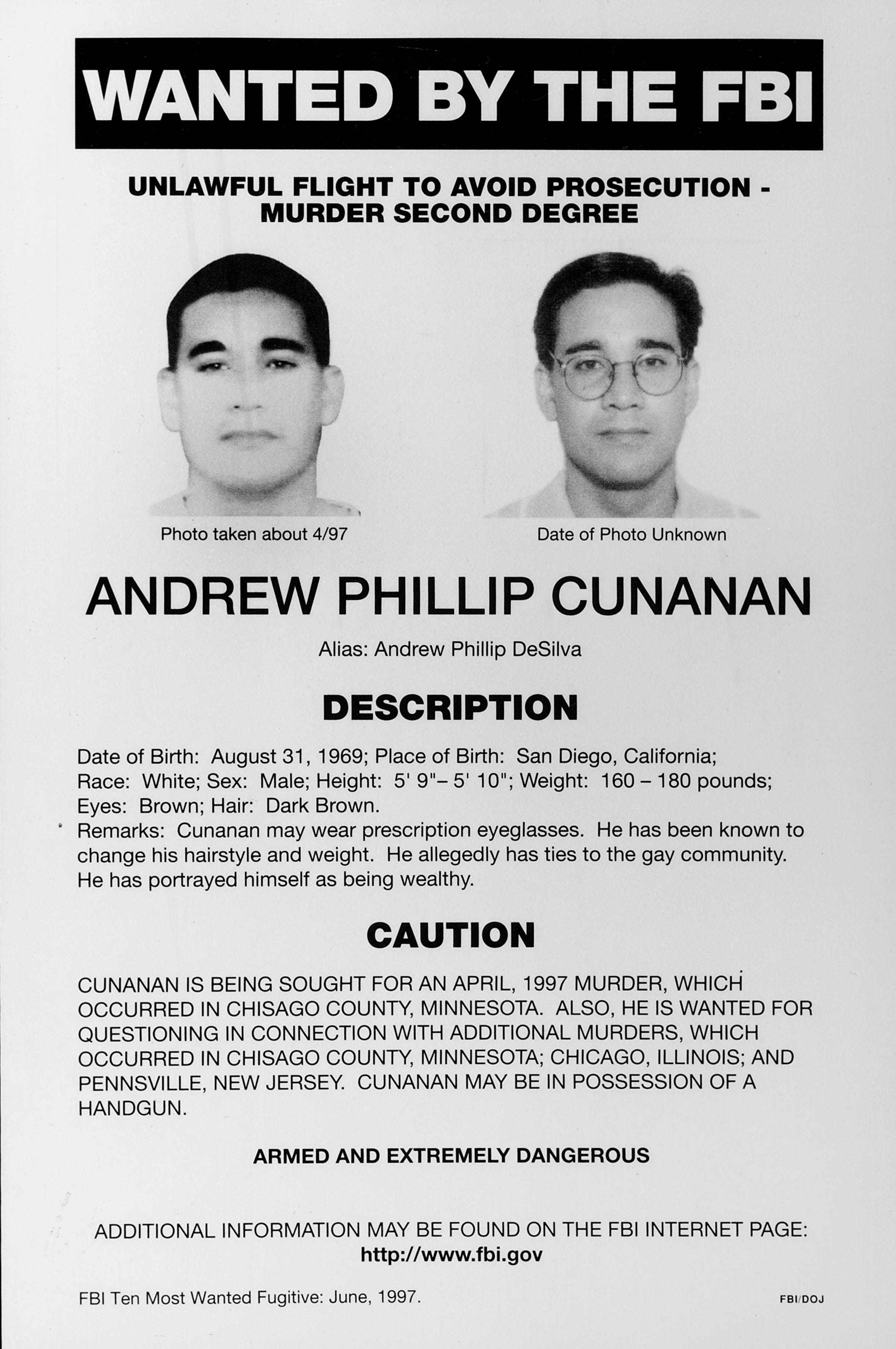
Why the FBI manhunt missed Andrew Cunanan in Miami for weeks
The bicycle was found first, abandoned against a wall a few blocks from the Casa Casuarina. On July 15, 1997, Gianni Versace was shot…

The cell phone records that placed Adnan Syed near Leakin Park — and the witness who swore he saw the body
The witness was Jay Wilds, an acquaintance of Adnan Syed. He testified that Syed showed him Hae Min Lee's body. He testified that the…
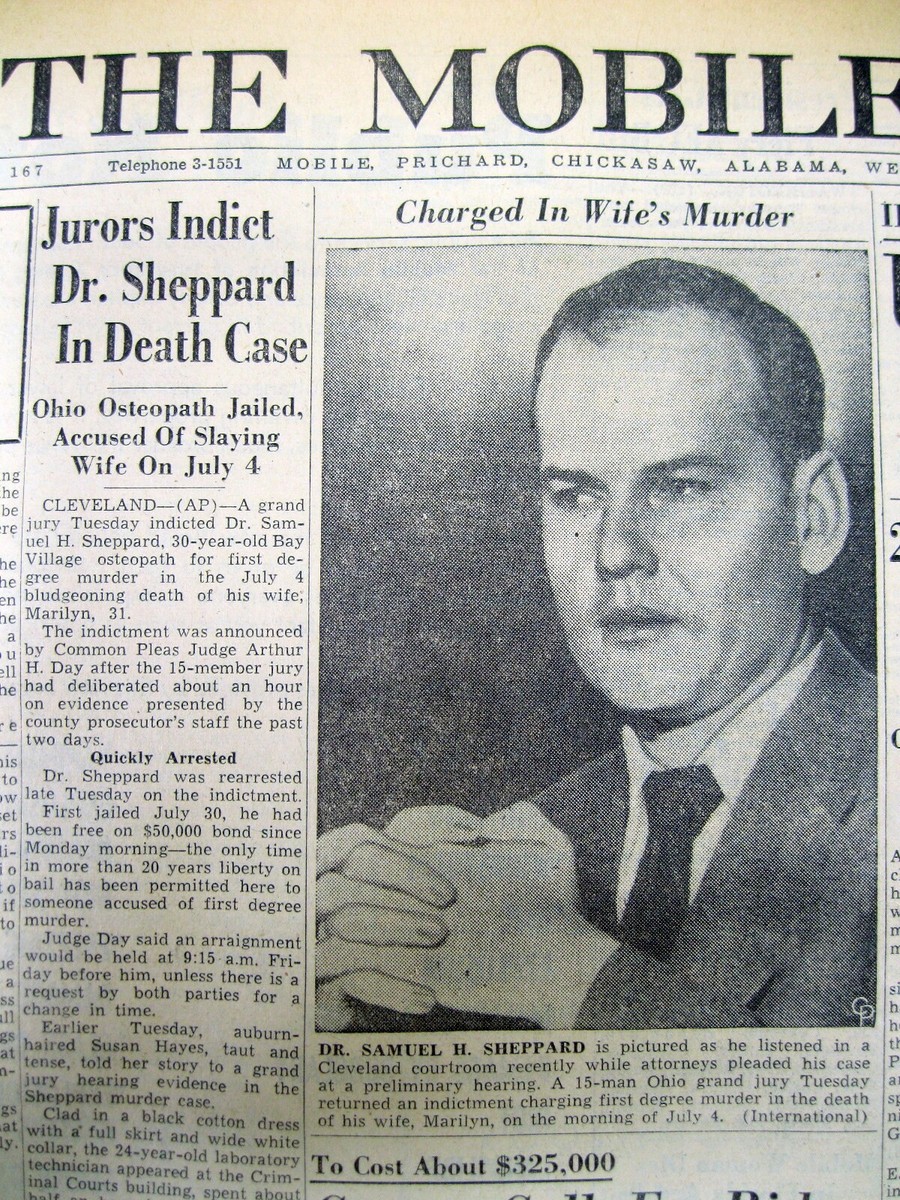
The front-page editorials that demanded Dr. Sam Sheppard’s arrest before his trial began
On July 4, 1954, in Bay Village, Ohio, Marilyn Sheppard, 31, was found bludgeoned to death in the upstairs bedroom of the lakeside home…
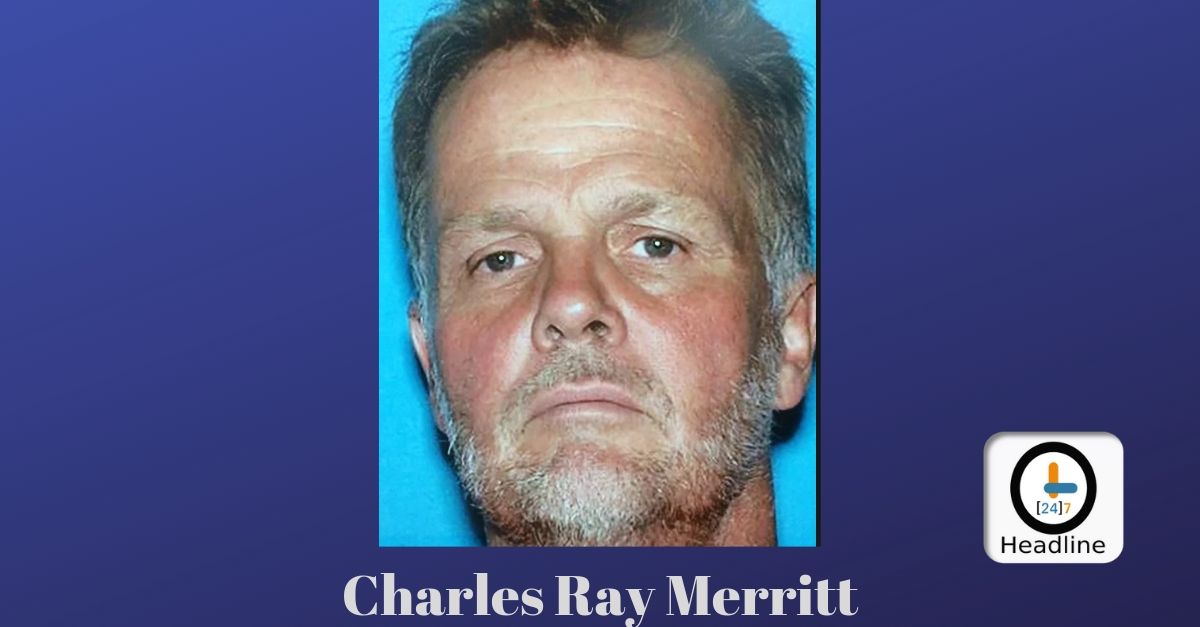
The bank card used after the McStay family vanished — and the phone calls that changed everything
The surveillance footage is grainy, the timestamp frozen in the days after the McStay family vanished. A man is at an ATM, inserting a…