The cell phone records that placed Adnan Syed near Leakin Park — and the witness who swore he saw the body

The witness was Jay Wilds, an acquaintance of Adnan Syed.
He testified that Syed showed him Hae Min Lee's body.
He testified that the two of them disposed of it in Leakin Park.
The prosecution built its case on that testimony.
It also relied on cell phone records that placed Syed near Leakin Park at the time of the burial.
No physical evidence linked Syed to the crime scene.
No blood, no DNA, no fibers.
The jury heard one witness and a cell tower ping.
The jury convicted.
A theory circulating online claims the lead detective framed Syed.
That theory is not established by the record.
The record shows a conviction built on Wilds's testimony and the cell tower data.
It shows a defense that argued Wilds was not credible.
It shows a defense that argued the cell phone evidence was unreliable.
The record does not show a detective planting evidence.
The record does not show a detective manipulating a witness.
What the record shows is a single witness and a signal that bounced off a tower.
How does a conviction rest on that?
How does a conviction rest on a man who changed his story?
How does a conviction rest on a ping that proves location, not action?
That would require evidence the record does not contain.
THE DISAPPEARANCE
Hae Min Lee was an 18-year-old senior at Woodlawn High School in Baltimore County, Maryland.
She disappeared on January 13, 1999.
The investigation began after she failed to pick up her cousin from daycare.
That was the first sign that something was wrong.
Police traced her last known movements.
They interviewed her friends.
They interviewed her classmates.
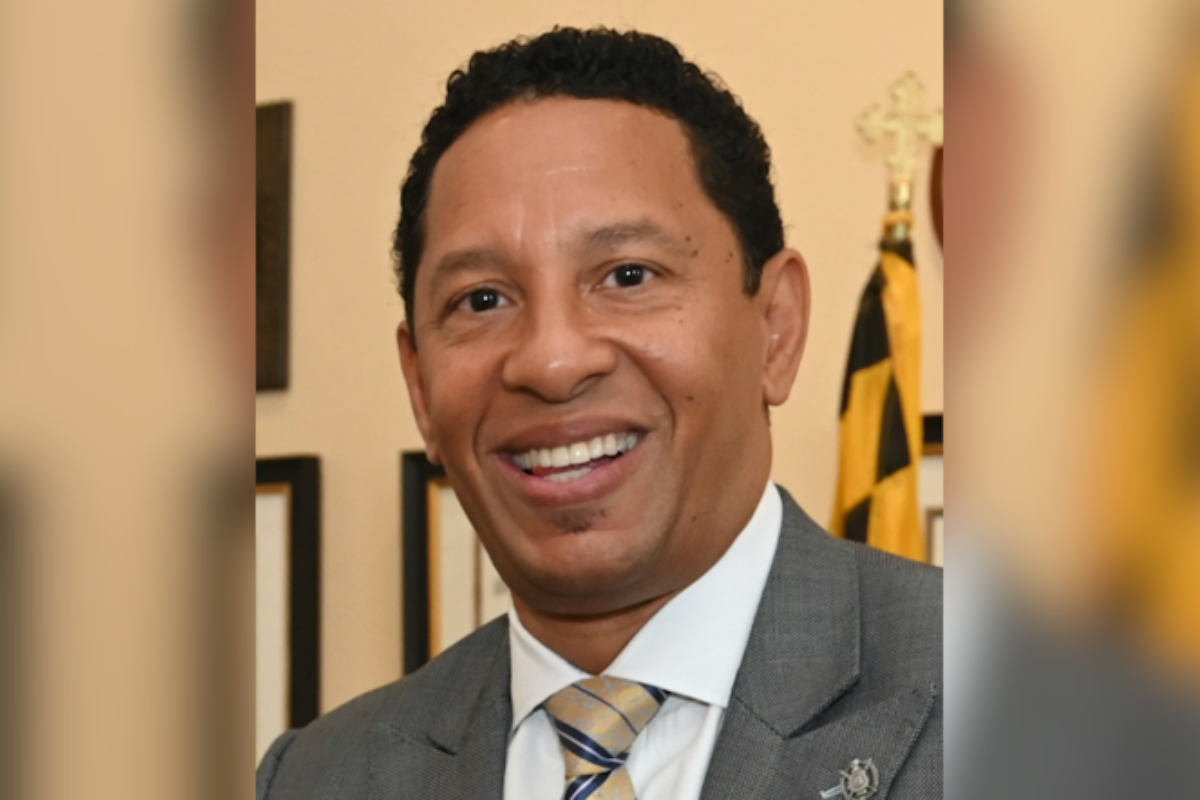
They looked for a teenager who had simply not shown up.
The search lasted weeks.
On February 9, 1999, her body was found in Leakin Park in Baltimore City.
She was buried in a shallow grave.
The cause of death was manual strangulation.
The exact time of death is not in the record.
No one has established precisely when she died.
That remains a question the case file does not answer.
What is known is the gap: she vanished in January, and her body was not found until February.
Twenty-seven days passed between her disappearance and the discovery in the park.
The medical examiner testified at trial about the cause of death.
The prosecution would build its case around what happened in that gap.
The defense would challenge how anyone could know.
But first came the search, the interviews, the missing-person posters.
And then the grave.
THE ARREST AND THE TRIAL
The arrest came on February 28, 1999, nineteen days after Hae Min Lee's body was found in Leakin Park.
Adnan Syed, Lee's ex-boyfriend, was charged with her murder.
The charges were first-degree murder, kidnapping, robbery, and false imprisonment.
The trial opened in Baltimore County Circuit Court in 2000.
The prosecution was led by Kevin Urick.
Urick argued that Syed killed Lee out of jealousy after she began dating another student.
The case against him rested on two pillars: the testimony of Jay Wilds and the cell phone records.
Wilds testified that Syed showed him the body and that the two of them disposed of it in Leakin Park.
The cell phone records, the prosecution said, placed Syed near the park at the time of the burial.
The defense challenged both pillars.
It argued that Wilds was not credible.
It argued that the cell phone evidence was unreliable.
The defense attorney's specific arguments beyond those two challenges are not detailed in the record.
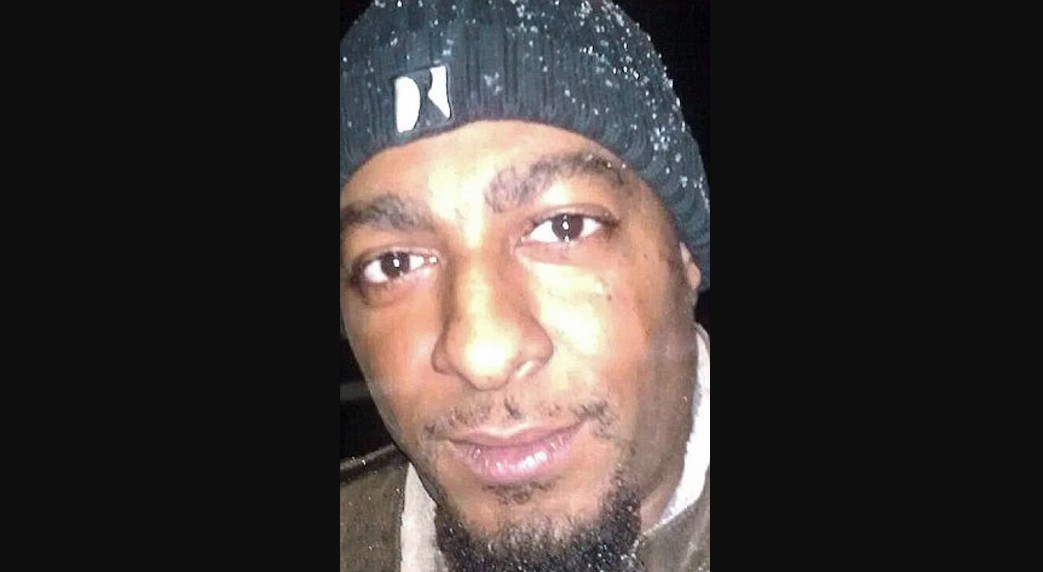
No physical evidence linked Syed to the crime scene.
The trial judge presided over the proceedings.
The medical examiner testified about the cause of death: manual strangulation.
The jury heard the testimony.
The jury weighed the witness against the records.
Syed was convicted of first-degree murder, kidnapping, robbery, and false imprisonment.
The sentence was life in prison plus 30 years.
It was a conviction built on what a man said and what a tower logged, not on what the ground gave up.
She was on the ground below, buried in a shallow grave, and the case against him never touched her.
THE TWO STORIES
The prosecution told one story.
It was a story of jealousy, of an ex-boyfriend who could not let go after Hae Min Lee began dating another student.
Kevin Urick, the prosecutor, argued that jealousy drove Syed to kill her.
The key witness was Jay Wilds, an acquaintance of Syed, who testified that Syed showed him Lee's body and that the two of them disposed of it in Leakin Park.
The cell phone records backed him up, the prosecution said.
The records placed Syed in the area of Leakin Park at the time of the burial.
Not because the science was clean, but because the tower logs put him there.
The defense told another story.
It was a story of a witness who could not be trusted and evidence that could not be relied upon.
Wilds was not credible, the defense argued.
The cell phone evidence was unreliable, they said.
No physical evidence linked Syed to the crime scene.
Not a fingerprint. Not a hair. Not a drop of blood.
The trial judge oversaw the proceedings, and the jury heard both versions.
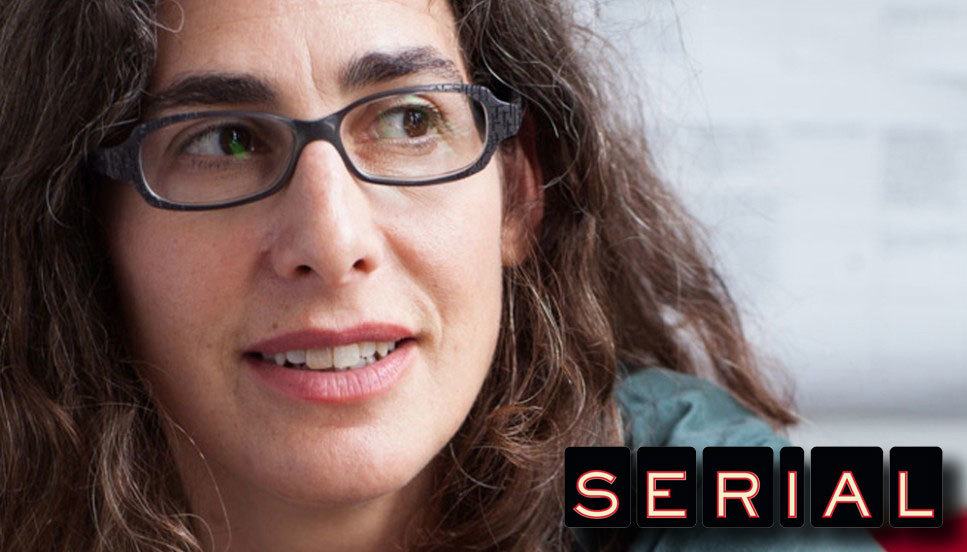
In 2014, the "Serial" podcast, hosted by Sarah Koenig, re-examined the case.
It highlighted inconsistencies in Wilds's testimony.
It pointed to potential alibi evidence that was never presented at trial.
Was Wilds telling the truth?
Was the cell tower data accurate?
Was Syed in Leakin Park, or was he somewhere else entirely?
The source does not establish which interpretation is true.
The jury chose the prosecution's story, and Syed was convicted of first-degree murder, kidnapping, robbery, and false imprisonment.
The sentence was life in prison plus 30 years.
Two stories, one verdict, and a record that still holds both.
AND THE STORY STILL ISN'T OVER
The verdict was not the end of the case.
In 2016, a Maryland appeals court granted Syed a new trial, citing ineffective assistance of counsel.
That decision was overturned by the Maryland Court of Appeals in 2019.
In 2022, a Baltimore judge vacated his conviction after prosecutors acknowledged flaws in the case.
He was released from prison in September of that year.
A year later, the Maryland Supreme Court reinstated his conviction.
He remained free on bail while the case was reviewed.
In 2024, a Baltimore judge reduced his sentence to time served.
Prosecutors declined to retry him.
That effectively ended the case.
The record does not state whether Syed will face any further legal action.
Hae Min Lee's family has maintained that Syed is responsible for her murder.
They have expressed frustration with the legal proceedings.
It is a case that keeps shifting.
It is also a case with no final word.
The jury chose the prosecution's story in 2000.
The courts have chosen different stories since.
The conviction was reinstated.
The sentence was reduced.
The prosecutors declined to retry.
What remains is the weight of a case that has moved for decades.
The witness who swore he saw the body.
The cell phone records that placed Syed near Leakin Park.
The family still waiting.
That would require evidence.
Advertisement
You may also like
The glove that fit one hand in court but not the other — O.J. Simpson's trial
In June 1995, in a Los Angeles courtroom, O.J. Simpson struggled to pull on a pair of leather gloves. One appeared to fit. The…
The confession Amityville killer recanted, then the haunting story that followed
Six bodies, each in a bed, in a house on Ocean Avenue. The morning was November 13, 1974, in Amityville, New York. The dead…
The crawl space on West Summerdale Avenue that held 26 bodies — what police found when they dug
Robert Piest was 15 years old, and on December 11, 1978, he told his mother he was going to meet a contractor about a…
The 2013 DNA match that finally tied DeSalvo to Mary Sullivan's murder — 49 years later
She was found in her Beacon Hill apartment on January 4, 1964. Mary Sullivan was the last of the thirteen. For 49 years, no…
The cellphone video that captured Alex Murdaugh's voice near the kennels
The video was recorded at 8:44 p.m. on June 7, 2021. Paul Murdaugh's cellphone captured it near the dog kennels where the bodies were…
The notebook confession that ended the Gabby Petito case — and the questions left behind
The search lasted thirty-four days. It ended on October 20, 2021, in the Carlton Reserve in Florida. Brian Laundrie's remains were found there, in…