Black Dahlia murder unsolved 76 years on: no one ever charged in Elizabeth Short killing
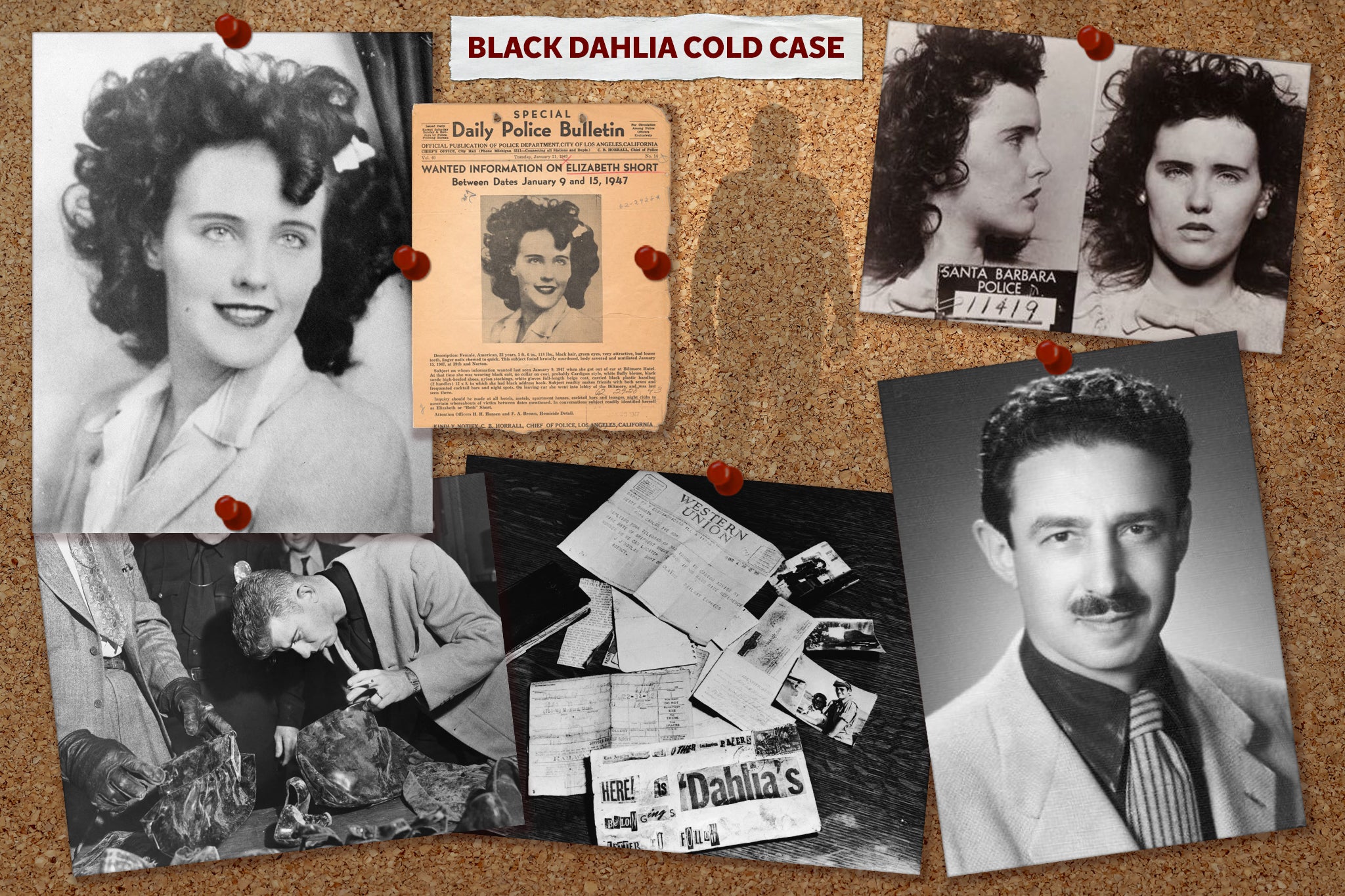
On the morning of January 15, 1947, a woman’s body was discovered in a vacant lot in the Leimert Park area of Los Angeles. A local resident noticed the body while walking her child, and police were called. The victim, later identified as Elizabeth Short, had been found naked, severed at the waist, and posed with her arms raised above her shoulders. Her body had been drained of blood and washed, suggesting the killer had taken time to clean the corpse before dumping it.
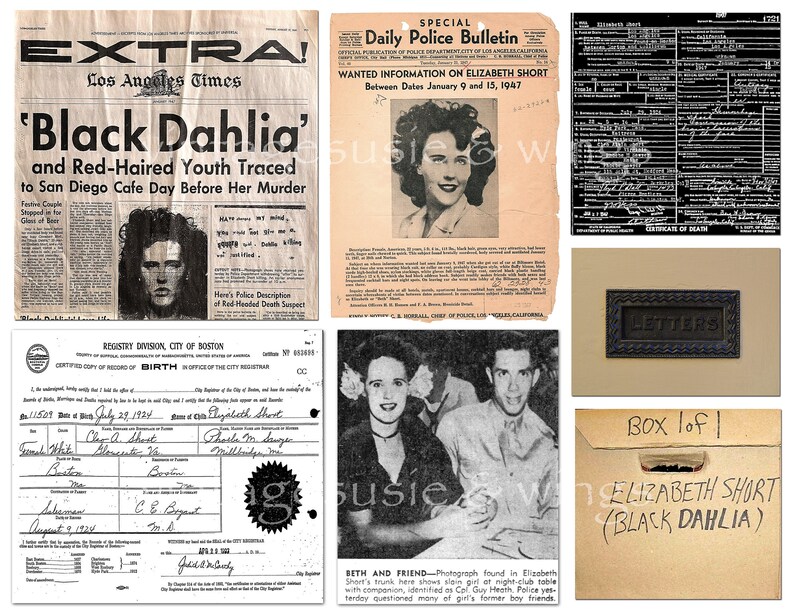
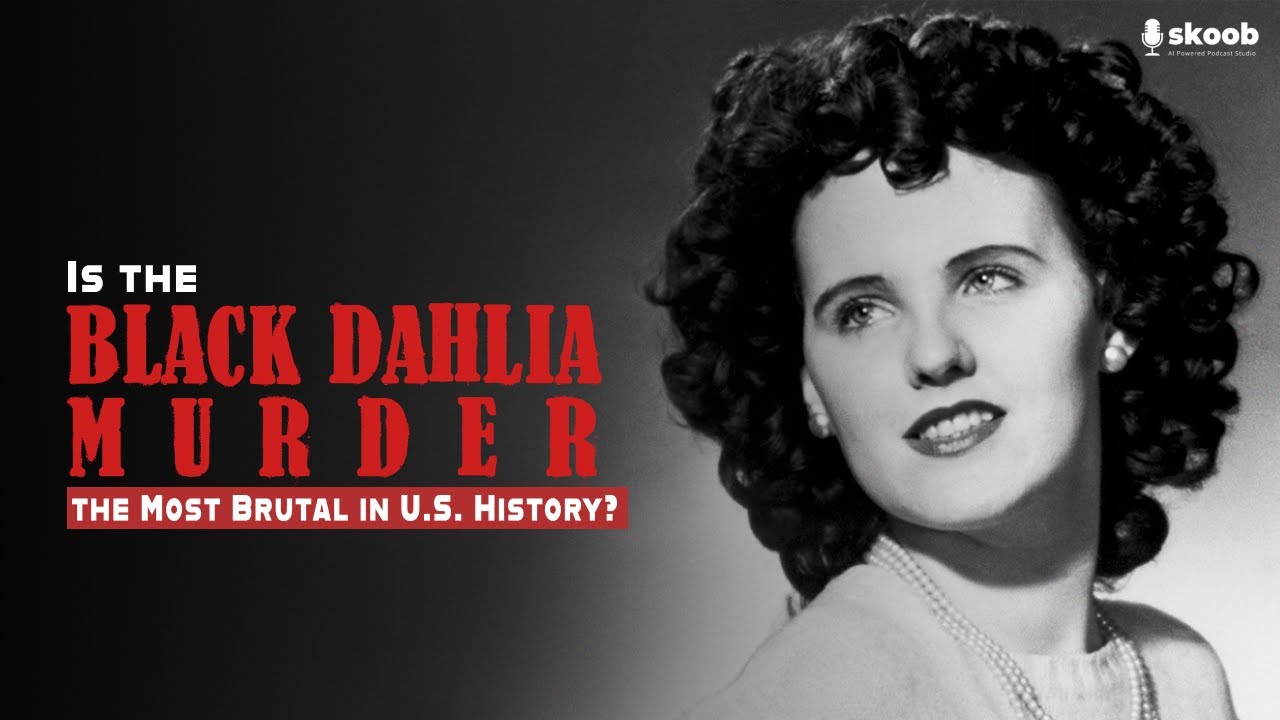
The case was dubbed the “Black Dahlia” by the press, a name reportedly derived from a film noir title and Short’s habit of wearing black clothing. The victim was Elizabeth Short, a 22-year-old aspiring actress who had moved to Los Angeles from Massachusetts. She was known to acquaintances as a drifter who frequented hotels and bars, often relying on the kindness of strangers.

Police initially identified the body through fingerprints, which matched a record from an earlier arrest for underage drinking. The investigation quickly stalled. Detectives interviewed hundreds of people, including Short’s known associates, but found no reliable witness to her final days.
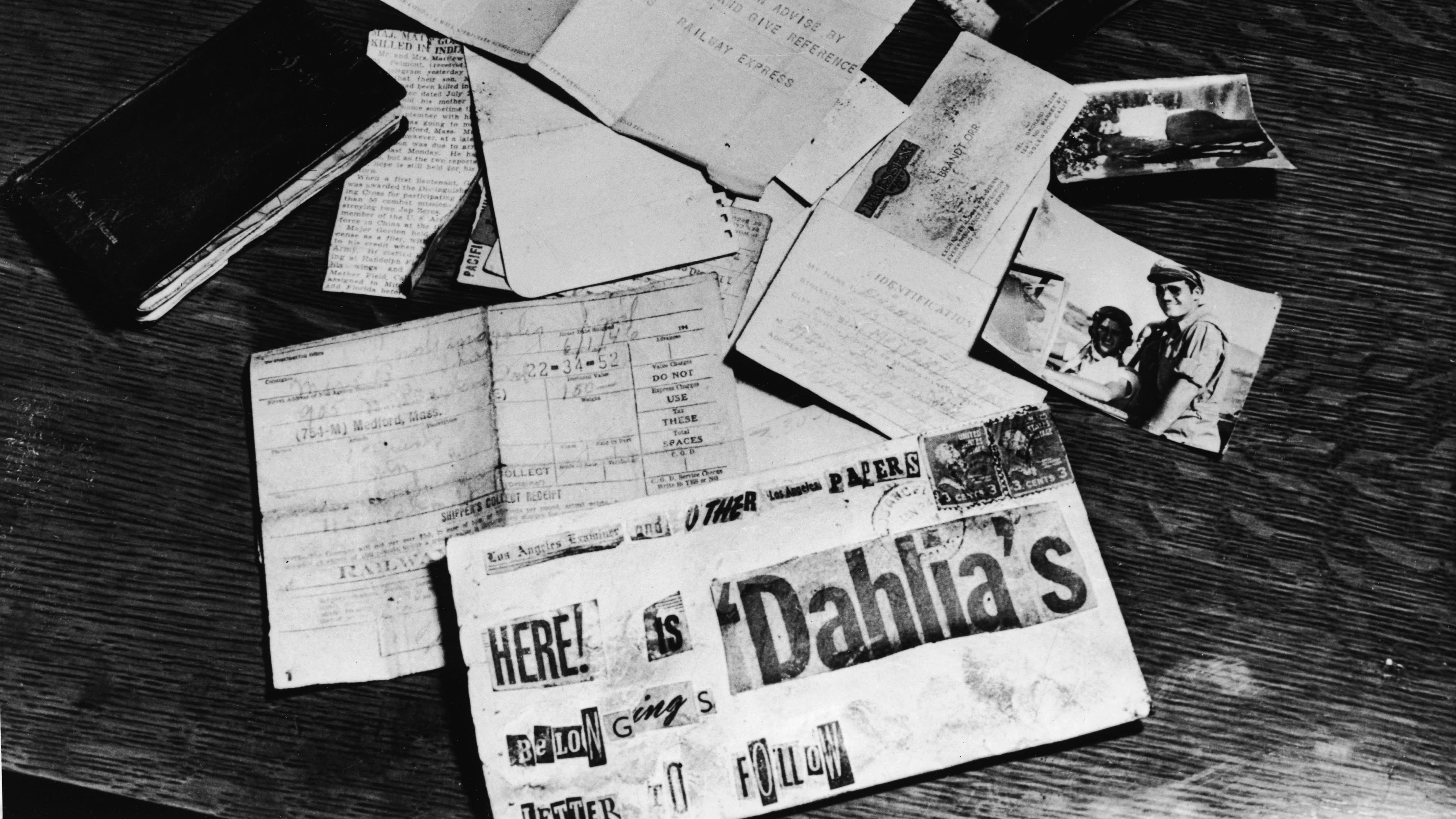
A key piece of evidence was an address book, which was mailed to a newspaper and contained names and phone numbers, but none of the leads produced a suspect. The case was marked by significant mistakes, according to the source material: the crime scene was not secured immediately, allowing onlookers and reporters to disturb the area, and the body was moved before a full forensic examination.

Over the years, several individuals confessed to the murder, including a man who later recanted, but none of the confessions matched the evidence. The LAPD also pursued a theory involving a medical student or doctor, given the surgical precision of the cuts, but no charges were ever filed. The investigation was hampered by a lack of physical evidence, as the killer had apparently taken care to leave no fingerprints or other traces.
There was no trial. No one was ever arrested, charged, or convicted of the murder of Elizabeth Short. The case was officially closed as unsolved, though it has been reopened and reviewed multiple times over the decades. In the years following the murder, police investigated numerous suspects, including a wealthy businessman and a doctor, but none were formally named as defendants. The case remains open in the sense that it has never been cleared, but no legal proceedings ever took place.
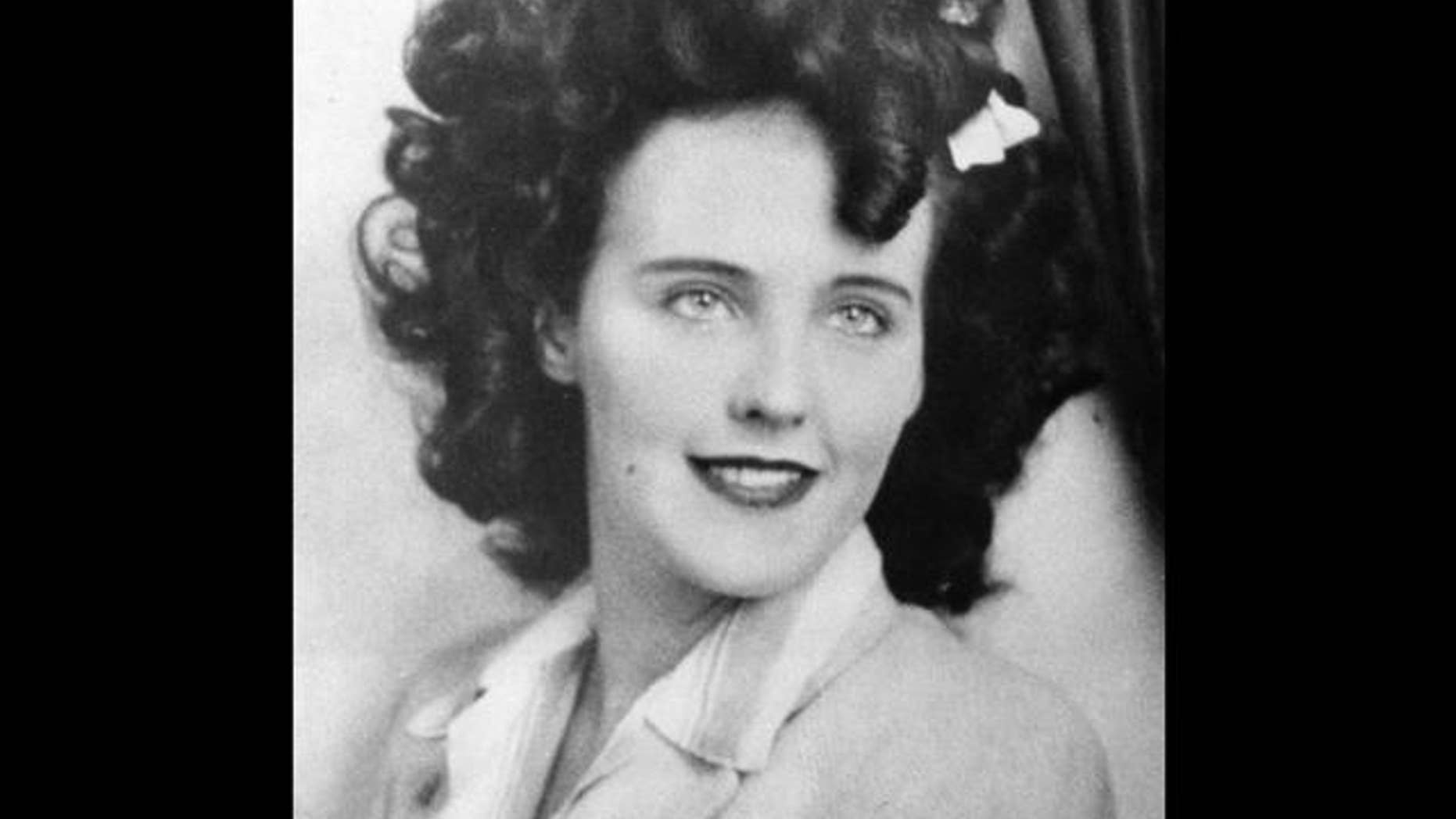
Elizabeth Short was buried in a cemetery in Oakland, California, in 1947. Her mother, who lived in Massachusetts, later had her remains moved to a family plot. The case has been the subject of countless books, films, and documentaries, and it continues to attract amateur investigators and professional cold-case analysts.
In recent years, the LAPD has stated that the case remains open but inactive, with no new leads. Several books have claimed to identify the killer, but none have been substantiated by official sources. The victim’s family has largely stayed out of the public eye, though they have occasionally spoken to the press.
What is still unknown is nearly everything about the killer’s identity and motive. The source material notes that no weapon or vehicle was widely reported, and no credible suspect has ever been named. The Black Dahlia murder remains a cultural touchstone, but no one has ever been brought to justice for the crime.
Advertisement
You may also like
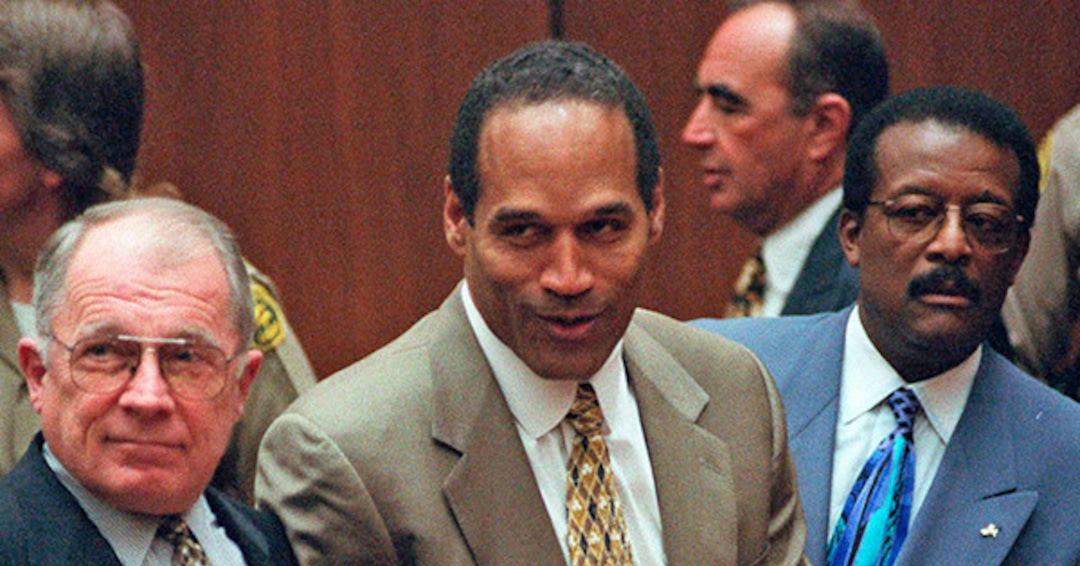
O.J. Simpson acquitted of 1994 murders of ex-wife Nicole Brown Simpson and Ronald Goldman
The verdict came after less than four hours of deliberation. On October 3, 1995, a Los Angeles jury found O.J. Simpson not guilty of…
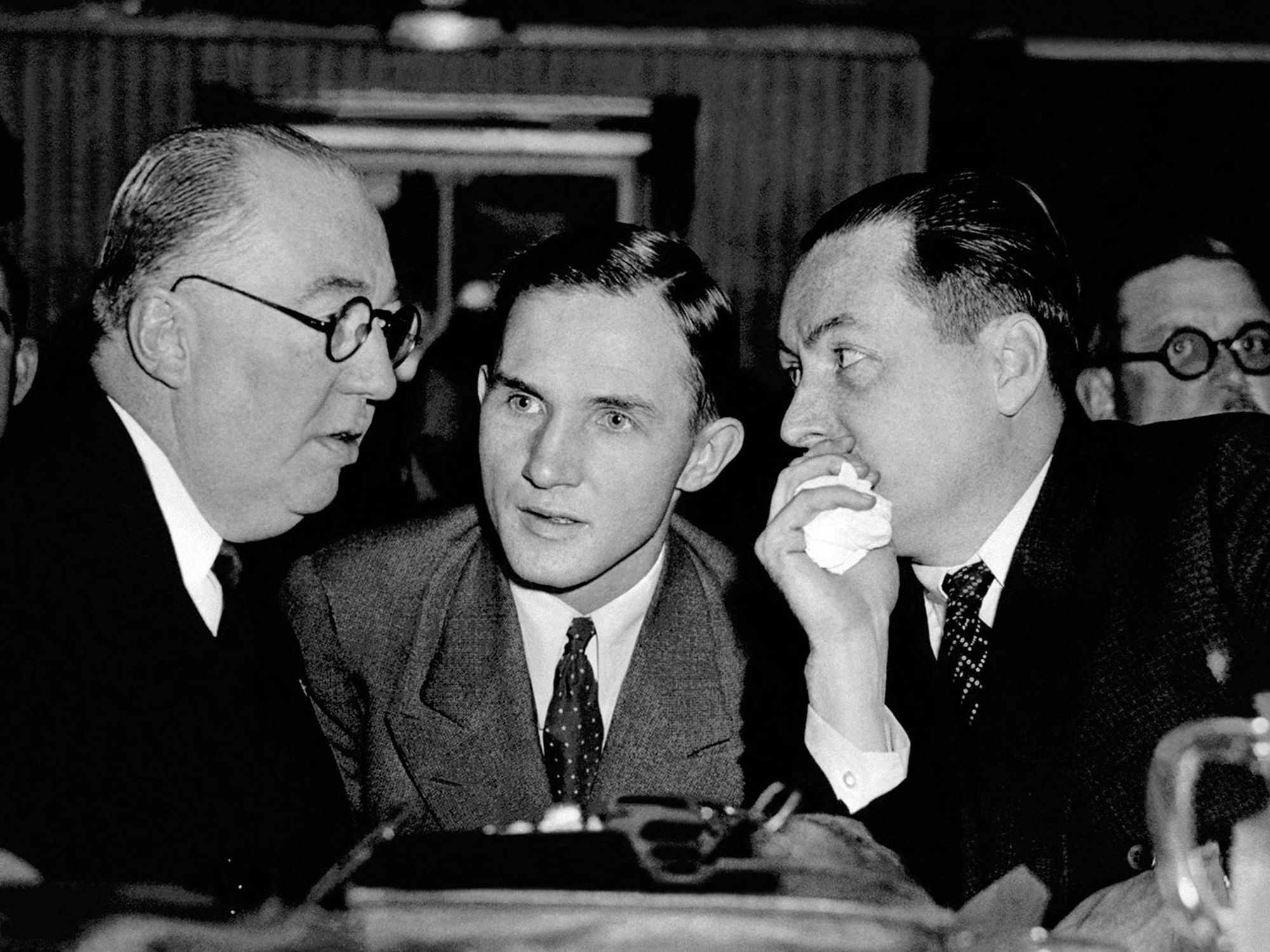
Lindbergh baby kidnapping: 20-month-old taken in 1932, Hauptmann convicted in 1935 trial
On the evening of March 1, 1932, Anne Morrow Lindbergh went to check on her 20-month-old son, Charles Lindbergh Jr., in the nursery of…
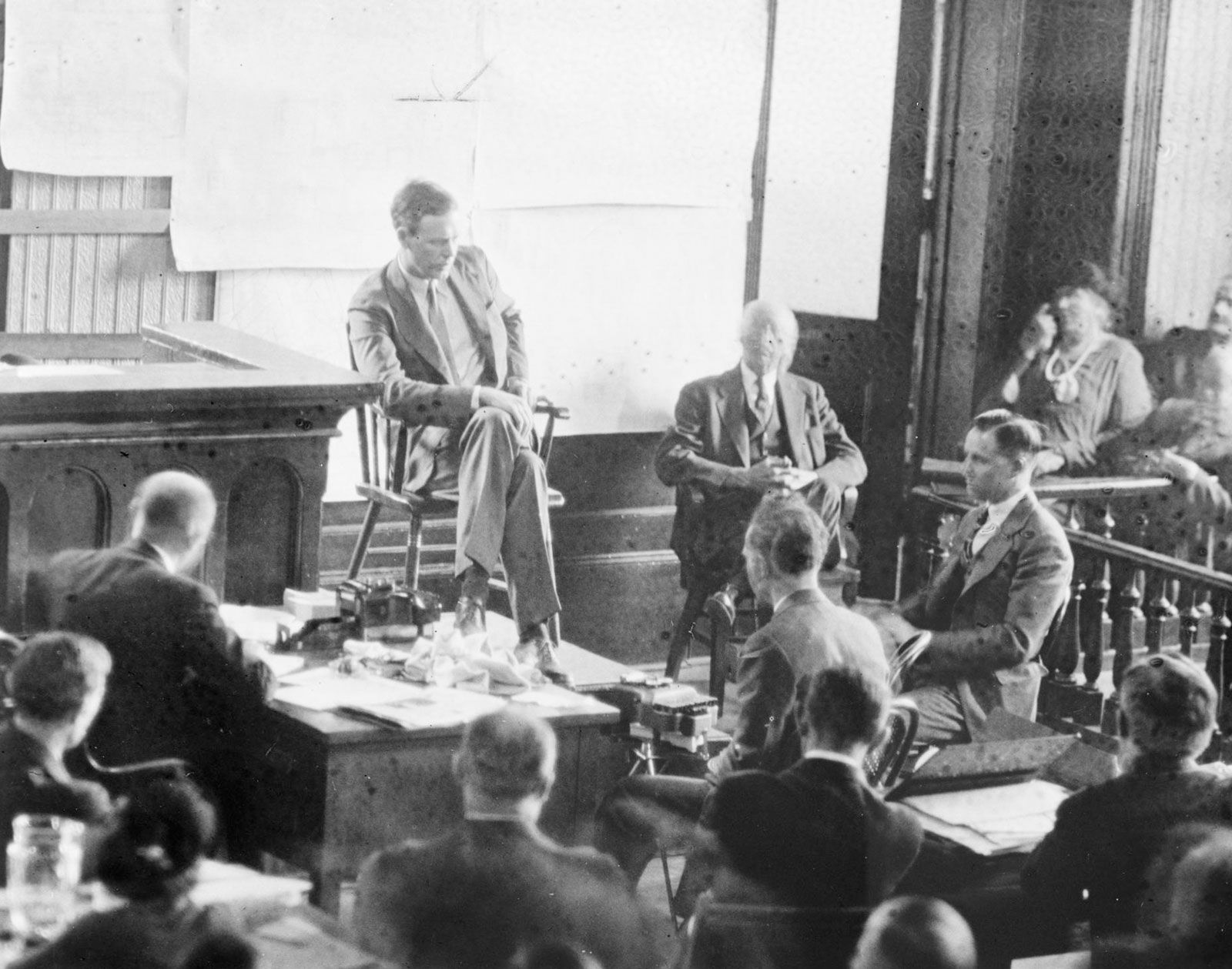
Lindbergh baby ransom paid, body found, Hauptmann convicted in 1935
On the evening of March 1, 1932, Charles Lindbergh Jr., the 20-month-old son of aviator Charles Lindbergh and author Anne Morrow Lindbergh, was taken…
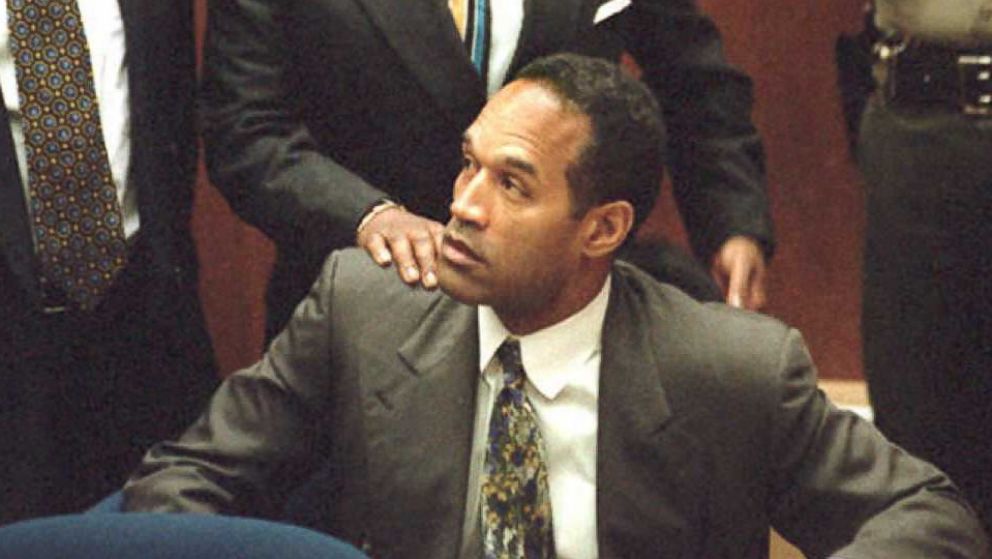
30 years on, OJ Simpson’s acquittal in Nicole Brown Simpson, Ron Goldman murders still haunts
Thirty years have passed since the verdict landed, and the case still will not let go. On October 3, 1995, O.J. Simpson was acquitted…
Sample post: how the reading page works
A sample post showing the Continue reading button and the ad slots.