Lindbergh baby kidnapping: 20-month-old taken in 1932, Hauptmann convicted in 1935 trial
On the evening of March 1, 1932, Anne Morrow Lindbergh went to check on her 20-month-old son, Charles Lindbergh Jr., in the nursery of the family's new home near Hopewell, New Jersey. Around 10 p.m., she discovered the child was missing from his crib. On the windowsill lay a ransom note demanding $50,000. Outside, leaning against the house, was a makeshift wooden ladder.
The child was the son of Charles Lindbergh, the first person to fly solo across the Atlantic, and Anne Morrow Lindbergh, an author. The case drew worldwide attention.

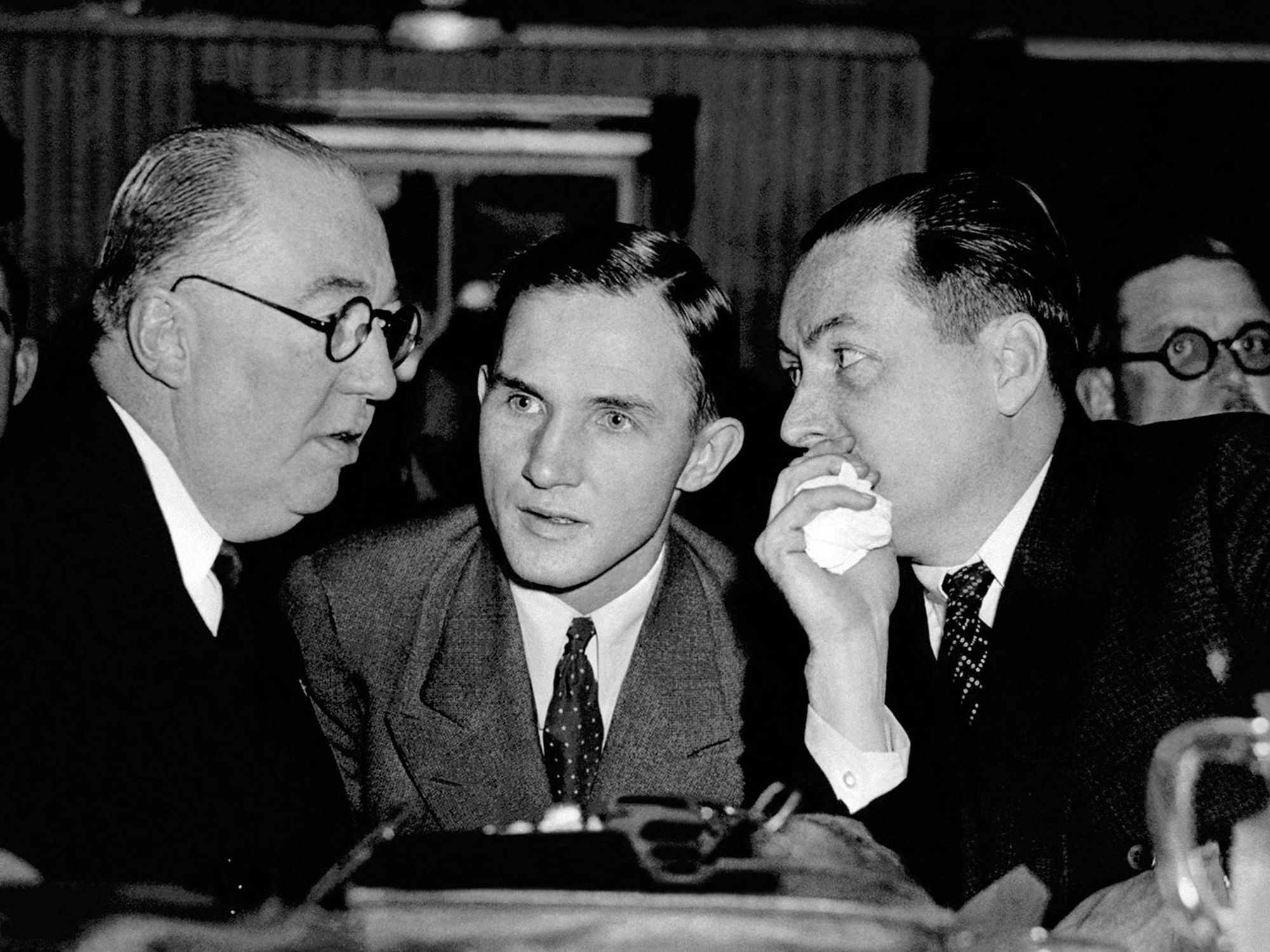
The investigation was chaotic from the start. Police and reporters trampled the crime scene, and the ladder was moved before it could be properly examined, according to the case files. More than a dozen ransom notes were analyzed for handwriting and paper. Dr. John F. Condon, a retired school principal, acted as an intermediary after placing a newspaper ad offering to help. He delivered $50,000 in gold certificates to a man he met in a Bronx cemetery, who identified himself as "John." The money was marked, and the serial numbers were recorded.
Despite the massive search and the payment of the ransom, the child's body was found on May 12, 1932, in a shallow grave about four and a half miles from the Lindbergh home. The cause of death was a skull fracture.

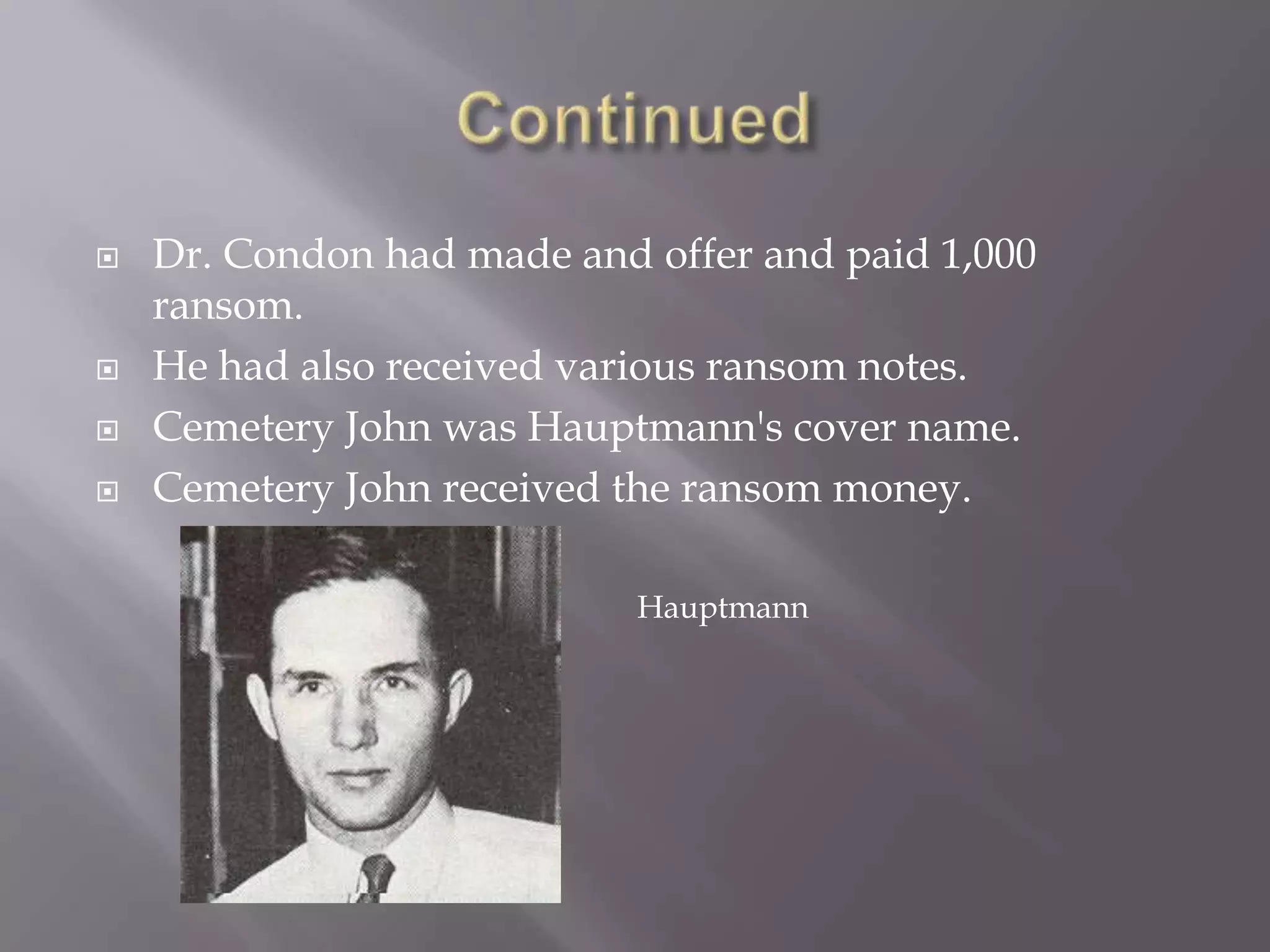
The case then stalled for over a year. In September 1934, a gas station attendant noticed a gold certificate and wrote down the license plate of the car that used it. That led police to Bruno Richard Hauptmann, a German immigrant carpenter. He was arrested on September 19, 1934. At his home, police found over $14,000 of the ransom gold certificates.
Key evidence at trial included the ransom money, handwriting analysis linking Hauptmann to the notes, and wood from the ladder that a forestry expert matched to wood in Hauptmann's attic. A major mistake by the defense was that Hauptmann's alibi—that he was working that day—was contradicted by his own employer.

The prosecution argued Hauptmann had climbed the ladder, taken the child, and accidentally dropped him, causing the fatal skull fracture. Hauptmann maintained his innocence, claiming a friend had left the money with him.
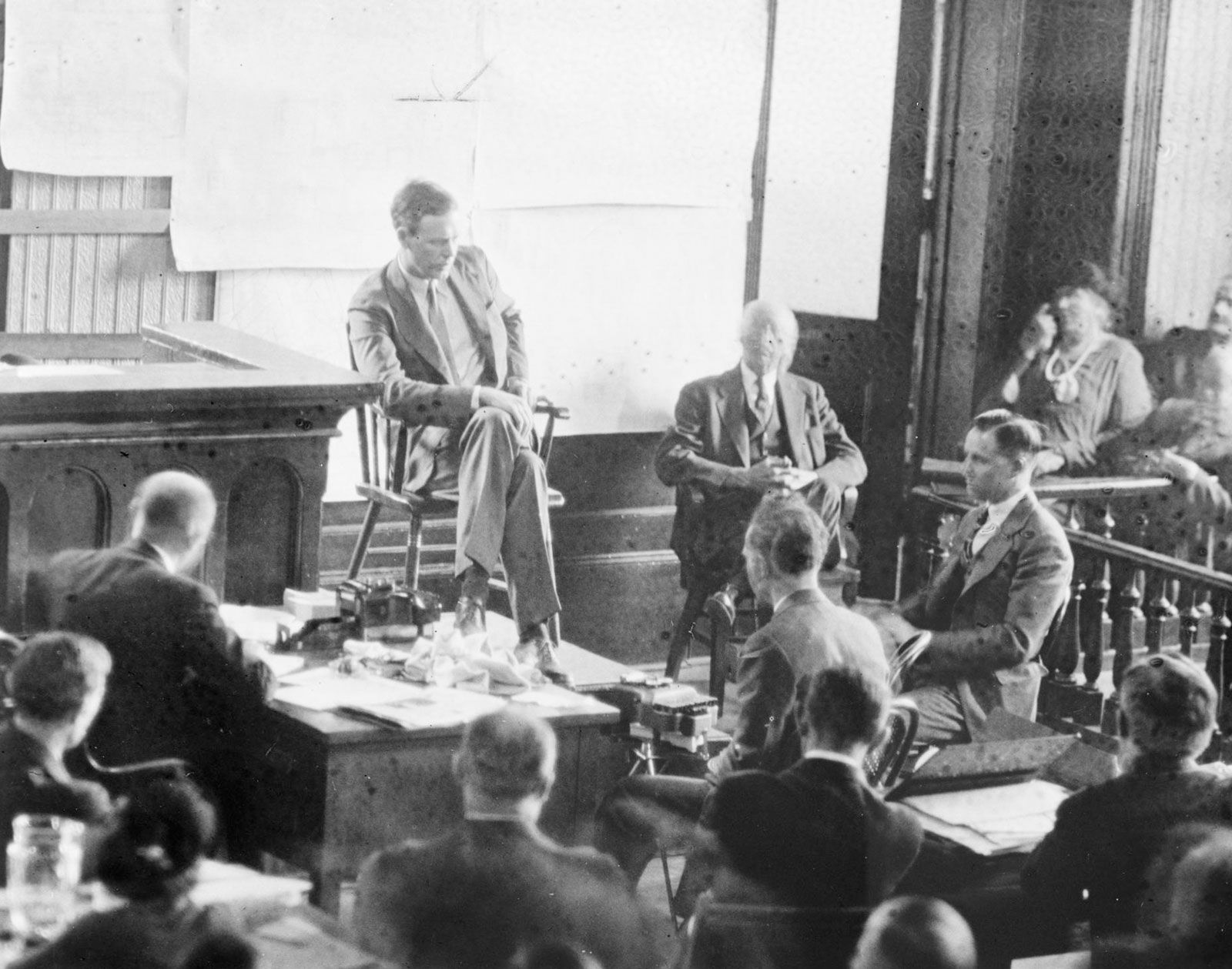
The trial began on January 2, 1935, in Flemington, New Jersey. Hauptmann was charged with murder. The trial lasted five weeks and was a media circus. The prosecution presented over 100 witnesses. The defense argued the evidence was circumstantial and that Hauptmann was framed.
On February 13, 1935, the jury found Hauptmann guilty of first-degree murder. He was sentenced to death. Appeals were filed and rejected. Hauptmann was executed in the electric chair at the New Jersey State Prison on April 3, 1936. He maintained his innocence to the end.
The case remains one of the most debated in American criminal history. Some later writers and researchers have argued that Hauptmann was innocent or that the evidence was mishandled, but no court ever overturned the conviction. The Lindbergh family left the Hopewell house and never returned. Charles and Anne Lindbergh had several more children and lived largely in Europe for a time to escape publicity.

The case led directly to the Federal Kidnapping Act of 1932, which made kidnapping a federal crime when it crosses state lines. The Lindbergh home was later donated to the state and eventually demolished. The case files remain in the New Jersey State Police archives. The family has generally declined to comment publicly on the case in recent decades.
What remains unknown is whether Hauptmann acted alone, and whether the ladder was truly the means of entry. No weapon was ever identified. The conviction stands, but the full story behind the kidnapping has never been conclusively settled.
Advertisement
You may also like
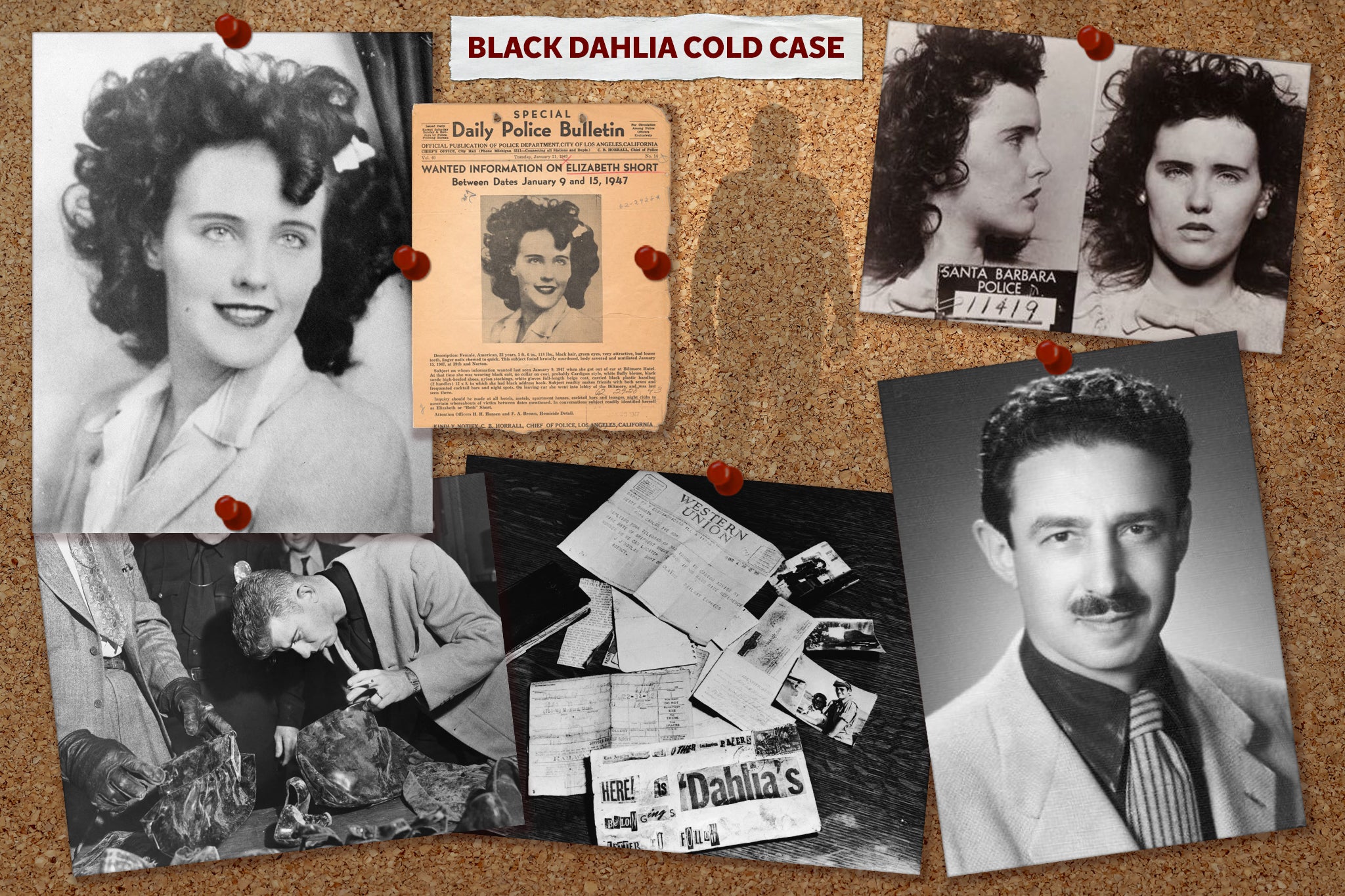
Black Dahlia murder unsolved 76 years on: no one ever charged in Elizabeth Short killing
On the morning of January 15, 1947, a woman’s body was discovered in a vacant lot in the Leimert Park area of Los Angeles.…
Lindbergh baby ransom paid, body found, Hauptmann convicted in 1935
On the evening of March 1, 1932, Charles Lindbergh Jr., the 20-month-old son of aviator Charles Lindbergh and author Anne Morrow Lindbergh, was taken…
30 years on, OJ Simpson’s acquittal in Nicole Brown Simpson, Ron Goldman murders still haunts
Thirty years have passed since the verdict landed, and the case still will not let go. On October 3, 1995, O.J. Simpson was acquitted…
Sample post: how the reading page works
A sample post showing the Continue reading button and the ad slots.