Lindbergh baby ransom paid, body found, Hauptmann convicted in 1935
On the evening of March 1, 1932, Charles Lindbergh Jr., the 20-month-old son of aviator Charles Lindbergh and author Anne Morrow Lindbergh, was taken from his crib in the second-floor nursery of the family’s home in Hopewell, New Jersey. The child’s nurse discovered him missing around 10:00 p.m. A ransom note demanding $50,000 was found on the nursery windowsill.
Lindbergh, already a global hero for his 1927 solo transatlantic flight, initially pursued negotiations with the kidnappers through an intermediary, a retired Bronx schoolteacher named John Condon, who published a newspaper offer to act as a go-between. A ransom of $50,000 was paid on April 2, 1932, in a Bronx cemetery, but the child was not returned.

On May 12, 1932, the body of the infant was found partially buried in woods about four and a half miles from the Lindbergh home. The cause of death was a skull fracture.
The investigation was marked by early missteps. According to the case record, the New Jersey State Police did not secure the crime scene immediately, allowing family, servants, and reporters to walk through the nursery. The ransom notes, including the original and the later payment notes, were preserved.

The key break came in September 1934, when a gold certificate from the ransom money was traced through a gasoline station in the Bronx. The attendant wrote down the license plate number of the car that had used the bill. That car was registered to Bruno Richard Hauptmann, a German-born carpenter and former convict who had immigrated illegally to the United States.
Police arrested Hauptmann at his home in the Bronx on September 19, 1934. In his garage they found over $14,000 of the ransom gold certificates.

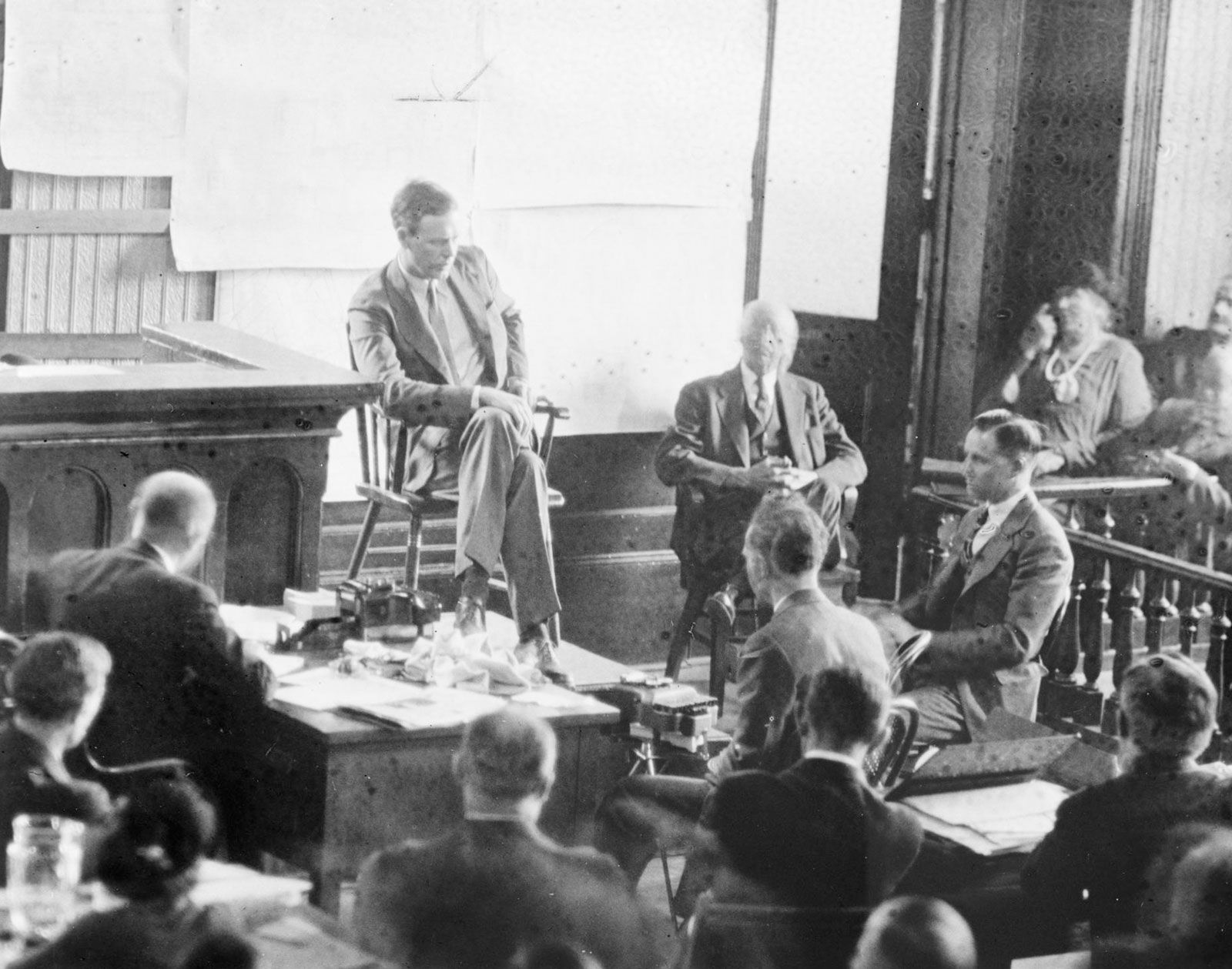
Hauptmann was indicted for murder and kidnapping. His trial began on January 2, 1935, in Flemington, New Jersey, and lasted five weeks. The prosecution was led by New Jersey Attorney General David Wilentz. Hauptmann’s defense attorney was Edward J. Reilly. The judge was Thomas W. Trenchard of the New Jersey Court of Oyer and Terminer.
At trial, the prosecution presented handwriting analysis linking Hauptmann to the ransom notes, testimony from wood experts that a ladder used in the kidnapping was built from wood matching planks in Hauptmann’s attic, and the testimony of Condon, who identified Hauptmann as the man who had received the ransom. The defense argued that the evidence was circumstantial and that Hauptmann was an innocent victim of a frame-up.

The defense called witnesses who placed Hauptmann elsewhere and challenged the forensic evidence. On February 13, 1935, the jury found Hauptmann guilty of first-degree murder. He was sentenced to death.
Appeals were filed and rejected, including a plea for clemency. Hauptmann was executed in the electric chair at the New Jersey State Prison in Trenton on April 3, 1936. He maintained his innocence to the end. The kidnapping charge was not separately tried because the murder conviction carried the death penalty.

Hauptmann’s conviction has remained controversial. Some later writers and researchers have argued that the evidence was flawed and that Hauptmann may have been innocent, or that he had accomplices. However, no court has ever overturned the conviction. A notable mistake in the case was the failure to properly preserve the ladder and the lack of a clear chain of custody for some evidence.
The case led to the passage of the Federal Kidnapping Act of 1932, commonly known as the Lindbergh Law, which made kidnapping across state lines a federal crime. The child’s death also prompted changes in how ransom cases were handled.
The Lindbergh family continued to live privately; Anne Morrow Lindbergh became a noted author. The Lindbergh home in Hopewell was later donated to the state of New Jersey and became a historic site, though the house itself was eventually demolished.
What is still unknown is whether Hauptmann acted alone. The conviction has never been overturned, but the debate over the evidence continues among historians. No court has reopened the case.
Advertisement
You may also like
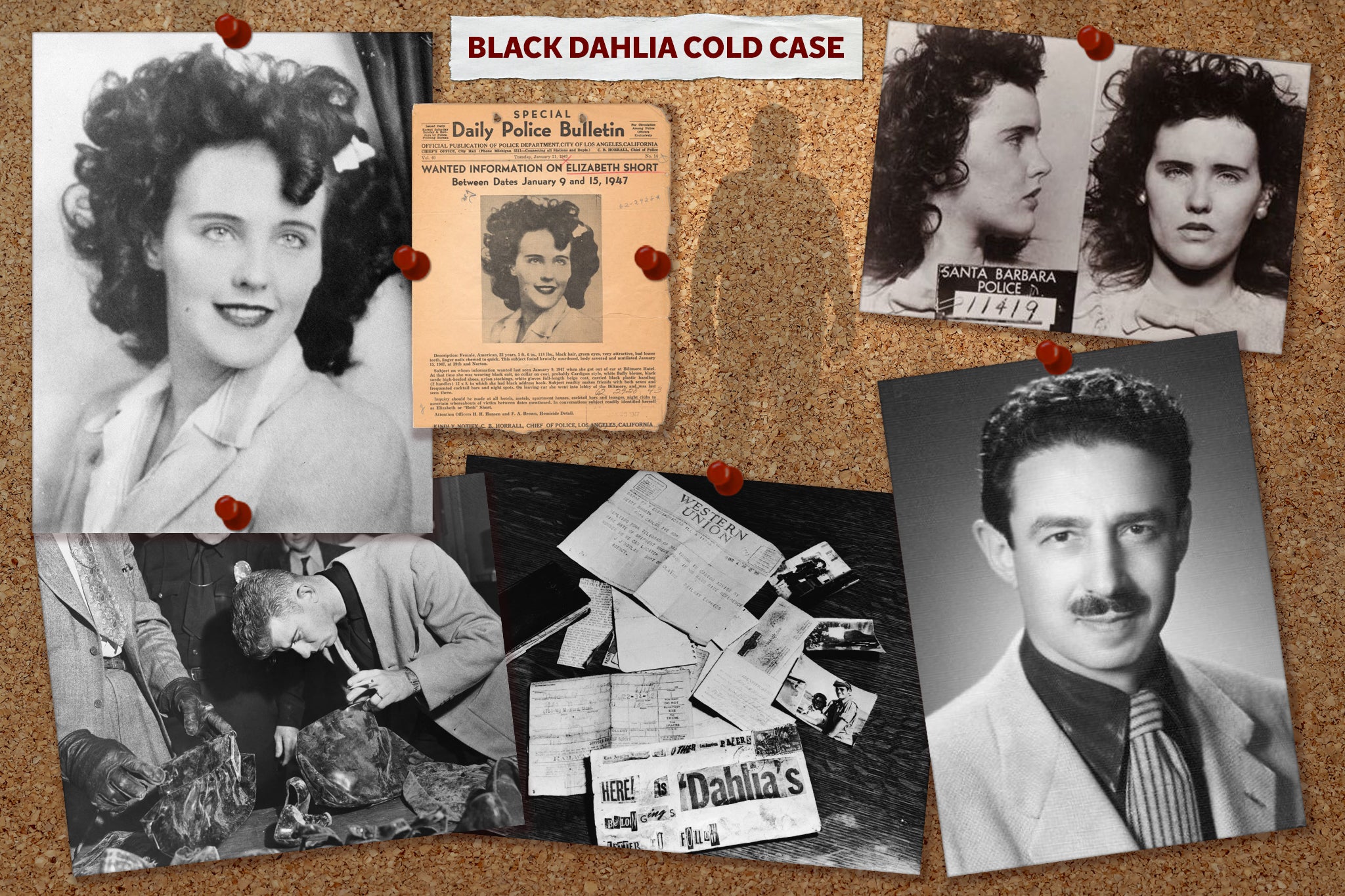
Black Dahlia murder unsolved 76 years on: no one ever charged in Elizabeth Short killing
On the morning of January 15, 1947, a woman’s body was discovered in a vacant lot in the Leimert Park area of Los Angeles.…
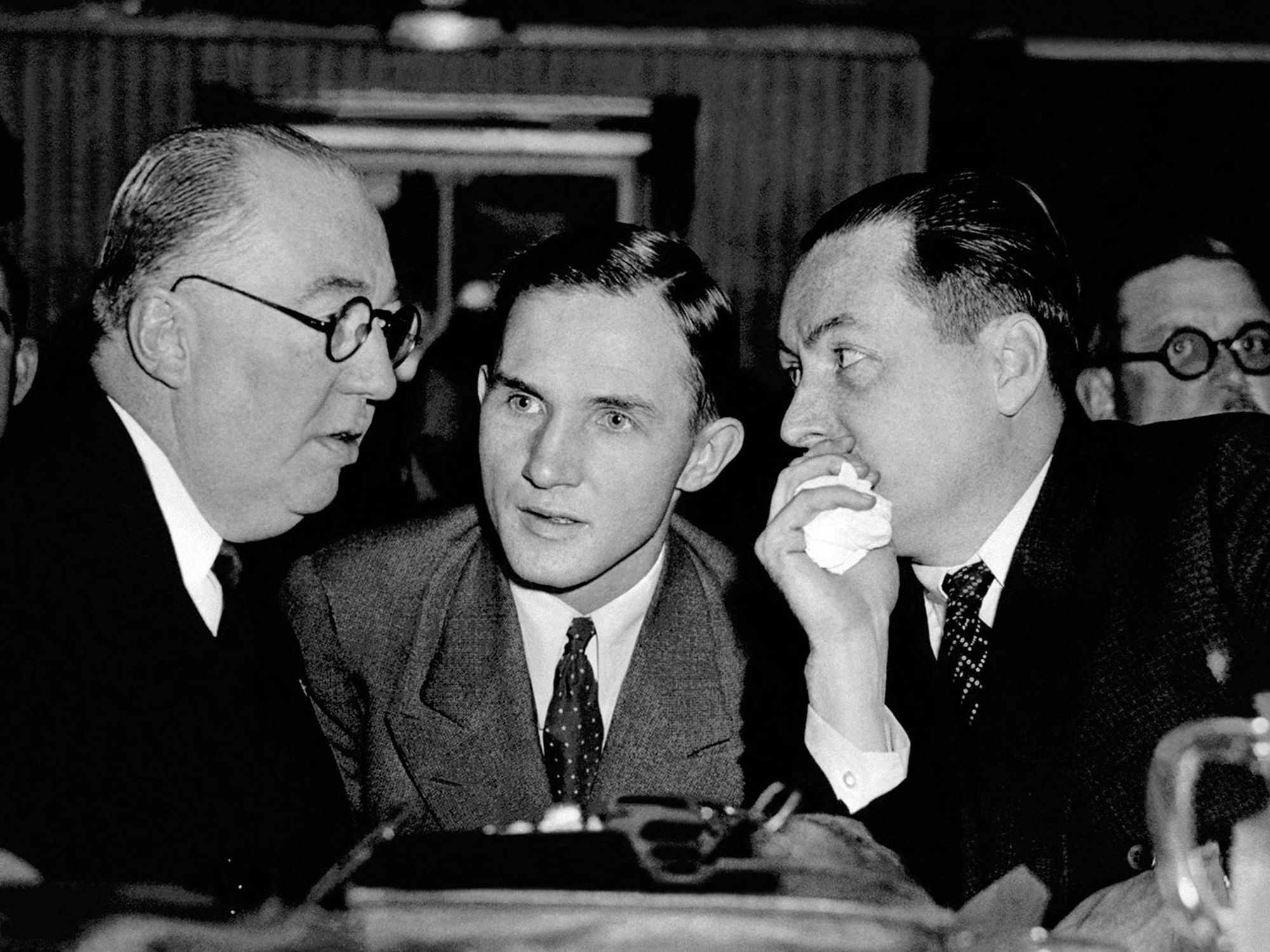
Lindbergh baby kidnapping: 20-month-old taken in 1932, Hauptmann convicted in 1935 trial
On the evening of March 1, 1932, Anne Morrow Lindbergh went to check on her 20-month-old son, Charles Lindbergh Jr., in the nursery of…
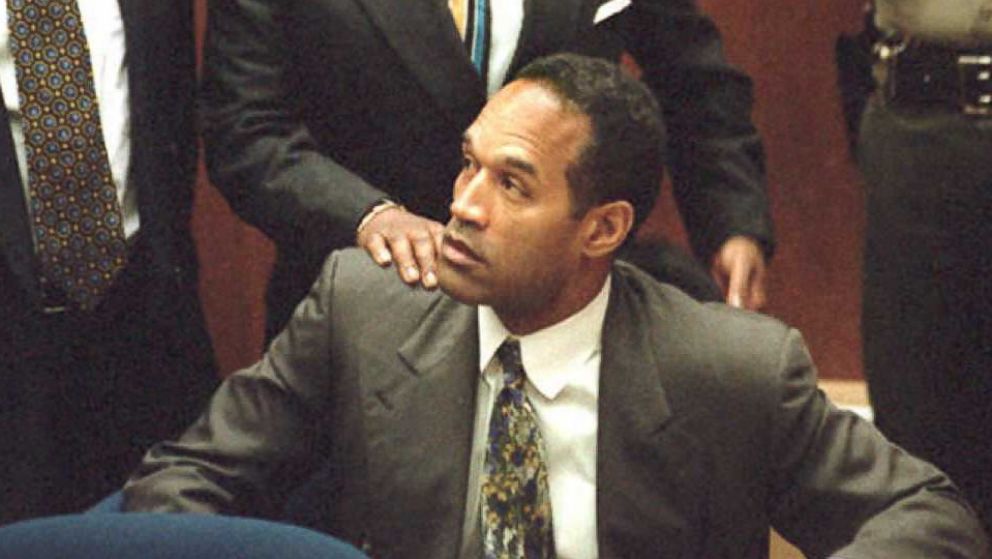
30 years on, OJ Simpson’s acquittal in Nicole Brown Simpson, Ron Goldman murders still haunts
Thirty years have passed since the verdict landed, and the case still will not let go. On October 3, 1995, O.J. Simpson was acquitted…
Sample post: how the reading page works
A sample post showing the Continue reading button and the ad slots.