A confession, a hunting knife, and the details only the killer could know in the 1964 Genovese case
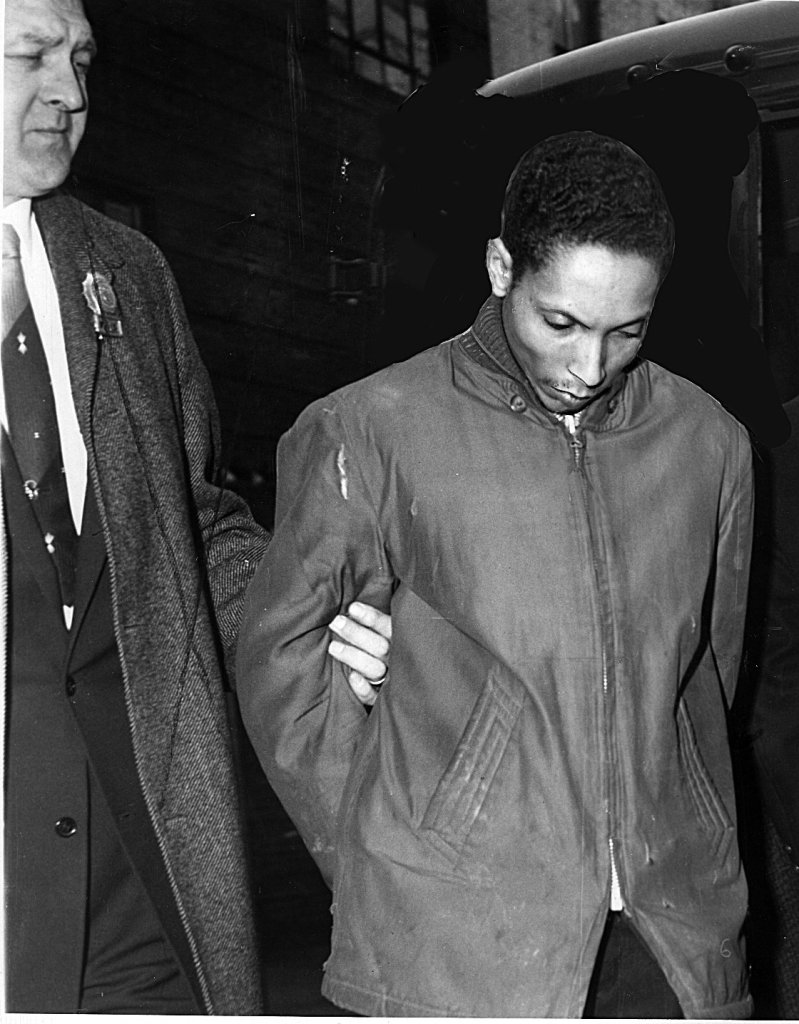
The knife was a hunting knife, and it was recovered only after the confessed killer led police to where he had disposed of it, according to the investigation record.
The confession came first, and it carried details only the killer could know.
The sequence of the attack.
The location of the body.
The case was built largely on that confession, the investigation record states, because there were no eyewitnesses who could positively identify the killer at the scene.
The attack itself happened in two separate phases over approximately half an hour outside an apartment building at 82-70 Austin Street in Kew Gardens, Queens, according to the case summary.
A neighbor shouted, the attacker fled, and then he returned.
The knife is a specific, unresolved object.
Who exactly disposed of it, and when, is not specified in the record.
The confession is precise.
The weapon is physical.
The record does not establish the moment the knife left the killer's hands or the path it took to the place where he led police.
What the record does establish is that he led them there, and that the knife matched the crime.
Was the confession true because it matched the knife?
Or did the knife matter because it matched the confession?
That would require evidence the record does not provide.
The case was decided on what the killer said and what he showed them.
The rest of the story begins with that object, and the man who said he knew where it was.
THE ARREST FOR BURGLARY
The arrest came on March 14, 1964, one day after the murder.
Winston Moseley was taken into custody not for the attack on Kitty Genovese, but for a separate burglary.
The investigation record places him in police custody for that lesser crime.
During questioning for that burglary, Moseley confessed to the Genovese murder.
The confession was sudden, and it was specific.

The murder itself happened in the early hours of March 13, 1964.
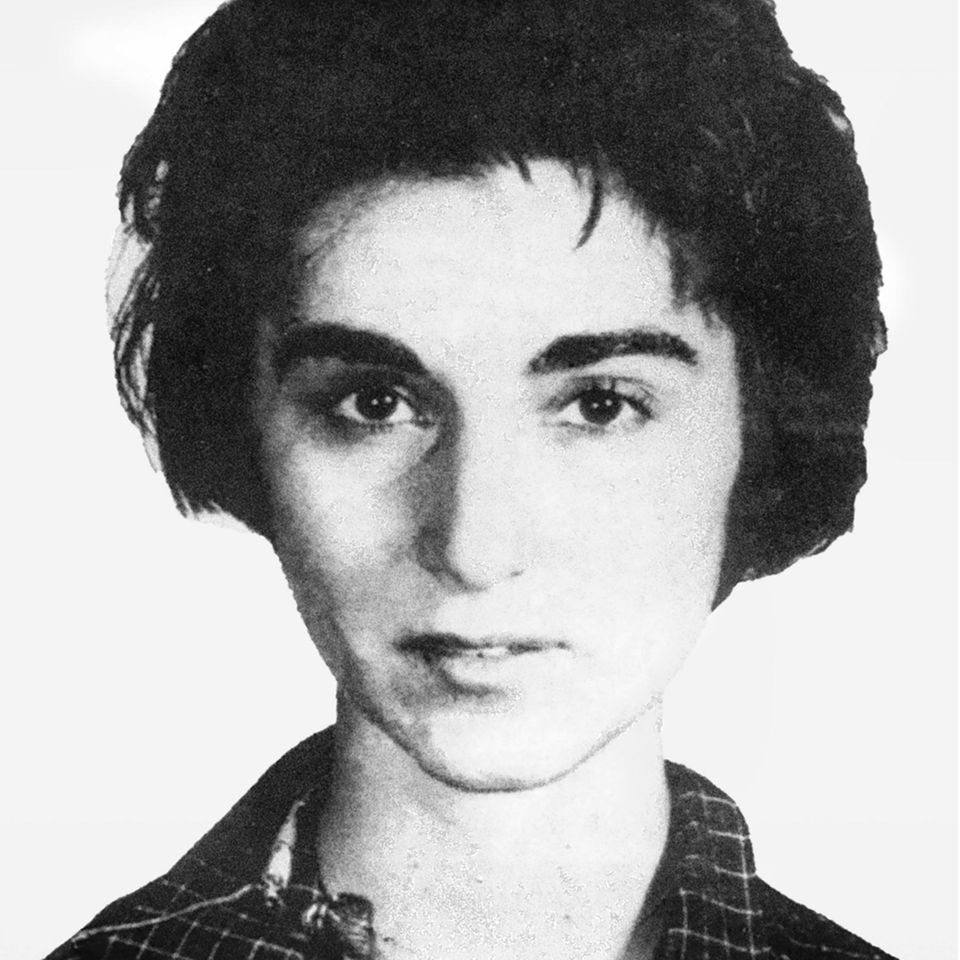
Kitty Genovese was 28 years old, a bar manager returning home from work.
She was attacked outside her apartment building in the Kew Gardens neighborhood of Queens.
A neighbor shouted from a window during the attack.
The attacker fled temporarily.
He returned and continued the assault.
She died from her wounds.
Why did he confess?
Why, while being questioned about a burglary, did he volunteer a murder?
What did he say that made the detectives believe him?
That would require evidence the record does not provide.
The exact content of that burglary questioning is not in the record.
What prompted the confession is not in the record.
But the confession happened, and it changed everything.
The case would be built on what he said next.
THE CONFESSION AND THE KNIFE
The confession was the key evidence, and it came with details only the killer could have known.
The sequence of the attack.
The location of the body.
Those details were in the record, and they matched what investigators found.
Moseley also led police to the murder weapon, a hunting knife, which he had disposed of.
It was recovered.
The case was built largely on this confession, the investigation record states.
There were no eyewitnesses who could positively identify Moseley at the scene.
Not one.
The lead detective of the NYPD led the investigation.
The exact location where the knife was found is not in the record.
The precise wording of the confession is not in the record either.
But the knife existed, and the details fit.
Was the confession enough?
Was the knife enough?
Without a positive eyewitness identification, how much weight did a confession carry?
That would require the trial record.
The confession was decisive in the investigation.
The knife was decisive in the investigation.
What the record does not establish is how the two stood alone.
THE TRIAL AND THE INSANITY DEFENSE
The trial opened in June 1964.
Winston Moseley was charged with first-degree murder in the death of Catherine “Kitty” Genovese.
The prosecution presented Moseley’s confession and the recovered hunting knife.
The defense argued that Moseley was legally insane.
Moseley testified that he had killed Genovese.
He described the attack in detail from the witness stand.
The jury heard his words, then rejected the insanity defense.
They found Moseley guilty of first-degree murder.
The judge sentenced him to death.
In 1967, the New York Court of Appeals overturned the death sentence.
The court ruled that the trial judge had erred in his instructions to the jury.

The specific nature of that instructional error is not detailed in the record.
What the record shows is the outcome: Moseley was resentenced to life in prison.
The conviction stood.
The confession stood.
The knife stood.
What the record does not establish is why the instructions failed.
That would require the appellate opinion in full.
It is not in the record.
AND THE STORY STILL ISN'T OVER
Moseley stayed in prison for the rest of his life.
He was denied parole multiple times, according to the prison record.
He died in prison on March 28, 2016, at the age of 81.
The case did not end with his conviction.
A 2004 documentary and a 2016 book re-examined the murder.
They corrected the record on the number of witnesses and the police response, according to later investigations.
The original newspaper report claimed that 38 witnesses saw or heard the attack and did nothing.
That narrative was later substantially revised.
The exact number of actual witnesses is not fully established in the record.
The specifics of the police response are not fully established either.
The '38 witnesses' claim is a later-revised narrative, not established fact.
The site of the murder, the Kew Gardens apartment building, has been demolished.
What remains is the confession and the recovered knife.
Those are the details only the killer could know.
Everything else is a story that changed after the fact.
Advertisement
You may also like
The $50,000 ransom note found on a nursery windowsill — and the carpenter who would stand trial
The nursery window was open. On the evening of March 1, 1932, Charles Lindbergh Jr., the 20-month-old son of aviator Charles Lindbergh and Anne…
The bedspread fibers that tied Wayne Williams to two Atlanta river murders
He was 23, a freelance photographer and music promoter, stopped on a bridge over the Chattahoochee River. The sound came first: a loud splash,…
The $100,000 payment for eleven children's graves that haunted a Canadian police force
November 1980. A child disappears from a community in British Columbia's Lower Mainland. The record does not give a specific date for that first…
The blood-written word that turned a mother into a voice for victims
The housekeeper arrived that morning and found the front door marked with a word written in blood. The word was "PIG." On the night…

Coco Gauff Fights Back After Racist Abuse Over Replayed Point at China Open
Coco Gauff shared a post on X hitting back at racist abuse she received online after her China Open win over Sun Xinran in…

NHL Hart Trophy: Oilers' Bouchard, Senators' Stutzle Lead Early Rankings
The 2026-27 NHL regular season is officially a week old, and every team has played multiple games, according to thehockeynews.com. Andre Leal of thehockeynews.com…