The confession Ottis Toole made four times that police still wouldn't believe
He said he did it. Then he said he didn't.
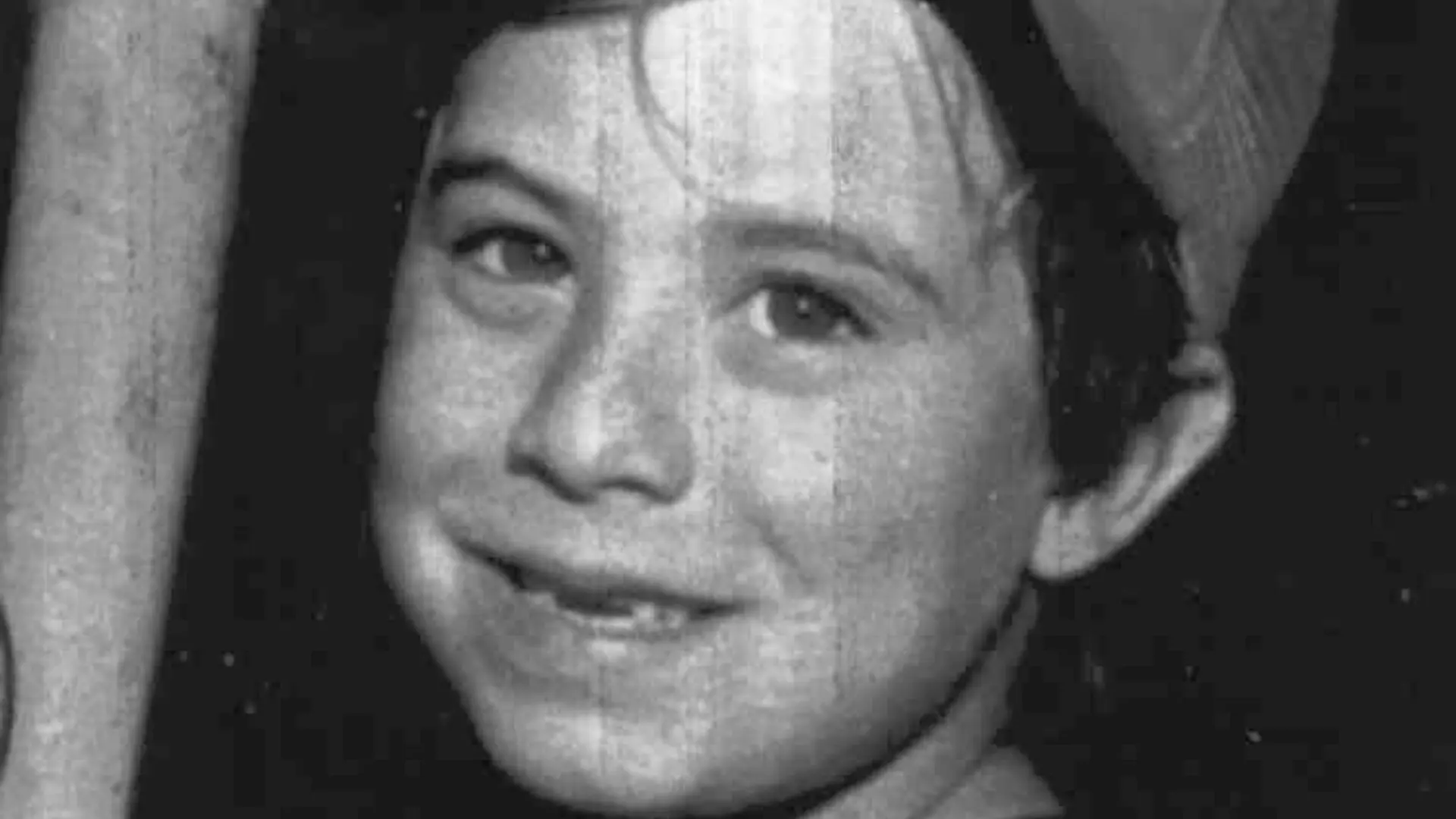
Ottis Toole was a serial killer. He confessed to the murder of six-year-old Adam Walsh multiple times. His confessions were inconsistent, and he later recanted them.
The exact content of each confession is not in the record. Only that they shifted, and that he took them back.
Toole was never charged with Adam's murder. Prosecutors doubted the reliability of his statements.
He died in prison in 1996 while serving sentences for other murders. The case remained officially unsolved for over a quarter-century.
A man who said he killed a child, and the police who would not believe him. Why?
Was the confession too wild? Too convenient? Too late?
That would require evidence, and the record does not provide it. What the record shows is a gap: a confession that would not stick, and a case that stayed open.
He was already serving time for other killings. Charging him might have changed nothing. Convicting him might have changed everything.
The frustration sits in that space. A statement made, a statement doubted, a statement withdrawn.
The boy's body was never found. The confession was not enough.
The case sat there. For twenty-five years, it sat there.
Toole was gone by then, dead of natural causes at Florida State Prison. No trial. No verdict. No closure from a courtroom.
Just the confession that wouldn't stick, and the question of why it didn't.
THE ABDUCTION AND THE SEVERED HEAD
His mother had looked away for a moment.
A moment was all it took.
On July 27, 1981, six-year-old Adam Walsh was abducted from the Sears department store at the Hollywood Mall in Hollywood, Florida, while his mother, Revé Walsh, shopped nearby.
The store was crowded. He was watching a video game display, and then he was gone.
For seventy-five days, there was no answer.
On October 10, 1981, a fisherman found a severed head in a drainage canal along Florida's Turnpike near Vero Beach.
It was roughly 120 miles from the abduction site.
It was Adam's head.
His body was never found.
The medical examiner determined the cause of death was decapitation.
The exact manner of death was never conclusively established.
Not how. Not why. Not who, for more than a quarter-century.
The head itself was the only physical remnant of the boy, and it told the investigators only so much.
It told them he was dead.
It did not tell them how he died, or where, or with whom he spent his final hours.
Those questions remained open.
They remained open for twenty-five years.
THE FLAWED INVESTIGATION AND THE FOUR CONFESSIONS
The first mistake was the frame.
Police initially treated the case as a custody dispute, not an abduction.
That framing shaped everything that followed.
Adam's father, John Walsh, was briefly considered a suspect.
He was cleared.
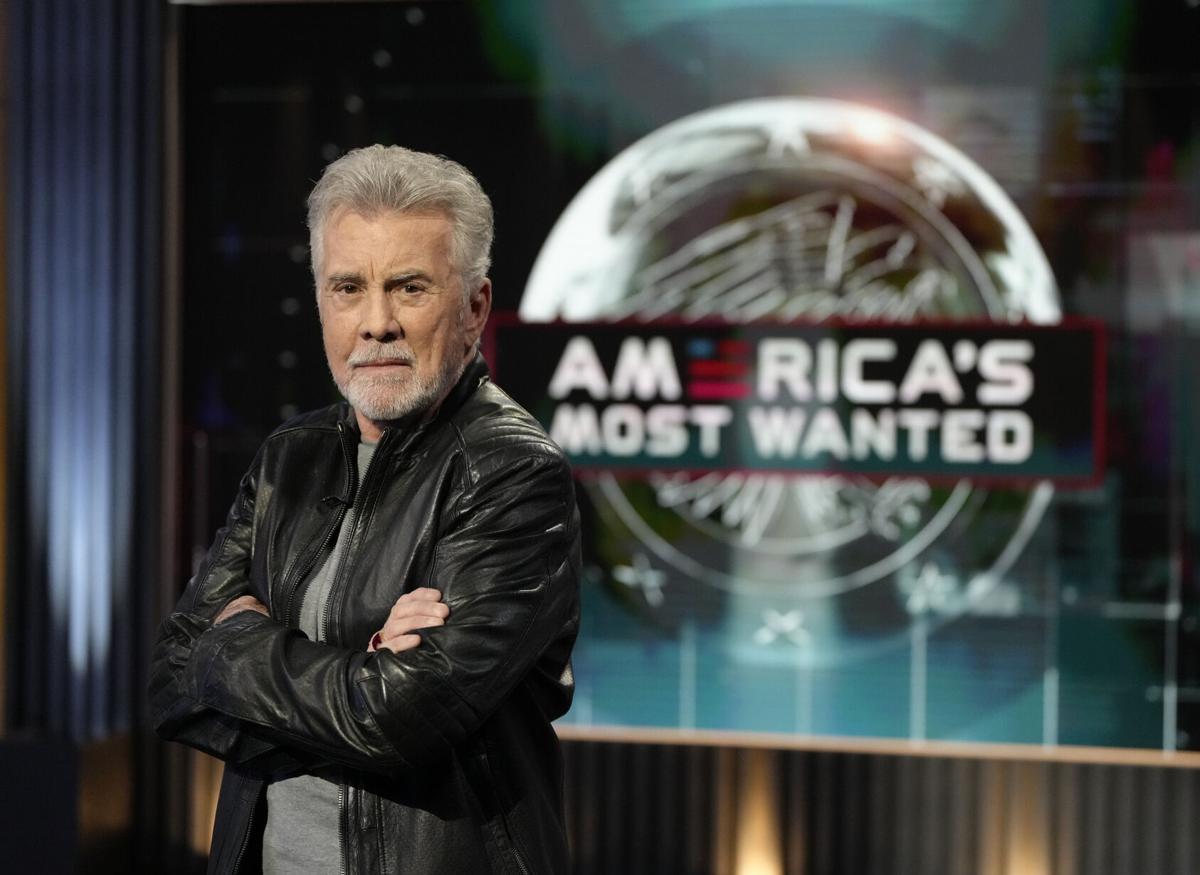
But the early errors left a stain on the file, and the file stayed open.
Ottis Toole confessed to the murder on multiple occasions.
The exact number of confessions is not specified in the source; it says "multiple occasions."
Each confession was a statement of guilt.
Each confession was also inconsistent.
He described details that shifted.
He changed the story.
He later recanted.
Prosecutors doubted the reliability of his statements, and that doubt carried weight.
Toole was never charged.
Not because the confessions were absent.
But because the confessions could not hold their shape.
A confession that bends is a confession that breaks.
A confession that breaks is a confession that prosecutors cannot carry into a courtroom.
Toole died in prison in 1996, serving sentences for other murders.
The confession went with him.
The case went nowhere.
John Walsh remained a suspect in the public mind long after he was cleared, and that too was a weight.
The investigation stalled.
The errors compounded.
The opportunities slipped.
A man said he did it.
He said it more than once.
He said it and then he unsaid it.
And the record could not decide which version to believe.
That is the tragedy of the missed opportunity: not that the confession was false, but that it was never trusted enough to test.
It was not established, at the time, that the confessions were true.
It was not established, at the time, that they were false.
The record simply left the question open, and the open question outlasted the man who answered it.
THE REOPENING AND THE CADILLAC
In 2006, the lead detective reopened the case.
He located Toole's niece and other witnesses who provided new statements.
Police also recovered Toole's car, a Cadillac, which had been impounded and preserved.
It had sat in an impound lot for years, untouched.
The car held what the confessions never could.
In 2008, police announced that physical and circumstantial evidence, including fibers and blood found in the car, tied Toole to the murder.
The case was officially closed in December 2008.
Police declared Toole was the killer.
The specific nature of the new witness statements is not detailed in the source.
The exact fibers and blood evidence are not detailed in the source.
What the record establishes is the announcement, not the laboratory work behind it.
The relief of closure arrived twenty-seven years after the abduction.
It arrived twelve years after Toole died at Florida State Prison.
No prosecution was possible.
No trial would test the evidence.
The declaration came from the police, not a jury.
It is a closure built on physical evidence and witness statements, not on the confessions alone.
The confessions remained inconsistent and recanted.
The car did not recant.
It simply sat, preserved, until someone looked inside.
The question the record leaves open is why that look took so long.
AND THE STORY STILL ISN'T OVER
The case is closed.
The Hollywood Police Department declared in 2008 that Ottis Toole was responsible for Adam Walsh's death.
That declaration came twenty-seven years after the abduction, and twelve years after Toole died at Florida State Prison.
No prosecution was possible.
No trial was held.
No verdict was read.
The Walshes did not get a day in court; they got a closing announcement.
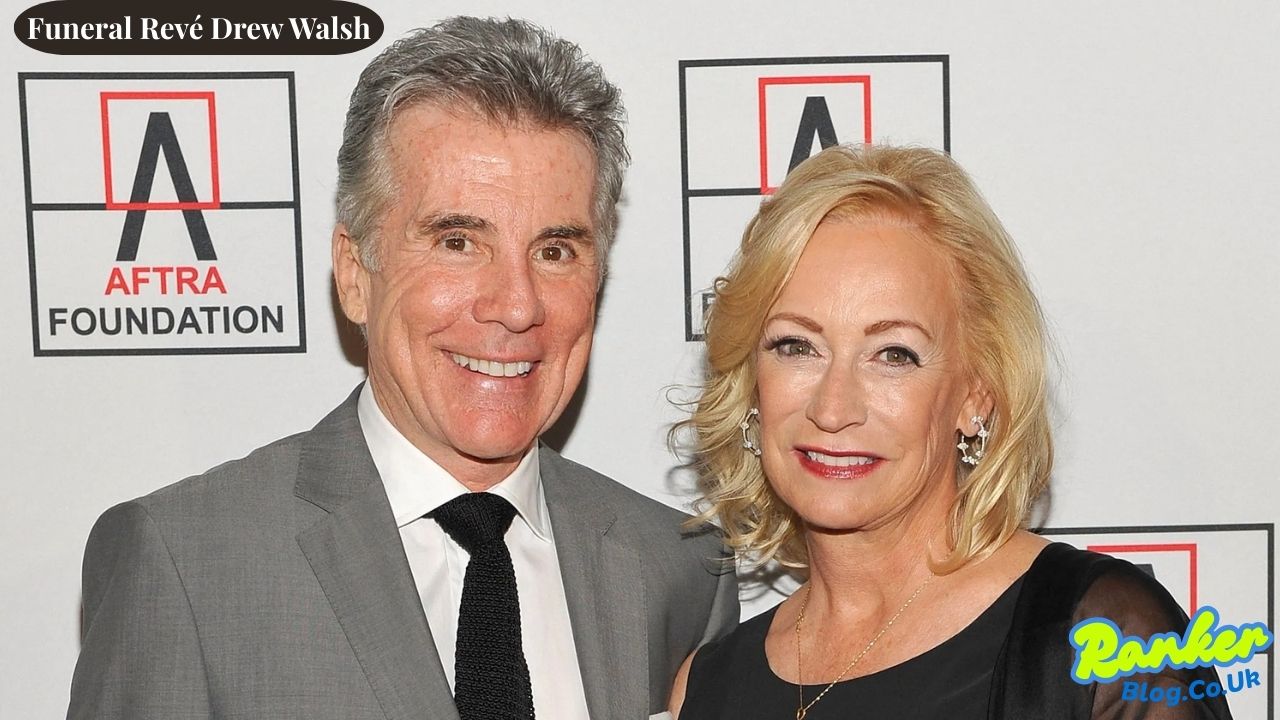
John Walsh hosted "America's Most Wanted" for decades, turning his loss into a national hunt for fugitives.
Revé Walsh worked in victim advocacy, helping others carry what she carried.
The family has stated they accept the police conclusion that Toole was the killer.
Not because the confessions were clean.
But because the physical evidence and witness statements, gathered in the reopened investigation, pointed to him.
The case is widely credited with changing how missing-children cases are handled in the United States.
It contributed to the creation of the National Center for Missing & Exploited Children, which the Walshes helped found.
A six-year-old boy was taken from a department store.
A legacy was built from that absence.
No further legal steps are pending.
The case is closed, and that is a fact, not a theory.
What remains is the record: the confessions that wavered, the car that held its evidence, the declaration that came too late for a courtroom.
Toole answered for other murders.
He never answered for this one.
The family accepted the finding.
The file is shut.
The story is over, except for everything it changed.
Advertisement
You may also like
The fishing boat Scott Peterson bought weeks before his pregnant wife vanished
The boat was 14 feet of aluminum, and Scott Peterson bought it in late November 2002. That was weeks before his pregnant wife Laci…
The bloody glove that didn't fit: how a detective's tape destroyed the prosecution's case
He held them up for the jury to see. Two leather gloves, dark against his hands. One found on Bundy Drive, where Nicole Brown…
The 1947 clipping found near Elizabeth Short that led nowhere
The morning of January 15, 1947, began with a woman walking her daughter past a vacant lot at 39th Street and Norton Avenue. She…
The gun that put Keffe D in the Cadillac — and the plea deal he says should free him
The motion landed in February 2025, in a Clark County courtroom, and it hinged on a piece of paper filed nearly two decades earlier.…
The 340-symbol cipher cracked in 2020 — and the message that still names no one
In December 2020, a team of codebreakers announced they had cracked the 340-symbol cipher. David Oranchak, a software developer, and Sam Blake, a mathematician…
The misread clue that derailed the Tate murder probe for months
Five people were found dead at 10050 Cielo Drive in Benedict Canyon on the morning of August 10, 1969. Among them was actress Sharon…