The DNA match in 2001 that reopened the Green River case after a 1987 saliva sample stalled
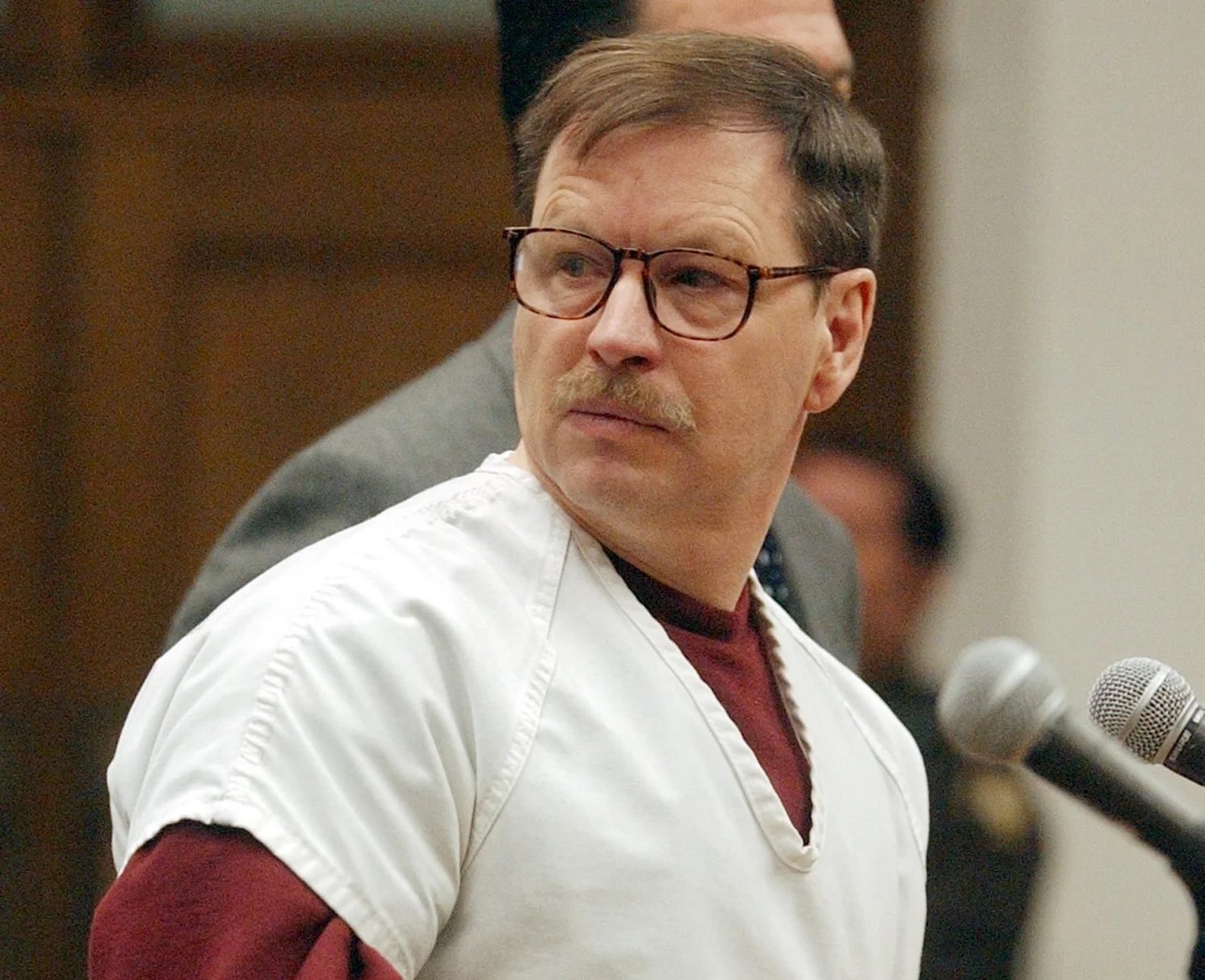
In 1987, a man was questioned and gave a saliva sample.
The DNA technology of the time could not link him to the murders.
The sample was stored, filed, and left to sit for fourteen years.
In 2001, that same saliva sample was retested.
It matched semen found on several victims.
The man was Gary Leon Ridgway, a truck painter from Auburn, Washington.
He was married, employed, and lived an outwardly ordinary life.
The case itself had a name long before he did: the Green River Killer investigation.
It began in 1982, when bodies were found along the Green River.
The exact number of Ridgway's victims is not established.
Investigators believe the true number may be higher than the 48 he confessed to.
That remains a belief, not a record.
What the record does establish is a single, specific detail: a saliva sample that sat for 14 years.
What changed was the testing.
What changed was the match.
Who gave the sample? That was Ridgway.
Why did it take so long? That would require evidence.
1982–1987: THE STALLED SEARCH
The first bodies were found along the Green River in 1982.
They were young women, most of them sex workers, runaways, and drug users in the Seattle–Tacoma area.
The case became known as the Green River Killer investigation.
Detectives, led by the lead detective of the King County Sheriff’s Office, formed a task force.
At times it included dozens of officers.
They searched the riverbanks. They interviewed witnesses. They chased tips.
The case stalled for years.
In 1987, a man was questioned.
He gave a saliva sample.
The DNA technology at the time was insufficient to link him to anything.
So he left the room.
What exactly was discussed during that 1987 questioning is not in the record.
The interviews continued. The searches continued. The river gave up more bodies.
Each discovery reset the clock. Each victim narrowed the margin.
The task force kept working, but the trail had gone cold.
Not because they stopped looking. Because they had nothing to test against.
The sample sat in a file. The case sat in a drawer.
Years passed. The women kept being found. The suspect kept living an ordinary life.
It was a frustration the record does not soften: a suspect in the room, and no way to prove it.
2001: THE MATCH
The saliva sample from 1987 had sat in a file for fourteen years.

In 2001, improved DNA testing matched that saliva to semen found on several victims.
The match was the link the case had lacked.
Gary Ridgway was arrested on November 30, 2001.
The arrest came after years of stalled searches and interviews.
During interrogation, Ridgway confessed to dozens of murders.
He provided details only the killer would know.
He led investigators to additional body sites.
The exact number of victims he led investigators to is not specified in the record.
That remains unestablished.
Paint chips and other trace materials from his workplace were examined.
DNA was the decisive factor.
The science had caught up to the suspect.
The man who had given a sample in 1987 was now charged.
The case moved from the file to the courtroom.
THE PLEA AND THE TRIAL
The charge was 48 counts of aggravated first-degree murder.
The case file records that number, counts laid one by one.
In November 2003, he pleaded guilty to all of them.
The plea agreement spared him the death penalty.
In exchange, he agreed to cooperate fully with investigators.
He agreed to lead them to undiscovered body sites.
The prosecution argued the plea was necessary.
The lead deputy prosecutor and the King County Prosecuting Attorney approved the deal.
They said it would provide closure to families.
They said it would recover remains.
The defense argued his cooperation was genuine.
The defense argued the plea served justice.
The judge accepted the plea.
He sentenced Ridgway to 48 consecutive life sentences without the possibility of parole.
The courtroom heard arguments on both sides of the trade.
A life sentence for a body count.
A death penalty foregone for remains found.
The prosecution framed it as a practical mercy.
The defense framed it as a true accounting.
The judge's full reasoning beyond accepting the plea is not in the record.
That detail is absent from the case file.
What is documented is the sentence itself.
Forty-eight life terms, stacked one after another.
The families got an answer, of a kind.
The state got locations, of a kind.
Ridgway got his life, of a kind.
It is a deal that traded a punishment for information.
It is a deal that traded the ultimate penalty for closure.
The record states what was exchanged.
The record does not state whether it was worth it.
AND THE STORY STILL ISN'T OVER
The record states the plea bargain was struck to recover remains.
The record states Ridgway received 48 consecutive life sentences without parole.
He is now in his 70s.
He remains incarcerated.
The case is closed in court.
It is open in fact.
DNA evidence has since linked him to additional victims.
No further charges have been brought.
That is what the record shows.
That is also what the record does not show — the exact number of his victims remains unknown.
Some families of the victims have expressed frustration.
They said the plea agreement prevented the death penalty.
The deal traded the ultimate penalty for closure.
Did it buy closure?
Did it buy the truth?
Did it buy a number that can be final?
That would require evidence.
Ridgway has reportedly continued to cooperate.
He has reportedly helped investigators in efforts to identify additional victims.
The record does not state how many more there are.
The record does not state whether his cooperation has ended.
The plea was argued as necessary to provide closure to families and recover remains.
The defence argued his cooperation was genuine.
The prosecution argued the plea served justice.
Judge Richard A. Jones accepted the plea.
He sentenced Ridgway to 48 consecutive life sentences without the possibility of parole.
Ridgway was also ordered to pay restitution.
The families were left with a deal.
They were left with a count of 48.
They were left with a man who knows more.
The true count is not established.
The families are still waiting.
Ridgway remains in prison.
The story is not over.
Advertisement
You may also like
A name nobody claimed: the only identified victims of the Torso Killer
Between 1934 and 1938, at least twelve people were murdered in Cleveland's Kingsbury Run area. Most of them were never identified at all. Among…
The gyroscope that may have doomed Buddy Holly's flight in 1959
The Sperry F-3 gyroscope was the attitude indicator installed in the 1947 Beechcraft Bonanza 35, registration N3794N, chartered from Dwyer's Flying Service. The pilot…
Five Gainesville students found dead in four days — then a knife sheath changed everything
The friend knocked. No answer. The door was locked, so the friend found a way in. Inside the apartment, on August 27, 1990, the…

81 minutes inside the Gardner Museum, and the one frame that still waits for its painting
The museum's security cameras were on that night. They were recording nothing. The tape rolled inside the Isabella Stewart Gardner Museum in Boston in…
The fishing boat purchase that put Scott Peterson at the center of a missing-pregnant-wife case
The clerk remembered the man who bought the fishing boat in December 2002. He said he planned to use it for fishing in the…
The truck that returned home, and the timeline that fell apart
The blue Ford Escape came back to the house before dawn on August 13, 2018. A neighbor's security camera caught it pulling into the…