Red Sox's Wild Card collapse was foreshadowed all season long
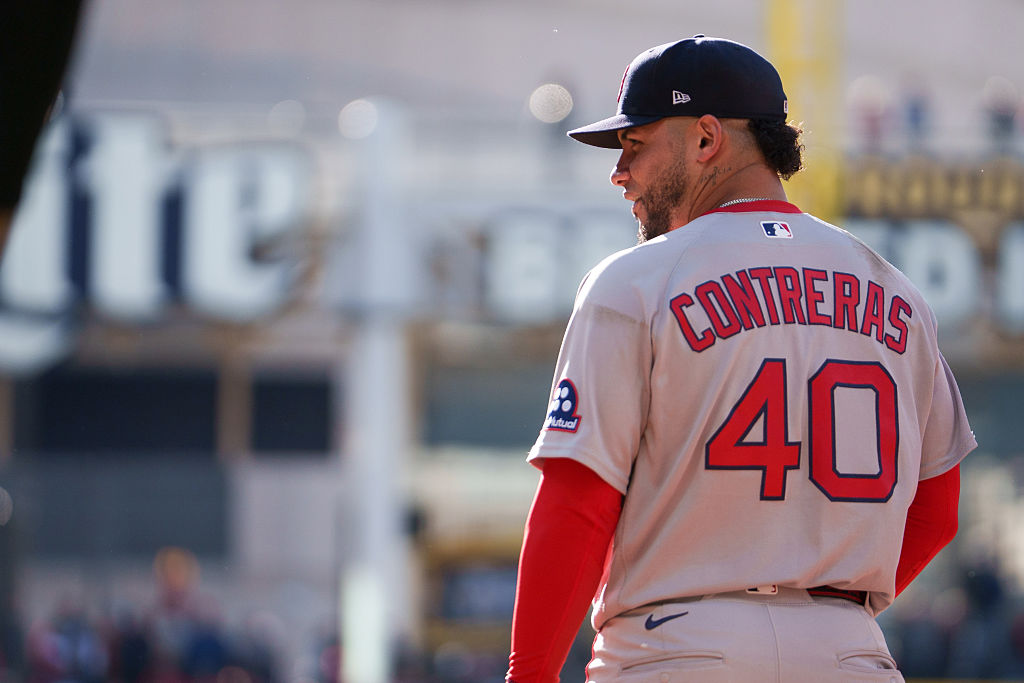
Nothing that happened across those two Wild Card losses in New York was a surprise. Not to www.justbaseball.com, which wrote that every collapse over those 48 hours had been foreshadowed during Boston’s regular season.
The Red Sox dropped a second consecutive Wild Card showdown to the Yankees, and the result proved they were still no match for their archrivals. Cam Schlittler and Max Fried, New York’s top two arms, carved up Boston’s overwhelmed lineup once again.
The format invites an argument. The 87-win Red Sox were forced to play the 93-win Yankees while the 84-win White Sox drew the 81-win Astros. But the source notes the reality: to win a World Series, Boston would have had to get through the Yankees at some point anyway.
Some will call the series proof that the team’s 32-5 stretch was a fluke. The source insists otherwise. Everything that unfolded in New York was foreshadowed during the regular season, and more specifically, in September.
SEPTEMBER'S OFFENSE WENT SILENT
The Red Sox offense was a streaky unit all season, and it collapsed in September, according to www.justbaseball.com. Boston scored only 71 runs during the month, which ranked last in MLB — 18 fewer than the 29th-ranked Angels.
The hope was that the return of Willson Contreras and Ceddanne Rafaela would help the Red Sox recapture their summertime form. The specific results of those returns are not detailed in the source, but the outcome is clear: Cam Schlittler and Max Fried carved up the overwhelmed lineup.
The Yankees' top two arms once again dominated Boston in the Wild Card round, extending a pattern that had been building for weeks. A team that had ridden a 32-5 stretch into contention simply ran out of bats at the worst possible time.
By the time the Red Sox needed to manufacture runs against elite pitching, the streaky nature of their offense had turned decisively cold. September's silent bats were not an aberration — they were the warning sign that New York turned into a sweep.
THE BULLPEN BRIDGE COLLAPSED
For most of the season, the back-end combination of Garrett Whitlock and Aroldis Chapman was Boston’s calling card, per www.justbaseball.com. The plan was simple: get the ball to those two and let the game close itself out. It worked all year — until the games mattered most.
The middle-relief bridge collapsed first. Injuries to Tyron Guerrero and Justin Slaten, plus the late-season struggles of Erik Miller, left the Red Sox without the arms needed to carry a lead from the starter to the ninth. That forced Whitlock into a role he was never meant to fill.

Whitlock entered a bases-loaded, no-out situation in the bottom of the sixth with the Red Sox already trailing 3-1, and he only fanned the flames of the Yankees’ offense. The exact results of that appearance are not specified in the source, but the damage was done. By the time Chapman finally trotted out of the bullpen in the bottom of the eighth, the game was already well out of hand.
Payton Tolle and Sonny Gray held their own through the first half of each contest, giving Boston a fighting chance. But the bullpen proved incapable of keeping games within reach, and the Yankees turned that opening into a sweep. The bridge that had carried the Red Sox through the summer simply was not there when October arrived.
NO TRUE ACES AT THE TOP
The rotation’s ceiling was the problem all along, per www.justbaseball.com. Payton Tolle and Sonny Gray were excellent in 2026, but they profile more as really good No. 2 starters than true aces at this point in their careers.
That distinction mattered in October. Because of it, they did not earn the leash that Garrett Crochet earned in Game 1 of the Wild Card Series last season. The specific pitch counts or leash given to Tolle and Gray in these Wild Card games are not detailed in the source, but the implication is clear: Boston’s starters were trusted to keep the team close, not to dominate.
That trust gap is part of why the Red Sox weren’t good enough to beat the game’s best teams, the source argues. Against the Yankees’ Cam Schlittler and Max Fried, who carved up Boston’s lineup, Tolle and Gray holding their own through the first half of each contest was never going to be enough.

The end result of the 2026 season was frustratingly similar to 2025, per the source. A second consecutive Wild Card sweep at the hands of the Yankees proved Boston was still no match for its archrivals, and the absence of a true ace at the top of the rotation was a central reason why.
WHAT TO WATCH NEXT
The source does not mention any specific upcoming games, roster moves, or offseason plans for the Red Sox. As such, any speculation about what comes next for Boston remains unconfirmed.
The article's closing argument is blunt: the Red Sox just weren't good enough to win a World Series. To lift the trophy, a team must beat the game's best, and Boston did not measure up against the Yankees' top arms or their own September fade.
The source does acknowledge the playoff format is arguable. The 87-win Red Sox drew the 93-win Yankees while the 84-win White Sox faced the 81-win Astros. But the reality, per www.justbaseball.com, is that Boston would have had to get through the Yankees at some point regardless.
No future dates, decisions, or return dates are provided in the source material. The only certainty is that a second consecutive Wild Card sweep at Yankee hands closed the book on a season that was foreshadowed all along.
Advertisement
You may also like
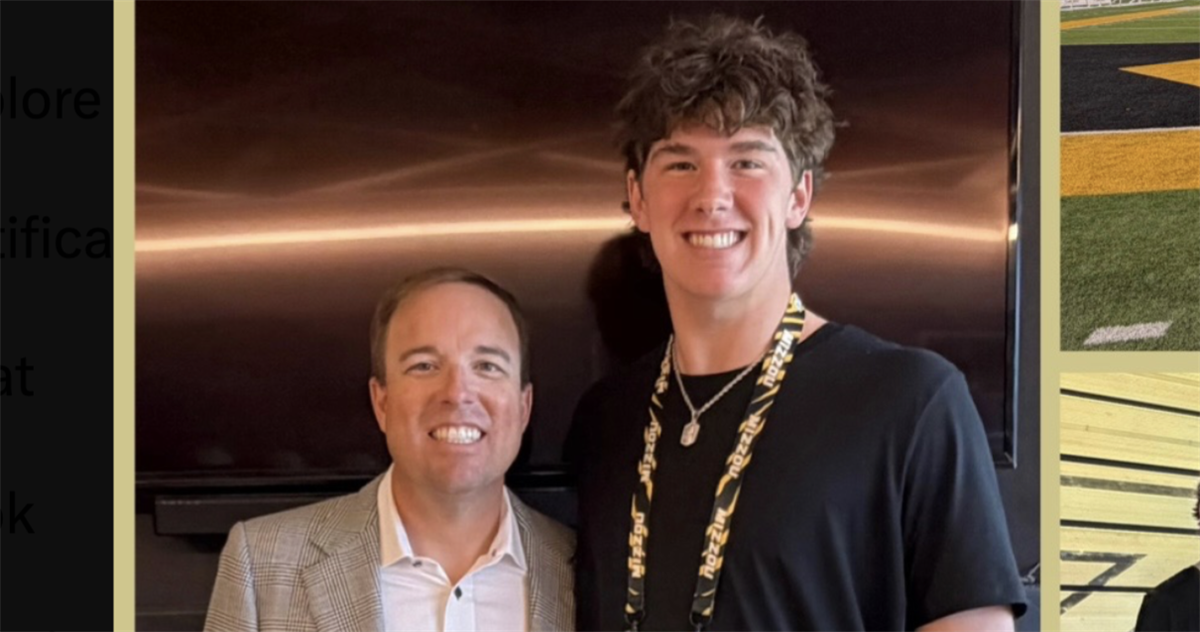
No. 14 Missouri dominates Florida 45-17, impressing 2028 TE Ridge Janes
No. 14 Missouri put on a show inside Memorial Stadium on Saturday, rolling past Florida, 45-17. The Tigers' dominant win doubled as a recruiting…
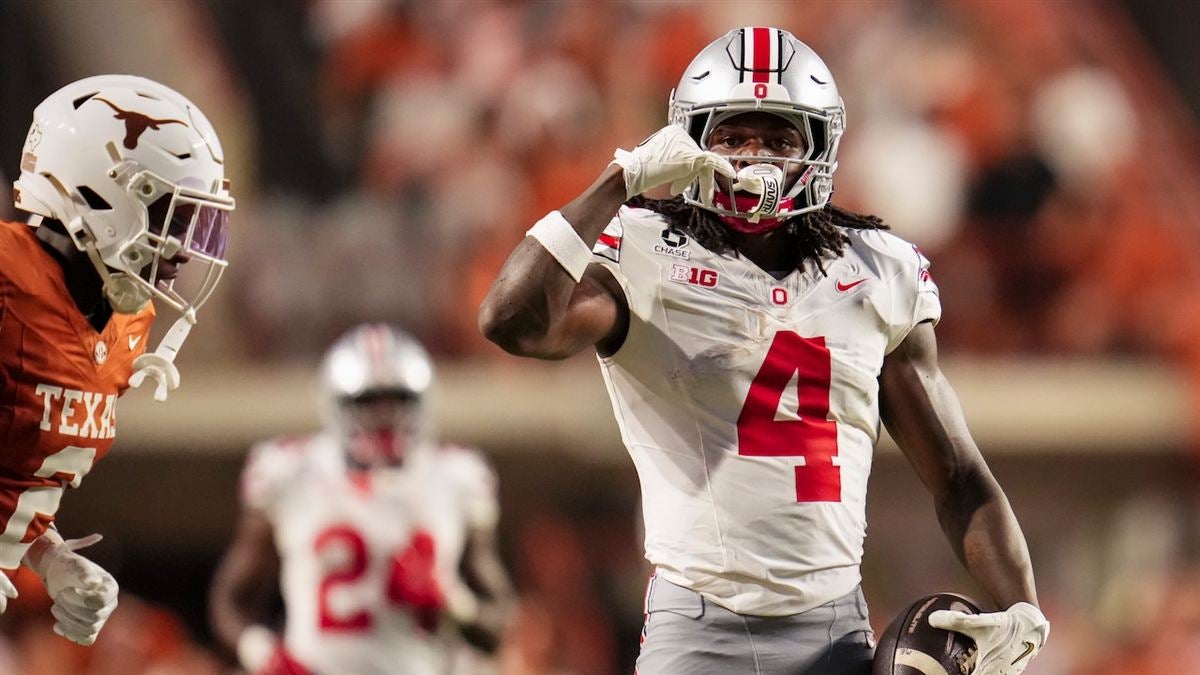
Jeremiah Smith ascends to top of Ohio State record book in every major receiving category
Jeremiah Smith is just two-and-a-half years into his collegiate career, yet he continues to make history every week, according to 247sports.com. With another 200-yard…
SEC circle of chaos: Which team gets the AP Top 25 bump?
The AP Top 25 Poll has one advantage over the Coaches Poll this season, according to collegefootballnews.com: it has been better at remembering what…
Big 12 Facing One-Bid CFP Again? Bowl Projections Shift
The Big 12 is projected to be a one-bid conference for the College Football Playoff again this year, according to collegefootballnews.com's Week 6 bowl…
Coaches Poll Prediction: Can They Fix Last Week's Mess?
Last week’s Coaches Poll was “interesting,” according to collegefootballnews.com — and that is putting it mildly. The poll had LSU one spot ahead of…
2 trades Red Sox must make this offseason after early exit
The Boston Red Sox were unable to sustain the hot streak that lifted them from the depths of the American League to the third-best…