The severed head found in a Florida canal that changed how America searched for missing children
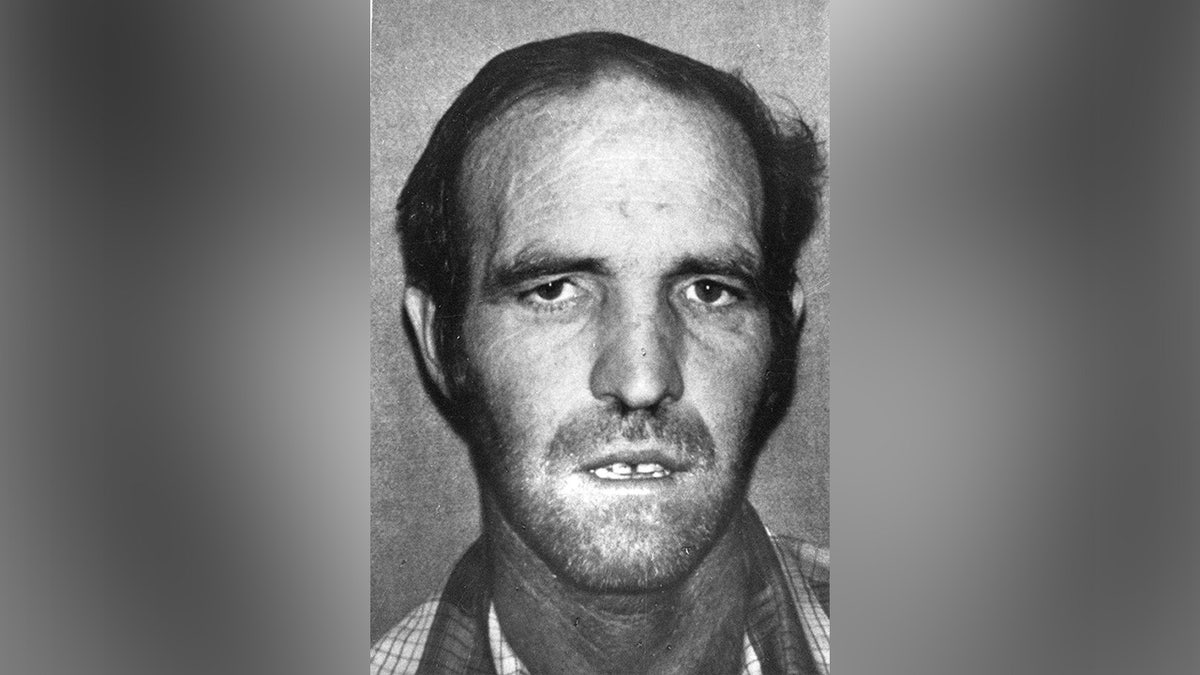
The video games were the new model, the kind that beeped and flashed and drew a crowd of children.
Six-year-old Adam Walsh stood among them, watching other kids play, while his mother shopped a few aisles away.
The Sears store in the Hollywood Mall was loud with the hum of arcade cabinets and the shuffle of afternoon shoppers.
It was an ordinary Tuesday in July.
That is the last documented sighting of Adam Walsh before he disappeared.
No witness account of the actual abduction is in the record.
The source states only that he was watching video games, and then he was gone.
How does a child vanish from a department store in seconds?
How does a mother turn around and find an empty space where her son stood?
How does a crowd of shoppers keep walking, oblivious?
That would require evidence the record does not contain.
The moment itself is the haunting part: a boy at a screen, a mother nearby, and a public place full of strangers.
This is the image that later haunted a national audience.
A child gone from a Sears, in the middle of the day, in front of everyone and no one.
THE SEARCH AND THE CANAL
The first instinct was to look at the parents.
Police treated the case as a parental custody dispute, and both John and Revé Walsh were subjected to polygraph tests.
The tests cleared them, but the damage to the investigation was done.
Witnesses at the mall gave conflicting accounts.
Some said they saw a boy matching Adam’s description being led away, others said nothing at all.
The confusion hampered the initial investigation, and the trail went cold for weeks.
Then, on October 10, 1981, a boy’s severed head was found in a drainage canal along Florida’s Turnpike near Vero Beach.
Roughly 120 miles from the Sears where Adam had vanished.
The head was identified as Adam’s through dental records.
His body was never recovered.
The source does not specify who found the head or how it was discovered — only that it was found in the canal.
The discovery turned a missing-child case into a homicide, and the public reaction was immediate.
The case became one of the most publicized missing-child cases in American history.
News cameras arrived, and the Walsh family’s grief was broadcast into living rooms across the country.
A search that had gripped the nation ended not with a reunion, but with a drainage ditch.
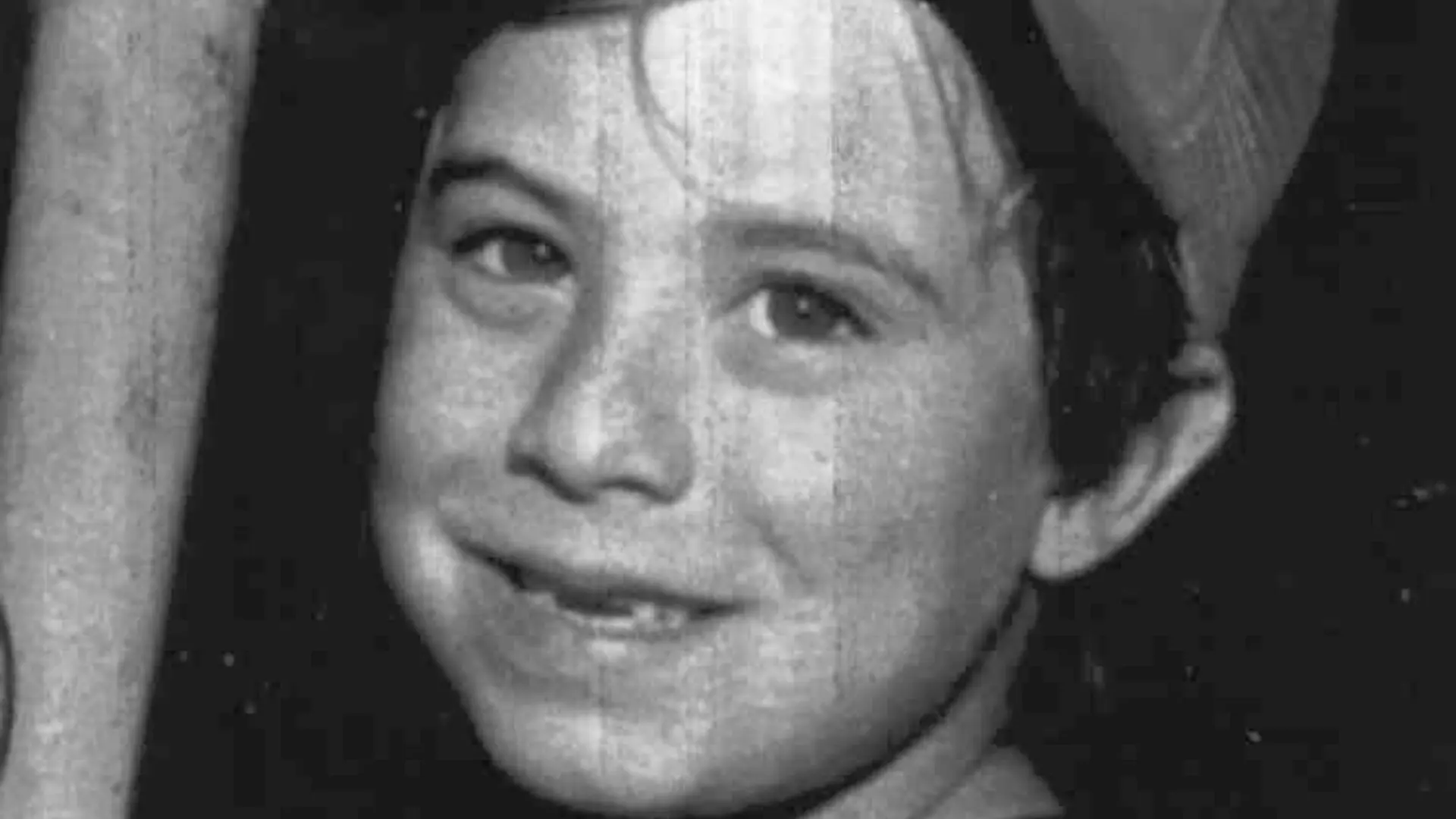
It is the grotesque end to a story that had begun with a boy watching video games.
It is also the moment the case stopped being local.
The question of who took Adam Walsh was still open, but the horror was now public property.
THE CONFESSION AND THE DOUBT
In 1983, Ottis Toole was already in prison for other crimes when he confessed to abducting and killing Adam Walsh.
He was a drifter, a self-described serial killer, a man who had confessed to murders before.
His statements about Adam were detailed. They were also shifting.
Toole later recanted. He gave inconsistent accounts.
Prosecutors doubted the reliability of his confessions. He was never charged.
Why hesitate?
Why hold back when a man says he took a six-year-old from a mall?
Because a confession is not proof. Because a confession from Ottis Toole was never a simple thing.
Toole died in prison in 1996. The case stayed open.
In 2008, the Hollywood Police Department reopened the file and formally closed it.
The announcement named Toole as responsible. The department cited new forensic testing and witness interviews.
What did the testing show?
What did the witnesses say?
The source does not specify. The record does not establish what the new forensic testing involved or what the witness interviews revealed.
No physical evidence directly linked Toole to the crime. That much is documented.
He was named posthumously. He was never charged.
The confession was the conclusion. The corroboration was not.
THE OFFICIAL FINDING AND THE SKEPTICS
In 2008, the Hollywood Police Department reopened the case and formally closed it.
The chief announced that Ottis Toole was responsible for Adam’s murder.
The department cited new forensic testing and witness interviews.
The lead detective, who had worked the case for years, expressed agreement with the conclusion.
Some independent experts accepted the finding. The Walsh family accepted it too.
Toole was named posthumously. He was never charged.
No physical evidence directly linked him to the crime. That much is documented.
The confession was the conclusion. The corroboration was not.
:max_bytes(150000):strip_icc():focal(999x0:1001x2)/john-walsh-kids-adam-4724f94175504a3bb0cc17dff22fced9.jpg)
Toole had confessed in 1983, while already in prison for other crimes.
He later recanted. He gave inconsistent statements.
Prosecutors doubted the reliability of those confessions. That doubt is why he was never charged.
The source does not state whether the lead detective’s agreement was based on new evidence or the confessions alone.
That distinction remains open.
The case is officially closed. It is also officially unresolved by any physical proof.
Which is more convincing: the repeated words of a dead man, or the absence of a single link?
Toole died in prison in 1996. He was never tried for Adam’s murder.
No one was ever charged. No one was ever tried.
The file is closed. The doubt is not.
AND THE STORY STILL ISN'T OVER
The case was officially closed in 2008, but no one was ever charged or tried for Adam’s murder.
Ottis Toole died in 1996 at Florida State Prison.
He was named posthumously as responsible, but he was never tried.
The file is closed. The doubt is not.
John and Revé Walsh became prominent advocates for missing and exploited children.
John Walsh co-founded the National Center for Missing & Exploited Children and hosted "America's Most Wanted" from 1988 to 2013.
The Adam Walsh Child Protection and Safety Act, a federal law addressing sex offender registration and child safety, was signed in 2006.
The search for missing children changed forever.
Missing children got faces on milk cartons. They got a national database. They got a federal law.
But the full truth of what happened to Adam remains unproven.
No physical evidence directly linked Toole to the crime.
The source does not state whether any further investigation or legal action is pending; the case is closed.
Is closure the same as truth?
Not here. Not with a severed head in a canal and a body never recovered.
The legacy is real. The law is real. The advocacy is real.
The conviction is not.
That would require evidence. That would require a trial. That would require a name on a charge sheet.
None of it exists.
The case is closed. The doubt is not.
Advertisement
You may also like
The fishing boat Scott Peterson bought weeks before his pregnant wife vanished
The boat was 14 feet of aluminum, and Scott Peterson bought it in late November 2002. That was weeks before his pregnant wife Laci…
The bloody glove that didn't fit: how a detective's tape destroyed the prosecution's case
He held them up for the jury to see. Two leather gloves, dark against his hands. One found on Bundy Drive, where Nicole Brown…
The 1947 clipping found near Elizabeth Short that led nowhere
The morning of January 15, 1947, began with a woman walking her daughter past a vacant lot at 39th Street and Norton Avenue. She…
The gun that put Keffe D in the Cadillac — and the plea deal he says should free him
The motion landed in February 2025, in a Clark County courtroom, and it hinged on a piece of paper filed nearly two decades earlier.…
The 340-symbol cipher cracked in 2020 — and the message that still names no one
In December 2020, a team of codebreakers announced they had cracked the 340-symbol cipher. David Oranchak, a software developer, and Sam Blake, a mathematician…
The misread clue that derailed the Tate murder probe for months
Five people were found dead at 10050 Cielo Drive in Benedict Canyon on the morning of August 10, 1969. Among them was actress Sharon…