Two gas-station murders, one .22 pistol: the timeline the jury followed
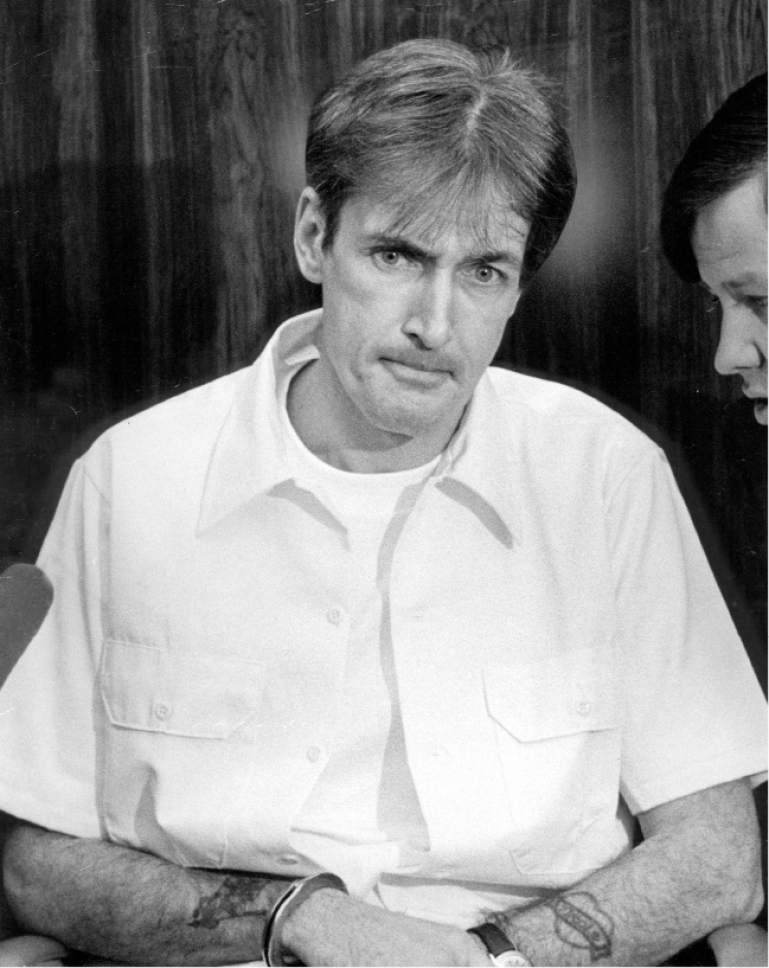
The evening of July 19, 1976, in Orem, Utah, was warm and ordinary.
A young man walked up to two college students at a gas station and asked for a ride.
The request was casual. The answer was agreement.
The man forced the driver to a secluded area and shot him in the head.
The victim was a 24-year-old gas station attendant and aspiring singer.
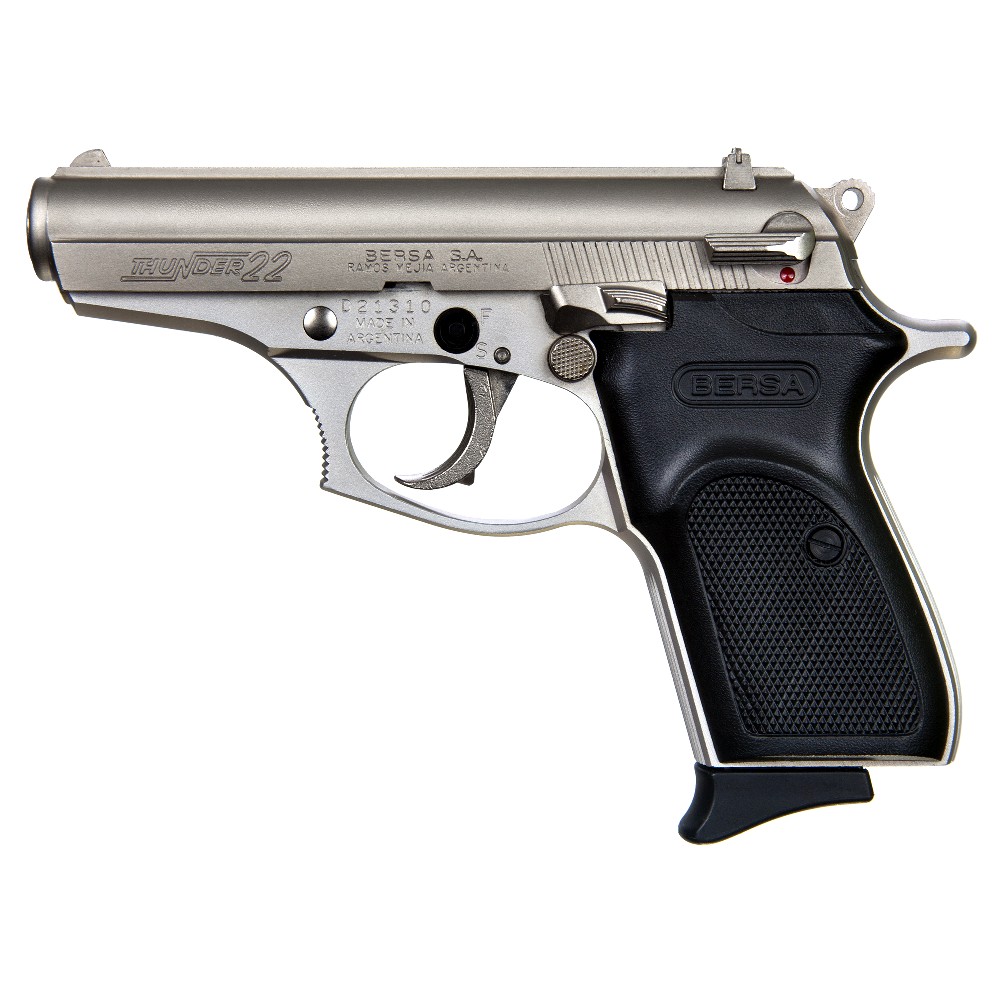
The weapon was a .22-caliber pistol.
The same weapon would be used again the next night.
The man's identity at the gas station is not yet established in the record at this point.
Witnesses would later place him near the scenes. The ballistics would do the rest.
What connects one night to the next?
What turns a ride request into a killing?
What makes a single pistol appear twice in two days?
That would require evidence. The evidence was coming.
THE SECOND NIGHT
The following night, July 20, the same .22-caliber pistol was used again.
This time the victim was a motel clerk in Provo, Utah.
He was 26 years old, a manager, a father of two.
The pistol did its work at the motel, and then the record goes quiet on the exact sequence inside.
The source does not detail precisely what happened in those minutes.
What is established is the gun, the robbery, and the death.
Police in Orem and Provo did not wait long to connect the two nights.
Ballistics evidence linked both murders to the same .22-caliber pistol.
One gun. Two killings. Two cities.
Witnesses placed Gilmore near the scenes, and the identification was made.
The clock was tightening around him, even before his arrest the next day.
It is a timeline of two nights and one weapon.
It is also a timeline of a man leaving a trail that police could follow.
The first killing was a ride request that turned into a shot to the head.
The second was a robbery at a motel that ended the same way.
What connects them is the ballistics report, not a confession — not yet.
That would come later, in custody, with details only the killer would know.
For now, the police had the gun's signature and the witnesses' accounts.

Two murders, one pistol, and the net drawing in.
THE ARREST AND CONFESSION
Two days after the first murder, Gilmore was still running.
On July 21, he stole a car with an accomplice.
The car crashed.
A standoff followed, and in that standoff Gilmore attempted suicide.
Police took him into custody.
The manhunt had been brief.
The arrest came from a wrecked car and a gun turned on himself, not from a long investigation.
The accomplice later testified against him.
The accomplice’s name is not in the source, so it is not used here.
In custody, Gilmore confessed to both murders.
He gave details that only the killer would know.
He knew where the victims were shot.
He knew the weapon.
He knew the order of the nights.
The confession matched the ballistics.
It matched the witnesses.
It matched the .22-caliber pistol that had killed twice.
The investigation was straightforward.
No significant mistakes were reported.
No conspiracy, no missing evidence, no second shooter.
Police had the gun's signature, the witnesses' accounts, and now the confession.
It seemed closed.
It seemed simple.
The net had drawn in, and the man inside it had talked.
But the confession did not end the story.
It only moved the case from the streets to the courtroom.
The dread is not in what he said.
The dread is in what came after he said it.
THE TRIAL AND THE VERDICT
The charge was two counts of first-degree murder.
Gilmore stood before the court and pleaded guilty.
Then he changed course, asking to plead no contest instead.
The judge accepted the new plea.
The trial itself was brief.
The jury did not take long.
They convicted him on both counts.
The judge sentenced Gilmore to death for each murder.
Two murders. Two deaths. Two sentences.
Gilmore waived his appeals.
"Let's do it," he said, according to the record.
The phrase became the case's strange signature — a condemned man's impatience.
He wanted the process over.
The specific arguments made by the defense at trial are not detailed in the source.
What remains is the documented sequence: the plea, the trial, the verdict, the sentence.
A swift and deliberate end to the legal chapter.
The courtroom gave him what the street could not — a formal reckoning.
And then it gave him what he asked for next.
AND THE STORY STILL ISN'T OVER
The ACLU and others tried to stop the execution.
Gilmore insisted on his right to die.
The Utah Supreme Court upheld the sentence.
The U.S. Supreme Court declined to intervene.
On January 17, 1977, Gary Gilmore was executed by firing squad at Utah State Prison in Draper, Utah.
He was the first person executed in the United States after the Supreme Court reinstated the death penalty in 1976.
The execution sparked widespread debate about capital punishment.
It still does.
His brother later wrote the acclaimed book *Shot in the Heart*, detailing the family's history and the crimes.
The book is one version of the story.
The record the jury followed is another.
What became of the victims' families?
What became of the girlfriend?
The source does not say.
That would require evidence.
The case remains a landmark in American legal history.
A swift end to the legal chapter.
A lasting question about the penalty itself.
Advertisement
You may also like
Seven deaths in seven days, and the letter demanding $1 million
The first capsule was taken on a Wednesday morning in September 1982. A 12-year-old girl in Elk Grove Village, Illinois, swallowed a Tylenol capsule…

A 7-year-old son slept through his mother's murder — and his father's story about a bushy-haired intruder
The July 4, 1954, house in Bay Village, Ohio, was quiet. Marilyn Sheppard, 31, a homemaker and former model, was found bludgeoned to death…
The morning walk that ended Gianni Versace's life on his Miami Beach steps
The café was the errand, not the destination. On July 15, 1997, Gianni Versace left his Miami Beach mansion, Casa Casuarina at 1116 Ocean…
A father read the taunting letters aloud in court — but the killer's name was still a secret
The father's voice filled the Bronx courtroom, reading words that were never meant for him. They were letters addressed to a newspaper columnist, signed…
He pleaded for their return on TV — two days later he confessed to killing them
The call came on the morning of August 13, 2018. Shanann Watts called her friend to say she could not reach her husband, Chris…

The phone call from a pharmacy that exposed the Manson murders' first clue
Somewhere in Los Angeles, in late 1969, a telephone rang inside a pharmacy. The call set in motion the first real clue in the…