The 1993 slumber party abduction that would take 64 days to resolve
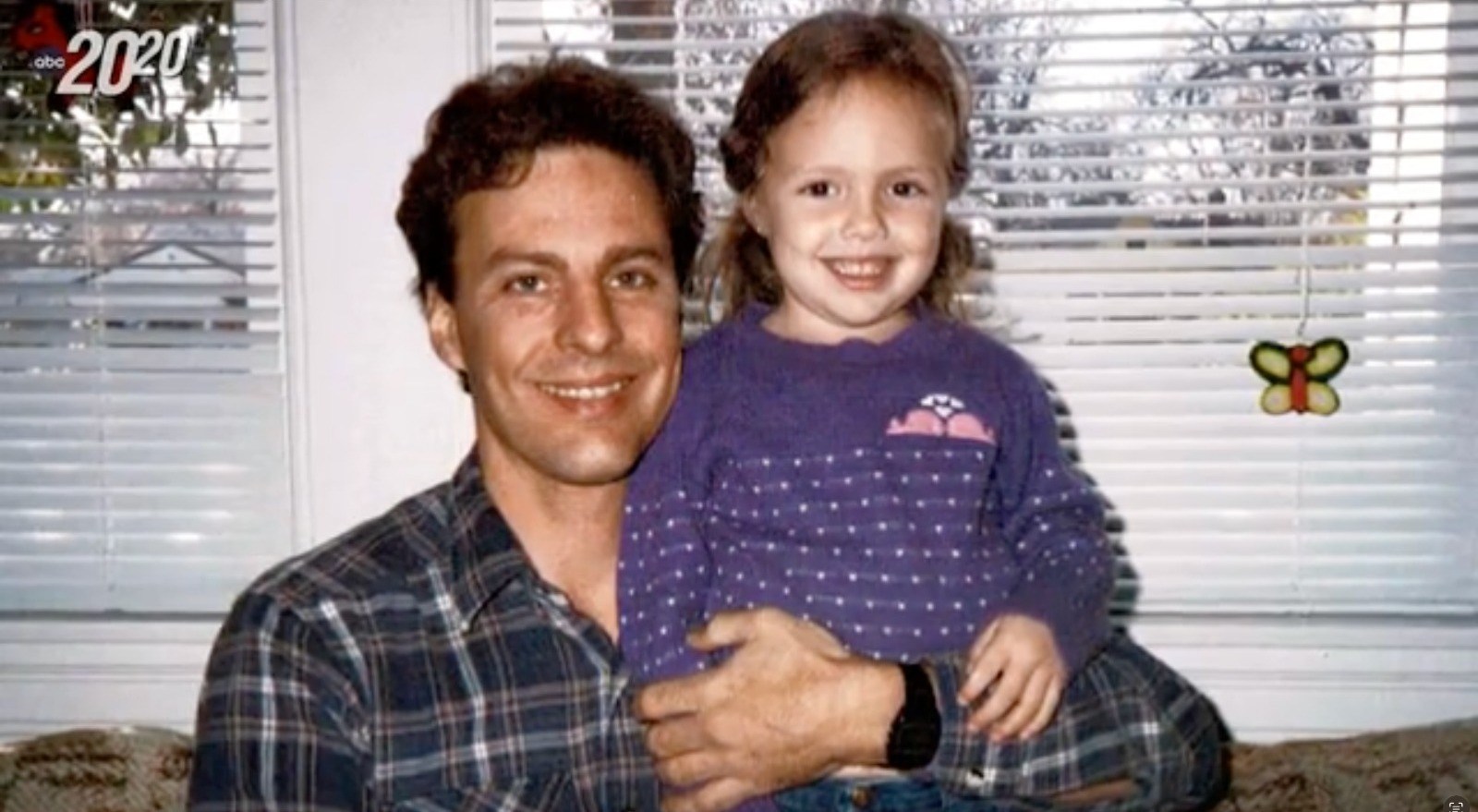
The window was unlocked.
On the night of October 1, 1993, an intruder entered through it at a home in Petaluma, California.
Inside, twelve-year-old Polly Klaas was having a slumber party with two friends.
The two friends later described the intruder as a white male with long hair and a deep voice.
He tied up the two friends.
He abducted Polly at knifepoint.
The girls freed themselves.
They alerted Polly's mother, who called police.
That description — a white male, long hair, a deep voice — is the only documented lead.
The intruder's identity at the moment of entry is not established by the record.
Not yet.
The night was ordinary.
It was a slumber party.
It was a bedroom in a family home.
It was an unlocked window.
Who walked through it?
That would require evidence.
64 DAYS OF SEARCH
The search began before sunrise.
Local law enforcement, the FBI, and thousands of volunteers fanned out across Petaluma and the surrounding countryside.
They combed fields, orchards, and creek beds.
They knocked on doors.
They distributed photographs of a twelve-year-old girl with long brown hair.
Police received thousands of tips.
A sighting here.
A suspicious van there.
A voice on the phone that sounded like it mattered.
None of it broke the case.
For weeks, no solid lead emerged.
The investigation drew criticism for the initial delay in checking registered sex offenders in the area.
No formal misconduct was found.
That delay remains in the record as a criticism, not a finding.
The days stacked into weeks.
The weeks stacked past a month.
Sixty-four days of hope and dead ends.
The break came on November 30, 1993.
Richard Allen Davis was arrested on an unrelated parole violation.
Nothing about the arrest suggested Polly.
Then Davis confessed to a cellmate.
Then he confessed to his girlfriend.
She contacted authorities.
On December 4, 1993, Davis led police to a wooded area near Cloverdale, about 60 miles from Petaluma.
She was there.
She had been strangled.
What happened between the abduction and the discovery of her body is not in the record.
The search was over.
The questions were not.
THE CONFESSION AND THE EVIDENCE
The break came on November 30, 1993, with an arrest on an unrelated parole violation.
Davis was already known to the system.
His record included a 1976 kidnapping conviction, and his description matched what the two friends had reported.
It is a documented fact that he was a convicted kidnapper living in the area.
While in custody, he confessed to a cellmate.
He later confessed to his girlfriend.
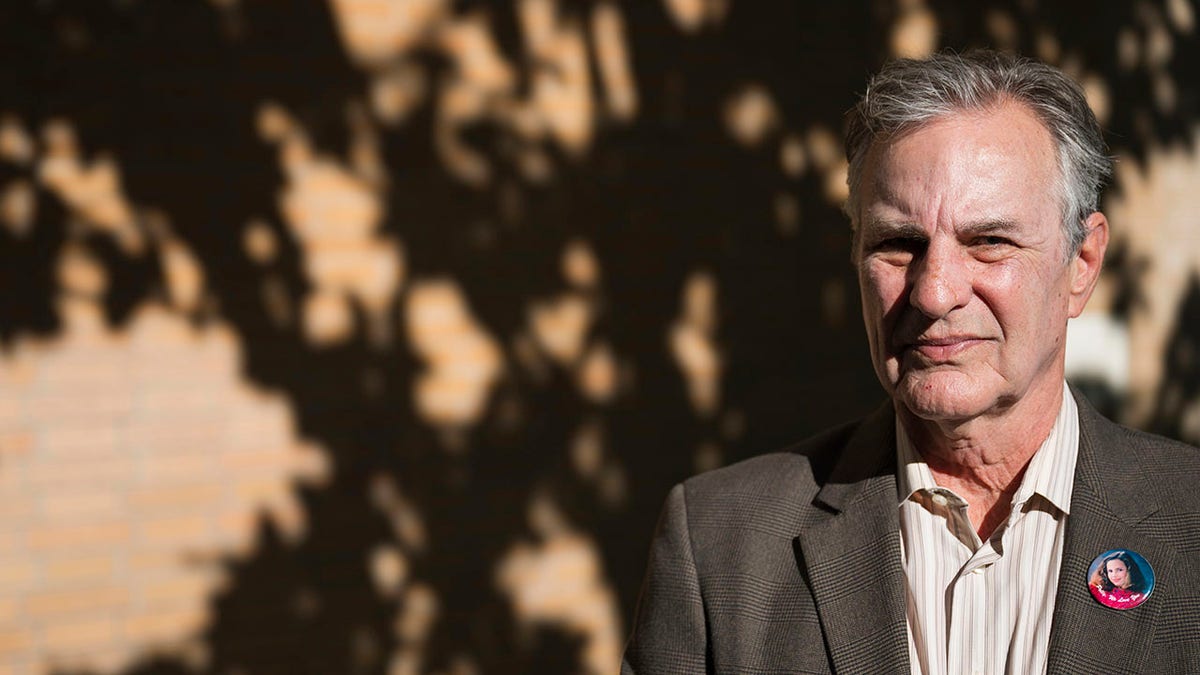
She alerted authorities.
Davis led police to Polly's body on December 4, 1993.
She was found in a wooded area near Cloverdale, about 60 miles from Petaluma.
The cause of death was strangulation.
A knife had been used to threaten the victims that night.
The rope fibers and duct tape found at the scene matched items in Davis's possession.
That is what the record shows.
What is not fully established is the exact timeline of Davis's movements between October 1 and his November 30 arrest.
The record does not resolve where he went or what he did in those 64 days.
The confession gave the case a suspect.
The evidence gave it a foundation.
The physical proof and the testimony closed in from two directions at once.
A known kidnapper had been near the home.
The search had taken 64 days.
The identification took fewer than two.
THE TRIAL AND THE VERDICT
He was charged with first-degree murder with special circumstances, kidnapping, and burglary.
The trial began in Sonoma County Superior Court in 1996.
Prosecutors argued Davis had broken into the home with intent to commit burglary and had killed Polly to eliminate a witness.
The defense did not dispute that Davis took Polly.
The defense argued he had not intended to kill her.
On August 5, 1996, the jury convicted Davis on all counts.
During the penalty phase, Davis made an unrepentant statement to the court.
The statement was widely reported.
The exact content of that statement is not quoted in the record provided.
The jury recommended the death penalty.
The judge sentenced Davis to death on September 26, 1996.
The California Supreme Court upheld the conviction and sentence on automatic appeal in 2004.
The verdict was closure.
It was also a record of a defendant who showed no remorse.
A conviction, not a confession of regret.
The case was resolved.
The question of what he said in that courtroom remains open in the documented record.
AND THE STORY STILL ISN'T OVER
Richard Allen Davis remains on death row at San Quentin State Prison.
California has not executed anyone since 2006.
His appeals have been exhausted, though he has not received an execution date.
Whether Davis will ever receive an execution date is not established; no date has been set.
The case did not end with the verdict.
It became law.
Polly's Law, a 1994 federal statute, required states to track convicted sex offenders.
California's "three strikes" law followed.
Marc Klaas founded the KlaasKids Foundation, a child safety organization.
Eve Nichol has largely stayed out of public life.
The record holds a conviction and a sentence.
It holds no execution date.
It holds two laws that carry a child's name.
The case remains a landmark in the history of missing-children advocacy and offender registration laws.
That is documented.
The verdict was in.
The story continues in legal limbo.
It continues in the statutes.
What happens next is not in the record.
That would require evidence.
Advertisement
You may also like
The ex-wife's custody fight that prosecutors linked to the D.C. sniper attacks
October 2, 2002. A man was shot outside a grocery store in Wheaton, Maryland. That was the first. Between that evening and October 22,…
The fingerprint on a door, the eyeglasses left behind, and the witness who tied Manson to the murders
The word was on the front door, written in blood. PIG. Five people were dead inside the house at 10050 Cielo Drive in Benedict…
The 911 call that sent searchers to Wyoming — and the notebook that changed everything
The notebook sat in the dirt beside his remains. October 20, 2021, in the Myakkahatchee Creek Environmental Park in Florida. The remains belonged to…
The 10 pm check that sent Kate McCann running from the tapas table
The tapas restaurant was a short walk from the apartment, and the check was the kind of errand that had become a holiday ritual.…
The 1965 confession that never reached a trial — and the one name police could not clear
He confessed in 1965. He was already in custody, held for other crimes, when he gave a detailed account of the Boston Strangler murders.…
The 35,000-word manifesto that unmasked a killer after 17 years
A 35,000-word document arrived at two newspapers in 1995. Its title was "Industrial Society and Its Future." The writer demanded that it be published.…