A .25-caliber pistol, a doorstep, and the 17-year-old who fired — what Amy Fisher told police that day
The doorbell had not been the point.
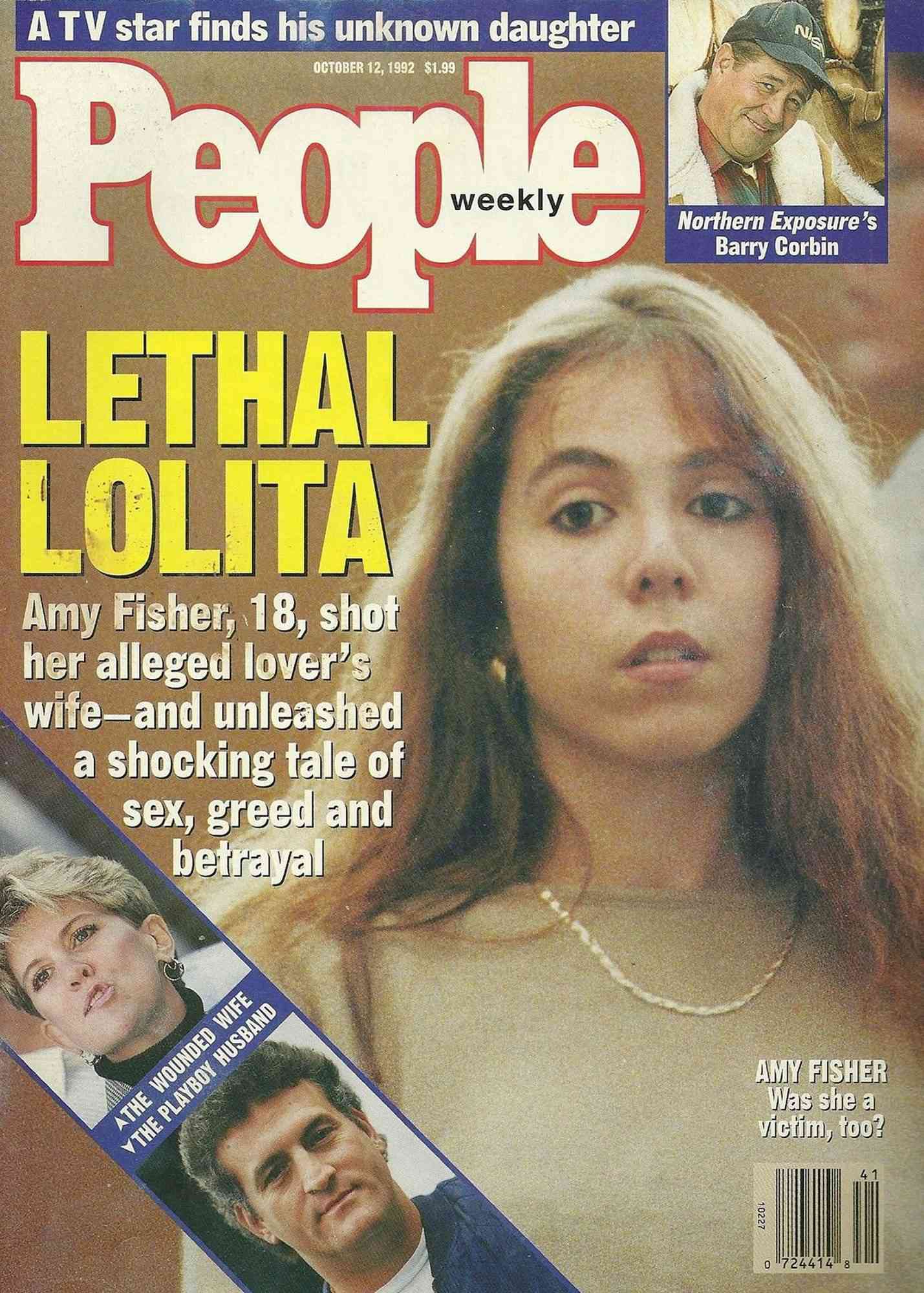
On May 19, 1992, in Massapequa, New York, a teenage girl stood on the doorstep of a house she knew.
The house belonged to Joey Buttafuoco, a married auto body shop owner.
The girl was Amy Fisher. She was 17 years old.
She was having an affair with the man of the house.
The door opened.
Mary Jo Buttafuoco, Joey's wife, was there.
The gun was a .25-caliber semiautomatic pistol.
The shot hit Mary Jo in the face.
She went down on the doorstep of her own home.
Fisher fled.
She was arrested later that day.
Witnesses identified her. Mary Jo named her as the shooter.
What Fisher said at the moment of the shooting is not in the record.
The motive is not established.
Not because no one asked. Because the statements came later, and they shifted.
What is known is the sequence: a quiet suburb, a front door, a teenage girl with a pistol.
What is known is the age: 17.
What is known is the wound: facial, severe, permanent.
The doorbell had not been the point.
The door was.
THE ERRAND
By the time of the shooting, Fisher was 17 and involved in a sexual relationship with Joey Buttafuoco, a married auto body shop owner.
A friend of Fisher's drove her to the Buttafuoco home that day.
The friend drove.
Fisher arrived at the doorstep with a .25-caliber semiautomatic pistol, which investigators later found and which Fisher had obtained.
The source does not specify where Fisher obtained the gun.
The source does not specify how the friend came to drive her.
The drive happened.
The gun was in hand.
What the errand was for, the record does not say outright.
Police arrested Fisher later that same day.
She was identified by witnesses.
Mary Jo Buttafuoco named her as the shooter.
The identification was immediate.
The arrest was immediate.
The gun was recovered.
The mechanics of that day are plain: a ride, a pistol, a door, a name given.
Was the plan to confront, to threaten, to wound?
That would require evidence of intent.
What remains is the sequence: the friend drove, the teenager carried, the victim identified.
Everything else is a story told later.
TWO STORIES
She told police she went to the door to confront Mary Jo about the affair.
That was the first story.
Later, she said Joey Buttafuoco had pressured her to attack his wife.
That was the second story.
The record contains both statements.
The record does not establish which one was true.
It only records that the story shifted.
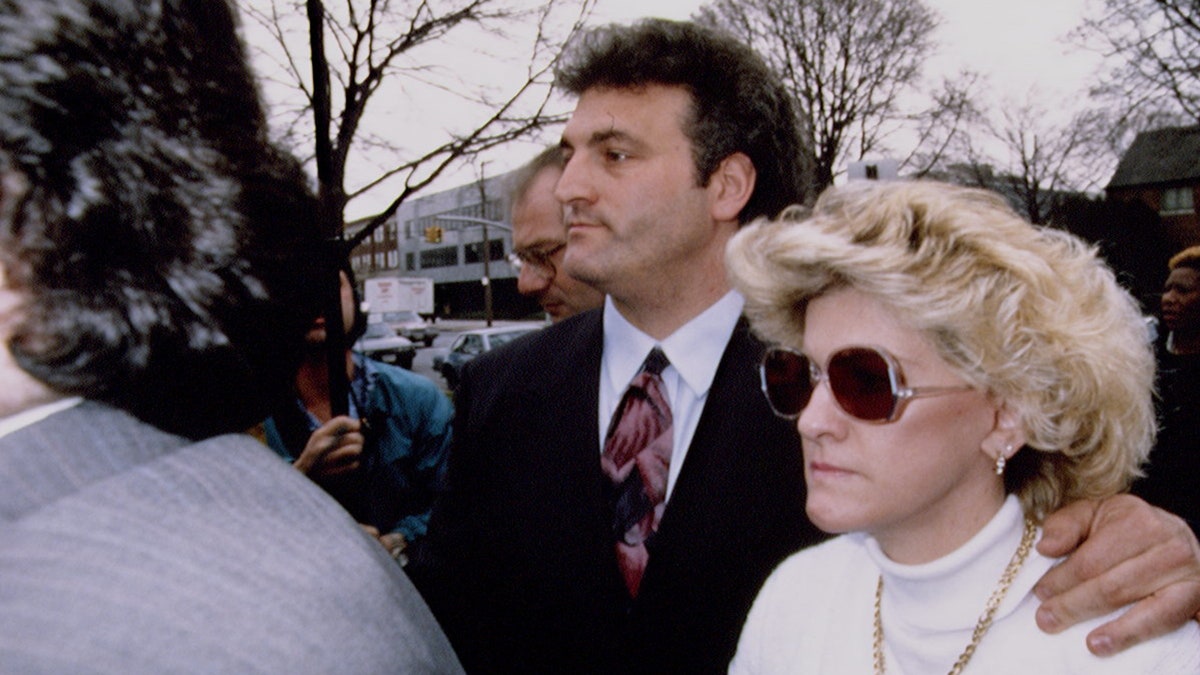
Joey Buttafuoco first denied the affair.
Then he admitted it.
That admission led to his statutory rape charge.
The defence argued Fisher was a manipulated teenager.
The prosecution maintained she acted deliberately.
Two narratives, each complete, each incompatible.
A teenager used by an older man, or a teenager who planned a shooting.
Which one does the evidence support?
Which one did the jury hear?
Which one survives the retelling?
That would require evidence of intent.
The evidence shows a .25-caliber pistol, a doorstep, a victim who named her shooter.
The evidence shows a story that moved.
She was arrested the same day.
She was identified by witnesses.
She was named by the woman she shot.
Everything after that is interpretation.
The affair was real.
The statutory rape was admitted.
The pressure was alleged.
The manipulation was argued.
None of it was proven in the way the defence needed.
She pleaded guilty to first-degree assault.
She later tried to withdraw the plea.
She claimed she had been coerced.
The judge rejected that claim.
The stories kept changing, but the plea stood.
THE PLEA
Amy Fisher was charged with first-degree assault.
She initially pleaded guilty.
Then she sought to withdraw the plea, claiming she had been coerced by Joey Buttafuoco.
The judge rejected her attempt.
The source does not state the judge's reasoning for the rejection.
The plea stood.
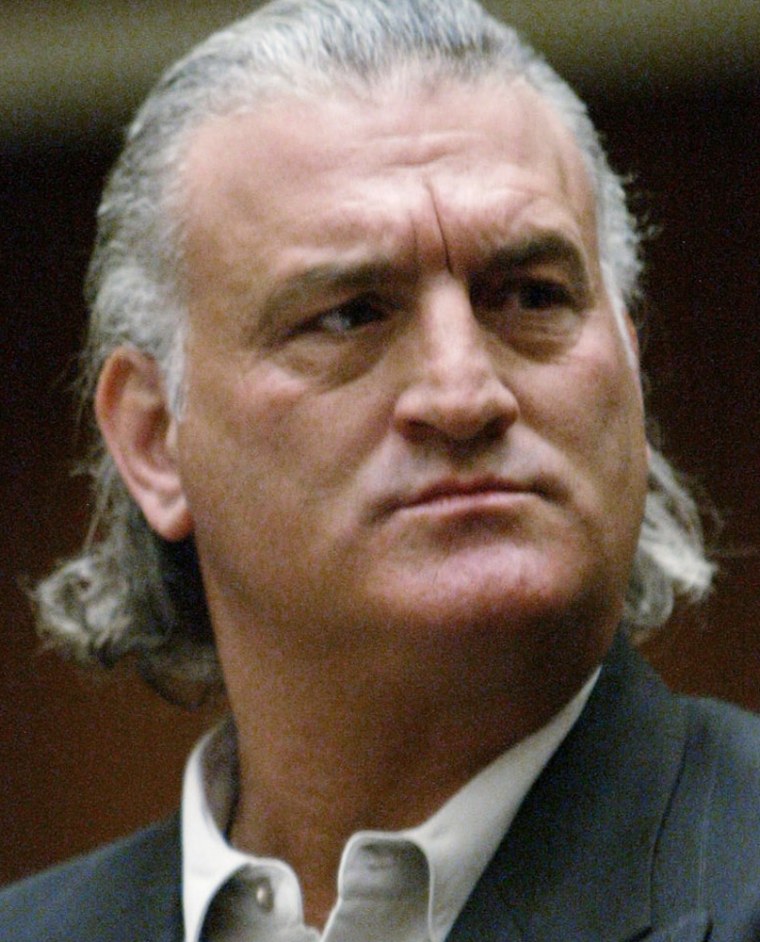
In December 1992, Fisher was sentenced to 5 to 15 years in prison.
Joey Buttafuoco pleaded guilty to statutory rape in 1993.
He served four months in jail.
He was also required to undergo counseling.
The asymmetry is plain on the page.
She was 17 when she fired the gun.
He was the adult in the affair.
She received a decade and a half at the top end.
He received four months.
Her defense argued she was a victim of manipulation.
The prosecution maintained she acted deliberately.
The judge heard both arguments.
The judge rejected the change of heart.
The record does not say why.
It says only that the plea stood.
The stories kept shifting.
She had claimed she went to confront Mary Jo.
She had claimed Joey pressured her to attack his wife.
She had claimed coercion after the guilty plea.
The judge rejected that claim.
The plea stood.
The sentence was pronounced in December 1992.
Five to fifteen years.
One sentence per paragraph.
The weight of the process is in the dates.
The plea came first.
The withdrawal came second.
The rejection came third.
The sentence came fourth.
The asymmetry came last.
AND THE STORY STILL ISN'T OVER
Parole came in 1999, after about seven years inside.
The legal case had closed. The story had not.
Mary Jo Buttafuoco divorced Joey Buttafuoco in 2001, and she remarried. She has spoken publicly about the attack and its lasting effects on her health.
Joey Buttafuoco's own record kept growing. In 2007, he was convicted of bankruptcy fraud, according to the source summary.
The plea was rejected. The sentence was served. The injuries remained.
Fisher later married and became a mother, the source summary says. She has appeared in media interviews. She has appeared in adult films.
The tabloids named her the "Long Island Lolita" in 1992. The case became an early example of the 24-hour news cycle, the source summary states. It is often cited for its sensationalized coverage.
Was there a next legal step? No. The source does not provide any current legal proceedings or pending motions. That would require evidence.
The next step is the public re-examination. The re-telling. The re-watching of the footage.
It is a case about a .25-caliber pistol and a doorstep. It is also a case about what a story does when it outlives its verdict.
Mary Jo Buttafuoco was on the ground below. She survived. She still lives with the effects.
The legal case closed. The public story never did.
Advertisement
You may also like

The 1976 Sacramento rapes that led to a 40-year hunt for a serial predator
It began with reports of a man who slipped through bedroom windows in the Sacramento area of California. The first rapes were reported in…

The Mississippi murder trial where a witness pointed at two men — and the jury still walked them free
The courtroom in Sumner, Mississippi, was quiet. Moses Wright stood and raised his arm. He pointed at Roy Bryant. He pointed at J.W. Milam.…

The fiber evidence that linked a photographer to two river murders — and the trial that hinged on it
The officers were on a bridge over the Chattahoochee River when they heard the splash. It was May 22, 1981, and they saw a…
The jailhouse confession that cracked the Manson case — and the witness who changed everything
Somewhere in the Los Angeles County jail, a woman named Susan Atkins started talking. She was jailed on unrelated charges, a member of the…
Why the defense said Muhammad wasn't at the scene — and the jury still convicted
The Chevrolet Caprice was parked at a rest stop near Myersville, Maryland, when police arrested two men sleeping inside. In the trunk, officers found…
The dog kennel video that shattered a lawyer's alibi in the Murdaugh murders
It begins with a dog kennel. Investigators obtained cellphone video from the kennel on the Murdaugh family’s hunting estate in Colleton County, South Carolina.…