Why the defense said Muhammad wasn't at the scene — and the jury still convicted
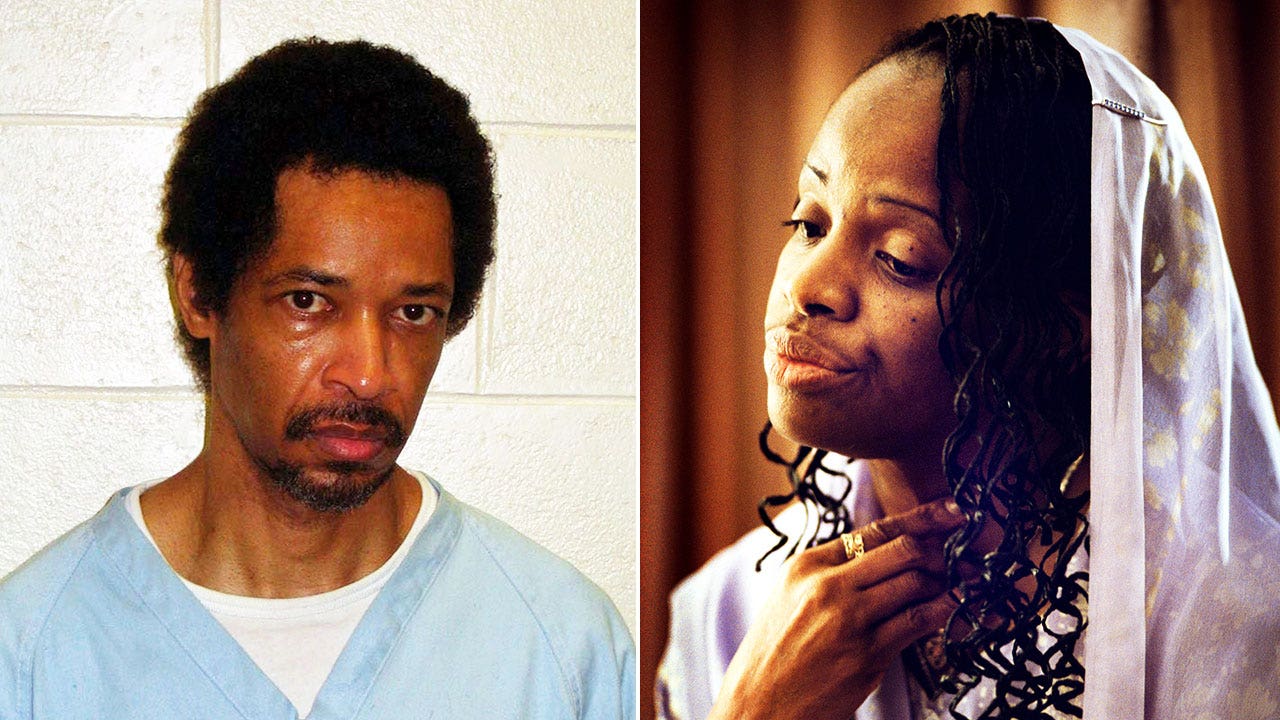
The Chevrolet Caprice was parked at a rest stop near Myersville, Maryland, when police arrested two men sleeping inside.
In the trunk, officers found a Bushmaster XM-15 .223-caliber rifle, a scope, and a tripod.
There was also a hole cut in the trunk, a hole big enough for a shooter to fire from inside the car without being seen.
The car was a blind, a mobile firing position.
The defense would later argue that John Allen Muhammad was not at the trigger.
The defense claimed Muhammad was not present at the shooting of Dean Harold Meyers in Prince William County, Virginia — that Lee Boyd Malvo was the actual shooter.
The prosecution, led by Robert Horan, argued the opposite: Muhammad was the mastermind, using Malvo as his shooter.
Two stories, one rifle.
The jury heard both.
The jury heard the physical evidence — the rifle, the scope, the tripod, the hole cut in the trunk.
The jury rejected the defense's claim.
They convicted Muhammad of capital murder.
Whether Muhammad was physically present at the Meyers shooting is not established by the record.
The defense said he was not.
The jury decided he was.
That is the dispute the trial resolved, and the trial resolved it against the defense.
THE ARREST AT THE REST STOP
Between October 2 and October 24, 2002, a series of shootings occurred in Maryland, Virginia, and Washington, D.C., killing 10 people and wounding 3 others.
The attacks appeared random.
Victims were shot while pumping gas, mowing a lawn, sitting on a bench, or walking into a store.
The final shooting occurred on October 22, when a bus driver was killed in Montgomery County, Maryland.
The break came when a witness at a shooting in Ashland, Virginia, reported seeing a blue Chevrolet Caprice.
A tip from a truck driver who had seen the car parked at the scene of a shooting in Montgomery County led police to the rest stop near Myersville, Maryland.
The exact timeline of that tip-to-arrest sequence is not detailed in the record beyond the truck driver's tip.
Muhammad and Malvo were arrested on October 24, 2002, while sleeping in the Caprice.
They were asleep.
After weeks of random violence, the capture came quietly, at a rest stop, with the two suspects asleep in the car.
The rifle was found inside, along with a scope and a tripod.
A hole had been cut in the trunk, allowing a shooter to fire from inside without being seen.
The relief was real.
The disbelief was real too.
Ten dead, three wounded, and the men found sleeping in a sedan.
The record shows the arrest; it does not show the moment of recognition.
That would require testimony.
THE TRIAL IN VIRGINIA BEACH
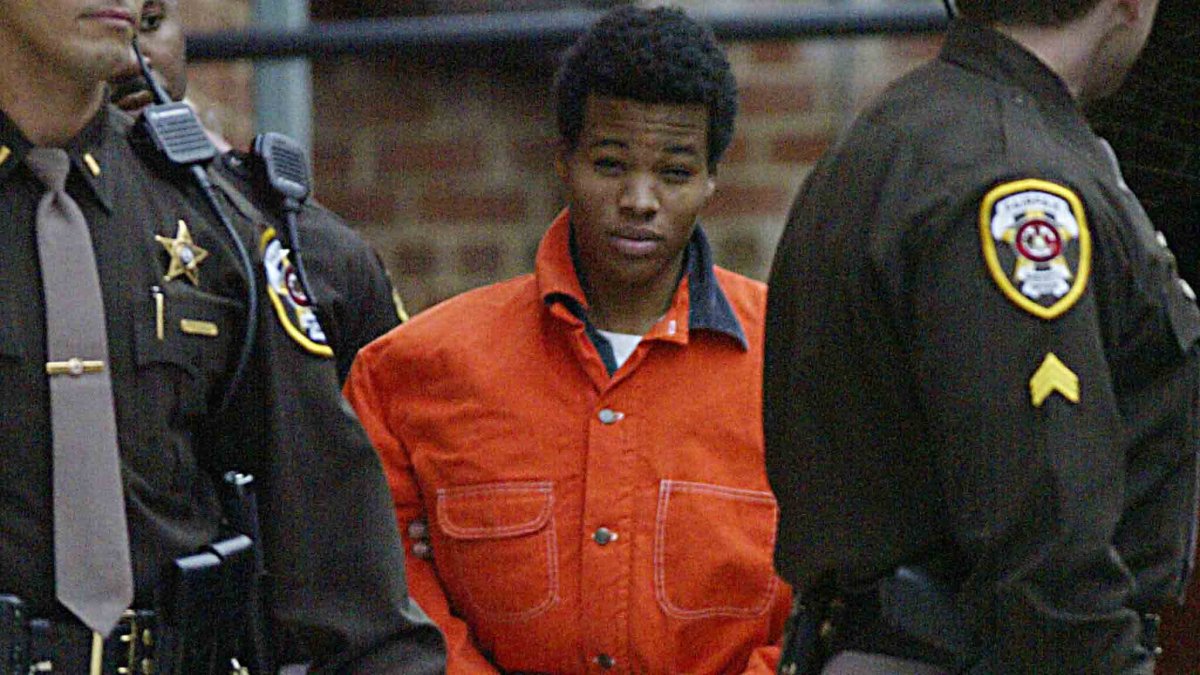
The trial opened in Virginia Beach, Virginia, with Muhammad charged with capital murder.
The charge concerned one killing, the death of a man at a gas station in Prince William County.
Robert Horan, the prosecutor, stood and laid out the prosecution's story.
He argued that Muhammad was the mastermind, the man who planned the shootings and directed the trigger.
He argued that Muhammad used the younger Malvo as his shooter.
James Willett, the defense attorney, answered with a different story.
Willett argued that Muhammad was not present at that shooting.
He argued that Malvo was the actual shooter, the one who fired from the car.
The trial judge, Leroy S. "Bud" Barnes, a Virginia circuit court judge, presided over the confrontation.
Two lawyers, one crime, two competing stories.
The courtroom heard the arguments; the record shows the arguments.
The record does not show the specific testimony of the witnesses.
That testimony is not in the record; only the prosecution's and defense's arguments are documented.
The jury heard the evidence.
The jury heard the hole in the trunk described, the rifle, the scope, the tripod.
The jury heard the prosecution's mastermind and the defense's absent man.
They weighed the two stories.
They convicted Muhammad of capital murder.
They sentenced him to death.
Malvo was tried separately, in the same Virginia Beach court.
Michael Arif led his defense.
Malvo was convicted of capital murder and sentenced to life without parole.
The judge in that trial was the same Judge Barnes.
The courtroom confrontation ended with two convictions.
The stories did not end there.
TWO STORIES, ONE RIFLE
The prosecution told the jury one story: Muhammad was the mastermind, and Malvo was the shooter he directed.
The defense told another: Muhammad was not at the shooting, and Malvo pulled the trigger alone.
Both stories were built on the same rifle.
The Bushmaster XM-15 .223-caliber rifle lay inside the Chevrolet Caprice, with a scope, a tripod, and a hole cut in the trunk.
The hole allowed a shooter to fire from inside the car without being seen.
Ballistics evidence linked that rifle to several of the shootings.
The prosecution argued the hole was Muhammad's design — a sniper's perch, made by the mastermind.
The defense argued the hole proved nothing about who fired it.
Malvo was the one in the trunk that day, they said.

Muhammad's own defense attorneys argued that Malvo had been manipulated by Muhammad, whom they called the mastermind.
So the jury heard two versions of the same physical evidence.
Two plausible narratives.
The record does not establish definitively who fired the shot that killed the victim in Prince William County.
The jury's verdict resolved that question in favor of the prosecution's theory.
They convicted Muhammad.
It is a conviction. It is not a forensic certainty.
The rifle did not testify.
The hole did not testify.
Only the stories did, and the jury chose one.
AND THE STORY STILL ISN'T OVER
Muhammad was executed by lethal injection on November 10, 2009.
The sentence was carried out, and the case against him closed in the only way Virginia law allowed.
Malvo remains in prison in Virginia.
In 2017, the U.S. Supreme Court ruled that mandatory life sentences for juveniles were unconstitutional.
Malvo was resentenced to life with the possibility of parole.
Whether Malvo will ever be granted parole is not known; no hearing date is specified in the record.
That question stays open.
Several victims' families have spoken publicly about the impact of the attacks.
A wife described the phone call she never received. A mother described the son she buried.
They spoke in courtrooms, and they spoke after the verdicts.
The grief did not end with the convictions.
It is ongoing. It is also documented.
The case changed how law enforcement agencies coordinate across jurisdictions during multi-state investigations.
The rest-stop arrest became a template. The manhunt became a lesson.
The defense's claim that Muhammad was not at the scene was rejected by the jury.
The jury heard the rifle evidence, the trunk hole, the testimony, and they convicted.
But the question of who pulled the trigger remains a matter of legal record, not absolute certainty.
The record says Muhammad was the mastermind.
The record says Malvo was the shooter.
The record does not say what the hole saw.
Muhammad is gone. Malvo waits. The families wait with him.
That is where the story sits now.
Not closed. Not settled.
Just recorded.
Advertisement
You may also like
The smiley-face confession that made a sister call the police
The note was found in March 1995, near a woman's body in Oregon. It was handwritten, a confession. It was signed with a smiley…
The body drained of blood and posed — and the only clue was a name
The morning of January 15, 1947, in a vacant lot at 39th Street and Norton Avenue in Leimert Park, Los Angeles. A woman's body…
The 1995 bomb that killed 168 — and the trailer axle that cracked the case
The rear axle of the Ryder truck was a twisted piece of metal, recovered from the rubble within hours. It carried a vehicle identification…
The Green River Killer confession that led detectives to 48 counts — but how many bodies are still missing?
The first bodies were found in 1982, in and around the Green River south of Seattle. Dozens of women disappeared or were found dead…
Manson's follower turned jailhouse informant: the words that cracked the Tate case
She was in jail for something else. Susan Atkins, twenty-one years old, sat in a Los Angeles County cell and told her cellmate, Virginia…
The 340 cipher that took 51 years to crack — and still named no killer
The 340 cipher sat unsolved for fifty-one years. On December 5, 2020, a team of codebreakers—David Oranchak, Sam Blake, and Jarl Van Eycke—announced they…