Manson's follower turned jailhouse informant: the words that cracked the Tate case
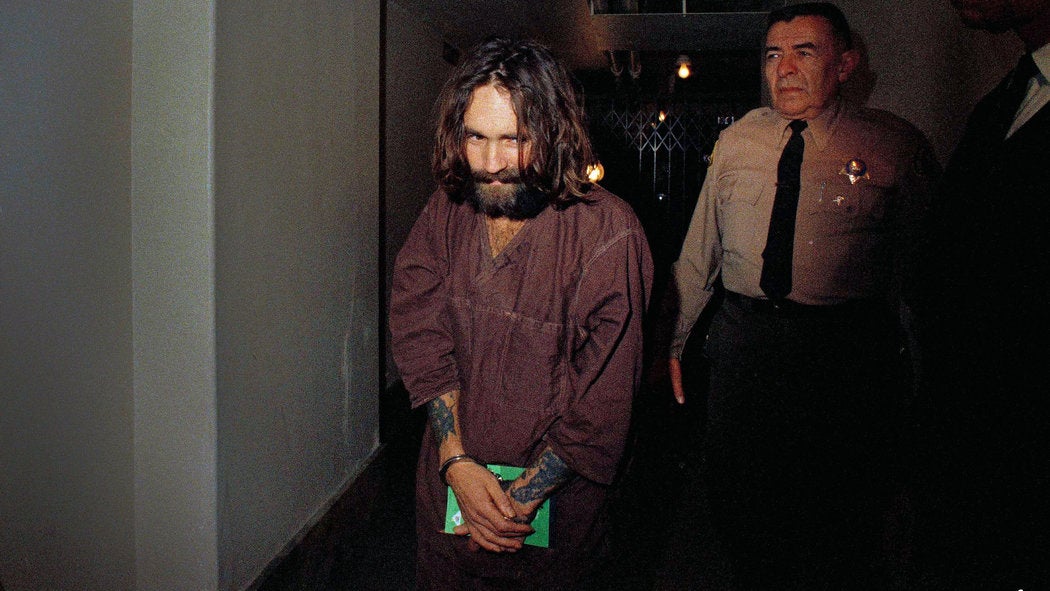
She was in jail for something else.
Susan Atkins, twenty-one years old, sat in a Los Angeles County cell and told her cellmate, Virginia Graham, about the murders.
Not all of them. Not with names, not with dates.
She told Graham enough.
Graham relayed the information to authorities, and the arrests followed.
The confession was the break. The investigation had been hampered by a lack of obvious motive and the randomness of the attacks.
Five people dead at a house in Benedict Canyon. No clear reason. No clear target.
Then a woman in a cell started talking.
It was not forensic evidence that cracked the case. It was words spoken between two inmates.
The exact content of Atkins's confession is not detailed in the source. Only that she told Graham about the murders.
What she said, precisely, remains unrecorded in the record.
What the record does establish: Atkins told Graham, Graham told authorities, and the case moved.
Atkins was later convicted of first-degree murder.
The words came first. The conviction came after.
A casual jailhouse confession unraveled a seemingly motiveless crime spree.
That would require evidence. The evidence is the confession itself.
It is a documented fact. It is also a strange one.
THE NIGHT OF AUGUST 9
August 9, 1969, was a Saturday.
Five people were murdered that night at 10050 Cielo Drive in Benedict Canyon.
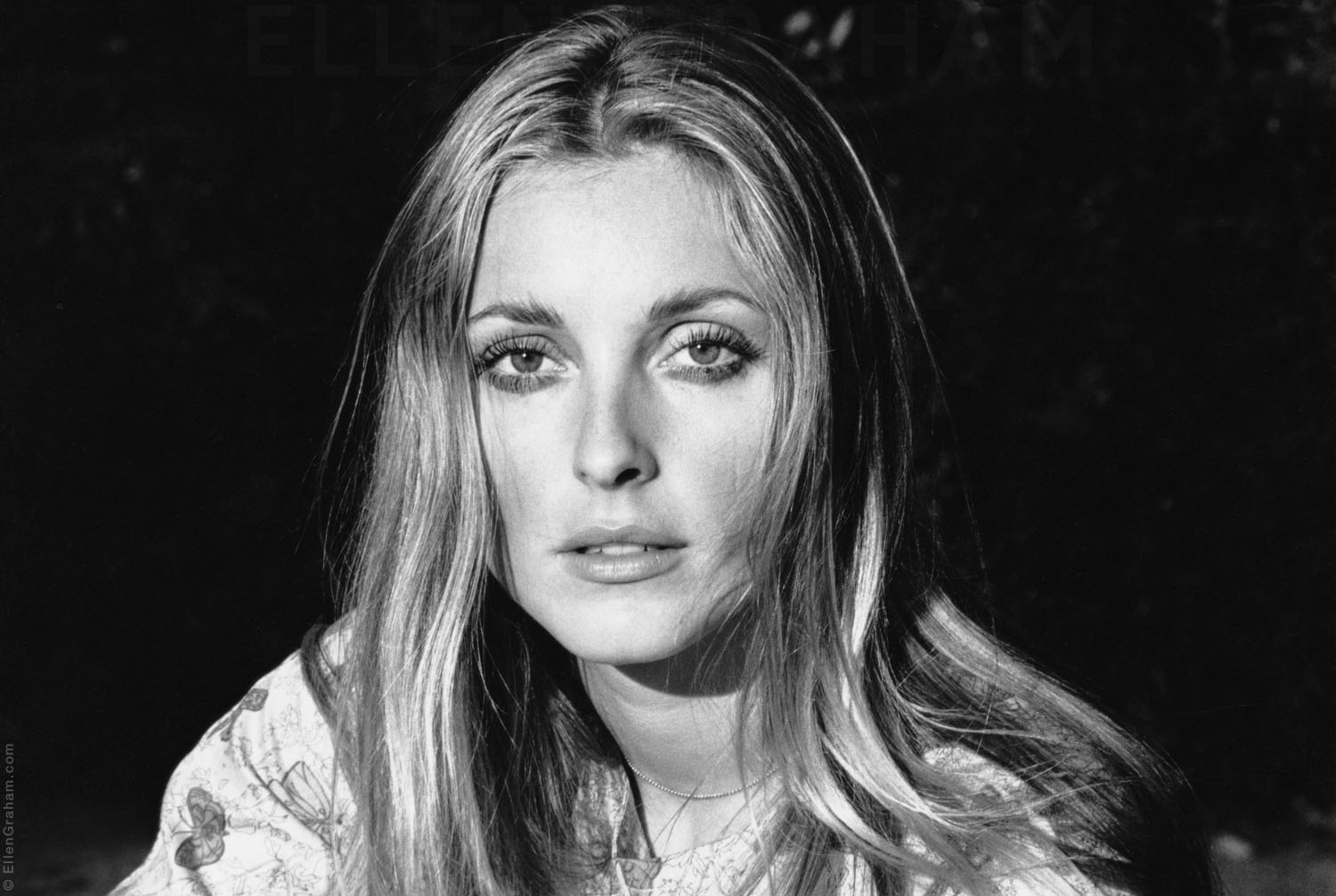
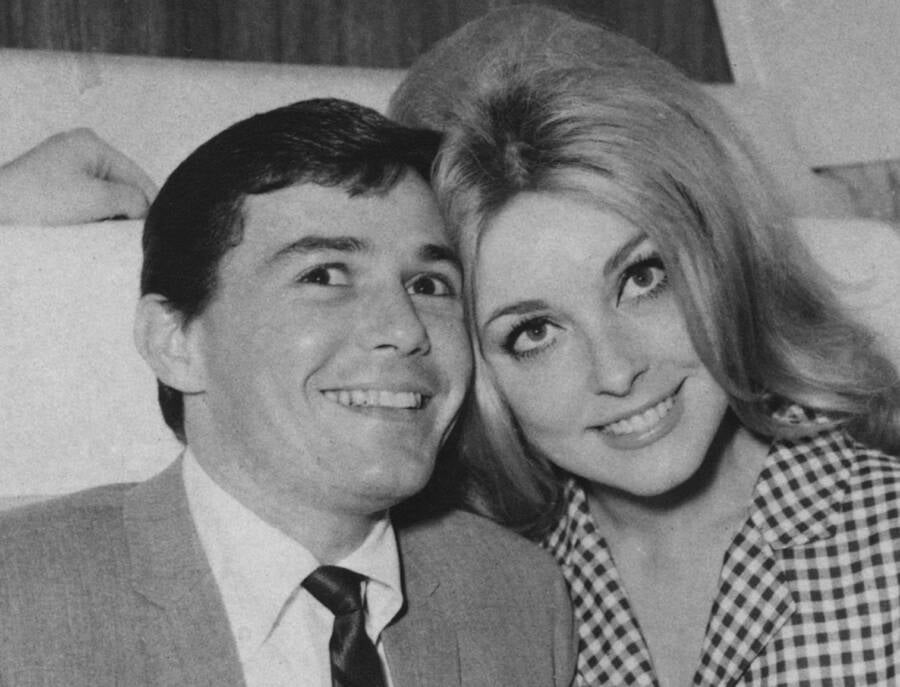
The victims were actress Sharon Tate, eight and a half months pregnant.
Coffee heiress Abigail Folger was there.
Celebrity hairstylist Jay Sebring was there.
Folger's boyfriend was there, a guest of the house.
A young man visiting the property's caretaker was there.
:max_bytes(150000):strip_icc()/Leslie-Van-Houten-030525-fd2591b965064cc0b888c70d473a57c6.jpg)
They were not chosen for anything they had done.
They were not chosen for anything they owned.
They were chosen because the house was there.
The killers were Tex Watson, Susan Atkins, Patricia Krenwinkel, and Linda Kasabian, who drove the car.
Charles Manson directed the attacks.
He was not present at the scene.
The specific roles of each perpetrator at Cielo Drive are not detailed in the record.
What is documented is the outcome: five dead, no obvious motive.
What is documented is the randomness.
The crimes were discovered the following morning by the victims' associates and family.
Sharon Tate's husband was in Europe at the time.
The house sat in the hills above Los Angeles.
The car that drove away was driven by Kasabian.
It is a documented fact that Manson directed the attacks.
It is not established that he was there.
The night was brutal. It was also inexplicable.
The investigation would begin with no reason for any of it.
THE SECOND NIGHT
The following night, August 10, 1969, Leno and Rosemary LaBianca were murdered in their Los Feliz home.
The killers were Tex Watson, Patricia Krenwinkel, and Leslie Van Houten.
Charles Manson himself entered the LaBianca house after the murders to bind the victims.
The killers left bloody handprints and written words in blood.
"Helter Skelter" was written on the refrigerator door.
Prosecutors later argued this was part of Manson's apocalyptic race-war ideology.
It was a theory of motive, not a documented fact.
The exact sequence of events inside the LaBianca home is not detailed in the source.
What happened in what order, who moved where, who wrote what — that would require evidence.
The night was a second night.
It was also an escalation.
The randomness of Cielo Drive had given way to something that looked like a message.
Blood on the walls.
A phrase on the refrigerator.
A name for a war that had not come.
THE JAILHOUSE CONFESSION
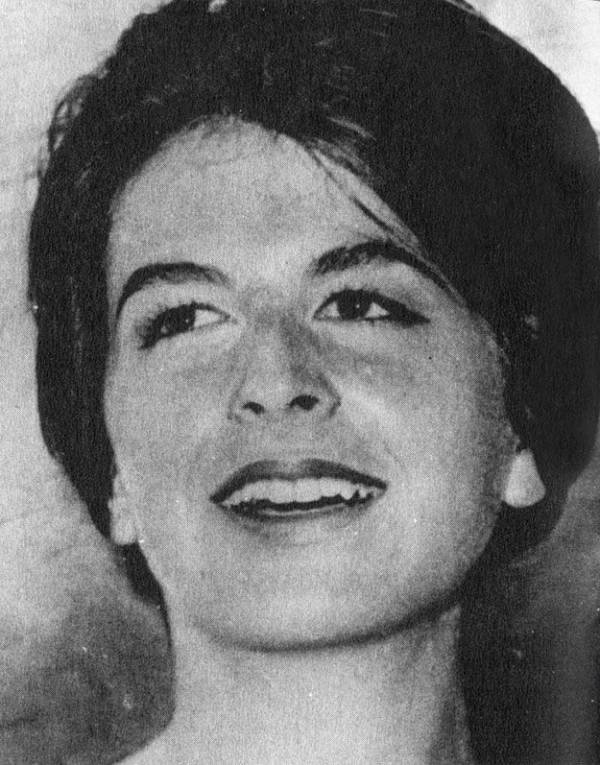
Susan Atkins was in jail on an unrelated charge when she told her cellmate, Virginia Graham, about the murders.
Graham relayed the information to authorities.
That led to arrests.
The case broke open on the word of one inmate to another.
The exact timing of Atkins's confession is not specified.
The details of how Graham relayed it are not specified either.
The record does not establish those particulars.
The prosecution still needed more than a cellmate's story.
Linda Kasabian had been present during the Cielo Drive murders.
She had driven the getaway car.
She was granted immunity in exchange for her testimony.
An accomplice's word, traded for freedom.
That is how the case was built.
Physical evidence backed the testimony.
Fingerprints were found at the scenes.
A knife was found at the scenes.
The investigation also uncovered the group's connection to Spahn Ranch.
That was where Manson and his followers lived.
Blood on the walls.
A phrase on the refrigerator.
A name for a war that had not come.
The confession tied the words to the people.
It tied the people to the ranch.
It tied the ranch to the night.
Without Graham, the case may have stalled.
Without Kasabian, it may have stalled too.
The state relied on the words of those who had been there.
That reliance carried the weight of the charges.
It also carried an unease.
An informant's motive is not the same as proof.
An accomplice's testimony is not the same as certainty.
The evidence was real.
The words were recorded.
The arrests were made.
What remains is the question of how much the case rested on what people said, rather than what they did.
AND THE STORY STILL ISN'T OVER
The trial began in June 1970.
Manson, Atkins, Krenwinkel, and Van Houten were charged with first-degree murder.
Kasabian was granted immunity in exchange for her testimony.
The prosecution argued that Manson orchestrated the murders to incite a race war he called "Helter Skelter."
The defense contended that Manson had not ordered the killings.
That remains the line the case never crossed.
The conviction was for murder.
The motive was a theory.
In January 1971, all four defendants were convicted of first-degree murder.
The jury imposed the death penalty.
In 1972, the California Supreme Court abolished the death penalty.
Their sentences were commuted to life in prison.
Watson, tried separately, was also convicted and sentenced to death.
His sentence was later commuted to life as well.
The words that cracked the case came from a cellmate's report.
The case that followed rested on what people said.
It rests on what people said.
Manson died in prison in 2017.
Atkins died in prison in 2009.
Krenwinkel and Watson remain incarcerated.
Van Houten remains incarcerated, her parole repeatedly denied.
The exact parole status of Krenwinkel and Watson is not specified beyond that.
They remain.
The record does not establish whether either has been denied parole.
It only establishes that they are still there.
The story still isn't over.
It is a story of what was said.
It is also a story of what was never proven.
Was the race war real?
Was the order ever given?
Was the motive ever more than a theory?
That would require evidence.
The record does not provide it.
Advertisement
You may also like
The cell tower records that placed Adnan Syed near Leakin Park — and the defense that tore them apart
The note was found in Hae Min Lee's car, and it read "I'm going to kill." Prosecutors argued Adnan Syed wrote it. The defense…
The 2002 fishing trip that Scott Peterson said explained everything — and the boat anchor that didn't match
December 24, 2002, and Scott Peterson reports his eight-months-pregnant wife Laci missing from their Modesto home. He says he spent that morning fishing at…
The 3:15 a.m. attack that 38 neighbors reportedly heard — but the timeline has a hole
She was almost home. Catherine "Kitty" Genovese, 28, had walked from her job at Ev's 11th Hour Bar to her apartment building at 82-70…
The white Cadillac witness said he was inside — 27 years later, one man faces trial
A white Cadillac pulled alongside a BMW sedan on the Las Vegas Strip. It was September 7, 1996, and gunfire erupted. The BMW carried…
The phone call that made a friend dial police — and the interview that followed
The missed appointment was a doctor’s appointment, and the phone went unanswered. On August 13, 2018, in Frederick, Colorado, a friend called police to…
The smiley-face confession that made a sister call the police
The note was found in March 1995, near a woman's body in Oregon. It was handwritten, a confession. It was signed with a smiley…