The cell tower records that placed Adnan Syed near Leakin Park — and the defense that tore them apart
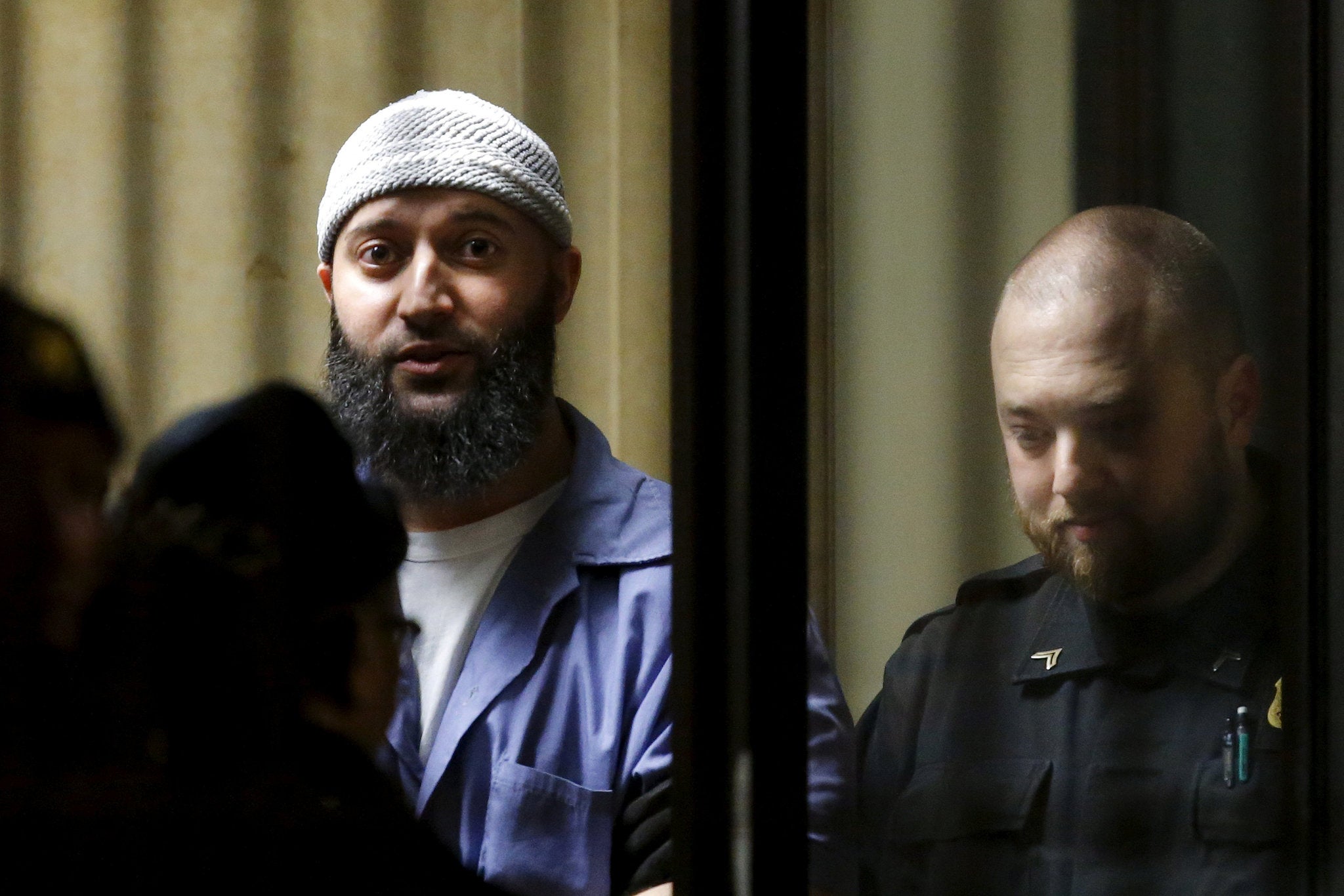
The note was found in Hae Min Lee's car, and it read "I'm going to kill."
Prosecutors argued Adnan Syed wrote it. The defense disputed that.
Whether Syed wrote the note is not established. Its origin was never definitively established. Its meaning was never definitively established.
The note surfaced during the investigation, a fragment with no clear author and no clear intent. It sat alongside other pieces of evidence, each one partial, each one contested.
It is a detail that raises a question. It is also a detail that answers nothing.
What else in this case is ambiguous?
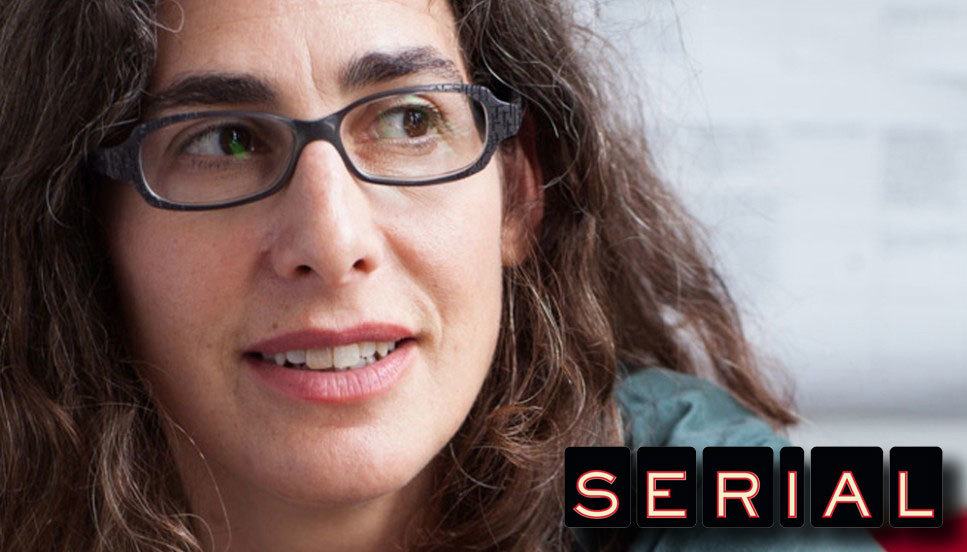
Years later, the journalist Sarah Koenig examined the evidence on the podcast "Serial." She traced the investigation, the testimony, the records. She raised questions about how the case was built and how it was tried.
The note returned in that retelling, still unsigned, still unexplained.
It was one piece among many. The cell records, the witness, the timeline. Each one carried weight. Each one carried doubt.
The record does not resolve the note. It only shows that it existed, and that both sides claimed it.
That would require evidence. That would require a certainty the case never produced.
So the note remains what it was in 1999: a scrap in a car, read differently by different people.
THE DISAPPEARANCE
January 13, 1999, was a Wednesday.
Hae Min Lee, an 18-year-old senior at Woodlawn High School, left school that afternoon and did not come home.
She had a routine errand that day: picking up her younger cousin from daycare.
She never made it.
Her family reported her missing when she failed to arrive.
Police initially treated her as a missing person.
They looked for a girl who had simply not shown up where she was expected.
That search lasted nearly a month.
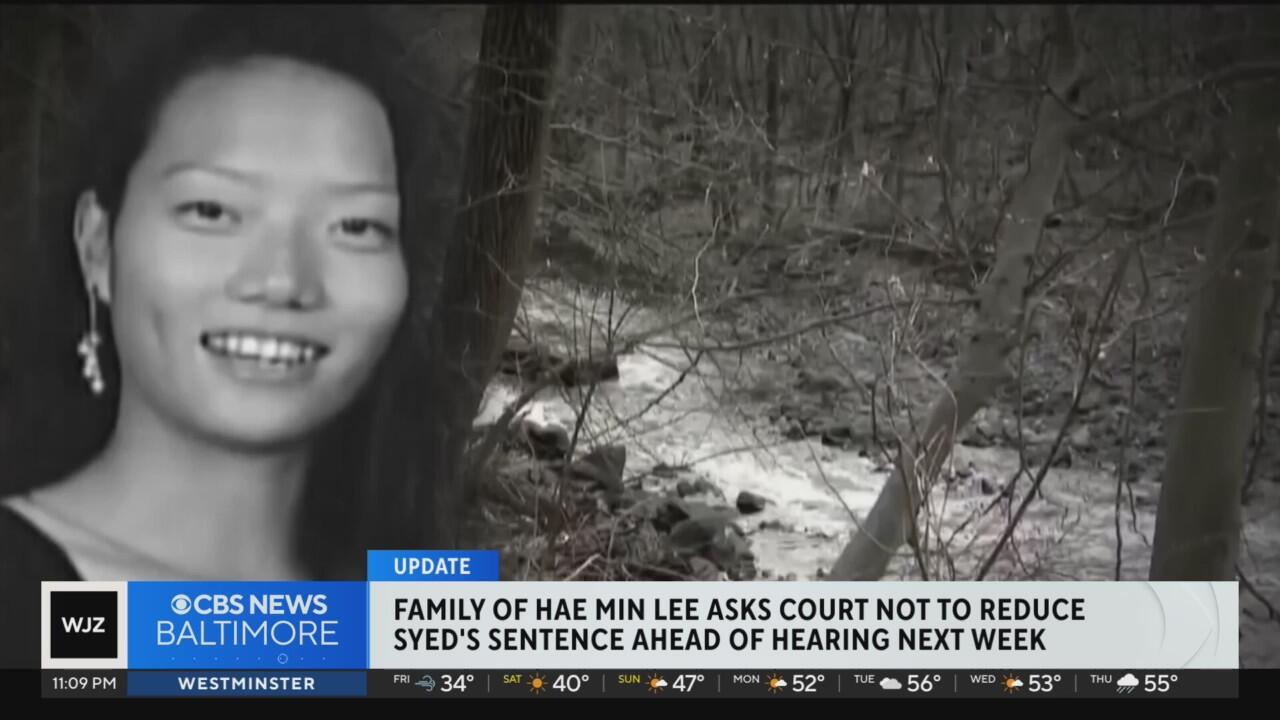
On February 9, 1999, her body was found in Leakin Park in Baltimore City.
She was buried in a shallow grave.
The cause of death was manual strangulation.
The weapon was not recovered, because there was no weapon.
The case sat unsolved for weeks.
Then an anonymous phone call pointed detectives toward Adnan Syed, Lee's ex-boyfriend and classmate.
The identity of that caller is not in the record.
It is not established who called, or why.
What the record shows is the call happened, and the investigation turned.
Detectives from the Baltimore County and Baltimore City police departments shifted their focus.
A normal day had become a mystery.
A missing person's case had become a murder investigation.
A routine errand had become the last thing Hae Min Lee was known to do.
The record does not say what she was thinking that afternoon.
It only shows that she left school, and that she never arrived at the daycare.
Everything else came later, in testimony and in records that would be argued over for decades.
THE WITNESS AND THE RECORDS
Jay Wilds, an acquaintance of Syed, testified that Syed showed him the body and asked for help burying it.
Wilds led police to the victim's car, a gray Nissan, found in a residential area.
Prosecutors used cell phone records, including incoming and outgoing call logs, to place Syed near Leakin Park at the time of the burial.
The call logs showed the phone pinging off towers, and the towers put the phone in the park's vicinity.
The defense argued the cell tower data was insufficient to prove Syed's location.
Incoming calls, the defense argued, may not have indicated the phone's location if the call went to voicemail.
A call that goes unanswered does not require the phone to move.
It does not require the phone to be anywhere at all.
It only requires the network to route a signal, and that routing depends on things the record does not explain.
What the towers showed, and what they meant, became a central point of contention.
The records were argued over at trial.
They were argued over in appeals.
They were argued over again, years later, in a podcast that asked whether the technology could really prove what the prosecution claimed.
Whether the cell records definitively placed Syed at the burial site is not established.
The defense contested it, and the contest never fully resolved.
The records remain part of the trial record, but what they prove remains an open question.
How much can technology really prove?
Can a log of pings place a man at a grave?
Can a tower's reach stretch across a park, or across a city, or across a doubt?
The record does not say.
That would require evidence, and the evidence was argued, not settled.
THE TRIAL AND THE ALIBI
The trial began in January 2000 in Baltimore City Circuit Court.
Syed was charged with first-degree murder, kidnapping, robbery, and false imprisonment.
The prosecution's case rested primarily on Jay Wilds's testimony and the cell phone records.
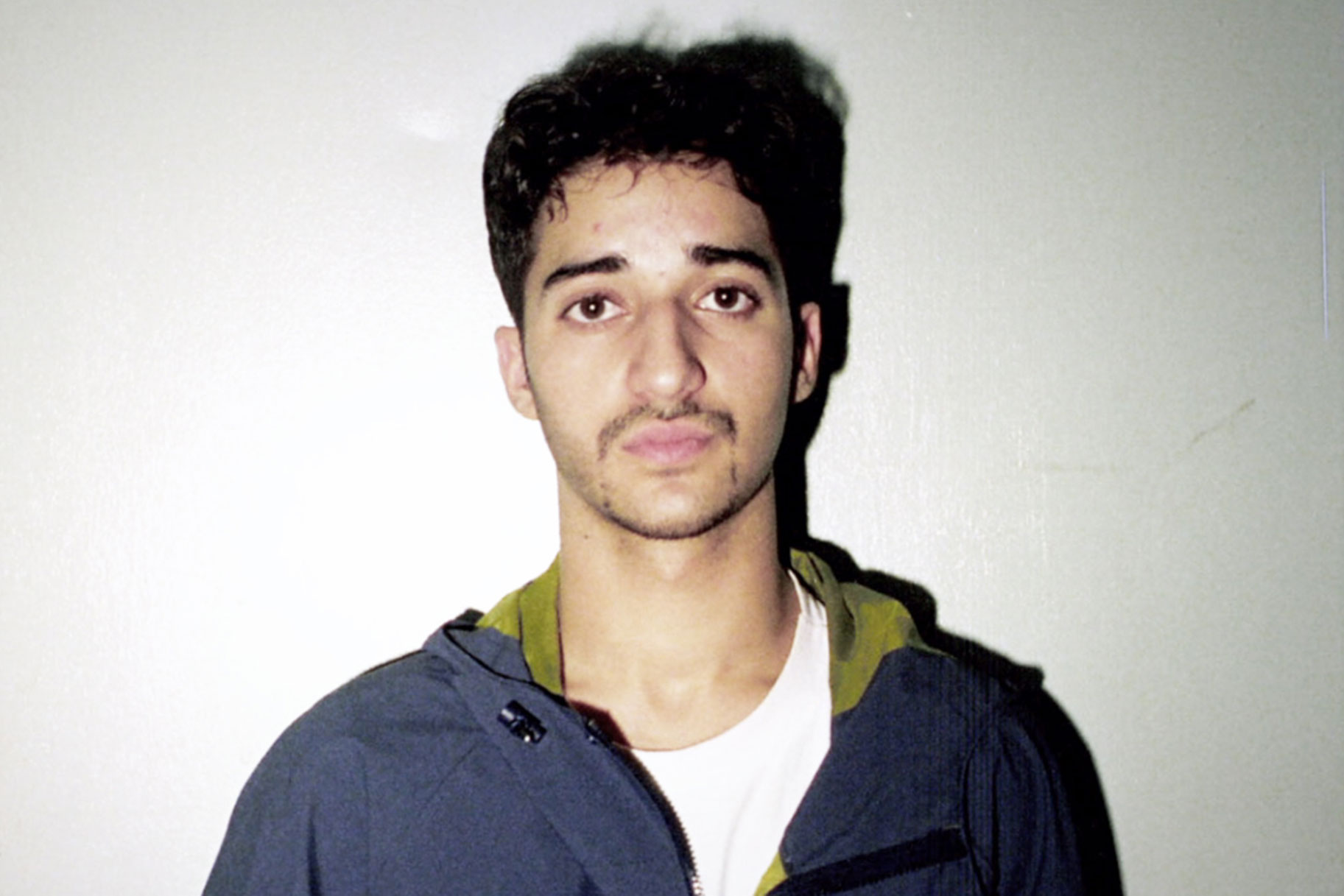
The defense argued Wilds was not credible.
The defense argued the evidence was circumstantial.
What if the jury had heard from Asia McClain?
What if the library had been checked?
What if one phone call had been made?
That would require evidence, and the evidence was not gathered.
McClain claimed she saw Syed at the Woodlawn Public Library around the time of the murder.
She was not called to testify.
The defense did not pursue the alibi.
Whether McClain's alibi was credible is not established; it was not tested in court.
On February 25, 2000, the jury found Syed guilty of first-degree murder.
He was sentenced to life in prison plus 30 years.
The omission of McClain became a major issue in later appeals.
It suggested ineffective assistance of counsel.
The record does not say what Gutierrez was thinking.
The record does not say why the lead was dropped.
The record does not say what one witness might have changed.
It only says she was not called.
The verdict was delivered.
The sentence was read.
The courtroom moved on.
AND THE STORY STILL ISN'T OVER
The verdict was delivered.
The sentence was read.
The courtroom moved on.
For a decade, the record stayed closed.
In 2010, a post-conviction petition was filed.
It alleged ineffective assistance of counsel.
Specifically, the failure to investigate Asia McClain's alibi.
She claimed she saw Syed at the Woodlawn Public Library around the time of the murder.
That omission became the hinge.
In 2016, a judge granted Syed a new trial.
The Maryland Court of Special Appeals reversed that decision in 2019.
The story turned again.
In 2022, a Baltimore City Circuit Court judge vacated Syed's conviction.
The judge cited violations of his rights and new evidence.
Prosecutors later dropped the charges entirely.
They cited new DNA evidence.
They cited the unreliability of the original investigation.
Whether that DNA evidence exonerates Syed is not established.
It was cited in the decision to drop charges.
That is what the record shows.
Syed was released from prison in September 2022.
He had served over twenty years.
The case remains controversial.
Some maintain his guilt.
Others argue his innocence.
The record holds both possibilities.
Hae Min Lee's family has expressed frustration.
Frustration with the legal process.
Frustration with the focus on Syed's fate rather than the victim.
She was on the ground below.
Her body was found in Leakin Park in February 1999.
The cause of death was manual strangulation.
The weapon was never recovered.
The cell tower records remain part of the trial record.
The defense's arguments against them remain part of the public record.
The viral theory that the records were fabricated is a theory.
The record does not establish it.
The record does not establish the opposite either.
Justice, here, is not neatly concluded.
It is a sentence served.
It is a conviction vacated.
It is a family still waiting.
Advertisement
You may also like
The 17-year mail-bomb trail that began with a package in Chicago
The package was found in May 1978 at the University of Illinois at Chicago. It was the first in a series. It was a…
The 2002 fishing trip that Scott Peterson said explained everything — and the boat anchor that didn't match
December 24, 2002, and Scott Peterson reports his eight-months-pregnant wife Laci missing from their Modesto home. He says he spent that morning fishing at…
The 3:15 a.m. attack that 38 neighbors reportedly heard — but the timeline has a hole
She was almost home. Catherine "Kitty" Genovese, 28, had walked from her job at Ev's 11th Hour Bar to her apartment building at 82-70…
The white Cadillac witness said he was inside — 27 years later, one man faces trial
A white Cadillac pulled alongside a BMW sedan on the Las Vegas Strip. It was September 7, 1996, and gunfire erupted. The BMW carried…
The phone call that made a friend dial police — and the interview that followed
The missed appointment was a doctor’s appointment, and the phone went unanswered. On August 13, 2018, in Frederick, Colorado, a friend called police to…
The smiley-face confession that made a sister call the police
The note was found in March 1995, near a woman's body in Oregon. It was handwritten, a confession. It was signed with a smiley…