The 31-day gap and a car that smelled of death: what detectives couldn't ignore
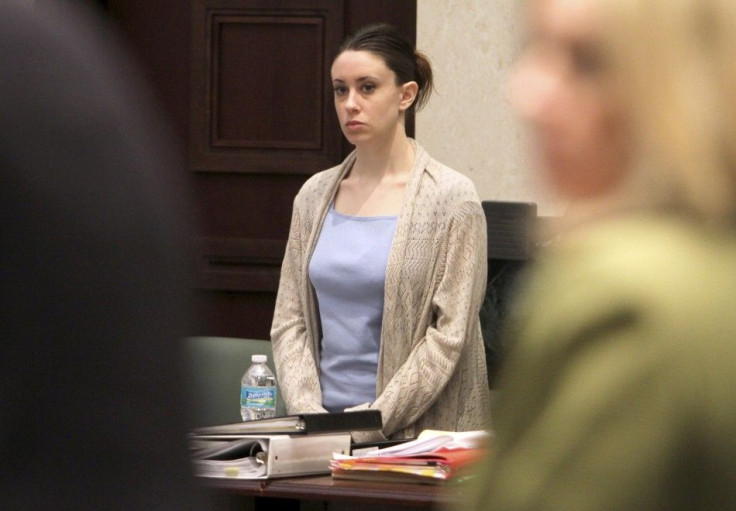
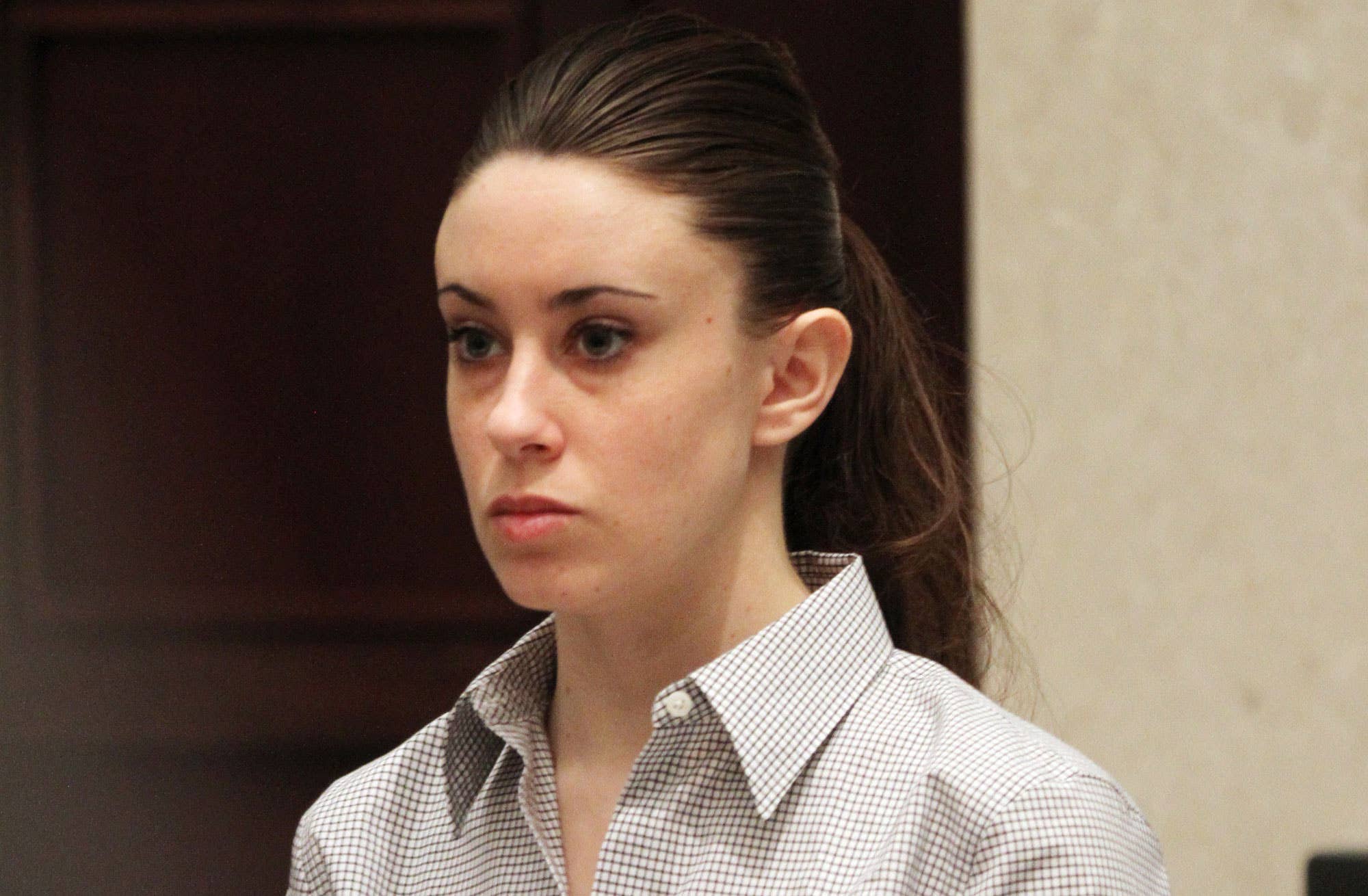
Cindy Anthony called 911 on July 15, 2008, to report her two-year-old granddaughter missing.
She told the dispatcher that Casey Anthony's car smelled of decomposition.
The child had not been seen for 31 days.
A gap that would become central to the investigation.
The car, a white Pontiac Sunfire, was later found abandoned at a tow yard.
Forensic testing detected chloroform and decomposition odor.
The smell was there. The record says so.
What the smell meant was another question.
Online theories argue that Caylee drowned accidentally in the family pool.
That is a theory, not a fact established by the record.
The medical examiner could not determine the cause of death due to decomposition.
Not because the evidence was hidden. Because the remains were too far gone.
The 911 call came from a grandmother. The smell came from her daughter's car.
The child had been gone for a month before anyone called.
Why the delay? The record does not say.
Why the smell? The record does not say.
Why did the car end up at a tow yard? The record does not say.
That would require evidence.
The investigation began with that call, that smell, that gap.
Detectives would spend years trying to close it.
:max_bytes(150000):strip_icc():focal(623x0:625x2)/George-Anthony-Cindy-Anthony-010424-3-9f1c1549a75741468dc8eddbec6fa69c.jpg)
THE 31-DAY GAP
That would require evidence.
Caylee was last seen on June 16, 2008.
The missing person report came on July 15.
Thirty-one days sat between those two dates.
The prosecution's timeline leaned on that gap.
Casey Anthony told investigators a story.
Her daughter, she said, had been kidnapped by a babysitter.
The babysitter's name was Zenaida Fernandez-Gonzalez.
Investigators determined that babysitter did not exist.
Detective Yuri Melich of the Orange County Sheriff's Office documented the inconsistencies.
He wrote down what she said, and he wrote down what she had said before.
They did not match.
Casey was charged with providing false information to law enforcement.
That charge came before the murder charges were added.
The charging documents list the lies: the kidnapper, the whereabouts, the sequence of events.
She told them Caylee was taken on June 9.
She told them she had been searching for weeks.
She told them a name that belonged to no one.
Why would a mother wait 31 days?
Why would she invent a kidnapper?
Why would she report a child missing only after her own mother forced the call?
That would require evidence.
What Casey did during those 31 days is not in the record.
The record shows the gap.
The record shows the false statements.
The record shows a detective who kept writing them down, one after another, waiting for a version that held.
THE CAR AND THE REMAINS
The tow yard was the first place the record connects to what came later.
Forensic reports showed the white Pontiac Sunfire tested positive for chloroform and the odor of decomposition.
Not because the car looked unusual. Because the smell was the kind that does not wash out.
The car sat there while detectives wrote down what Casey Anthony told them, and while the 31-day gap grew larger in the file.
Then, on December 11, 2008, a utility worker's tip sent investigators to a wooded area about a quarter-mile from the Anthony home.
They found skeletal remains.
Crime scene evidence showed the body was wrapped in a laundry bag and a blanket.
Duct tape was found near the skull.
The remains were identified as Caylee Anthony.
The medical examiner could not determine the cause of death due to decomposition.
No weapon was identified.
The record does not establish how she died.
What the record does establish is the distance: from the tow yard to the wooded area, from the smell in the car to the remains in the bag, from the last reported sighting to the day the child was reported missing.
Detectives had a car that smelled of death and a child who had not been seen for 31 days.
Then they had the remains.
The gap was filled with evidence, not speculation.
The cause of death remained undetermined.
That is what the record says, and that is where the connection stops being a theory.
TWO STORIES, ONE SET OF FACTS
The prosecution told the jury that Casey Anthony killed her daughter to regain a carefree lifestyle.
The 31-day gap was the frame for that story.
The car's decomposition odor was the hinge.
Prosecutors argued that a mother who waited a month to report her child missing, while her car reeked of death, had something to hide.
The defense told a different story with the same facts.
Caylee drowned accidentally in the family pool, the defense argued.
George Anthony found the body and disposed of it, they claimed — a theory the prosecution rejected outright.
The forensic evidence sat between the two narratives.
Computer searches for chloroform were found on the family computer, prosecutors noted.
The defense argued the searches could have been accidental.
A typo, a curiosity, a mistake.
That would require evidence.
The trial began in May 2011.

It lasted six weeks.
The jury heard the 31-day gap.
They heard the decomposition odor.
They heard the chloroform searches and the drowned-in-the-pool theory.
On July 5, 2011, the jury acquitted Casey Anthony of murder and child abuse.
She was convicted of four counts of providing false information to law enforcement.
What actually happened in the pool or the car is not established by the record.
The cause of death remained undetermined.
The verdict did not resolve the two stories.
It chose between them — or refused to choose at all.
AND THE STORY STILL ISN'T OVER
She was released from jail on July 17, 2011, after being sentenced to time served plus a fine and probation.
She has not been retried for Caylee's death.
No one else has ever been charged.
The cause of death remains undetermined.
What happened during the 31-day gap remains unknown.
That is what the record does not establish.
Casey Anthony has maintained her innocence.
George and Cindy Anthony have remained in Florida.
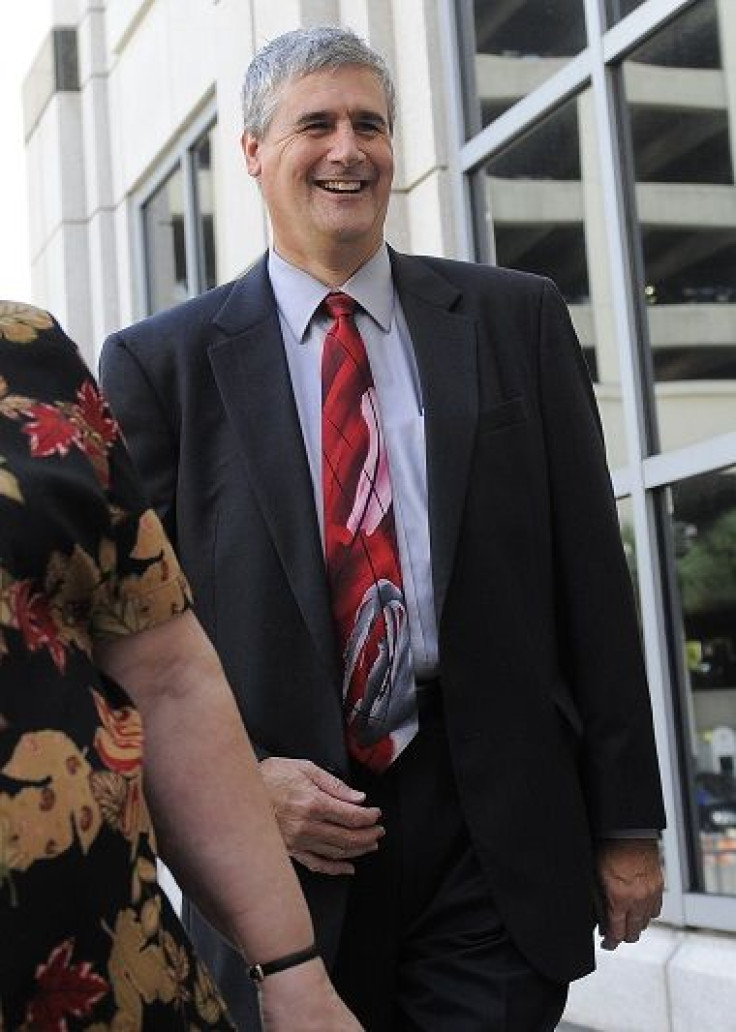
George Anthony has spoken publicly about the case.
The legal case ended.
The questions did not.
Why did the car smell of decomposition?
Why did the false statements multiply?
Why the 31 days of silence?
That would require evidence the record does not provide.
The jury acquitted her of murder, child abuse, and manslaughter.
It convicted her of four counts of providing false information to law enforcement.
She served the time already spent in jail.
She walked out.
The remains stayed in the ground of the public imagination.
The utility worker's tip led to the wooded area.
The laundry bag, the blanket, the duct tape near the skull — those were found.
The medical examiner could not say how the child died.
The defense argued for an accidental drowning.
The prosecution argued for a killing.
Neither story resolved itself.
The case remains unresolved in the public eye.
It is closed in court.
It is open everywhere else.
The 31-day gap is a hole no verdict filled.
The odor in the Pontiac Sunfire is a fact without an explanation.
The chloroform searches on the family computer were argued, not settled.
One sentence lands alone: She was on the ground below the verdict, and the ground did not give.
Advertisement
You may also like
Why the defense said Muhammad wasn't at the scene — and the jury still convicted
The Chevrolet Caprice was parked at a rest stop near Myersville, Maryland, when police arrested two men sleeping inside. In the trunk, officers found…

The dog kennel video that shattered a lawyer's alibi in the Murdaugh murders
It begins with a dog kennel. Investigators obtained cellphone video from the kennel on the Murdaugh family’s hunting estate in Colleton County, South Carolina.…
The folded pajama top that unraveled a Green Beret doctor's story of intruders
The pajama top was folded. That is the detail that does not fit. On February 17, 1970, at Fort Bragg, North Carolina, army physician…
The 31-day silence before a grandmother’s 911 call about Caylee Anthony
It started with a 911 call from a grandmother. On July 15, 2008, Cindy Anthony called from her home in Orlando, Florida, to report…
The .40-caliber pistol that ended Versace's life — and the man who never faced a trial
The morning of July 15, 1997, was already hot on Ocean Drive. Gianni Versace had walked to a café and was coming back to…
The 12-year-old who took Tylenol for a cold — and the family who demanded answers
A 12-year-old girl in Elk Grove Village took Extra-Strength Tylenol for a cold. She died that same day, September 29, 1982. She was the…