Amanda Knox acquitted by Italy's highest court after a years-long legal battle over Meredith Kercher's murder

On November 2, 2007, police in Perugia, Italy, were called to a cottage shared by four exchange students. A mobile phone belonging to Meredith Kercher, a 21-year-old British student from Coulsdon, Surrey, had been found in a nearby garden. Inside the house, officers discovered Kercher's body in her bedroom. According to the case file, she had been sexually assaulted and stabbed multiple times in the throat.
Present when police arrived was Kercher's American roommate, Amanda Knox, a 20-year-old student from Seattle. Knox initially told officers she had spent the night at her boyfriend's apartment. That boyfriend, Raffaele Sollecito, an Italian student, soon became a central figure in the investigation.

A third person, Rudy Guede, an Ivorian national who had been seen around Perugia, was also implicated. Guede was arrested in Germany days after the murder and extradited to Italy.
Police focused on Knox and Sollecito after inconsistencies emerged in their statements. Knox changed her account several times, at one point claiming she had been in the house and heard Kercher scream, then later retracting that, according to the official record. The investigation centered on DNA evidence. Forensic analysis found Knox's DNA on a kitchen knife believed to be the murder weapon, and Kercher's DNA on the blade. Sollecito's DNA was reportedly found on Kercher's bra clasp.

But the reliability of those findings was heavily contested. Independent experts later criticised the handling of the evidence, noting contamination and improper collection procedures. Guede's DNA and footprints were found in Kercher's room, and his blood was on her body.
The legal path was long and twisting. Guede was tried separately and convicted of sexual assault and murder in 2008. He was sentenced to 30 years in prison, later reduced to 16 years on appeal.
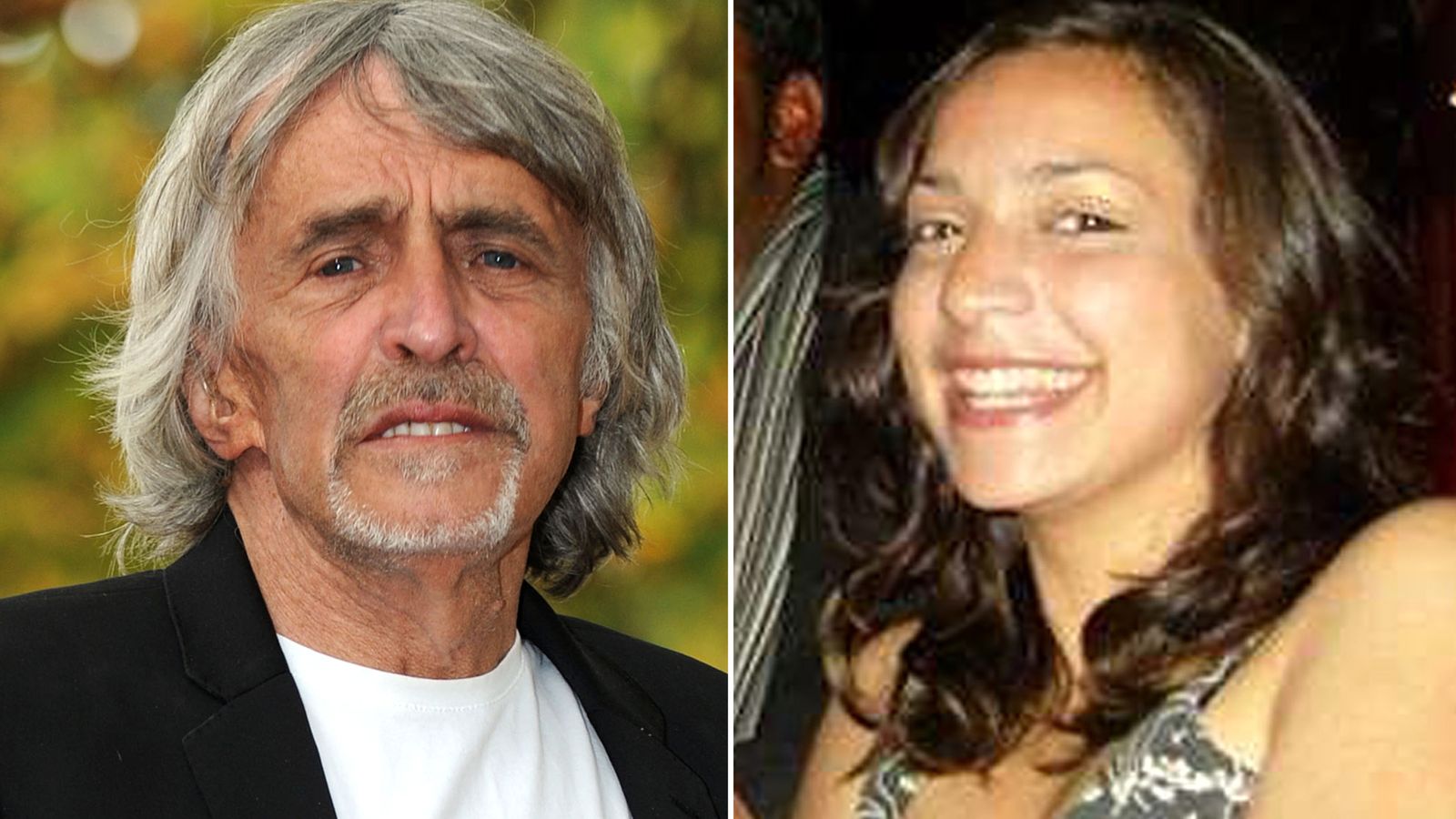
Knox and Sollecito were tried together. In December 2009, both were convicted of murder and sexual assault. Knox was sentenced to 26 years in prison; Sollecito to 25 years. In 2011, an appeals court overturned their convictions, citing a lack of reliable evidence, and they were released after four years in custody.
The prosecution appealed, and in 2013, Italy's highest court ordered a retrial. In January 2014, a Florence appeals court reinstated the guilty verdicts, with Knox sentenced to 28 years and Sollecito to 25 years.

Then, in March 2015, Italy's Court of Cassation definitively acquitted both Knox and Sollecito, ruling that the evidence did not support their involvement. The acquittal was final. Guede's conviction stood, though his sentence was later reduced further.
Amanda Knox returned to the United States after her 2011 release and has since become an author and public speaker, writing a memoir about her experience. Raffaele Sollecito has also written about the case and has spoken publicly about his ordeal. Rudy Guede was released from prison in 2021 after serving a reduced sentence, having been granted work release earlier.
Meredith Kercher's family has continued to speak publicly about her memory and the impact of the case. The case remains a subject of intense media and public debate, particularly regarding the conduct of the Italian police and forensic procedures.
What is still unknown is the full truth of what happened inside that cottage on the night of November 1, 2007. Despite the final acquittal, the case has left open questions about the handling of evidence and the reliability of the initial investigation. No further legal action has been taken against Knox or Sollecito in Italy, and the Italian courts have closed the matter. For the Kercher family, the case is closed in law but not in memory.
Advertisement
You may also like
Michael Peterson guilty of second-degree murder in 2003 staircase death; conviction later overturned
Just before 2:40 a.m. on December 9, 2001, novelist Michael Peterson called emergency services from his home in Durham, North Carolina, reporting that his…

Elizabeth Smart found alive nine months after 2002 Utah kidnapping; captor convicted in 2010
On the morning of June 5, 2002, the Smart family of Salt Lake City, Utah, discovered that their 14-year-old daughter, Elizabeth, was missing from…

Van der Sloot admits killing Natalee Holloway in 2023 plea, is serving time in Peru
In a U.S. federal courtroom in Alabama in 2023, Joran van der Sloot pleaded guilty to extortion and wire fraud charges. As part of…

Jury convicts Scott Peterson of first-degree murder in deaths of wife Laci and unborn son
On November 12, 2004, a jury in Redwood City, California, delivered a verdict that would close one chapter in a case that had gripped…

FBI says Laundrie's notebook admits killing Gabby Petito; case closed
On September 11, 2021, Gabby Petito's mother filed a missing person report. The 22-year-old from Long Island, New York, had not returned from a…

Arrest at Dahmer's apartment follows escape; 15 murder charges filed
On the night of July 22, 1991, a man flagged down two police officers on a Milwaukee street. He was handcuffed, disoriented, and told…