Jury convicts Scott Peterson of first-degree murder in deaths of wife Laci and unborn son
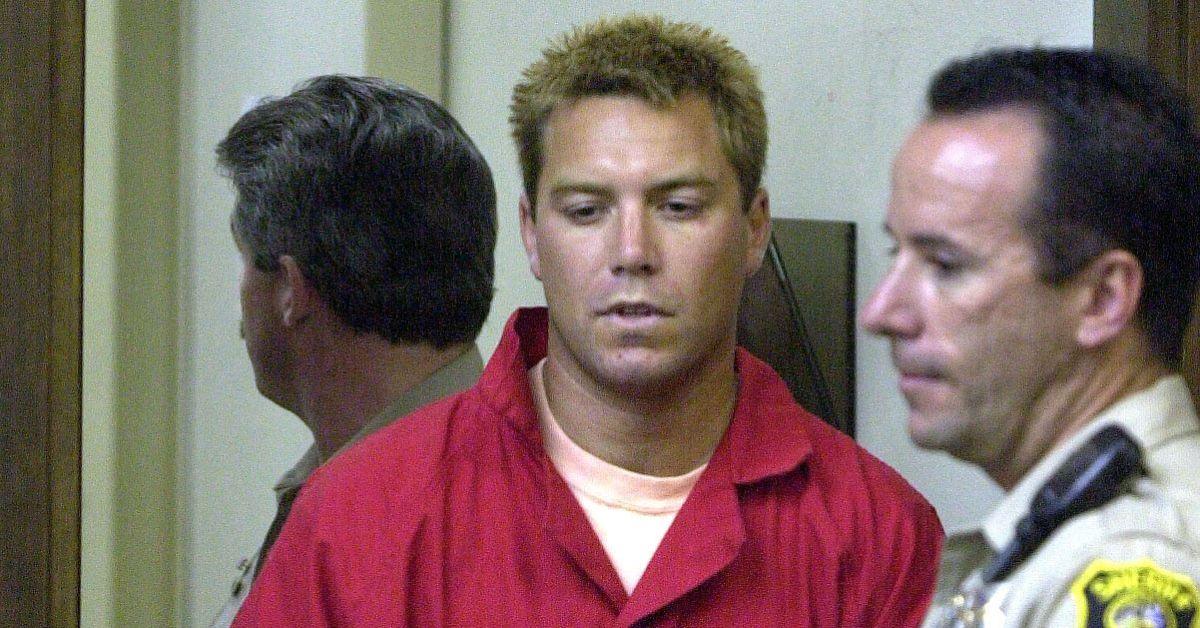
On November 12, 2004, a jury in Redwood City, California, delivered a verdict that would close one chapter in a case that had gripped the nation for nearly two years. Scott Peterson, 32, was found guilty of first-degree murder in the death of his wife, Laci Peterson, and second-degree murder in the death of their unborn son, Conner. The verdict came after a trial that began in June 2004, moved from Modesto due to extensive pretrial publicity.
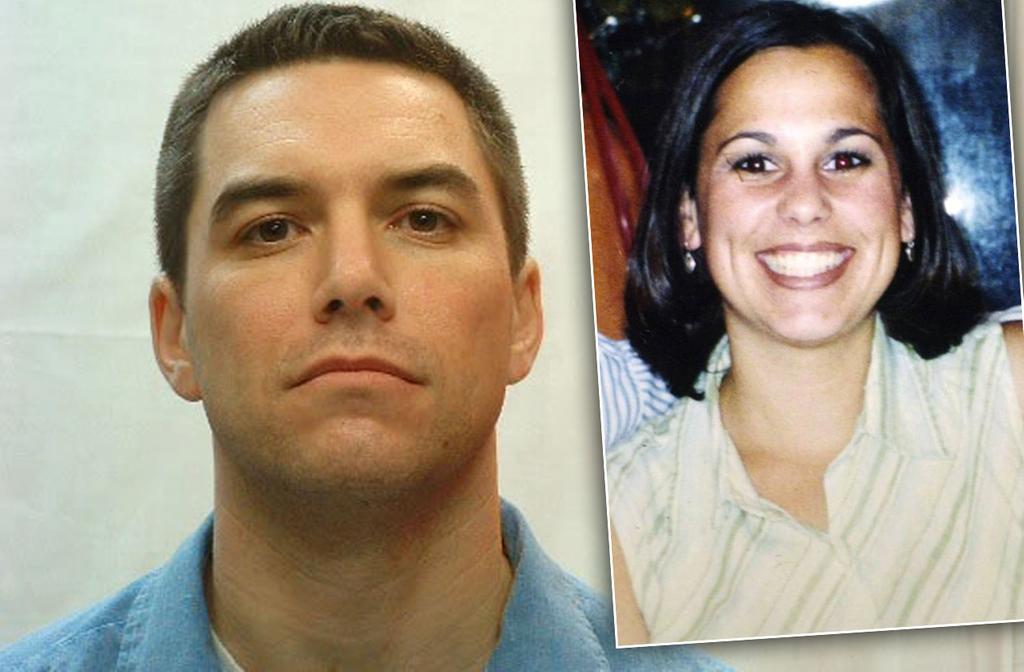
The case began on December 24, 2002, when Laci Peterson, 27 and eight months pregnant, was reported missing from her home in Modesto. Her husband, Scott, told police he had gone fishing that morning at the Berkeley Marina and returned to find her gone. He said he had not caught any fish. The disappearance drew massive national media attention, with volunteers searching fields and waterways while reporters camped outside the Peterson home.

Suspicion quickly fell on Scott Peterson, according to police reports. Investigators learned that he had been having an affair with a woman named Amber Frey, who came forward and cooperated with police. Frey told authorities that Scott had claimed to be a widower, even as his wife was missing. The affair became a central thread in the prosecution's case.
:max_bytes(150000):strip_icc():focal(749x0:751x2)/Laci-and-Scott-Peterson-081224-255c69408379478482d3a927e5d377ee.jpg)
On April 13, 2003, the body of a male infant washed ashore in San Francisco Bay. The next day, the body of a woman was found nearby. The woman was identified as Laci Peterson; the infant was identified as her unborn son, whom the couple had planned to name Conner. The bodies were found about 90 miles from Modesto, near the Berkeley Marina where Scott said he had been fishing.

Police had searched the Peterson home and reported finding evidence of a clean-up, including a mop and bleach. A crucial piece of evidence emerged when investigators discovered a homemade concrete anchor near where the bodies were found. According to prosecutors, the anchor matched a tarp and duct tape found in Scott Peterson's boat, a 14-foot aluminum fishing boat he had used on the day of Laci's disappearance. The boat became central to the prosecution's theory that Scott had disposed of the bodies in the bay.

The investigation was not without missteps. Police initially treated Laci's disappearance as a possible abduction, and a neighbor reported seeing a woman matching Laci's description walking a dog near the home that morning. That sighting initially suggested she had left voluntarily, but was later called into question. A significant mistake by police was the initial failure to secure the Peterson home immediately, allowing potential evidence to be compromised, according to case records.
In April 2003, Scott Peterson was arrested in San Diego, California, after being found with dyed hair and a large amount of cash. He was charged with two counts of first-degree murder: one for Laci and one for Conner. The trial, moved to Redwood City, featured dueling narratives. The prosecution argued that Peterson had killed his wife to escape his marriage and impending fatherhood. The defense argued that Laci had been abducted by strangers while walking her dog.
The jury deliberated before returning its verdict. In March 2005, Scott Peterson was sentenced to death by lethal injection. But the case did not end there. Peterson appealed, and in 2020, the California Supreme Court overturned the death sentence, ruling that jury selection had been flawed. The court upheld the murder convictions, leaving the guilty verdicts intact.
As of the latest widely reported updates, Scott Peterson remains on death row at San Quentin State Prison, though his death sentence was overturned and he is awaiting resentencing, which could result in life in prison without parole. The case has seen ongoing legal motions and appeals. Laci Peterson's family, including her mother Sharon Rocha, have continued to advocate for the original sentence and have spoken publicly about their loss.
What remains unknown is the exact sequence of events on December 24, 2002, inside the Peterson home. No weapon was ever found, and Scott Peterson has maintained his innocence. The concrete anchor and the boat linked him to the disposal of the bodies, but the prosecution's case relied heavily on circumstantial evidence. The defense's theory of a stranger abduction was never proven, but neither was it definitively ruled out.
The next concrete step in the legal process is the resentencing hearing, which will determine whether Scott Peterson spends the rest of his life in prison or is eligible for parole. That hearing has been delayed by appeals and motions. For now, the convictions stand, and the case remains one of the most heavily covered criminal cases in American media history.
Advertisement
You may also like

Van der Sloot admits killing Natalee Holloway in 2023 plea, is serving time in Peru
In a U.S. federal courtroom in Alabama in 2023, Joran van der Sloot pleaded guilty to extortion and wire fraud charges. As part of…
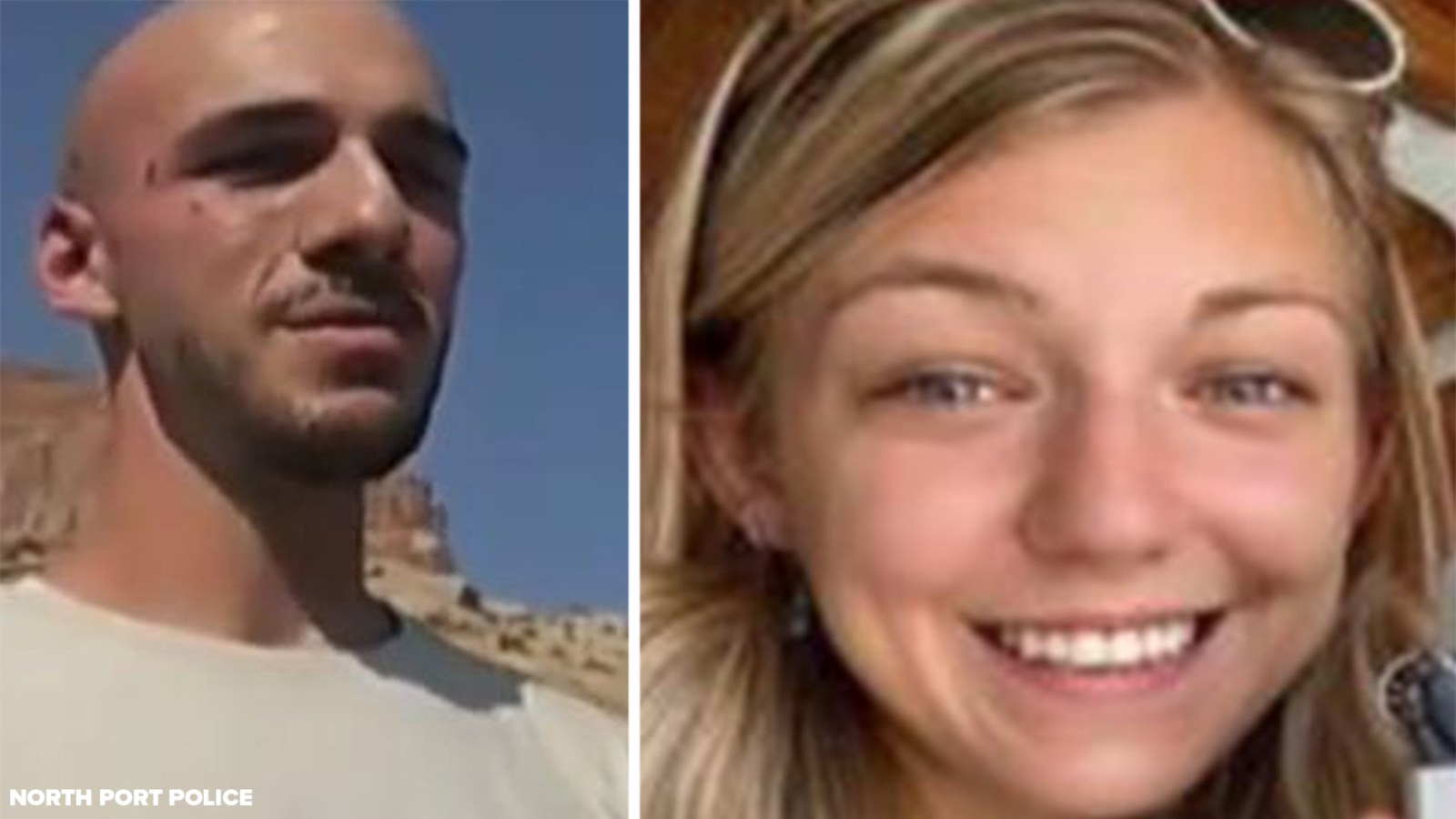
FBI says Laundrie's notebook admits killing Gabby Petito; case closed
On September 11, 2021, Gabby Petito's mother filed a missing person report. The 22-year-old from Long Island, New York, had not returned from a…

Arrest at Dahmer's apartment follows escape; 15 murder charges filed
On the night of July 22, 1991, a man flagged down two police officers on a Milwaukee street. He was handcuffed, disoriented, and told…
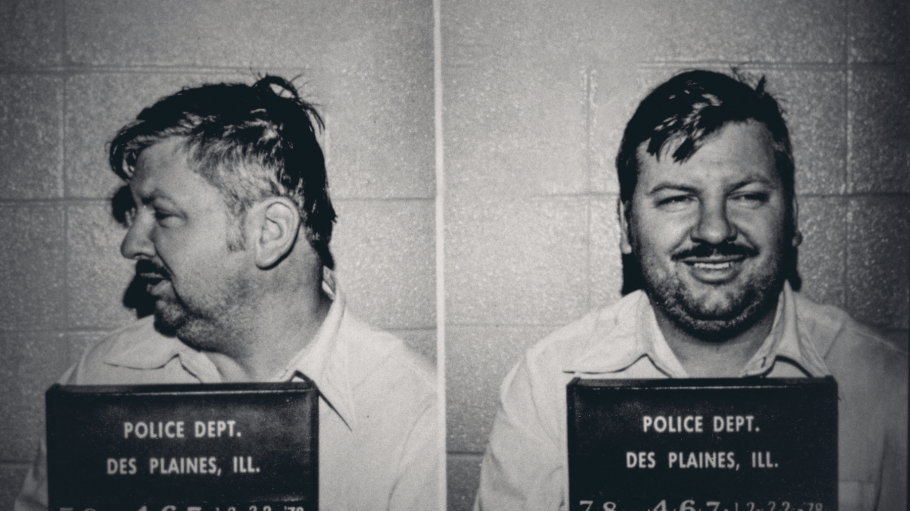
John Wayne Gacy convicted of 33 murders after jury deliberates less than two hours
CHICAGO — The verdict came fast. After a trial that began in February 1980, the jury deliberated for less than two hours before convicting…
Leopold and Loeb sentenced to life plus 99 years for 1924 murder of Bobby Franks
On September 10, 1924, in a Chicago courtroom, Judge John R. Caverly pronounced the sentence that would end one of the most sensational murder…
Manson followers convicted in 1970 after trial marked by disruptions
On the night of August 9, 1969, five people were murdered at a rented home on Cielo Drive in the Benedict Canyon area of…