Leopold and Loeb sentenced to life plus 99 years for 1924 murder of Bobby Franks
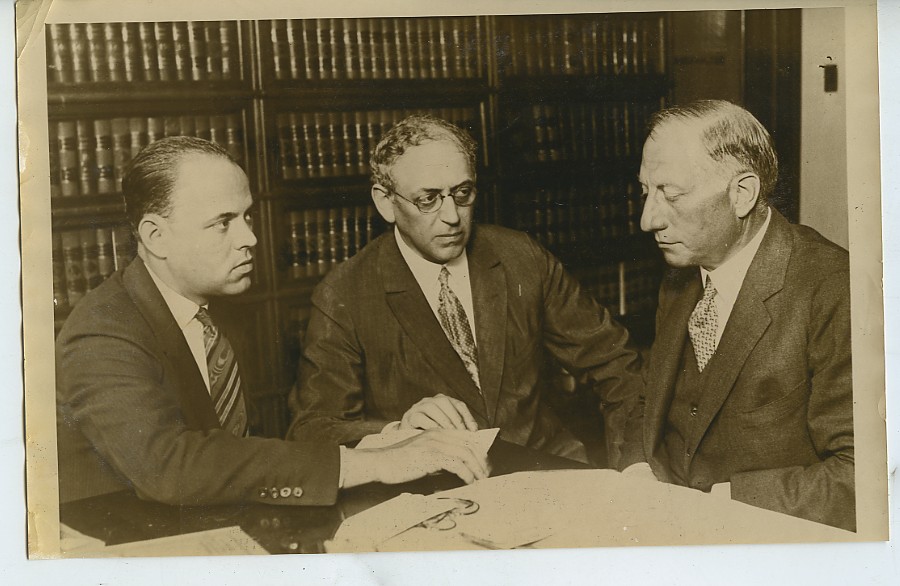
On September 10, 1924, in a Chicago courtroom, Judge John R. Caverly pronounced the sentence that would end one of the most sensational murder cases of the era. Nathan Leopold Jr., nineteen, and Richard Loeb, eighteen, both wealthy University of Chicago students, were sentenced to life in prison for the murder of fourteen-year-old Robert "Bobby" Franks, plus 99 years for kidnapping. The judge spared them the death penalty, a decision that ignited a national debate over justice, wealth, and youth.
The case began on May 21, 1924, when Bobby Franks was kidnapped on his way home from school in Chicago. His body was found the next day in a culvert in a marshland area near the Indiana border, in a swamp known as the Pennsylvania Railroad right-of-way. According to the case record, the boy had been killed by blows to the head with a chisel, and his body had been disfigured with acid. A passerby discovered the body after noticing a foot protruding from the culvert. The Franks family had received a ransom note demanding $10,000, but the boy was already dead when the note was delivered.

Police initially treated the case as a kidnapping gone wrong. The turning point came when a pair of eyeglasses was found near the body. The glasses had a unique hinge mechanism that was traced to a Chicago optician, who had sold only three pairs. One pair had been sold to Nathan Leopold. When questioned, Leopold claimed he had dropped the glasses while birdwatching in the area, but his alibi quickly fell apart. Investigators also found that the ransom note had been typed on a portable typewriter that Leopold had borrowed from a friend, according to the case record.
Under questioning, Leopold and Loeb gave inconsistent statements. Loeb eventually confessed, and Leopold followed. Both admitted to planning the kidnapping and murder for thrill and intellectual superiority, though the exact motive was debated. A crucial mistake by the perpetrators was using Leopold's car to drive Franks to the murder site. Later, Leopold's attempt to establish an alibi by claiming he had been with Loeb and two women at a hotel was disproven.
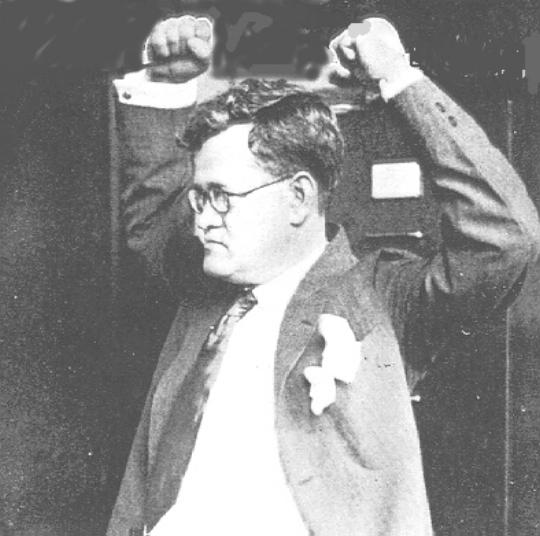
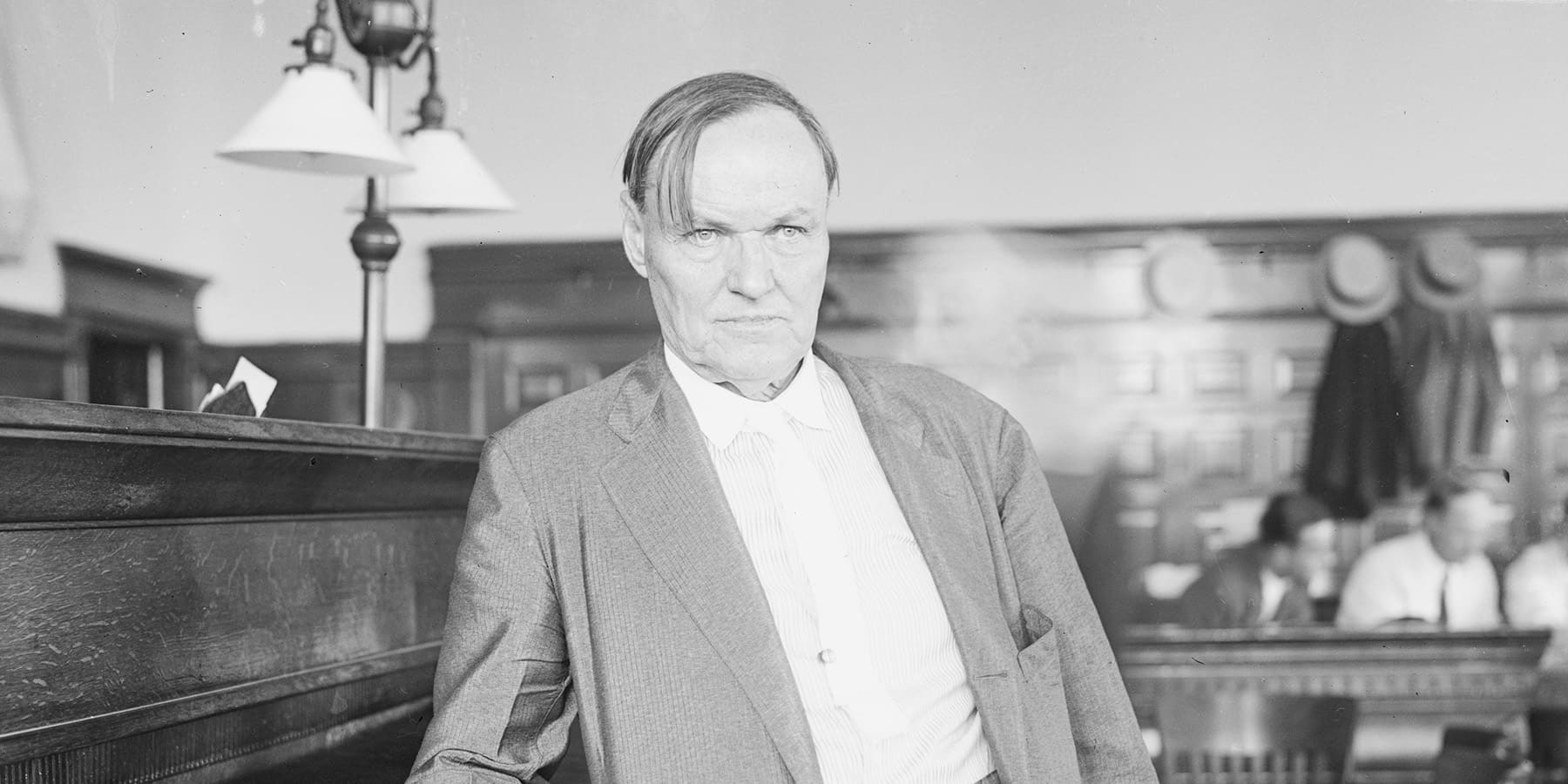
Leopold and Loeb were charged with murder and kidnapping. Their families hired the famous attorney Clarence Darrow, who advised them to plead guilty to avoid a jury trial, which he believed would result in the death penalty. Judge Caverly accepted the guilty pleas. Darrow's defense focused on their youth, mental state, and the influence of Friedrich Nietzsche's philosophy on Loeb, arguing they were not fully responsible. The trial was essentially a sentencing hearing, lasting about a month.
On September 10, 1924, Judge Caverly sentenced both to life in prison for murder plus 99 years for kidnapping. There was no appeal. The sentence was widely reported as a major legal and moral debate of the era.
What happened after the sentencing is part of the case's long aftermath. Richard Loeb was killed in prison in 1936, stabbed by a fellow inmate in a shower at Stateville Penitentiary in Illinois. Nathan Leopold served more than 33 years. He became a model prisoner, taught classes, and contributed to a malaria study. He was paroled in 1958, after a campaign that included support from the author Meyer Levin, who had written a novel based on the case. Leopold moved to Puerto Rico, where he worked as a laboratory technician and wrote an autobiography. He died in 1971 of a heart attack. The Franks family remained in Chicago; Robert Franks's father died in 1934.
What remains unknown, even today, is the full extent of the motive. The case record notes that both admitted to planning the crime for thrill and intellectual superiority, but the exact reason was debated at the time and has been ever since. The case has been the subject of numerous books, films, and plays, including the 1959 film *Compulsion* and the 2002 film *Murder by Numbers*. The families of the perpetrators largely faded from public view, and no direct descendants are widely reported in connection with the case.
The sentence of September 10, 1924, stood as the final legal word. There was no appeal, and both men went to prison that day. The case closed with a judgment that still raises questions about crime, punishment, and privilege.
Advertisement
You may also like
Arrest at Dahmer's apartment follows escape; 15 murder charges filed
On the night of July 22, 1991, a man flagged down two police officers on a Milwaukee street. He was handcuffed, disoriented, and told…
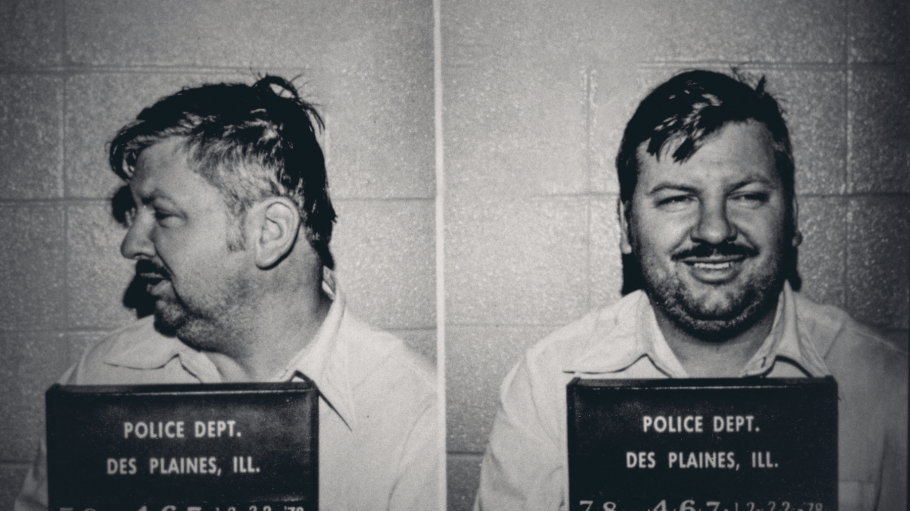
John Wayne Gacy convicted of 33 murders after jury deliberates less than two hours
CHICAGO — The verdict came fast. After a trial that began in February 1980, the jury deliberated for less than two hours before convicting…
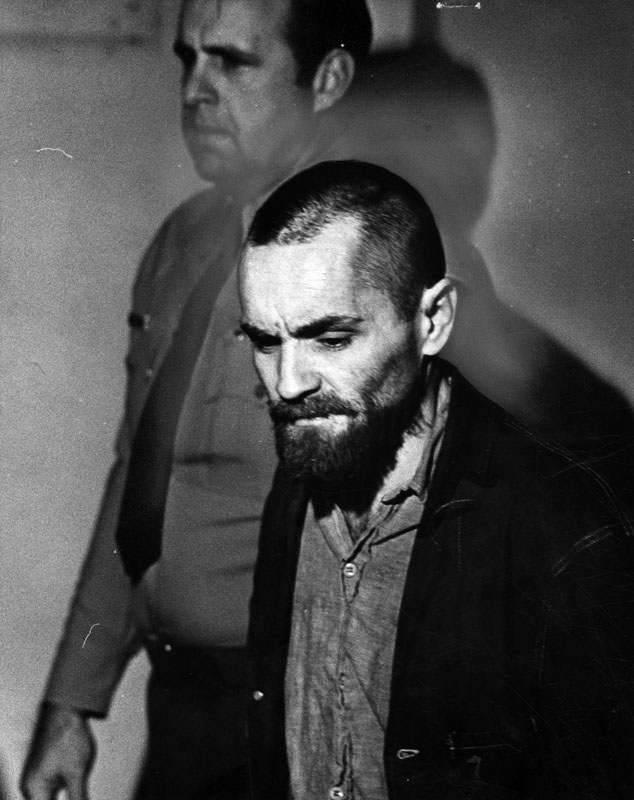
Manson followers convicted in 1970 after trial marked by disruptions
On the night of August 9, 1969, five people were murdered at a rented home on Cielo Drive in the Benedict Canyon area of…
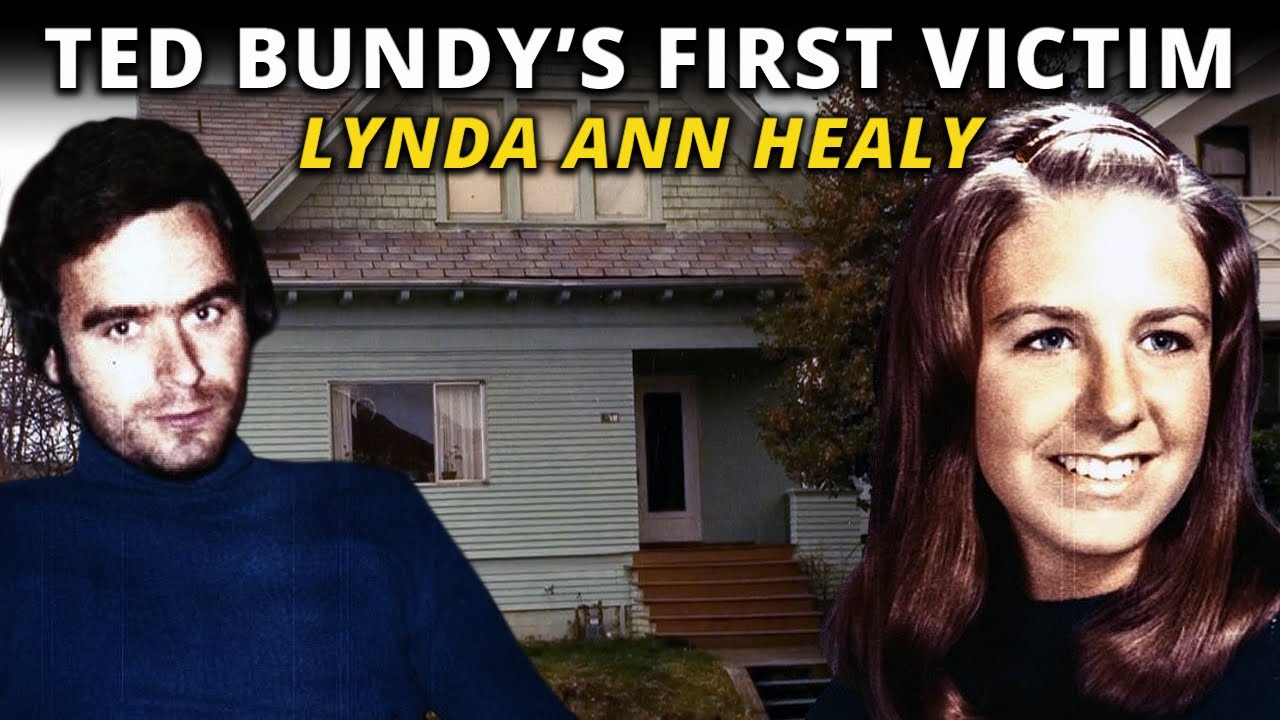
From 1974 disappearances to 1989 execution: the full timeline of the Ted Bundy case
In January 1974, a University of Washington student vanished from her off-campus apartment in Seattle. It was the first widely reported disappearance in a…
Zodiac Killer case never solved: no trial, suspect Allen died without charges
The Zodiac Killer case began in December 1968 with the murders of two teenagers in Benicia, California, though the killer’s first confirmed attack occurred…
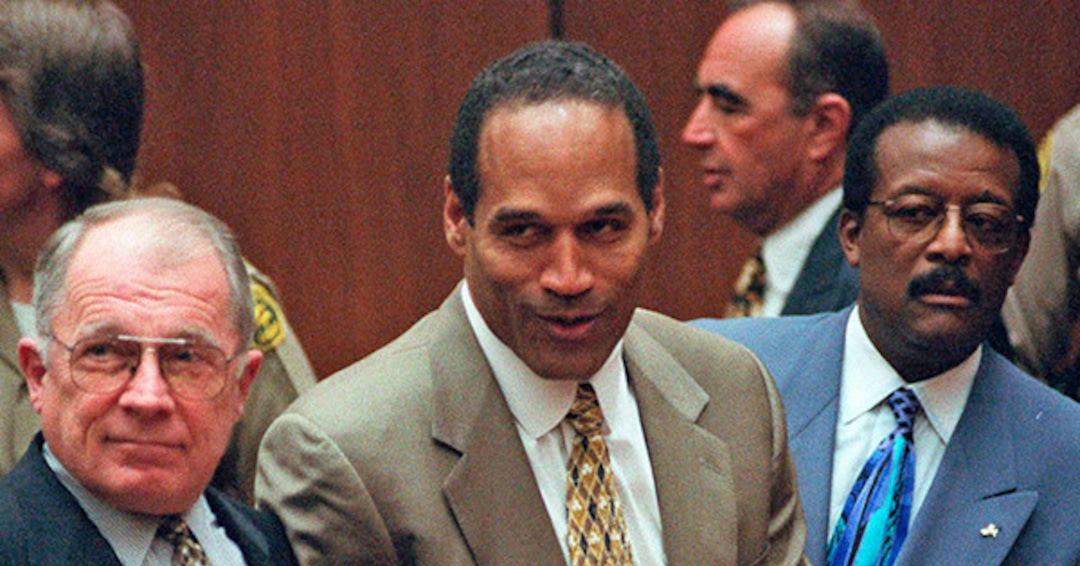
O.J. Simpson acquitted of 1994 murders of ex-wife Nicole Brown Simpson and Ronald Goldman
The verdict came after less than four hours of deliberation. On October 3, 1995, a Los Angeles jury found O.J. Simpson not guilty of…