From 1974 disappearances to 1989 execution: the full timeline of the Ted Bundy case

In January 1974, a University of Washington student vanished from her off-campus apartment in Seattle. It was the first widely reported disappearance in a series that would stretch across the Pacific Northwest and, eventually, to Florida.
Over the following months, more young women disappeared from college campuses and shopping areas in Washington state and Oregon. In July 1974, two women were abducted from a crowded lake near Seattle in broad daylight; their bodies were found months later. The killings continued into 1975, with bodies discovered in remote areas of Washington, Utah, and Colorado.
At first, investigators had no clear suspect. That changed in 1975, when a police officer in Utah stopped Ted Bundy for a traffic violation. According to the source, the officer found handcuffs, a ski mask, and other suspicious items in his car. Bundy, a former law student and Republican campaign worker, was later convicted of kidnapping in Utah in 1976.
While in custody, Bundy was linked to Colorado homicides and extradited there. He escaped twice, the second time in December 1977. By then, the case had taken a dramatic turn.
In January 1978, two women were attacked at the Chi Omega sorority house at Florida State University in Tallahassee; two died and two others were severely beaten. Later that same night, a woman in a nearby apartment was attacked and killed. The Florida crimes were discovered when a student returned to the sorority house and found the victims.
Bundy was arrested in Pensacola, Florida, in February 1978 after a traffic stop. The key evidence in the Florida trial included bite marks on one of the Chi Omega victims, which a forensic odontologist matched to Bundy’s teeth, and hair and fiber evidence.

A major turning point came when Bundy decided to act as his own attorney during part of the trial, during which he cross-examined witnesses. The trial for the Chi Omega murders began in June 1979. He was charged with two counts of first-degree murder and three counts of attempted murder. He was convicted on all counts and sentenced to death.
Bundy was later tried in Florida for the murder of the woman in the nearby apartment, convicted, and sentenced to death again. He also received a separate sentence for the kidnapping conviction in Utah.
Bundy appealed his convictions multiple times, arguing ineffective counsel and other issues, but the convictions were upheld. He was executed in the electric chair in Florida on January 24, 1989.
Before his execution, Bundy confessed to numerous additional homicides, though the exact number has never been verified. After his death, investigators continued to search for victims based on his confessions, but no further trials occurred. No one else was charged in connection with the murders.
The case is closed. The Chi Omega sorority house in Tallahassee remains in use. The surviving victims and the families of the deceased have spoken publicly about the case over the years. The case has been the subject of numerous books, documentaries, and films.
What remains unknown is the full scope of Bundy’s crimes. His confessions were never independently verified, and investigators never confirmed exactly how many people he killed. That uncertainty is part of the case’s enduring weight.
Advertisement
You may also like
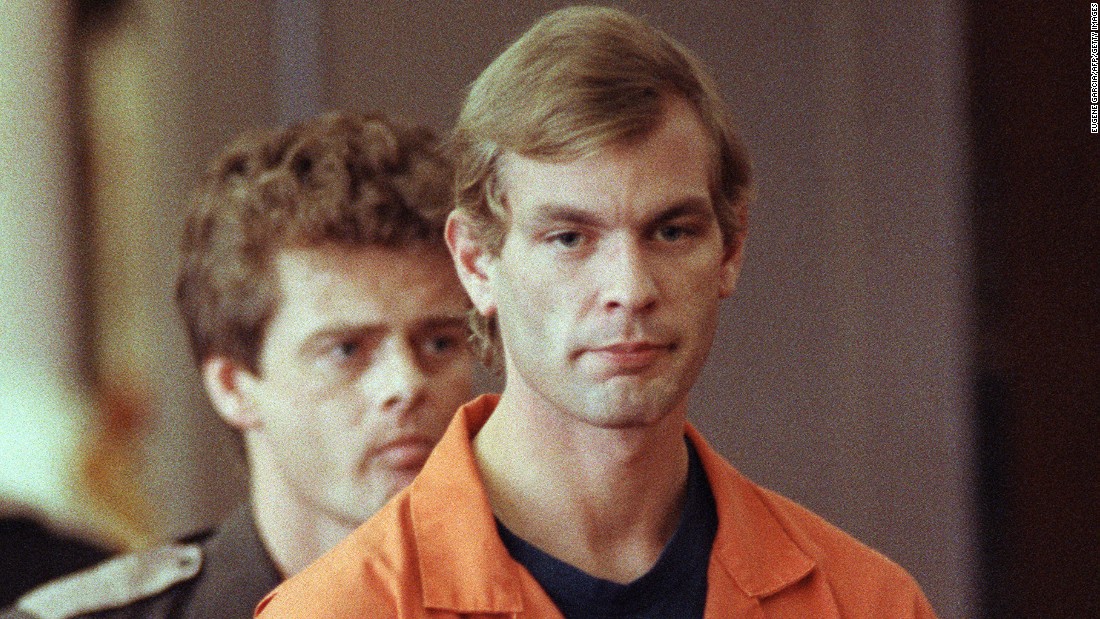
Arrest at Dahmer's apartment follows escape; 15 murder charges filed
On the night of July 22, 1991, a man flagged down two police officers on a Milwaukee street. He was handcuffed, disoriented, and told…
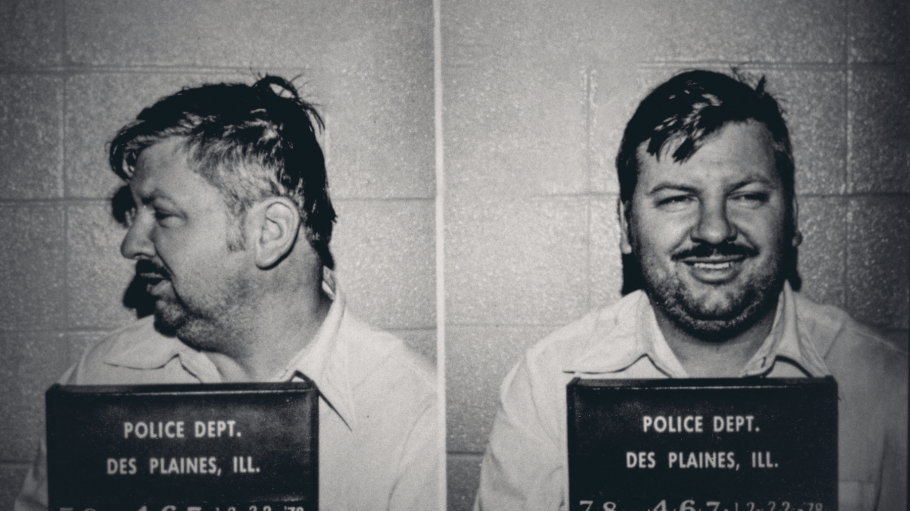
John Wayne Gacy convicted of 33 murders after jury deliberates less than two hours
CHICAGO — The verdict came fast. After a trial that began in February 1980, the jury deliberated for less than two hours before convicting…
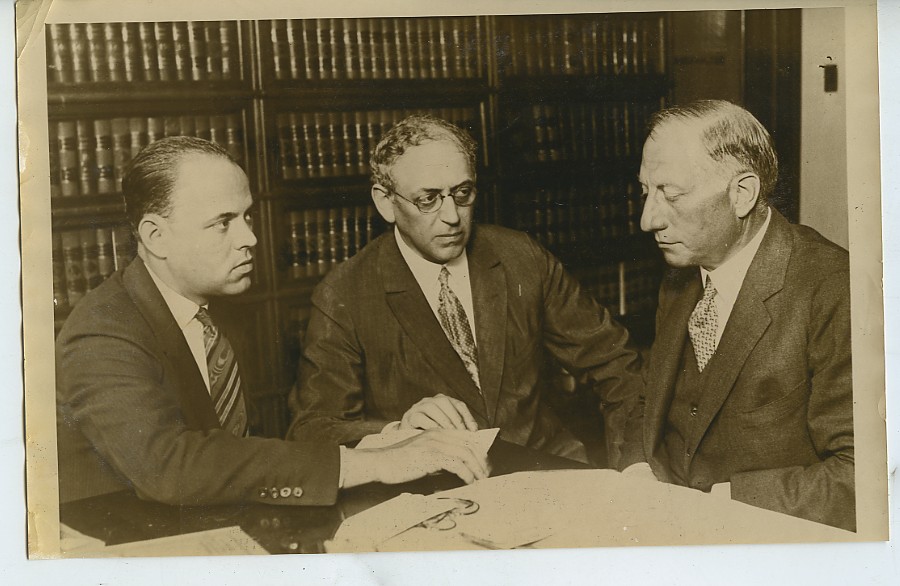
Leopold and Loeb sentenced to life plus 99 years for 1924 murder of Bobby Franks
On September 10, 1924, in a Chicago courtroom, Judge John R. Caverly pronounced the sentence that would end one of the most sensational murder…
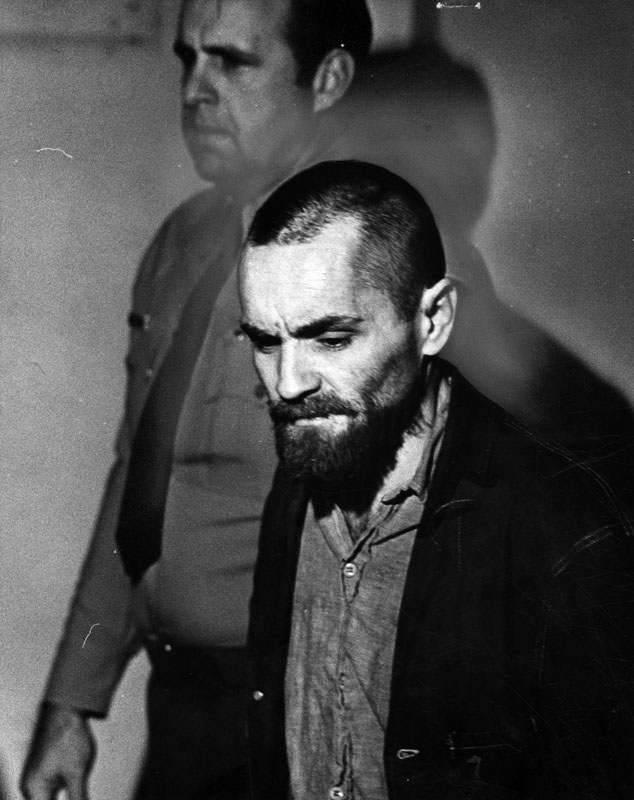
Manson followers convicted in 1970 after trial marked by disruptions
On the night of August 9, 1969, five people were murdered at a rented home on Cielo Drive in the Benedict Canyon area of…
Zodiac Killer case never solved: no trial, suspect Allen died without charges
The Zodiac Killer case began in December 1968 with the murders of two teenagers in Benicia, California, though the killer’s first confirmed attack occurred…
O.J. Simpson acquitted of 1994 murders of ex-wife Nicole Brown Simpson and Ronald Goldman
The verdict came after less than four hours of deliberation. On October 3, 1995, a Los Angeles jury found O.J. Simpson not guilty of…