The ATF raid that sparked a 51-day siege — and the fire that still divides investigators
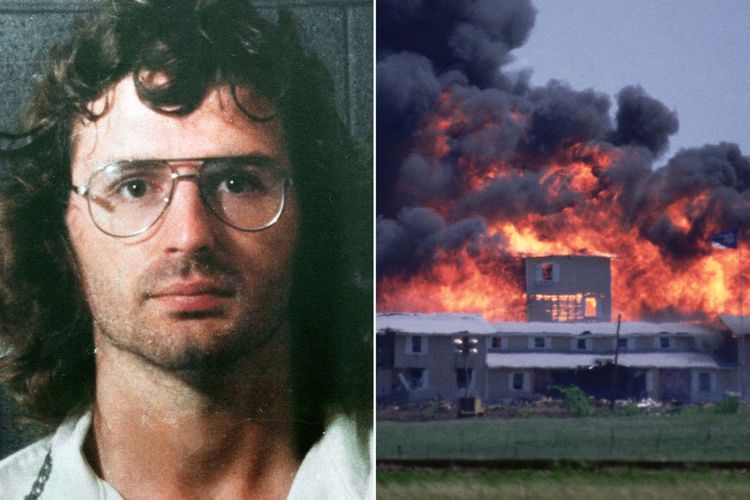
On April 19, 1993, a fire broke out during the FBI's final assault on the Mount Carmel Center.
Seventy-six people inside the compound died — David Koresh, more than twenty children, and dozens of his followers.
The fire's origin was never definitively established in a court of law.
The FBI maintained the fire was set by the Davidians.
Some survivors and outside experts disputed this.
They said the assault itself — the armored vehicles, the tear gas, the pyrotechnic devices — could have started it.
Two explanations.
One fire.
A death toll that demands an answer, and the record does not supply one.
The FBI said the Davidians did it deliberately.
The survivors said the government did it accidentally.
Neither version was ever proven in court.
No jury settled it.
No judge ruled on it.
The Justice Department released a report in 1999 acknowledging the FBI used pyrotechnic devices during the assault, which it had previously denied.
That same report maintained the fire was deliberately set by the Davidians.
So the record holds both claims at once.
It holds the FBI's position.
It holds the survivors' position.
It does not hold a verdict.
The origin of the fire is not established by the record.
That would require evidence a court accepted, and no court ever did.
The fire itself is fact.
The bodies are fact.
The cause is a question that remains open, decades later.
FEBRUARY 28 — THE RAID
February 28, 1993, was a Sunday.
ATF agents attempted to execute a search warrant at the Mount Carmel Center ranch near Waco, Texas.
The property was home to the Branch Davidian religious sect, led by David Koresh.
The raid was intended to arrest Koresh on firearms charges and search the compound.
The warrant came after a months-long undercover investigation into illegal firearms possession and modification.
A gun battle erupted.
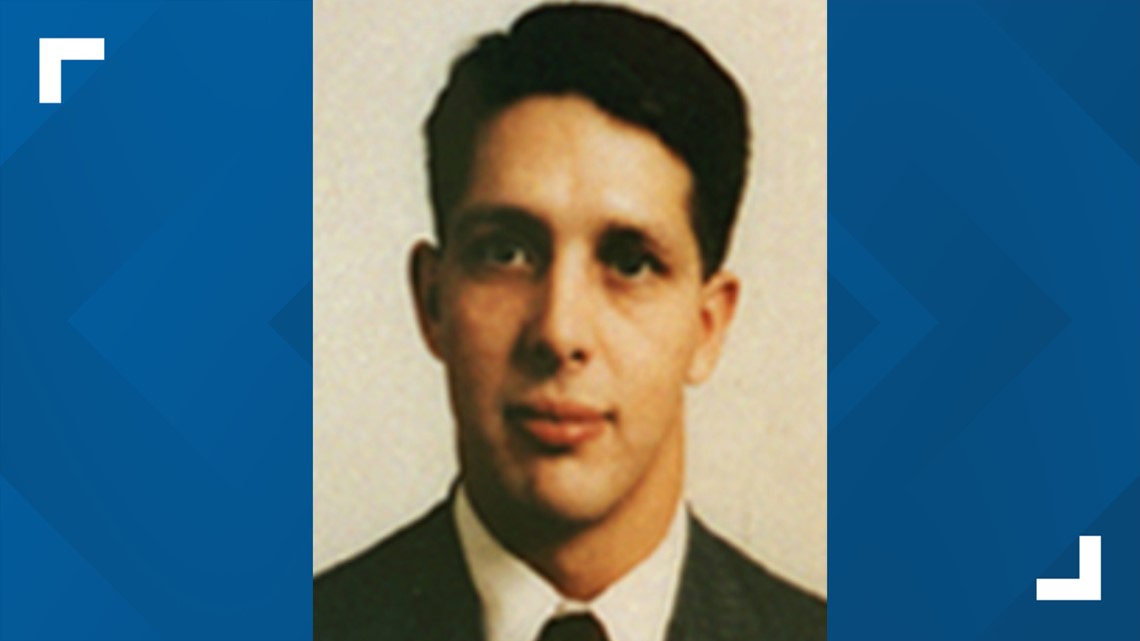
Four ATF agents were killed: Conway LeBleu, Todd McKeehan, Robert Williams, and Steven Willis.
Six Branch Davidians were also killed.
The firefight was over in under an hour.
The exact sequence of who fired first is not in the record.
The ATF had planned a raid, not a siege.
The raid failed.
The siege would last 51 days.
The names of the dead agents are the weight of that failure.
Conway LeBleu.
Todd McKeehan.
Robert Williams.
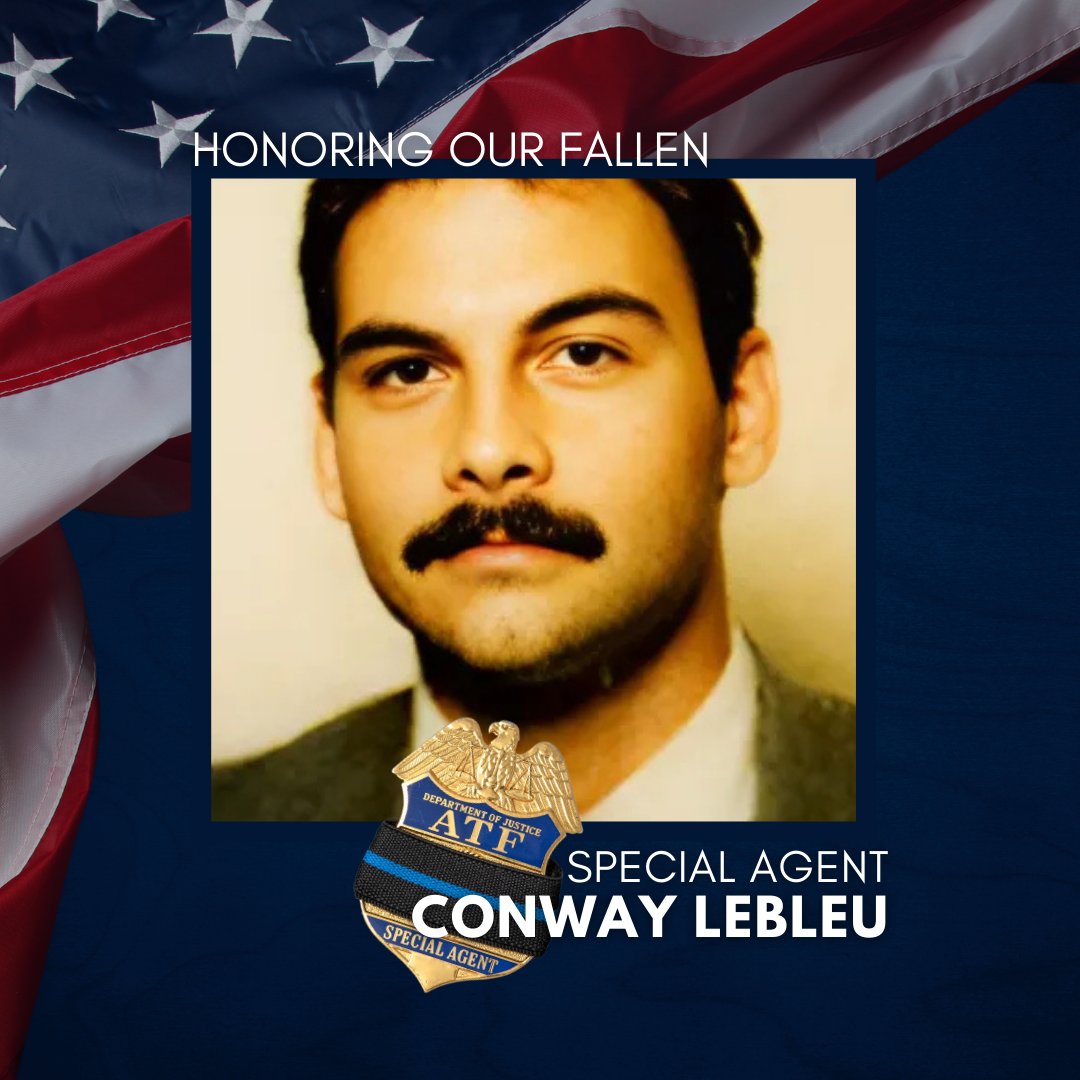
Steven Willis.
Four names, four agents, one Sunday.
The surviving agents retreated.
The Branch Davidians remained inside.
Koresh was still alive.
The guns were still inside.
The search warrant was never executed.
The raid that was meant to end a firearms investigation instead began a standoff.
Nobody planned for that.
The record shows the warrant.
The record shows the gunfire.
The record does not show the first shot.
51 DAYS — THE SIEGE
The FBI took over after the raid failed.
The siege became a negotiation standoff.
Fifty-one days.
The compound sat on a dusty stretch of Texas prairie, and the world watched through cameras that could not see inside.
The FBI's chief negotiator was Byron Sage.
His voice came over loudspeakers, day after day, asking for surrender.
The on-scene commander was Jeffrey Jamar.
The man inside the compound, David Koresh, was born Vernon Wayne Howell.
He called himself the messiah.
The Branch Davidians called him their leader.
Dick DeGuerin was his lawyer, and DeGuerin spoke for Koresh during the siege.
Not because the siege was quiet.
Because it was long.
Because it was slow.
Because every day without a resolution increased the pressure on the agents outside.
Attorney General Janet Reno authorized the final tear gas plan.
That is in the record.
What is not in the record is the full internal deliberation behind that decision.
The source does not document the meetings, the memos, the arguments.
It documents the authorization.
It documents the date.
It documents the outcome.
The siege stretched into April.
The standoff was not a battle.
It was a waiting game.
It was a test of who would blink.
The record shows the negotiations.
The record shows the loudspeakers.
The record does not show the moment the decision became final.
That would require evidence the source does not provide.
APRIL 19 — THE ASSAULT AND THE FIRE
The first Bradley fighting vehicle punched through the chapel wall just after six in the morning.
The FBI’s final assault on April 19, 1993, used armored vehicles — Bradleys and tanks — to insert CS tear gas into the Mount Carmel compound.
A fire broke out during the assault.
Seventy-six people inside the compound died, including Koresh and more than twenty children.
Dr. Nizam Peerwani of the Tarrant County Medical Examiner’s Office performed the autopsies.
He found that most victims died of smoke inhalation.
A few had gunshot wounds.
Koresh died of a gunshot wound to the head.
The FBI maintained the fire was set by the Davidians.
Some survivors and outside experts disputed that.
The exact cause of the fire is not established.
In 1999, the Justice Department released a report acknowledging that the FBI used pyrotechnic devices during the final assault — something it had previously denied.
The report still maintained the fire was deliberately set by the Davidians.
It did not settle the question.
Was it a mass suicide?
Was it an accident of the assault?
Was it a deliberate government action?
The record does not say.
The autopsies documented how they died.
The record does not document who started the fire.
That would require evidence the source does not provide.
AND THE STORY STILL ISN'T OVER
Eleven surviving Branch Davidians were charged with voluntary manslaughter, conspiracy to murder federal officers, and weapons charges.
The trial began in January 1994 in San Antonio.
The prosecution was led by the U.S. Attorney's office.
The defense argued the Davidians acted in self-defense against an aggressive government raid.
In February 1994, the jury acquitted all 11 of the most serious charges — murder and conspiracy.
They were convicted of lesser weapons charges.
Sentences ranged from probation to 40 years in prison.
No one was convicted of killing the four ATF agents.
That is the record.
The fire's origin remains definitively unestablished.
No federal official was ever criminally charged in connection with the deaths.
Several surviving Davidians were released from prison after serving their sentences.
David Thibodeau published his memoir, *A Place Called Waco*, in 1999.
The Mount Carmel site has been a memorial for victims and a pilgrimage site for surviving Davidians.
A memorial that still asks questions.
The autopsies documented how they died.
The record does not document who started the fire.
That would require evidence the source does not provide.
The acquittals were real.
The convictions were real.
The unanswered question is also real.
Advertisement
You may also like
The friend's call that sent police to the Watts home — and the phone left behind
On the morning of August 13, 2018, in Frederick, Colorado, Shanann Watts, 15 weeks pregnant, was supposed to be at a doctor's appointment. She…
A concrete anchor found near Laci Peterson's body — and the one detail that still haunts her family
A concrete anchor was pulled from San Francisco Bay in April 2003, near the place where Laci Peterson's body washed ashore. It matched a…
The day care center inside the Murrah Building held 19 children when the bomb hit
The morning of April 19, 1995, began with the ordinary mechanics of a workday. Parents pulled into the drop-off lane outside the Alfred P.…
The Florida mother's 2005 report that started it all — how one stepdaughter's massage led to a 14-year saga
A mother called Palm Beach police in 2005. Her stepdaughter was 14. An older girl had recruited the teenager, the mother said, to give…
The bloody glove on O.J. Simpson's estate that changed everything — but the jury never saw it that way
The glove was found on the morning of June 13, 1994. Detective Fuhrman of the LAPD went to Simpson's estate on Rockingham Avenue. He…
The duct tape on Laci Peterson's body that split a jury's theory
The duct tape was on Laci Peterson's body when she was found. That single object carried the weight of two opposing stories. The prosecution…