The day care center inside the Murrah Building held 19 children when the bomb hit
The morning of April 19, 1995, began with the ordinary mechanics of a workday.
Parents pulled into the drop-off lane outside the Alfred P. Murrah Federal Building in Oklahoma City.
They unbuckled car seats and lifted small bags.
They said goodbye at the door of the day care center on the ground floor.
The center held 19 children that morning, according to the documented record.
The north face of the nine-story building stood directly above them.
It was a quiet image, the kind that fills a thousand other mornings in a thousand other cities.
Then the Ryder truck exploded.
The blast destroyed the north face of the building.
It killed 168 people, including those 19 children in the day care center.
The day care center was on the ground floor, directly in the path of the explosion.
Not because of design.
Because of where the building stood, and where the truck stopped.
The exact number of staff and children present at the moment of the blast is not specified in the record.
No official list of the children's names has been released in the source material.
What remains is the arithmetic: 19 children dropped off, 19 children killed.
What remains is the ordinary morning, held in memory against the force of what came after.
Parents said goodbye.
That is where the story begins.
9:02 A.M. — THE BLAST
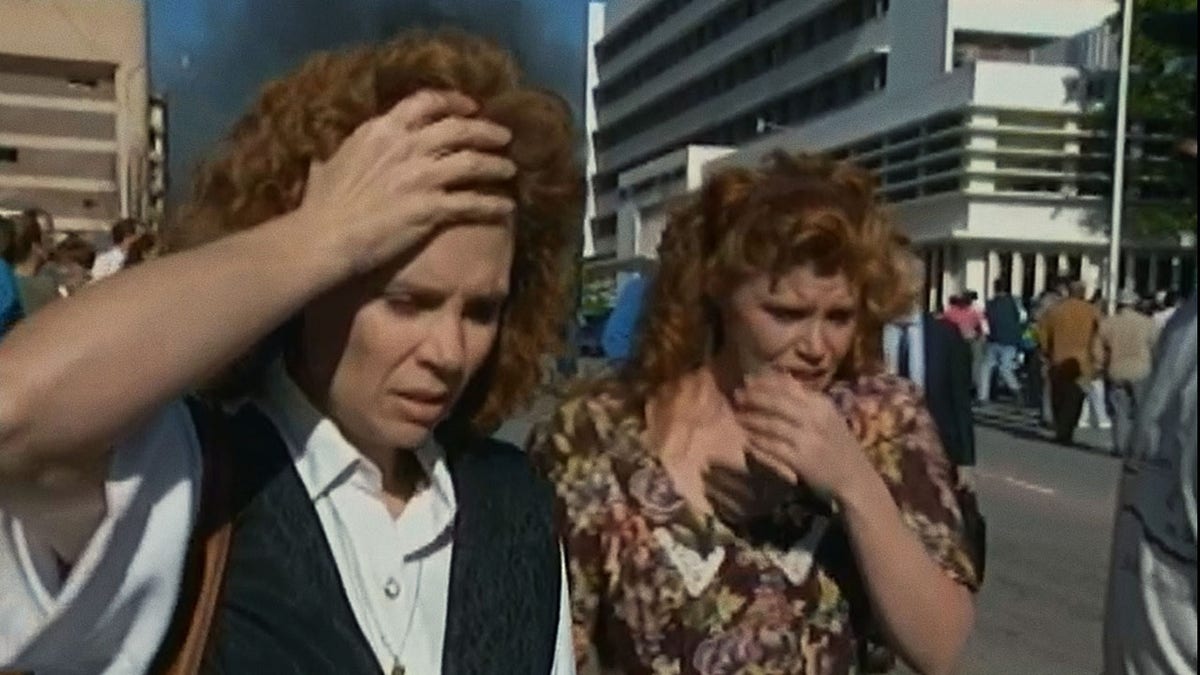
At 9:02 a.m., the source records, a rented Ryder truck packed with an ammonium nitrate and fuel oil bomb exploded outside the Alfred P. Murrah Federal Building.
The north face of the nine-story building was destroyed.
Surrounding structures were damaged or destroyed.
The blast killed 168 people.
Nineteen of them were children in the building's day care center.
More than 500 others were injured.
Rescue and recovery efforts continued for over two weeks.
The bombing was, at the time, the deadliest act of domestic terrorism in American history.
The exact time of the explosion is not given in the source.
Not the minute, not the second.
What is documented is the scale: a nine-story building losing its face, a day care center on the ground floor, directly in the path.
What is documented is the count.
One hundred sixty-eight dead.
Nineteen of them children.
The families waited.
They waited through the rescue efforts.
They waited through the recovery efforts.
They waited for over two weeks.
Some of them became public figures in the aftermath.
One father, whose daughter was killed in the blast, became a prominent advocate against the death penalty for McVeigh.
One mother, whose daughter was killed, became a victims' rights advocate and testified at McVeigh's trial.
What they said in those first days is not in the record here.
But the record holds what they carried: the ordinary morning, the goodbye, the force of what came after.
THE ARREST AND THE TRUCK
About 90 minutes after the blast, a state trooper stopped a Mercury Marquis on Interstate 35 near Perry, Oklahoma.
The car had no license plate.
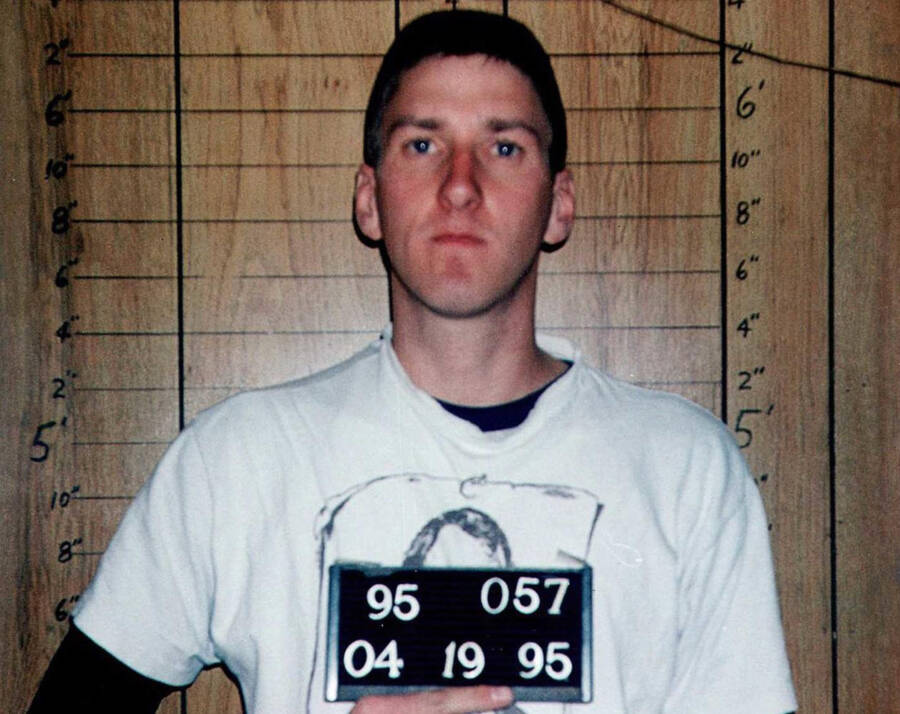
The driver was Timothy McVeigh, and he was carrying a concealed weapon.
He was arrested on those charges, not for the bombing — not yet.
The FBI traced the Ryder truck's axle, found at the scene, to a rental agency in Junction City, Kansas.
McVeigh had rented the truck under his own name.
He was already in custody.
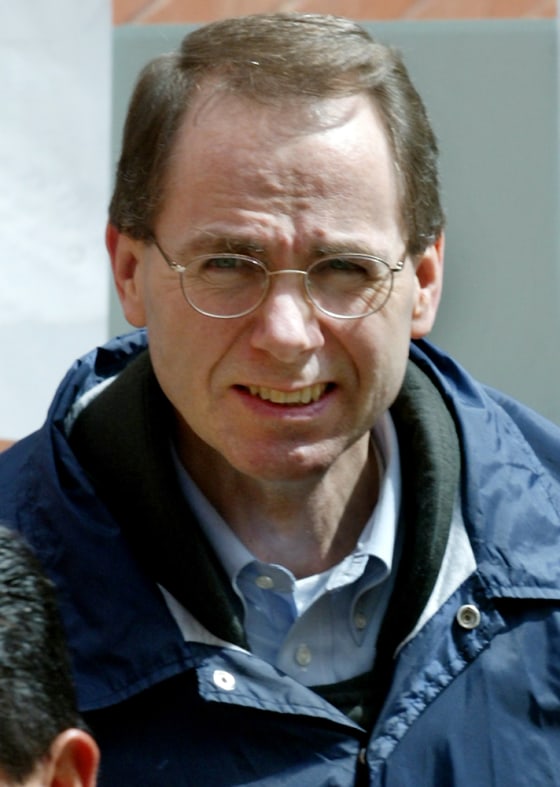
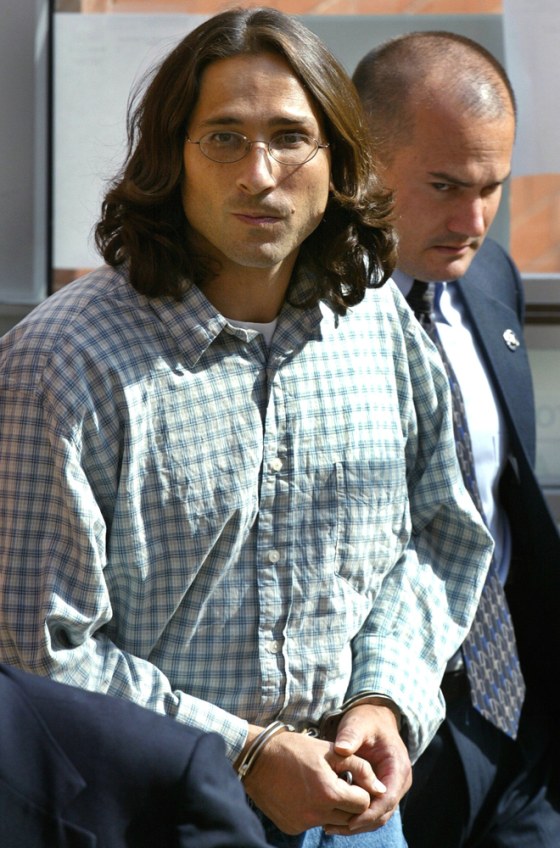
Investigators found that McVeigh and Terry Nichols had purchased large quantities of ammonium nitrate fertilizer and other bomb components.
Michael Fortier, a friend of McVeigh's, cooperated with prosecutors.
He testified that McVeigh had discussed the bombing plan with him in advance.
The FBI also recovered a business card with a phone number for a gun show.
That card linked McVeigh to Nichols.
What McVeigh said during the traffic stop is not specified in the record.
The record holds the axle, the rental agreement, the fertilizer purchases, the card.
It does not hold the words from the side of the highway.
The arrest was ordinary.
The evidence was ordinary.
The crime was not.
THE TRIAL AND THE FAMILIES
The trial moved to Denver, Colorado.
Judge Richard Matsch moved it there to ensure a fair jury.
The lead prosecutor was Joseph Hartzler.
The defense was led by Stephen Jones.
On June 2, 1997, McVeigh was convicted of 11 counts of conspiracy and murder.
He was sentenced to death.
Terry Nichols was tried separately.
He was convicted in 1997 of conspiracy and eight counts of involuntary manslaughter.
He was sentenced to life in prison without the possibility of parole.
Michael Fortier was sentenced to 12 years for failing to alert authorities and for weapons charges.
He was released in 2006.
The convictions were delivered.
The sentences were pronounced.
The families were left with the aftermath.
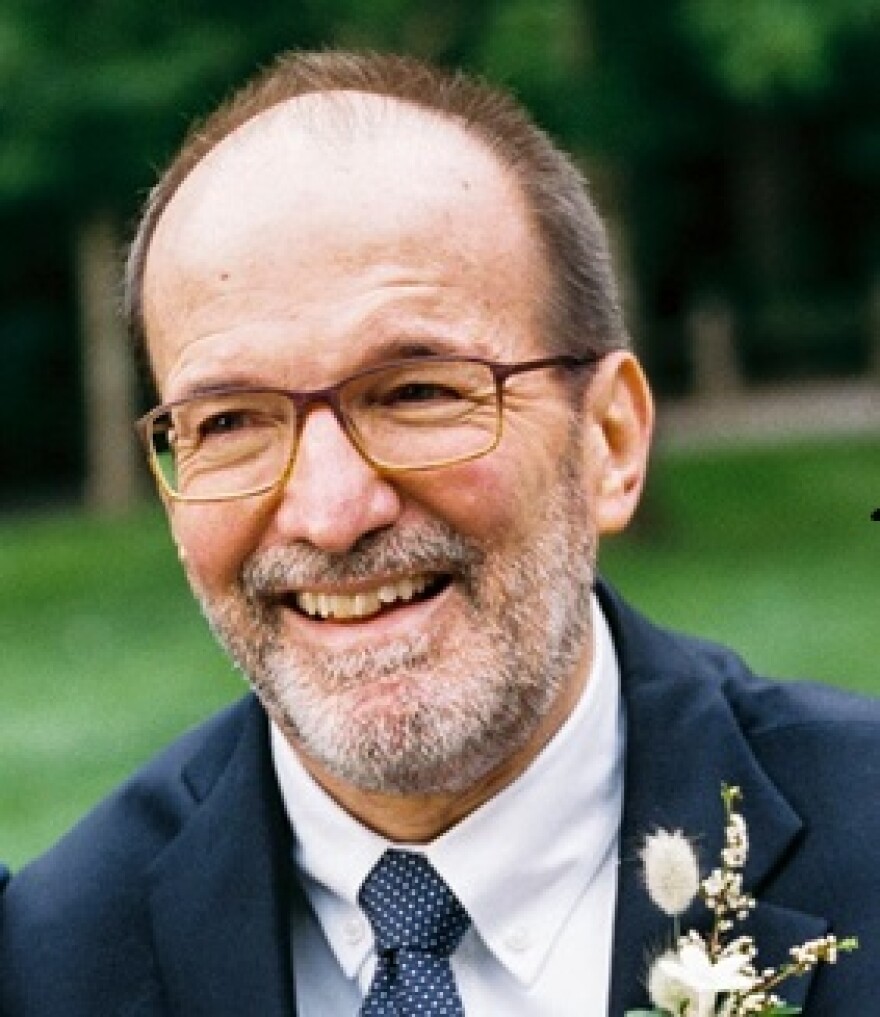
Bud Welch, whose daughter Julie Marie Welch was killed in the blast, became a prominent advocate against the death penalty for McVeigh.
He opposed the sentence.
He spoke publicly about his loss.
Other family members testified at trial.
Others spoke publicly about their grief.
The source does not include any direct quotes from family members.
What they said in the courtroom is not in the record.
What they said in the years after is not in the record.
Their words remain unverified.
Their presence is documented.
Their grief is documented.
Their divergent responses are documented.
Some sought the death penalty.
Some opposed it.
The trial answered the legal questions.
It did not answer the personal ones.
Justice was served.
Grief was not resolved.

AND THE STORY STILL ISN'T OVER
Timothy McVeigh was executed by lethal injection on June 11, 2001, at the federal penitentiary in Terre Haute, Indiana.
Terry Nichols remains in federal prison serving a life sentence without the possibility of parole.
Michael Fortier was released from prison in 2006.
The Oklahoma City National Memorial & Museum now stands on the site of the Murrah Building, dedicated to the 168 victims.
Bud Welch continues to speak publicly against the death penalty.
Other family members have become advocates for victims' rights.
Welch's daughter was killed in the blast.
He stood outside the execution, he said, not for McVeigh, but for his own daughter.
Not because the state's punishment was wrong.
But because grief, he learned, does not end with a verdict.
The memorial's chairs mark the empty places.
Nine rows for the floors.
One small row for the children.
The source does not specify any current legal motions or pending hearings.
The record is closed on the men.
It is not closed on the families.
They carry the date.
They carry the names.
They speak, still, into the silence where 168 voices once were.
Closure, the record suggests, is not the same as an ending.
Advertisement
You may also like
The friend's call that sent police to the Watts home — and the phone left behind
On the morning of August 13, 2018, in Frederick, Colorado, Shanann Watts, 15 weeks pregnant, was supposed to be at a doctor's appointment. She…
A concrete anchor found near Laci Peterson's body — and the one detail that still haunts her family
A concrete anchor was pulled from San Francisco Bay in April 2003, near the place where Laci Peterson's body washed ashore. It matched a…
The Florida mother's 2005 report that started it all — how one stepdaughter's massage led to a 14-year saga
A mother called Palm Beach police in 2005. Her stepdaughter was 14. An older girl had recruited the teenager, the mother said, to give…
The bloody glove on O.J. Simpson's estate that changed everything — but the jury never saw it that way
The glove was found on the morning of June 13, 1994. Detective Fuhrman of the LAPD went to Simpson's estate on Rockingham Avenue. He…
The duct tape on Laci Peterson's body that split a jury's theory
The duct tape was on Laci Peterson's body when she was found. That single object carried the weight of two opposing stories. The prosecution…
The open letter from the Richards that urged the government to seek the death penalty
Bill Richard and Denise Richard lost their 8-year-old son, Martin, to the bombs near the finish line. Their daughter, Jane, lost a leg in…