The open letter from the Richards that urged the government to seek the death penalty
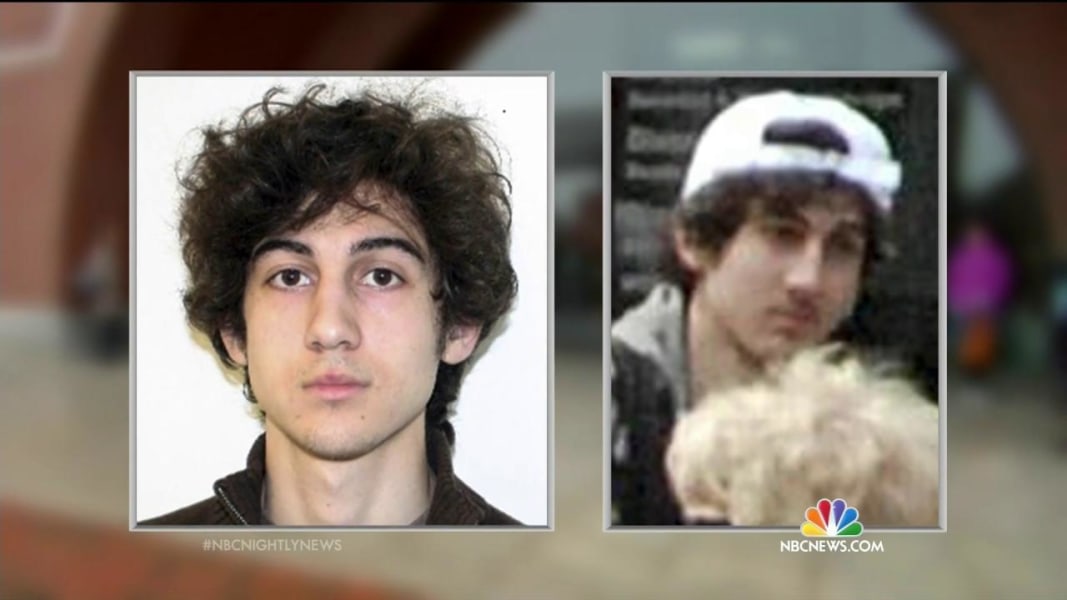
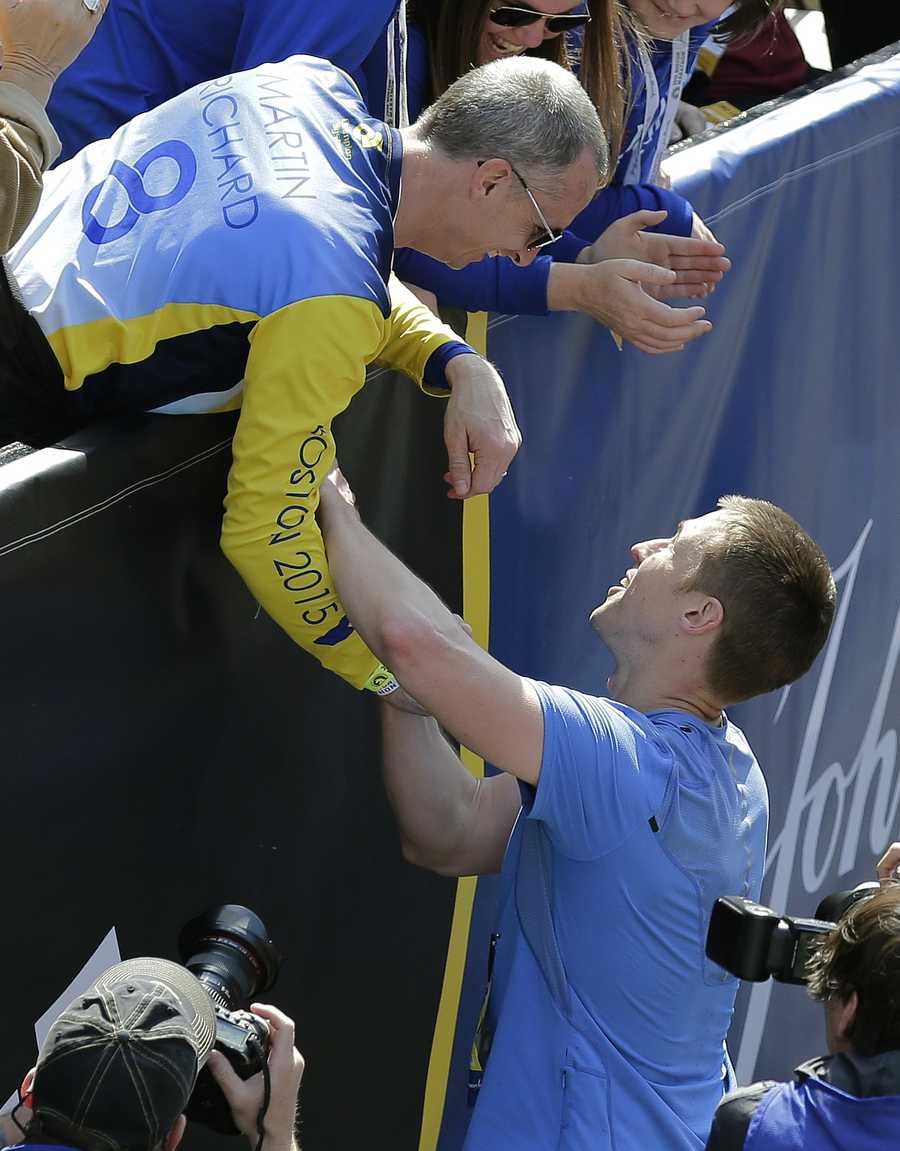
Bill Richard and Denise Richard lost their 8-year-old son, Martin, to the bombs near the finish line.
Their daughter, Jane, lost a leg in the blast.
Another daughter, 7 years old at the time, was also injured.
The family wrote an open letter, widely published, urging the government to seek the death penalty for Dzhokhar Tsarnaev.
The letter was a public plea, documented.
Its exact wording is not in the record.
What is documented is its purpose: a demand that prosecutors pursue the ultimate punishment for the man charged with killing their son.
The parents had already become public voices for the victims.
Their letter was a moral stand, made in grief.
It asked something of the state that many could not bear to ask.
It asked for a life to be taken in return.
Why would a grieving family make that demand?
Why would they step into a debate that would divide the city?
Why would they put their names to a call for death?
The record does not say.
The letter exists as a fact of the case, a piece of paper with two signatures.
It was one family's answer to an unanswerable loss.
They had buried a child.
They had watched another learn to walk again.
And they had written, in public, that the man accused of their son's murder should die.
That is what they said.
The rest is what the trial would have to determine.
THE FINISH LINE
April 15, 2013, was Patriots' Day in Massachusetts.
Two pressure-cooker bombs packed with shrapnel exploded near the finish line of the Boston Marathon on Boylston Street.
The bombs were placed in backpacks and detonated within seconds of each other.
Three people were killed: Krystle Campbell, a restaurant manager; Lingzi Lu, a graduate student; and Martin Richard, an 8-year-old boy.
More than 260 others were injured.
Martin Richard was there with his family.
His mother, Denise, and his father, Bill, had brought their children to watch the race.
His younger sister, 7 years old at the time, lost a leg in the blast.
She was on the ground below.
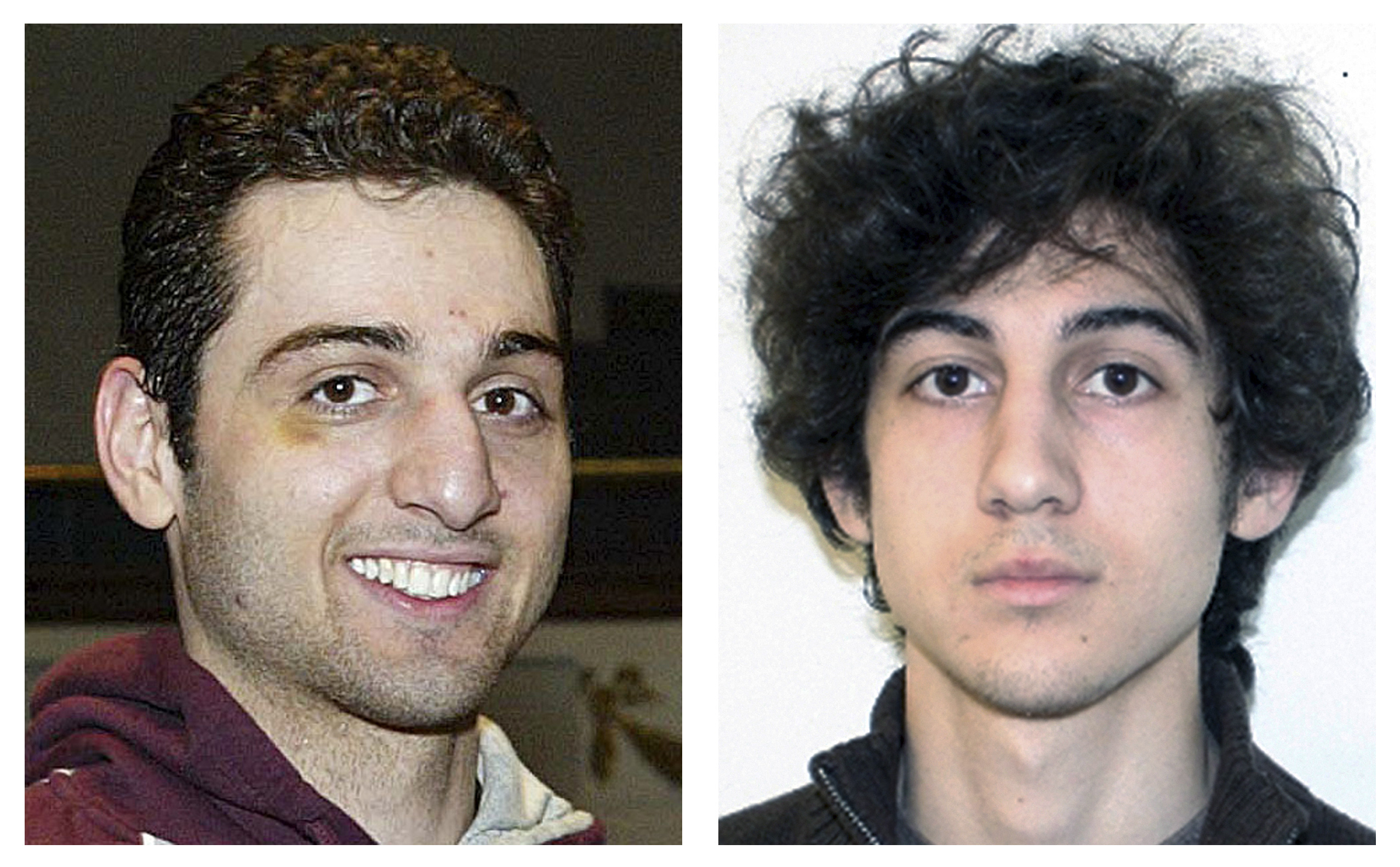
Surveillance footage from department stores and other cameras on Boylston Street captured two brothers placing backpacks near the finish line.
The FBI would later release those images to the public.
The exact moment of detonation is not detailed in the source.
The precise contents of the backpacks beyond "shrapnel" are not detailed in the source.
What the record does show is the placement.
Two backpacks, two brothers, one finish line.
Krystle Campbell was a restaurant manager.
Lingzi Lu was a graduate student at Boston University.

Martin Richard was 8 years old.
His parents would later write an open letter urging the government to seek the death penalty for the man accused of his murder.
That letter was public.
That letter was documented.
The bombing itself remains one of the most heavily documented terrorist attacks on U.S. soil.
The cameras saw the backpacks.
The cameras saw the brothers.
What the cameras did not see was the moment the pressure cookers became bombs.
THE MANHUNT
The FBI released the images on Thursday.
Two faces, grainy, pulled from department-store cameras on Boylston Street.
Dun Meng saw them.
He had been carjacked by the brothers days earlier, forced into the trunk of his own Mercedes SUV.
He escaped at a gas station in Cambridge and called police.
Now he looked at the photos and said the names.
The manhunt narrowed to Watertown.
Police cornered the brothers there.
A shootout followed, and Tamerlan Tsarnaev was wounded.
He later died.
Massachusetts Institute of Technology police officer Sean Collier was already dead by then, shot in his cruiser during the manhunt.

The specific sequence of events between the carjacking and the shootout is not fully documented.
The record holds the key moments, not every minute between them.
Watertown went quiet.
Residents were told to stay inside.
A man named David Henneberry stepped into his backyard and saw the cover of his boat had shifted.
He looked closer.
He saw blood.
He saw a body.
He called police.
Dzhokhar Tsarnaev was pulled from the boat, wounded, alive.
The brothers' uncle, Ruslan Tsarni, had already gone on television.
He called them failures.
He called them ashamed.
He helped authorities locate the family.
The boat was in Watertown.
The city was locked down.
The second suspect was in custody.
It was April 19, 2013.
THE TRIAL
The trial opened in Boston in early 2015.
Dzhokhar Tsarnaev was charged with 30 federal counts, including conspiracy and use of a weapon of mass destruction resulting in death.
The prosecution, led by Carmen Ortiz, argued for full responsibility.
The defense, led by Judy Clarke, argued Dzhokhar was influenced by his older brother Tamerlan.
Two competing narratives stood before the jury.
One: a man who acted alone in his choices.
The other: a younger brother shaped and directed by an elder.
The jury heard the evidence.
They convicted him on all counts in April 2015.
The same jury then weighed the penalty.
They sentenced him to death.
The trial judge formally imposed the sentence.
The defense appealed.
In 2020, a federal appeals court overturned the death sentence, citing insufficient juror screening.
The U.S. Supreme Court reinstated it in 2022.
What the record does not establish is the specific evidence of influence beyond the defense's argument.
It is a claim made in court, not a fact proven there.
The Richards family sat through the proceedings.
Bill and Denise Richard had urged the government to seek the death penalty in their open letter.
They watched the prosecution present their son's murder as one count among thirty.
They watched the defense describe their son's killer as a follower.

The jury decided which story carried weight.
They chose the prosecution's.
The sentence stands, for now.
The appeals continue.
AND THE STORY STILL ISN'T OVER
Dzhokhar Tsarnaev remains on federal death row at a U.S. penitentiary in Florence, Colorado.
His appeals continue.
The specific status of the current appeal or any upcoming hearing dates is not in the source.
Bill Richard and Denise Richard have continued to advocate for victims' rights.
They have continued to advocate for the death penalty in this case.
The Martin Richard Foundation, established in the victim's name, supports community and youth programs.
It carries a boy's name into playgrounds and classrooms.
Heather Abbott lost a leg in the blast.
She has become a public advocate for amputees and bombing survivors.
She speaks about recovery, not about revenge.
The Boston Marathon bombing remains one of the most heavily documented terrorist attacks on U.S. soil.
The images are archived. The testimony is transcribed. The verdicts are recorded.
The appeals continue.
The family's letter remains a matter of public record.
It was a plea, not a verdict.
The sentence stands, for now.
That is what the record shows.
Everything else — what the family feels, what they carry — that would require evidence.
Advertisement
You may also like
The duct tape on Laci Peterson's body that split a jury's theory
The duct tape was on Laci Peterson's body when she was found. That single object carried the weight of two opposing stories. The prosecution…
The flight attendant who took the note — and what she said about the man who vanished
She took the note without opening it. He told her to look at it, and she looked. The man at seat 18C called himself…
The uncle who found six shot in their beds — and the confession that followed
The door at 112 Ocean Avenue was an ordinary Dutch Colonial, the kind of house a family might call home for a decade. On…
The 15-year-old who vanished after one phone call about a job — his mother's final words
December 11, 1978. A 15-year-old boy told his mother he was going to meet a contractor about a job. Her final words to him…
The 95 million who watched O.J. Simpson's Bronco chase and what they saw
The white Ford Bronco moved at 35 miles an hour, and the whole country watched. On June 17, 1994, an estimated 95 million viewers…
The pilot with 711 hours who flew Buddy Holly's plane into a snowstorm
The pilot’s name was Roger Peterson, and he was twenty-one years old. He had logged about 711 hours of total flight time, according to…