The flight attendant who took the note — and what she said about the man who vanished
She took the note without opening it.
He told her to look at it, and she looked.
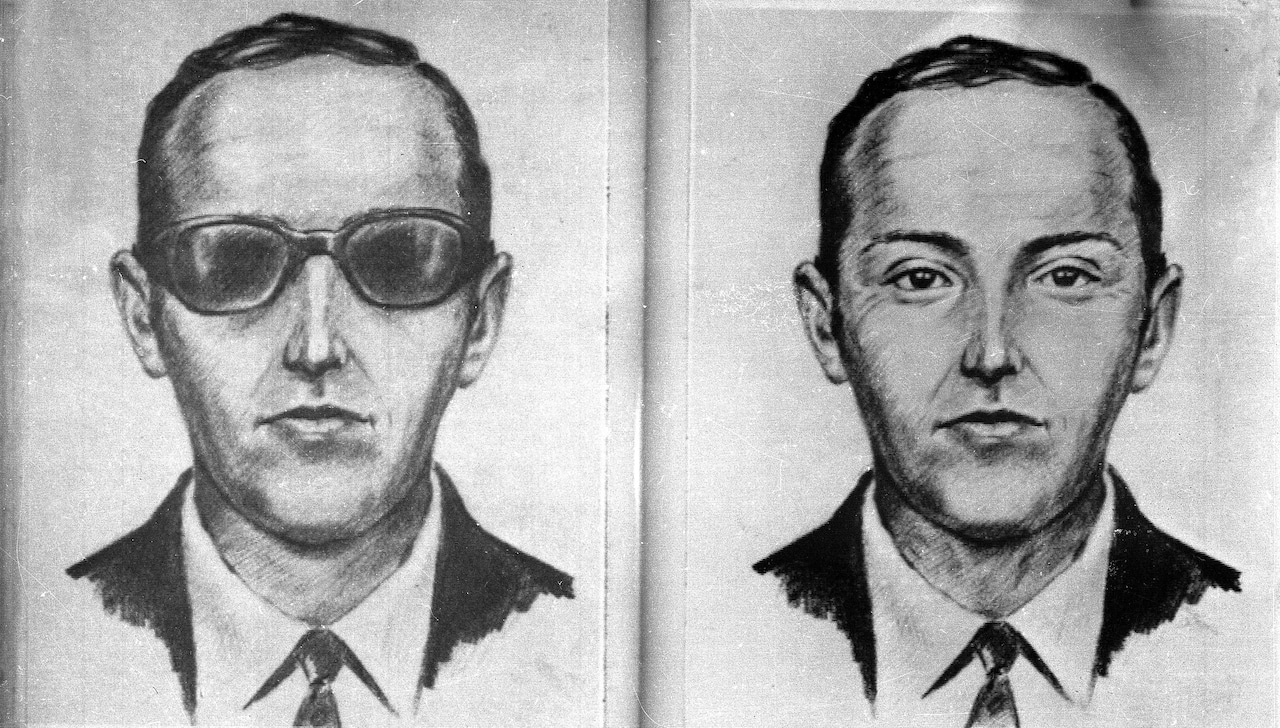
The man at seat 18C called himself Dan Cooper, and he said he had a bomb in his briefcase.
She was a flight attendant on Northwest Orient Airlines Flight 305, and for the rest of the flight she was the one who dealt with him directly.
The note demanded $200,000 in cash, four parachutes, and a fuel truck standing by in Seattle.
The exact wording of that note is not in the record.
The bomb was never found and never detonated.
The weapon was never confirmed to be real.
What she had in her hands was a demand on paper, and a claim about a briefcase that may or may not have held anything at all.
The name that stuck was not even his.
A reporter confused the alias "Dan Cooper" with a man named D.B. Cooper, and the wrong name followed the story for fifty years.
She knew the other name.
She had heard it from his own mouth, in a calm voice, on a plane climbing out of Portland on November 24, 1971.
What she did not know, then or later, was who he actually was.
She would become the primary witness in the only unsolved hijacking in U.S. history.
She would never identify him.
What she would say, in interviews across the years, was that she believed he survived the jump.
That was her personal opinion.
The FBI's record does not establish it.
THE FLIGHT
The ticket was one-way, Portland to Seattle, on Northwest Orient Airlines Flight 305.
The man called himself Dan Cooper.
He waited until after takeoff, then handed the flight attendant a note.
The note said he had a bomb.
He wanted $200,000 in cash, four parachutes, and a fuel truck waiting in Seattle.
The plane landed in Seattle, and the demands were met.
Cooper released the passengers and most of the crew.
Then he gave the pilots their new orders: fly toward Mexico City, low and slow.
The captain was named in coverage.
So was the first officer.
Their personal reactions to the orders are not documented.
Somewhere over southwestern Washington, Cooper opened the rear stairway.
He jumped with the money and two parachutes.
The exact moment of the jump is not in the record.
The pilots could not say precisely when he left.
They could say he was gone.
The plane flew on toward Mexico City with two parachutes missing and a hijacker who was no longer aboard.
The audacity was the thing.
A single note, a claimed bomb, and a man stepped out of a Boeing 727 into a rainy November night.
He was never found.
THE SEARCH
The FBI conducted one of the largest manhunts in its history.
Agents combed the Pacific Northwest by air and on foot. They interviewed hundreds of suspects.
None of them matched.
The parachutes were found unused. The money was never recovered.
Then, in 1980, a young boy found a rotting bundle of cash along the Columbia River in Washington. The serial numbers matched the ransom bills.
It was $5,800. That was all.
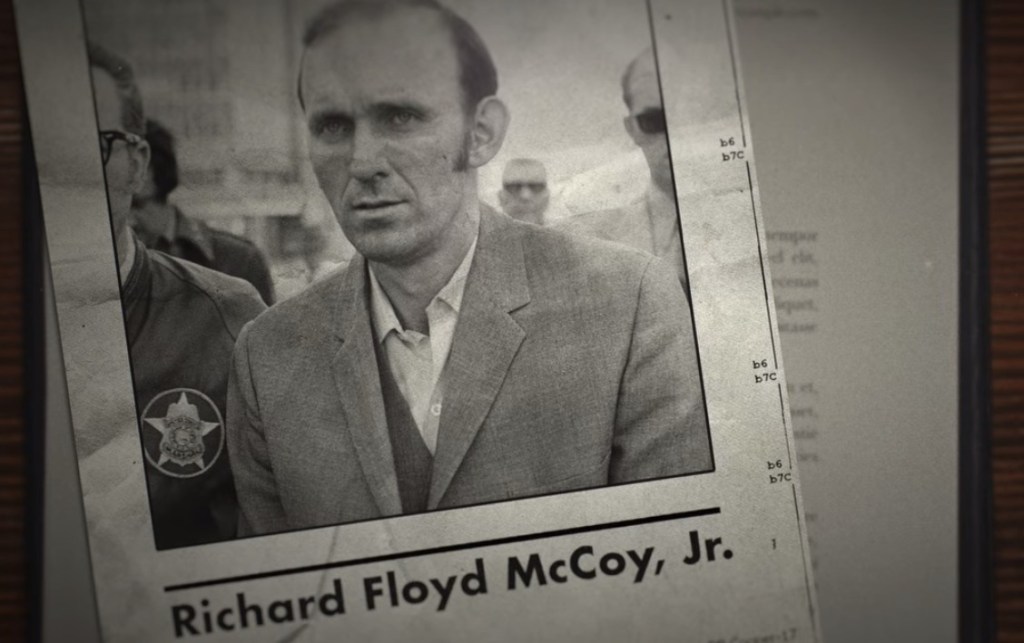
The FBI interviewed a man named Richard Floyd McCoy Jr., arrested in 1972 for a nearly identical hijacking. He was convicted and imprisoned.
The FBI cleared him of being Cooper. The reasons are not detailed in the record. They cited physical differences and the timing of his alibi.
That is what the record says. It does not say more.
Another suspect confessed on his deathbed in 1995. The FBI found inconsistencies in his story.
He was not confirmed as Cooper. His identity is not established in the record.
In 2016, the FBI officially suspended active investigation. It cited a lack of new leads.
It continued to review tips. The case remains the only unsolved hijacking in U.S. history.
The audacity was the thing. The trail went cold anyway.
The money sits as the only physical evidence linked to the ransom. No one has ever spent it. No one has ever traced it to a person.
The agents are gone. The leads are exhausted. The file stays open, but nothing moves.
THE WITNESS
The flight attendant who took the note became the key witness.
She sat across from the man who called himself Dan Cooper.
She watched him write the demand.
She handed the note to the captain.
She gave interviews over the years.
She said she believes Cooper survived the jump.
Not because the FBI proved it.
Because she saw him prepare.
She saw his calm.
She saw his hands.
She never identified him.
Her name is not in the record.
The record keeps her role, not her identity.
The FBI's lead agent, Ralph Himmelsbach, retired and wrote a book about the case.
He died in 2012.
He spent decades chasing a man he never caught.
There was no trial.
There was no conviction.
No one was ever charged with the Cooper hijacking itself.
Her belief is her personal opinion.
It is not an established fact.
It is what a witness carries.
The parachutes were found unused.
The money was never recovered.
The bomb was never confirmed to be real.
She was on the ground below.
She walked away.
He did not.
The file stays open.
The leads are gone.
The witness remains.
AND THE STORY STILL ISN'T OVER
The case remains the only unsolved hijacking in U.S. history.
The FBI closed its active investigation in 2016, though it continues to accept tips.
The $5,800 found on the Columbia River is the only physical evidence linked to the ransom money.
The serial numbers matched.
Nothing else ever matched.
The hijacker's identity remains unknown, and the money has never been spent or traced to anyone.
The flight attendant who took the note has said she believes Cooper survived the jump.
That is her personal opinion, not a fact established by the FBI's record.
She never identified him.
Whether Cooper survived is unknown.
The money's whereabouts are unknown.
The identity remains unknown.
The case has spawned numerous books, documentaries, and amateur theories.
No conclusive identification has ever been made.
The weapon was never confirmed to be real.
The bomb was never found, never detonated, never proven to exist.
The file stays open.
The leads are gone.
The witness remains.
The mystery remains.
Advertisement
You may also like
The duct tape on Laci Peterson's body that split a jury's theory
The duct tape was on Laci Peterson's body when she was found. That single object carried the weight of two opposing stories. The prosecution…
The open letter from the Richards that urged the government to seek the death penalty
Bill Richard and Denise Richard lost their 8-year-old son, Martin, to the bombs near the finish line. Their daughter, Jane, lost a leg in…
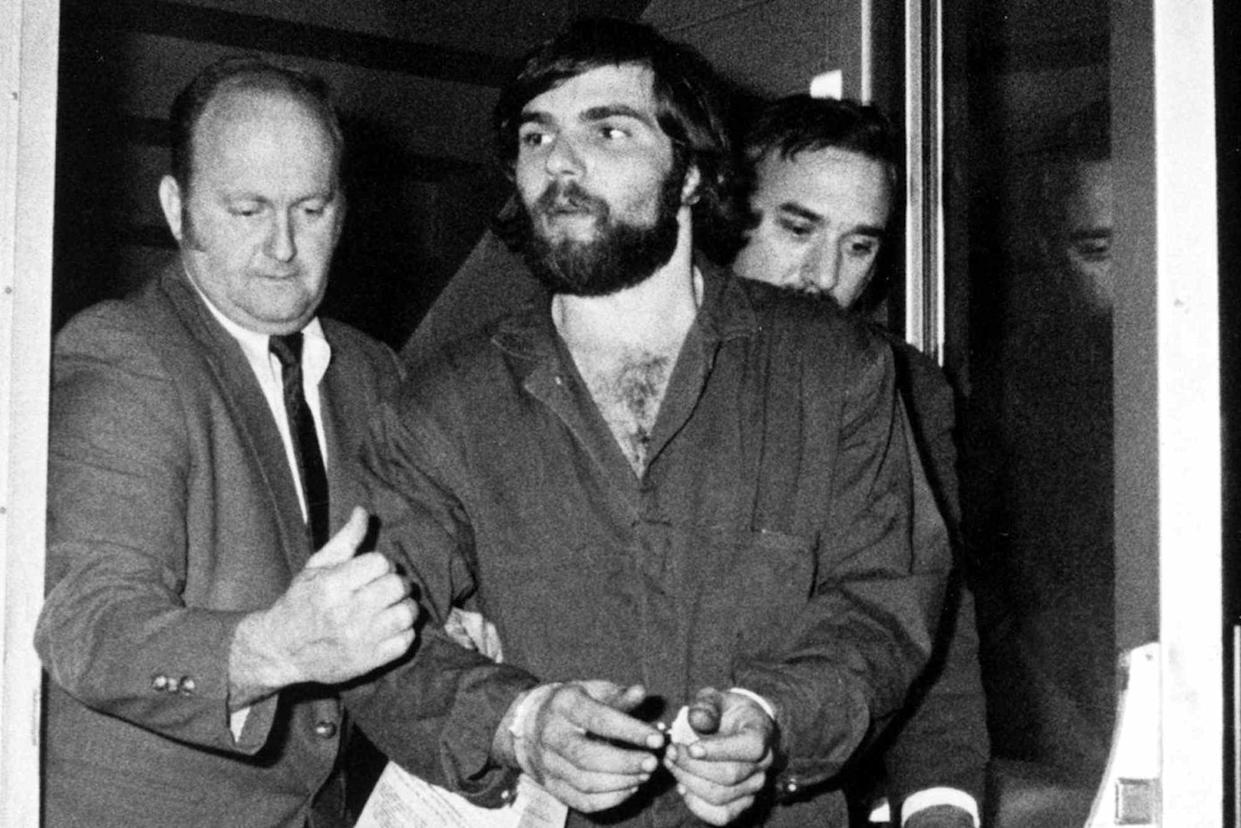
The uncle who found six shot in their beds — and the confession that followed
The door at 112 Ocean Avenue was an ordinary Dutch Colonial, the kind of house a family might call home for a decade. On…
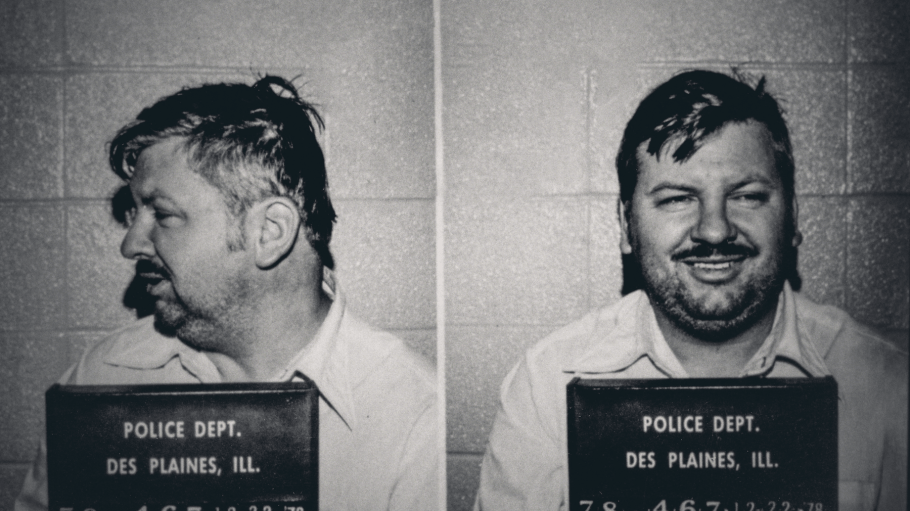
The 15-year-old who vanished after one phone call about a job — his mother's final words
December 11, 1978. A 15-year-old boy told his mother he was going to meet a contractor about a job. Her final words to him…
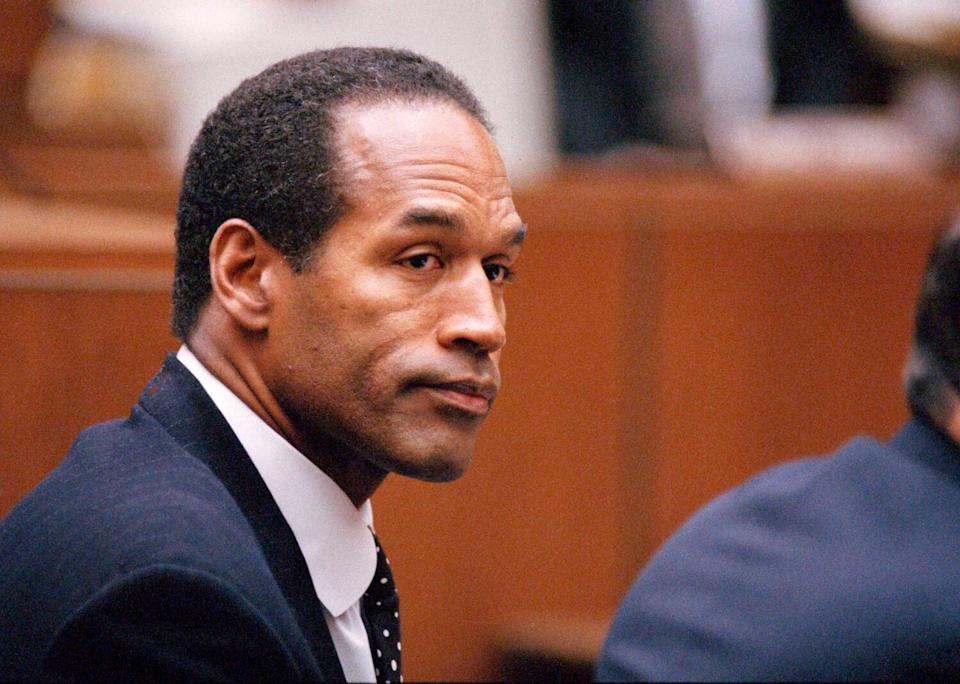
The 95 million who watched O.J. Simpson's Bronco chase and what they saw
The white Ford Bronco moved at 35 miles an hour, and the whole country watched. On June 17, 1994, an estimated 95 million viewers…

The pilot with 711 hours who flew Buddy Holly's plane into a snowstorm
The pilot’s name was Roger Peterson, and he was twenty-one years old. He had logged about 711 hours of total flight time, according to…