A concrete anchor found near Laci Peterson's body — and the one detail that still haunts her family
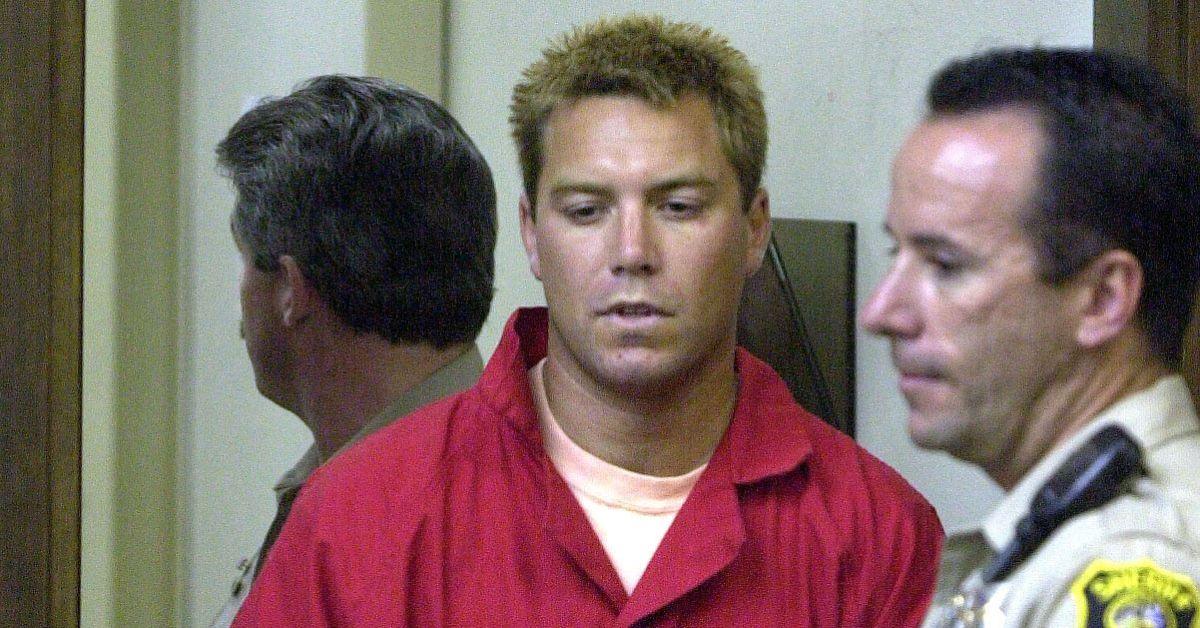
A concrete anchor was pulled from San Francisco Bay in April 2003, near the place where Laci Peterson's body washed ashore.
It matched a homemade anchor found in Scott Peterson's boat, according to the source.
The anchor is a physical object that ties the husband to the bay.
It is also an object that was never recovered as a weapon.
The prosecution argued Scott used the boat and the anchor to dispose of Laci's body.
That argument was circumstantial.
The exact moment the anchor was placed in the bay is not in the record.
No one has said when it entered the water.
No one has said who put it there.
The family asked anyway.
Laci's mother, father, and brother publicly pleaded for information after her disappearance.
They spoke to reporters.
They spoke at vigils.
They stood in front of cameras and asked anyone who knew anything to come forward.
The anchor weighs on the case like it weighs on the bay floor.
It connects a husband to his wife's death.
It does not connect him to the moment.
That moment remains absent.
The family still carries the unanswered question.
It is a question about a piece of concrete.
It is also a question about everything else that was never found.
THE DISAPPEARANCE
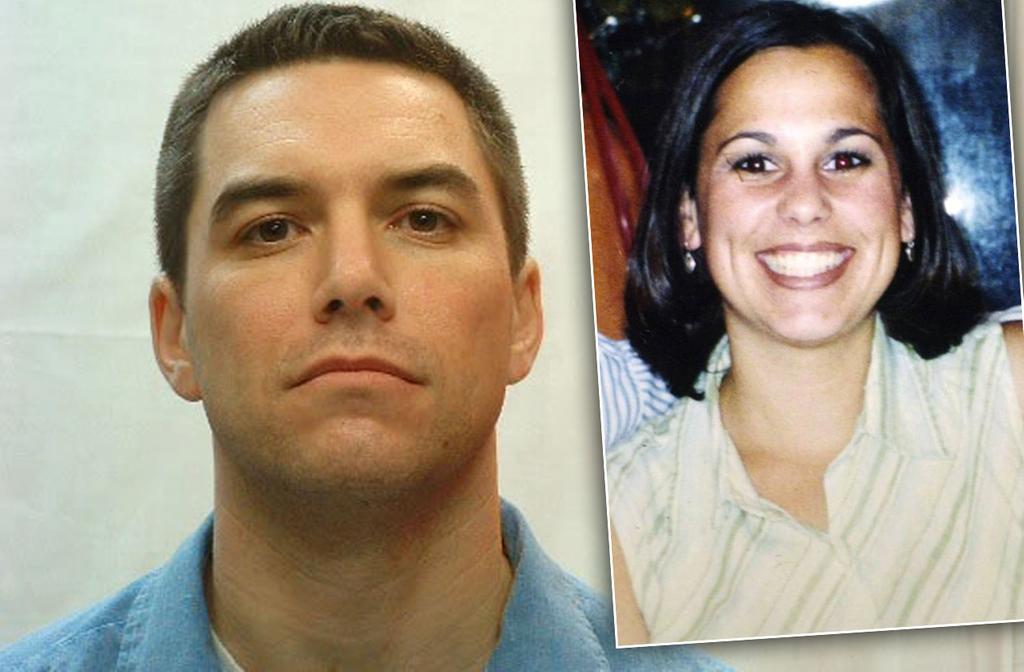
December 24, 2002, was Christmas Eve.
Laci Peterson was 27 years old, a substitute teacher and a homemaker, eight months pregnant with a son the family planned to call Conner.
Her husband, Scott Peterson, reported her missing from their Modesto home that day.
He said he had gone fishing at the Berkeley Marina.
Investigators found the story implausible given the weather that day and his lack of preparation.
Police focused on Scott early, noting inconsistencies in his account of his whereabouts.
What Laci did in the hours before her disappearance is not in the record.
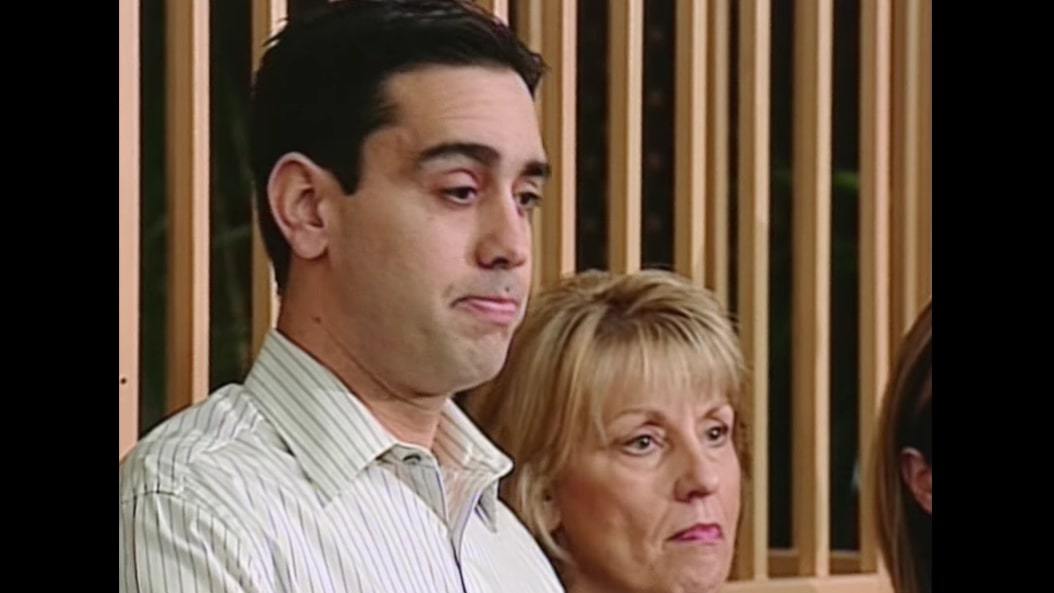
Her mother, Sharon Rocha, went before the cameras and pleaded for information.
Her father, Dennis Rocha, stood beside her.
Her brother, Brent Rocha, spoke publicly too, asking anyone who had seen his sister to come forward.
They described a woman who loved her family, who was about to become a mother.
They described a home that should have been full of Christmas.
Instead it was full of reporters.
Scott's parents, Jackie and Lee Peterson, publicly defended their son.
They said he was grieving, that he had lost his wife and his unborn child.
The two families stood on opposite sides of a widening divide.
Sharon Rocha would later become one of Scott's most vocal critics.
She testified at his trial.
She gave a victim impact statement.
The family waited for news that did not come.
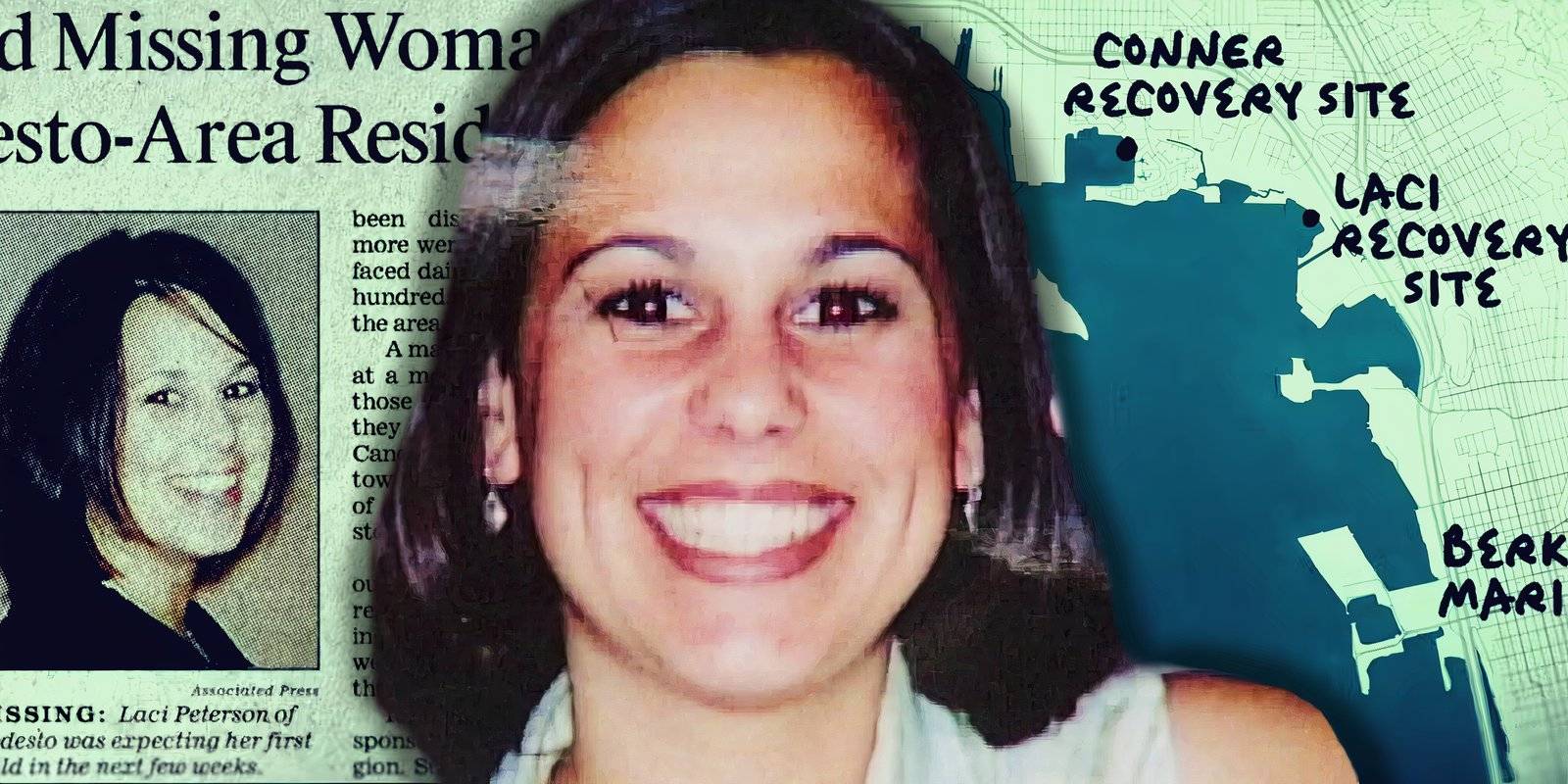
Laci's remains and those of her unborn son washed ashore in San Francisco Bay in April 2003.
The waiting ended.
The questions did not.
THE BODIES AND THE BOAT
The remains washed ashore in April 2003.
Laci's body, and the body of her unborn son, Conner.
The waiting ended in the bay.
Near where Laci was found, divers recovered a concrete anchor.
It matched a homemade anchor found in Scott Peterson's boat.
The match was documented in the record.
The anchor was never recovered as the weapon.
The exact cause of death is not in the record.
What the record does show is what Scott did next.
He sold his truck.
He changed his appearance.
Wiretap evidence revealed his affair with Amber Frey, a massage therapist.
He had told Frey he was a widower.
Frey cooperated with police.
She testified at trial.
The defense argued Laci had been abducted by strangers while walking her dog.
No evidence supported that theory.
It remains a theory.
The prosecution's case was circumstantial.
It was also mounting.

A boat, an anchor, a sold truck, a changed appearance, a secret affair.
Each piece fit the next.
Laci's family sat through the testimony.
They heard the wiretap calls.
They heard Frey describe the man she knew.
They heard the man who had been their son-in-law.
The anchor sits in the record as a question.
Why was the weapon never recovered?
Why did the bay give back the body but not the weight that held it?
Why does the family still ask?
That would require evidence.
THE TRIAL AND THE TWO STORIES
The trial began in June 2004, moved to San Mateo County after a change of venue from Stanislaus County.
The pretrial publicity had been extensive.
The prosecution's case was largely circumstantial, but the jury found it compelling.
The defense argued that Laci had been abducted by strangers while walking her dog.
No evidence supported that theory.
The prosecution's exact theory of how the murder occurred is not detailed in the record.
That is not established.
On November 12, 2004, the jury found Scott guilty of first-degree murder for Laci's death.
The jury found him guilty of second-degree murder for Conner's death.
The jury recommended the death penalty.
:max_bytes(150000):strip_icc():focal(749x0:751x2)/Jackie-Peterson-and-Lee-Peterson-leave-the-San-Mateo-Superior-Courthouse-121625-55846a7459e640d79a1b33bfbc8af4b1.jpg)
On March 16, 2005, the judge sentenced Scott to death.
Sharon Rocha testified at trial.
She gave a victim impact statement.
She published a memoir, *For Laci*, in 2005.
Her family had pleaded publicly for information in the weeks after Laci vanished.
They became vocal critics of Scott.
They asked why the anchor was never recovered.
They asked how the body came back but not the weight that held it.
They still ask.
That would require evidence.
AND THE STORY STILL ISN'T OVER
The conviction was upheld on appeal in 2012.
In 2020, the California Supreme Court overturned the death sentence.
Juror misconduct, the court found.
The conviction itself stood.
The court ordered a new penalty phase.
Scott Peterson remains on death row at San Quentin State Prison.
His death sentence was overturned, but he has not left.
He is awaiting a new penalty phase.
The date of that penalty phase is not in the record.
That would require evidence.
Sharon Rocha, Laci's mother, has not stopped speaking.
She testified at trial.
She gave a victim impact statement.
She published a memoir, *For Laci*, in 2005.
She has continued to advocate for victims' rights.
She has spoken publicly about the case.
She still asks the question the anchor cannot answer.
Not because the conviction was undone.
But because the penalty phase has no date.
It is a waiting room.
It is also a family's ongoing ache.
The case remains one of the most heavily covered criminal cases in American media history.
The coverage did not end the waiting.
The coverage did not bring the weapon back.
The weapon was never recovered.
The anchor was found in the bay.
The anchor matched the one in the boat.
The weight that held her body down was never produced at trial.
Sharon Rocha has said what a mother says.
She has written what a mother writes.
She has asked what a mother asks.
The legal limbo continues.
The family still waits for finality.
That would require evidence.
Advertisement
You may also like
The friend's call that sent police to the Watts home — and the phone left behind
On the morning of August 13, 2018, in Frederick, Colorado, Shanann Watts, 15 weeks pregnant, was supposed to be at a doctor's appointment. She…
The day care center inside the Murrah Building held 19 children when the bomb hit
The morning of April 19, 1995, began with the ordinary mechanics of a workday. Parents pulled into the drop-off lane outside the Alfred P.…
The Florida mother's 2005 report that started it all — how one stepdaughter's massage led to a 14-year saga
A mother called Palm Beach police in 2005. Her stepdaughter was 14. An older girl had recruited the teenager, the mother said, to give…
The bloody glove on O.J. Simpson's estate that changed everything — but the jury never saw it that way
The glove was found on the morning of June 13, 1994. Detective Fuhrman of the LAPD went to Simpson's estate on Rockingham Avenue. He…
The duct tape on Laci Peterson's body that split a jury's theory
The duct tape was on Laci Peterson's body when she was found. That single object carried the weight of two opposing stories. The prosecution…
The open letter from the Richards that urged the government to seek the death penalty
Bill Richard and Denise Richard lost their 8-year-old son, Martin, to the bombs near the finish line. Their daughter, Jane, lost a leg in…