The boat graffiti that convicted Dzhokhar Tsarnaev: what the jury saw before the death penalty
The boat sat in David Henneberry's backyard in Watertown, covered in shrink-wrap for the winter.
On April 19, 2013, Henneberry noticed the wrap had been cut and the boat's plug was pulled.
He climbed a ladder to look inside.
Dzhokhar Tsarnaev was hiding in the hull, bleeding.
Henneberry called police.
The manhunt that had shut down Boston ended there, in a dry-docked boat on a residential street.
Inside that boat, investigators found writings.
Prosecutors would later argue those writings showed intent.
They would argue the writings showed a lack of remorse.
The exact words were never detailed in the public record.
What the jury heard was the prosecution's argument about what those writings meant.
The federal trial began in January 2015 in U.S. District Court in Boston.
Dzhokhar Tsarnaev was charged with 30 federal counts.
The defense, led by Judy Clarke, conceded his involvement.
Clarke argued that Tamerlan, the older brother, was the mastermind.
She argued Dzhokhar had been influenced by him.
The prosecution argued Dzhokhar was an equal participant.
The boat writings were presented to the jury.
What did they say?
What did they prove?
Did they alone convict him?
That would require evidence the record does not establish.
The boat was a physical fact.
The writings were a documented exhibit.
The claim that the writings alone sealed the verdict is a theory, not a finding.
The jury heard the writings.
The jury heard the arguments about them.
What the jury decided came later.
THE BOMBS AND THE MANHUNT
April 15, 2013. Two pressure-cooker bombs exploded near the finish line of the Boston Marathon on Boylston Street. The explosions killed three people and injured more than 260 others. The three killed were Krystle Campbell, Lingzi Lu, and Martin Richard, an 8-year-old boy.
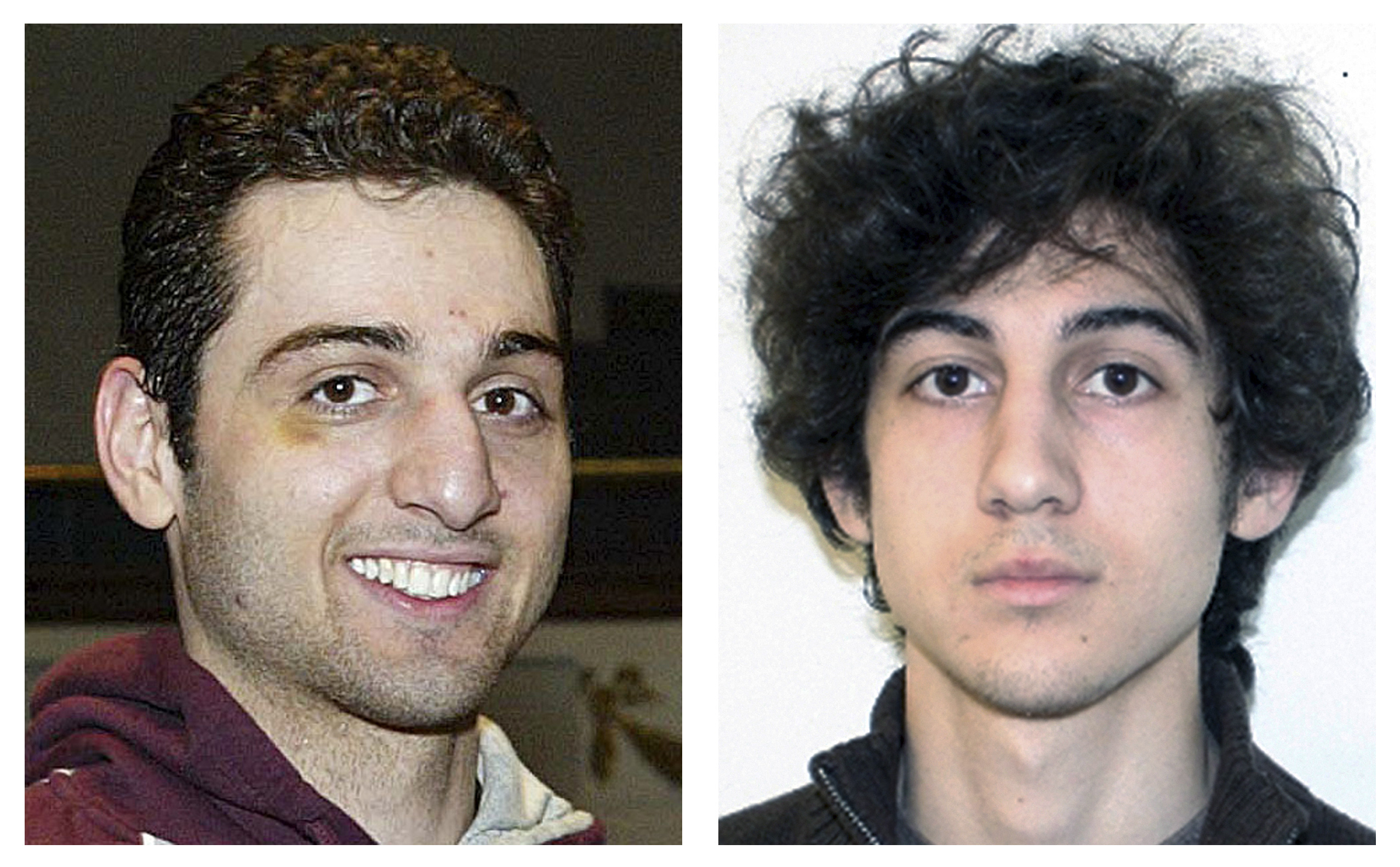
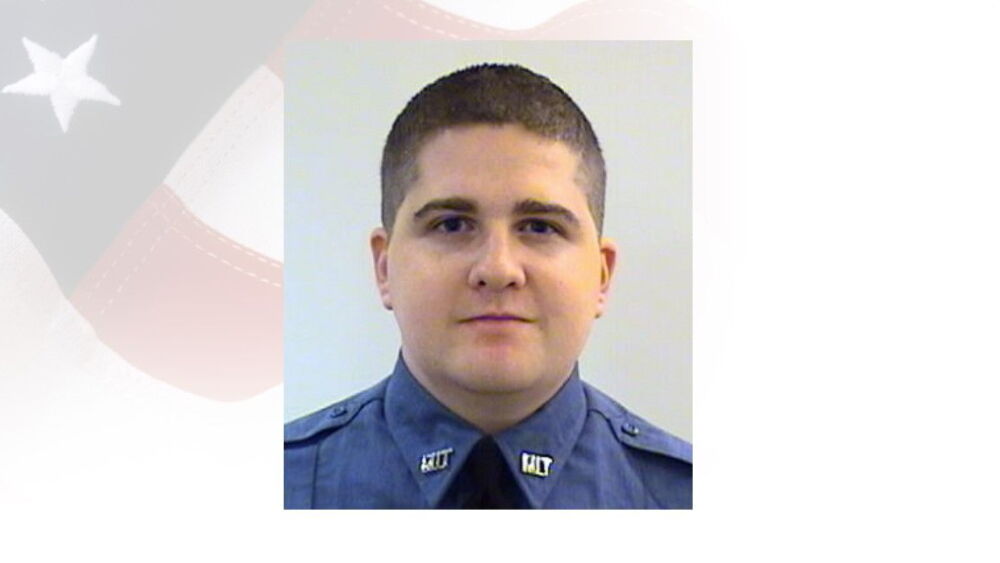
Three days later, on April 18, the two suspects were identified from surveillance images. The images came from a department store near the finish line. That night, they killed MIT police officer Sean Collier. They carjacked a vehicle.
A massive manhunt ensued. Boston and surrounding communities were locked down on April 19.
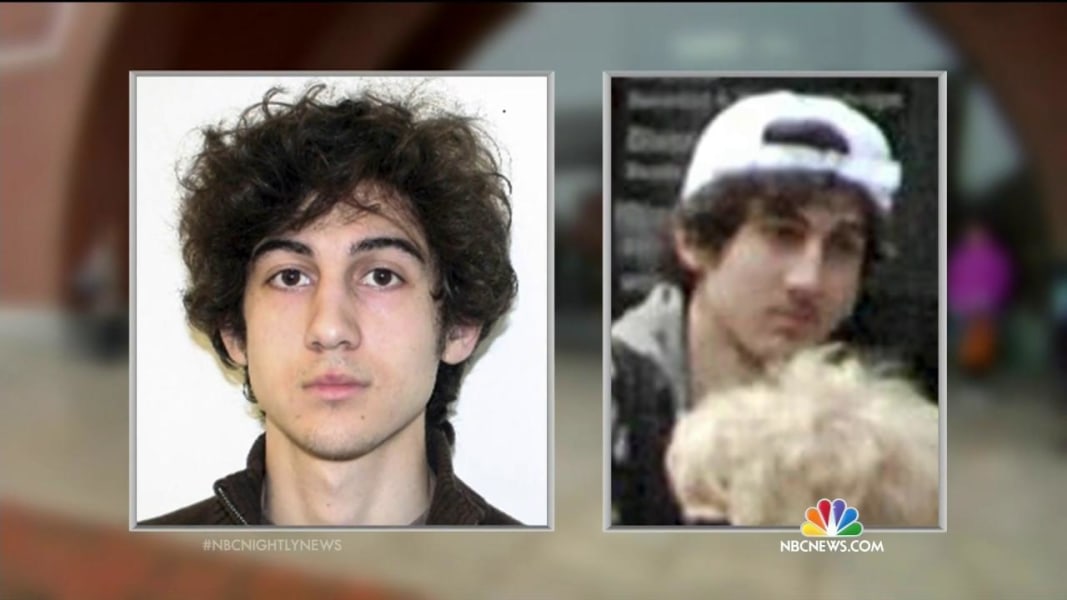
The older brother, Tamerlan Tsarnaev, was killed in a shootout with police in Watertown. The younger brother, Dzhokhar Tsarnaev, was captured later that day. He was found hiding in a boat in a Watertown backyard.
The record establishes the sequence. The record establishes the capture.
What the record does not establish is the specific role each brother played in the bombing itself. The defense argued that Tamerlan was the driving force. That remains a claim made in court, not a fact the record settles.
THE TRIAL OPENS

The trial opened in January 2015 in U.S. District Court in Boston.
Dzhokhar Tsarnaev faced 30 federal counts, including conspiracy to use a weapon of mass destruction and bombing a public place, resulting in death.
The defense was led by Judy Clarke.
She conceded his involvement in the bombing.
Her argument was that Tamerlan was the driving force, and Dzhokhar had been influenced by him.
The prosecution was led by Carmen Ortiz, the U.S. Attorney for the District of Massachusetts.
Her argument was that Dzhokhar was an equal participant.
Two stories, one jury.
The defense did not dispute the acts.
The dispute was about the role.
The medical examiner testified about the cause of death of the victims.
David Henneberry testified—the man whose boat held the accused.
Several law enforcement officers also testified.
Their specific testimony is not detailed in the record.
That remains unestablished.
The courtroom heard what the prosecution argued was intent.
It heard what the defense argued was influence.
It heard what the medical examiner found.

It did not hear a single story.
The weight of the process was in the room.
Thirty counts.
Two narratives.
One verdict to come.
The judge presided over it all.
The record does not establish what the law enforcement officers said on the stand.
It establishes only that they were called as witnesses.
The trial would run for months.
The jury would decide.
TWO STORIES, ONE JURY
Two stories, one jury.
The prosecution told the jury that Dzhokhar Tsarnaev was an equal participant in the bombing. The boat writings, prosecutors argued, showed his intent and his lack of remorse.
The defense told the jury a different story. Judy Clarke, the lead defense attorney, argued that Tamerlan Tsarnaev was the mastermind and that Dzhokhar had been influenced by his older brother.
The defense did not dispute that Dzhokhar committed the acts.
He was there. He did it.
The question was not whether. The question was why, and what was in his mind when he wrote on the boat's wall while hiding inside it.
The prosecution called witnesses who described the explosions, the victims, the manhunt. The defense called witnesses who described the older brother's dominance.
Martin Richard's parents testified. Krystle Campbell's sister testified. The man whose boat held the writings testified.
In April 2015, the jury convicted Dzhokhar Tsarnaev on all 30 counts.
Then came the penalty phase. The jury voted for the death penalty on six of the counts.
In June 2015, the judge sentenced him to death.
What the jury actually weighed, what tipped the vote, what they said in the deliberation room — none of that is in the record. Only the verdict and the penalty vote are documented.
The writings were shown. The arguments were made. The decision was theirs alone.
They carried the moral weight. The gravity of the choice was theirs.
The record shows the outcome. It does not show the reasoning.
AND THE STORY STILL ISN'T OVER
The defense appealed the death sentence.
In 2020, a federal appeals court overturned it.
The ruling was specific: the trial judge had not adequately screened jurors for bias.
That is what the record shows.
In 2022, the U.S. Supreme Court reinstated the death sentence.
Dzhokhar Tsarnaev is on federal death row at USP Florence in Colorado.
His lawyers have continued to pursue appeals as of recent reports.
What is pending now? That is not specified in the source.
The current status of any appeal is not established.
It is a case in limbo.
It is also a case with a human cost.
The Richard family has publicly opposed the death penalty.
They argue it prolongs the pain.
Not because they doubt what happened.
But because the process itself keeps the wound open.
The trial ended. The sentencing was handed down. The appeals went on.
The family of Martin Richard has said the penalty does not bring closure.
It draws out the loss.
The record shows the sentence was reinstated in 2022.
It does not show an end.
The appeals have continued.
That is all the source says.
The legal machinery moves slowly.
The boat is gone from the backyard.
The writings were shown to a jury.
The decision was made.
The story still isn't over.
Advertisement
You may also like
The ransom note demanding $118,000 that matched John Ramsey's bonus
The 911 call came at 5:52 a.m. on December 26, 1996. Patsy Ramsey told the dispatcher her 6-year-old daughter was missing. A ransom note…
The trunk stain that sent Casey Anthony to trial for Caylee's death
The car was a Pontiac, and the trunk smelled before anyone opened it. In July 2008, after Caylee Marie Anthony was reported missing, a…
The two-phase attack that began at a streetlight and ended in a hallway
The light at 82-70 Austin Street in Kew Gardens, Queens, marks the spot. Not a hallway. Not a doorway. The open street, under the…
The 911 call at 12:10 a.m. — and the glove that would not fit the timeline
The dog came back first. It was past midnight on June 13, 1994, in the Brentwood neighborhood of Los Angeles. A neighbor named Sukru…
Cell phone data put Chase Merritt near the grave site — then QuickBooks opened after the family vanished
The motorcyclist stopped because something in the sand caught his eye. It was February 2013, and he was riding near Victorville, California, in the…
The parking ticket that led police to David Berkowitz's door
It was a piece of paper, folded under a windshield wiper. A parking ticket issued near one of the Son of Sam shootings. The…