The two-phase attack that began at a streetlight and ended in a hallway
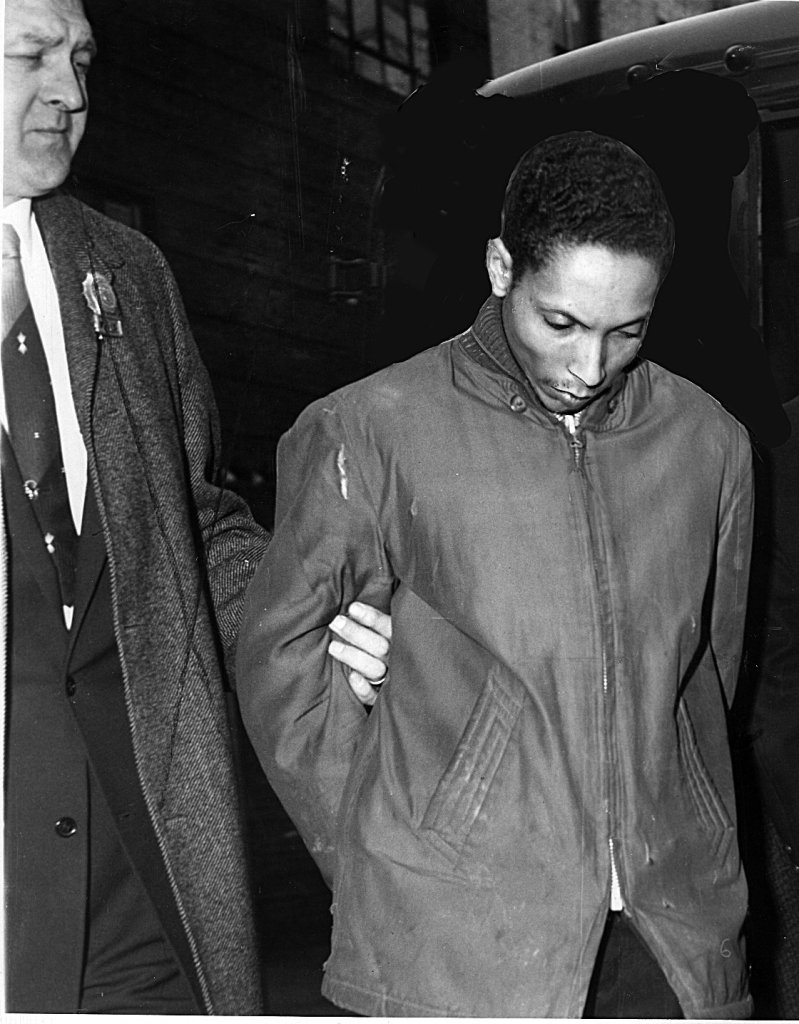
The light at 82-70 Austin Street in Kew Gardens, Queens, marks the spot.
Not a hallway. Not a doorway. The open street, under the light.
The attack happened in two phases.
First, the stabbing near the streetlight, in the open, where the light fell.
Then a neighbor shouted.
That shout is the pivot between the two phases, and it is documented in the record.
The attacker fled.
He came back.
He returned to finish the assault in a building hallway.
Why did he flee at a shout, then return?
Why did the shout stop him once and not twice?
The record does not explain his reasoning.
That streetlight is the unresolved detail.
The source does not name the neighbor who shouted; that identity is not in the record.
Not the witness who saw part of the attack. Not the voice that carried from a window.
Just the shout itself.
It is a documented fact. It is also a blank space.
The attack began under the light. It ended in a hallway.
Between those two points sits a question the file leaves open.
THE RETURN FROM WORK
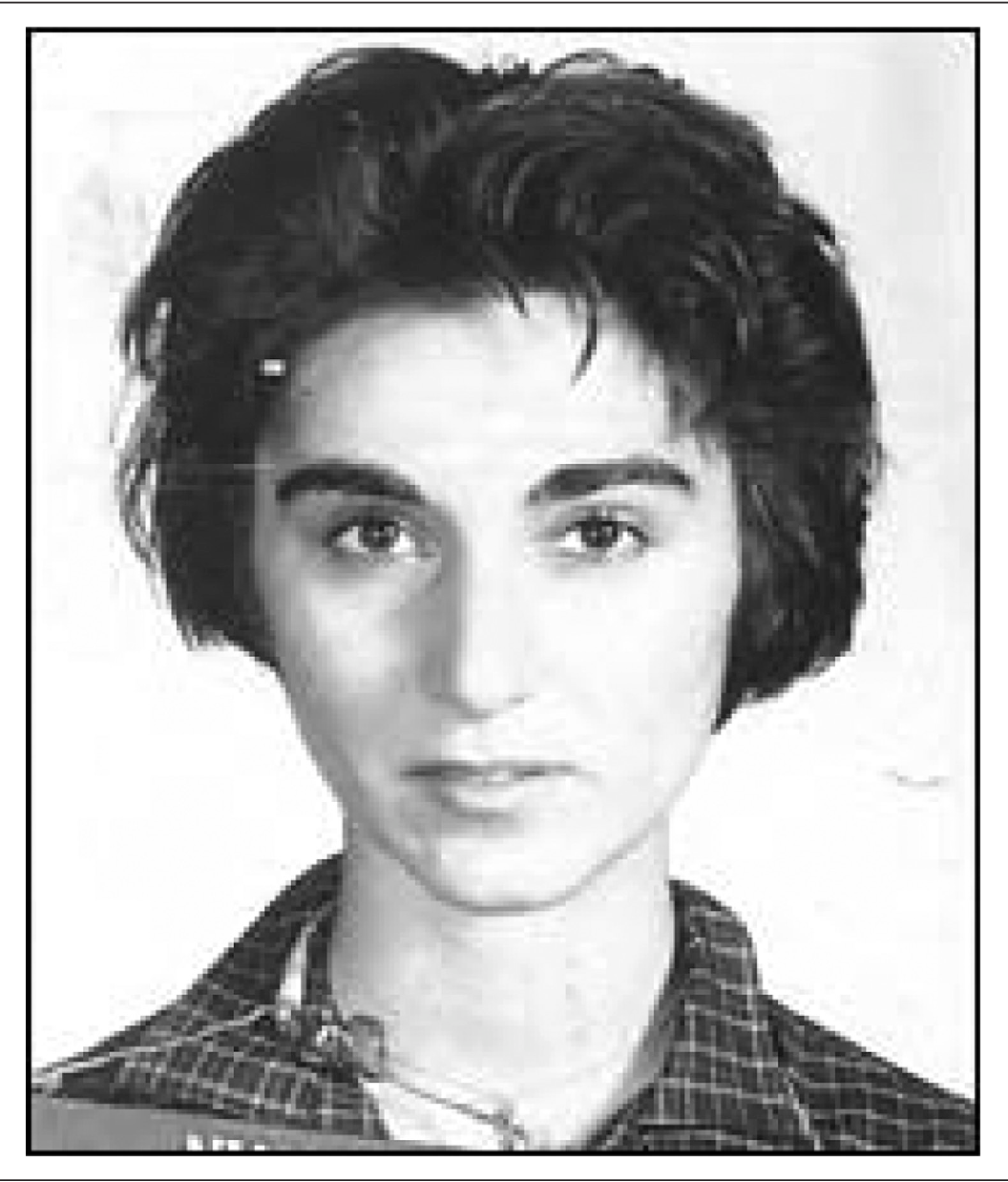
Catherine "Kitty" Genovese left Ev's 11th Hour Bar in the early hours of March 13, 1964.
She was a 28-year-old bar manager, coming home from work.
She was outside her apartment building at 82-70 Austin Street in Kew Gardens, Queens.
Winston Moseley, a 29-year-old business machine operator, attacked her with a hunting knife.
The first phase of the attack happened near a streetlight.
A neighbor shouted.
Moseley fled.
Then he returned and continued the assault in a building hallway.
Genovese died from her wounds en route to Queens General Hospital.
The record does not establish the exact time of the attack.
The record does not establish how she traveled home from the bar.
She came home from work.
That is the ordinary fact at the center of it.
THE CONFESSION
Six days after the murder, Moseley was arrested while driving a stolen car in Queens.
It was March 19, 1964.
During questioning, he confessed to the murder.
He provided details that only the killer would know.
The exact details of that confession are not specified in the record.
What is documented is the confession itself, the anchor that ties Moseley to the crime.
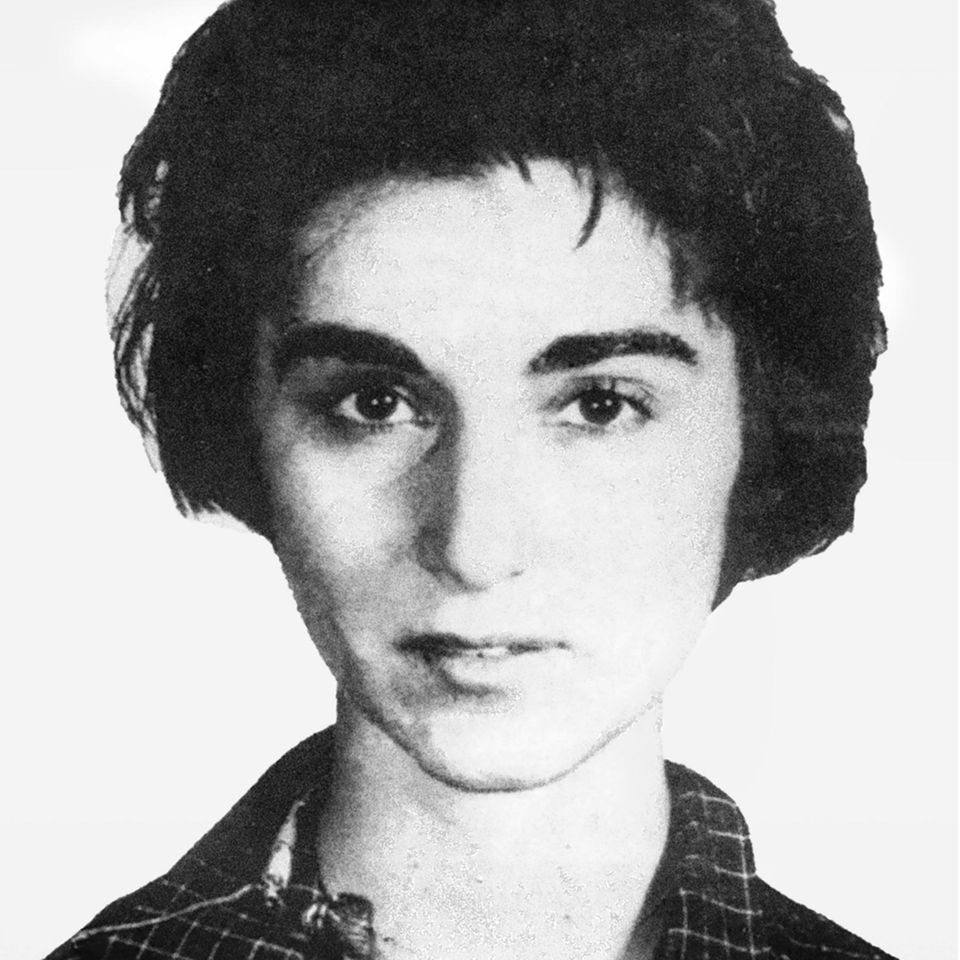
Then he confessed to more.
He confessed to the murder of 15-year-old Barbara Kralik in February 1964.
He confessed to the murder of Annie Mae Johnson in March 1964.
The lead detective was part of the Queens homicide squad.
His name is not in the source.
That is not established.
The confession came with a chilling specificity, the kind that does not come from guesswork.
It came with the weight of other crimes, other families, other hallways.
It came six days too late for Kitty Genovese.
She was already dead.
The record holds the confession, but it does not hold the room where it was given, the hour, or the detective's name.
What remains is the statement itself.
What remains is the man who made it.
What remains is what he said he did.
THE TRIAL
He was tried in Queens County Court in June 1964.
He was charged with first-degree murder for the Genovese killing.
The trial lasted only a few days.
The defense did not dispute that Moseley committed the act.
The defense argued he was not responsible due to mental illness.

The prosecution argued he was legally sane.
The jury rejected the insanity defense.
The jury convicted Moseley of first-degree murder.
He was sentenced to death.
The sentence was death.
In 1967, the death sentence was commuted to life imprisonment after New York temporarily abolished the death penalty.
He was also convicted separately for the murders of Kralik and Johnson.
Swift, that was the word for it.
A few days in a courtroom, and the question was settled.
Guilt or insanity.
The jury chose guilt.
The names of the defense attorney, the prosecutor, and the trial judge are not in the source.
That detail remains unestablished.
What is established is the verdict.
What is established is the sentence.
What is established is the commutation.
The record holds the shape of the trial: short, stark, and binary.
AND THE STORY STILL ISN'T OVER
Moseley spent the rest of his life in prison.
He was denied parole multiple times, with his final denial in 2016.

He died in prison on March 28, 2016, at the age of 81.
Kitty Genovese’s partner, Mary Ann Zielonko, has spoken publicly about the case in interviews and documentaries, describing her relationship with Genovese and the impact of the murder.
The case remains a touchstone in discussions of the bystander effect.
It is also a case whose central story has been revised.
Later reporting, including by The New York Times itself in 2016, substantially questioned the accuracy of the original 38-witness narrative.
The exact number of witnesses who actually saw or heard the attack is not established.
The original claim was exaggerated.
That is what the record shows.
The streetlight still stands.
The hallway still exists.
The record is still being corrected.
The 38 witnesses are a claim, not a fact.
The confession is a fact.
The conviction is a fact.
The death is a fact.
The rest is still being written.
The next concrete step is not a hearing or a motion.
It is the ongoing re-examination of the record by journalists and historians.
What is established is the sentence.
What is established is the commutation.
What is established is the death.
What remains is the weight of a contested legacy.
Advertisement
You may also like
The cotton gin fan tied to Emmett Till's neck that a jury still could not explain
It came up on a rope, out of the Tallahatchie River, on August 31, 1955. A cotton gin fan, tied to a 14-year-old's neck…
The kennel video that placed a father at the scene of a family's murder
The kennel video was not made for the public. It was footage from a dog kennel at Moselle, the family's hunting estate near Islandton,…
The 90-minute deliberation that followed a 13-day trial in the Borden case
The morning of August 4, 1892, in Fall River, Massachusetts, was warm and still. Inside the house at 92 Second Street, the bodies were…
The phone call that put Adnan Syed at the park — and the witness who kept changing his story
She left school on January 13, 1999, and never came home. Hae Min Lee was 18, a senior at Woodlawn High School in Baltimore…
A freelance photographer's fibers that tied him to 28 Atlanta child murders
The photographer was 23 years old. He worked freelance, taking pictures and promoting music in Atlanta. The city around him was in panic. Between…

The 1:00 a.m. knock that emptied a museum of $500 million in art
It was a knock that sounded routine. Shortly after 1:00 a.m. on March 18, 1990, two men in fake Boston police uniforms knocked on…