The kennel video that placed a father at the scene of a family's murder

The kennel video was not made for the public.
It was footage from a dog kennel at Moselle, the family's hunting estate near Islandton, South Carolina.
On June 7, 2021, Paul Murdaugh, 22, and his mother, Margaret "Maggie" Murdaugh, 52, were found shot to death there.
The video placed Alex Murdaugh, the husband and father, at the scene near the time of the murders.
It contradicted his alibi that he had been elsewhere.
The video is a piece of evidence in the trial, not a viral clip.
Its existence is documented.
The exact contents of the kennel video beyond placing Alex at the scene are not established in the source.
What does it show?
Who is in the frame?
Who is not?
That would require evidence.
The victims were a mother of two and a college student.
Maggie Murdaugh was a mother of two.
Paul Murdaugh was a college student facing legal scrutiny over a 2019 boating accident in which a young woman, Mallory Beach, died.
He had been charged with boating under the influence in connection with that incident.
The family was a legal dynasty in South Carolina's Lowcountry.
The case drew national attention.
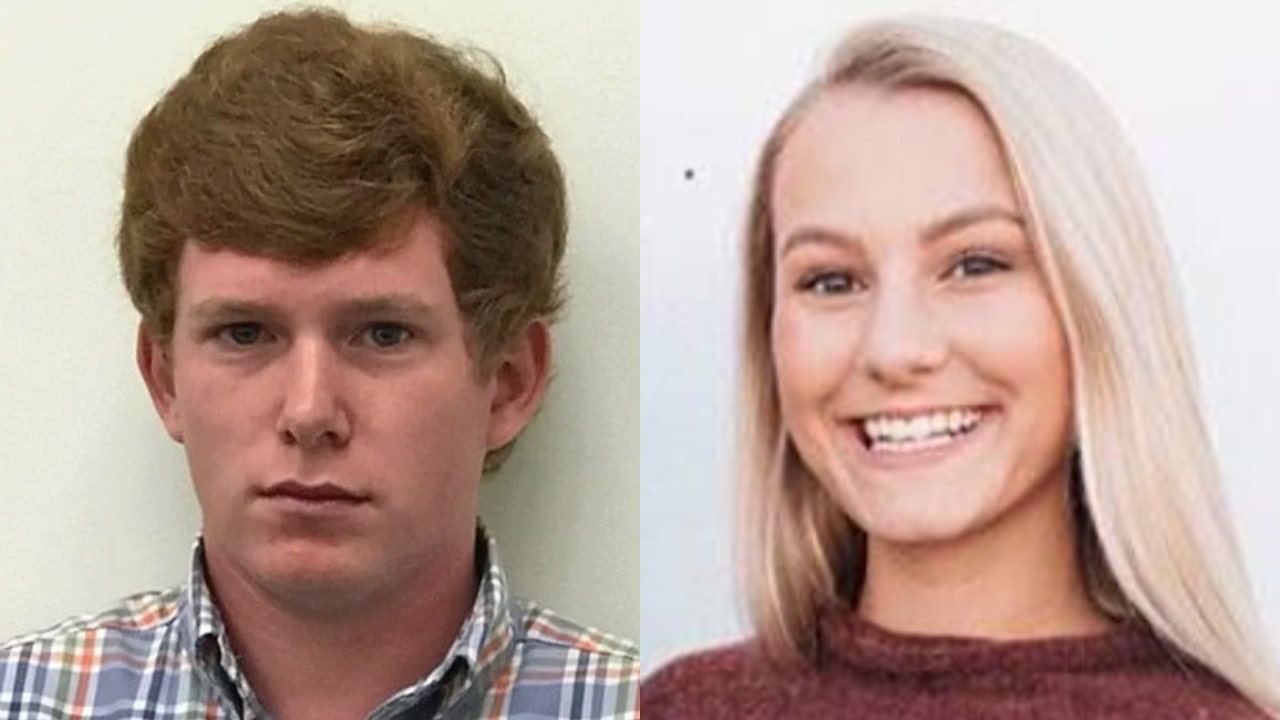
The bodies were discovered by Paul's father, who called 911.
He was the one who found them.
THE FAMILY
Maggie Murdaugh was a mother of two, the wife of a prominent attorney, and a presence in the Lowcountry social world that the family's name opened.
Paul Murdaugh was a 22-year-old college student, known in equal measure for his family's standing and for the legal trouble that followed a night on the water.
He had been charged with boating under the influence in connection with the 2019 death of Mallory Beach, a young woman who died when the boat he was piloting ran aground.
That charge was pending when he was killed.
The Murdaugh family was a legal dynasty in South Carolina's Lowcountry, a name that carried weight in courtrooms and county offices for generations.
That dynasty drew national attention to the case, turning a local tragedy into a story the whole country followed.
Alex Murdaugh, the husband and father, discovered the bodies and called 911.
He was the one who found them.
The surviving son, Buster Murdaugh, was not charged in connection with the deaths, and he later testified at the trial.
The record holds these roles: a mother, a son, a brother, a father who made the call.
What the record does not hold is much more.
Any personal details about Maggie or Paul beyond their roles and the boating incident are not in the record.
There is no account of what they said that day, no record of their last conversations, no testimony from them about their own lives.
The story of who they were is still being told, and the telling has to stop at the edge of what is documented.
They were a mother and a son with a complicated family history.
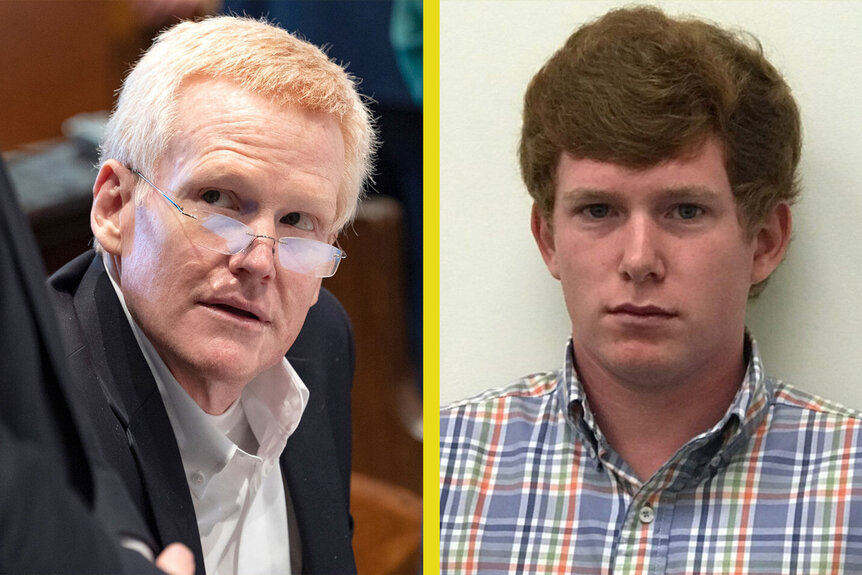
That is what the record establishes.
That is all the record establishes.
THE INVESTIGATION
SLED took over the investigation immediately.
The state's lead agency moved in the same day the bodies were found at Moselle.
Agents examined the kennel video that placed Alex Murdaugh at the scene near the time of the killings.
They checked the weapons used.
The shotgun and the rifle were owned by the family.
The exact timeline of the investigation steps is not fully detailed in the source.
What is documented is the sequence of what came next.
Months after the murders, Alex Murdaugh was shot in the head in an alleged roadside incident.
He later admitted it was a suicide-for-hire scheme.
The man charged in that plot was a former client, Curtis Edward Smith.
The investigation did not stop at the shootings.
It uncovered widespread financial crimes.
There was theft from clients.
There was theft from the estate of Gloria Satterfield, the family's former housekeeper who died in 2018.
She was a woman who had worked for the family.
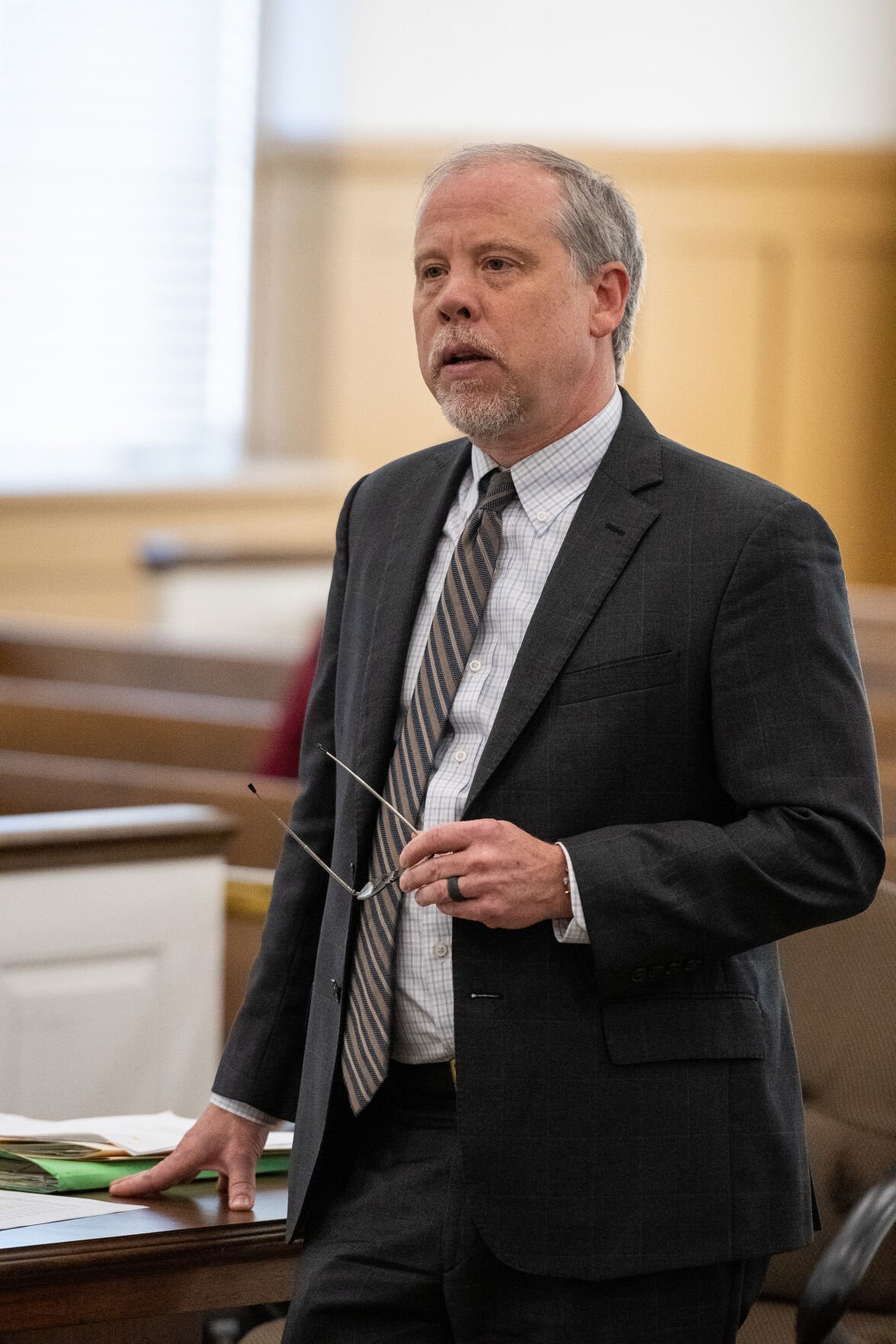
Her death became part of the broader scandal.
The murder investigation and the financial investigation ran alongside each other.
One pointed at how the family's patriarch spent his days.
The other pointed at how he spent their money.
Neither pointed anywhere good.
The kennel video was evidence.
It was a piece of the record, not a story.
The story of who the victims were was still being told.
THE TRIAL
The trial began in January 2023 in Colleton County, South Carolina, before Judge Clifton Newman.
Creighton Waters, the lead prosecutor, argued that Alex murdered his wife and son to distract from his mounting financial fraud.
Dick Harpootlian and Jim Griffin, the defence attorneys, argued that Alex was a devoted family man and that the state's case was circumstantial.
The courtroom held two versions of the same man.
One was a father who called 911 after finding the bodies.
The other was a fraudster who, prosecutors said, killed to keep his collapse from surfacing.
Both narratives leaned on the kennel video.
Waters pointed to it as proof Alex was at the scene near the time of the deaths.
The defence pointed to it as proof he was simply home with his family.
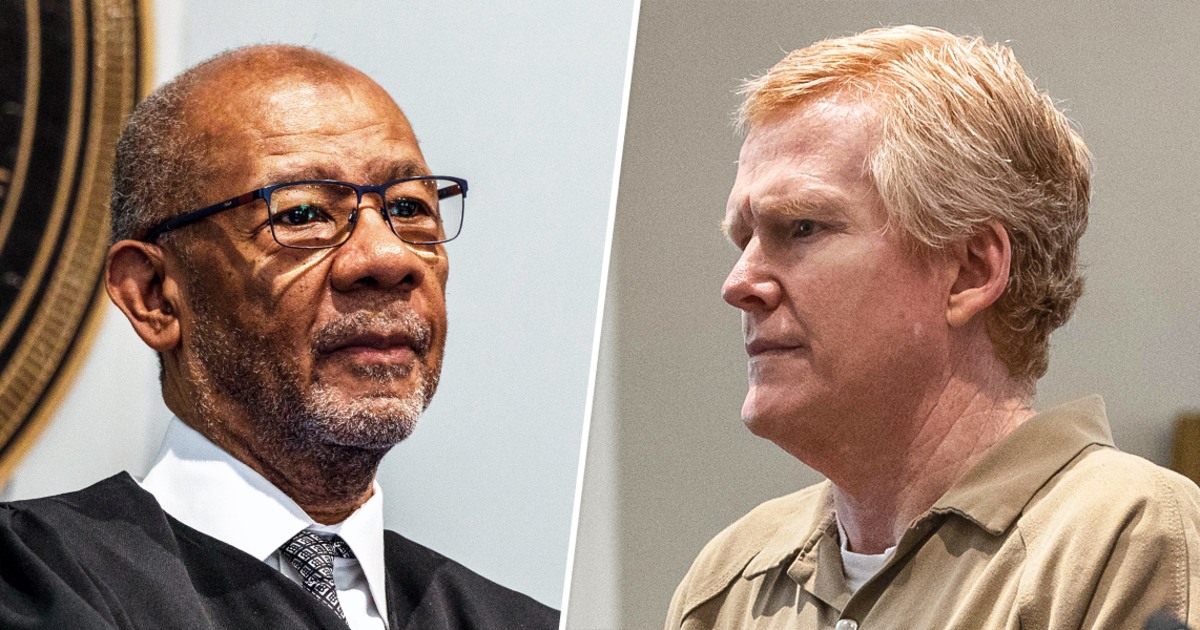
The video showed the man in motion; it did not show what he was thinking.
It was a piece of the record, not a story.
The jury heard testimonies about the family, about the boating accident that had weighed on Paul, about the financial schemes that had weighed on Alex.
The story of who the victims were was still being told.
On March 2, 2023, the jury found Alex Murdaugh guilty of two counts of first-degree murder and two counts of possession of a weapon during a violent crime.
He was sentenced to two consecutive life sentences without parole.
What happened inside the jury room is not in the record.
Deliberations are sealed.
The verdict is public; the reasoning is not.
The tension between the two narratives did not resolve in the courtroom.
It landed in a question: which man was real?
That would require evidence.
AND THE STORY STILL ISN'T OVER
Alex Murdaugh is serving his life sentences at a South Carolina prison.
His defence filed appeals, including a motion for a new trial based on allegations of jury tampering.
Judge Newman denied that motion.
The South Carolina Supreme Court has agreed to review aspects of the case.
The outcome of that review is not yet known.

It is a review of procedure, of evidence, of a trial that lasted weeks.
It is not a retelling of who the victims were.
Buster Murdaugh has remained out of the public eye.
He testified at his father's trial; he has not spoken publicly since.
The family's legal troubles have continued beyond the murder convictions.
Civil lawsuits and ongoing investigations into the financial scheme remain open.
The theft from clients, the death of Gloria Satterfield, the money that moved through the family's name — those cases are still moving.
The case has been the subject of extensive media coverage.
Documentaries and true-crime series have retold the story of Moselle, of the kennel video, of the trial.
They have told the story of the accused.
The story of Maggie and Paul is still being told.
It is told in the 911 call, in the testimony of friends, in the quiet absence of Buster Murdaugh.
It is told in what the record does not establish — the full shape of the family's private life, the weight of the years before the guns were fired.
That would require evidence.
The appeals will be argued.
The Supreme Court will decide.
The sentences will stand or they will not.
But the case is not closed.
The family's story continues to unfold.
Advertisement
You may also like

The parolee with a violent history who was freed months before Polly Klaas vanished
June 1993. Richard Allen Davis walked out of prison. He had a long record. Kidnapping. Assault. Violent abductions, according to the investigation summary. Just…
The inmate tip that sent two ex-cons to the Clutter farmhouse
Floyd Wells was in a Kansas prison cell when he told authorities what his former cellmate had said. Richard Hickock, he said, had spoken…
The 2015 missing-person call that led to a stabbing, a hidden illness, and two murder charges
The call came in on June 14, 2015. Deputies from the Greene County Sheriff's Office in Missouri were sent to a residence in Springfield…

Two shotguns bought days before the Menendez parents were killed — what the brothers' psychologist heard next
Days before August 20, 1989, Lyle and Erik Menendez bought two 12-gauge shotguns. The same weapons were used to kill their parents, Jose and…
The Milwaukee apartment where a skull sat beside Polaroids of the dead
The handcuff was loose. That is what the man told the officers, anyway, when he flagged them down on the night of July 22,…
The $1 million extortion letter that named a killer — and the man who wrote it
Seven people in the Chicago area died in late September and early October 1982. They had taken Extra-Strength Tylenol capsules laced with potassium cyanide.…