Two shotguns bought days before the Menendez parents were killed — what the brothers' psychologist heard next
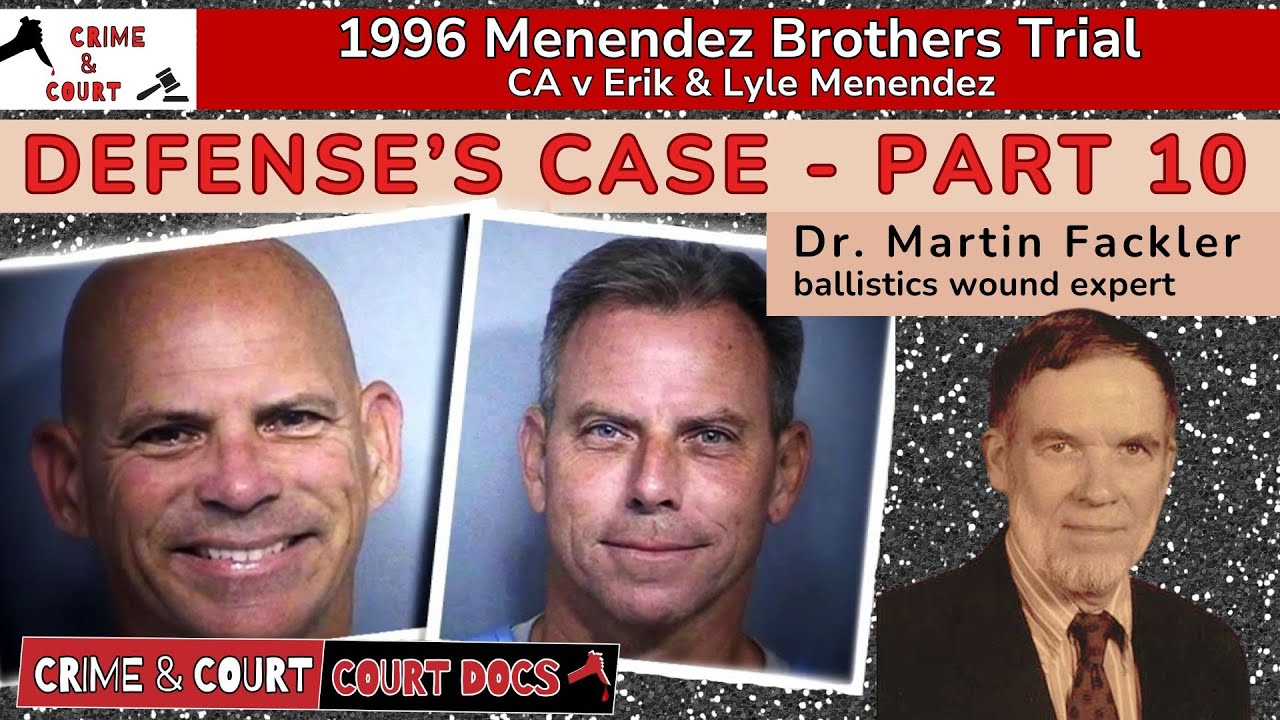
Days before August 20, 1989, Lyle and Erik Menendez bought two 12-gauge shotguns.
The same weapons were used to kill their parents, Jose and Kitty Menendez, in the family's Beverly Hills mansion.
The source does not specify the exact date of the purchase or the store.
That detail is not in the record.
The brothers fired multiple times.
Jose was shot in the back of the head.
Kitty was shot repeatedly as she tried to flee.
After the killings, the brothers left the scene.
They went to a movie.
Later, they called police, claiming they had discovered the bodies.
Two sons, two shotguns, days before their parents' deaths.
Why purchase the guns then?
Why not earlier, or not at all?
That would require evidence the record does not provide.
The purchase was deliberate.
It was cold.
It was a fact the prosecution would later hold up as planning, while the defense would call it fear.
Neither story is settled here.
Only the purchase is settled.
Only the shots are settled.
Only the call to police is settled.
The brothers walked out of the mansion that night.
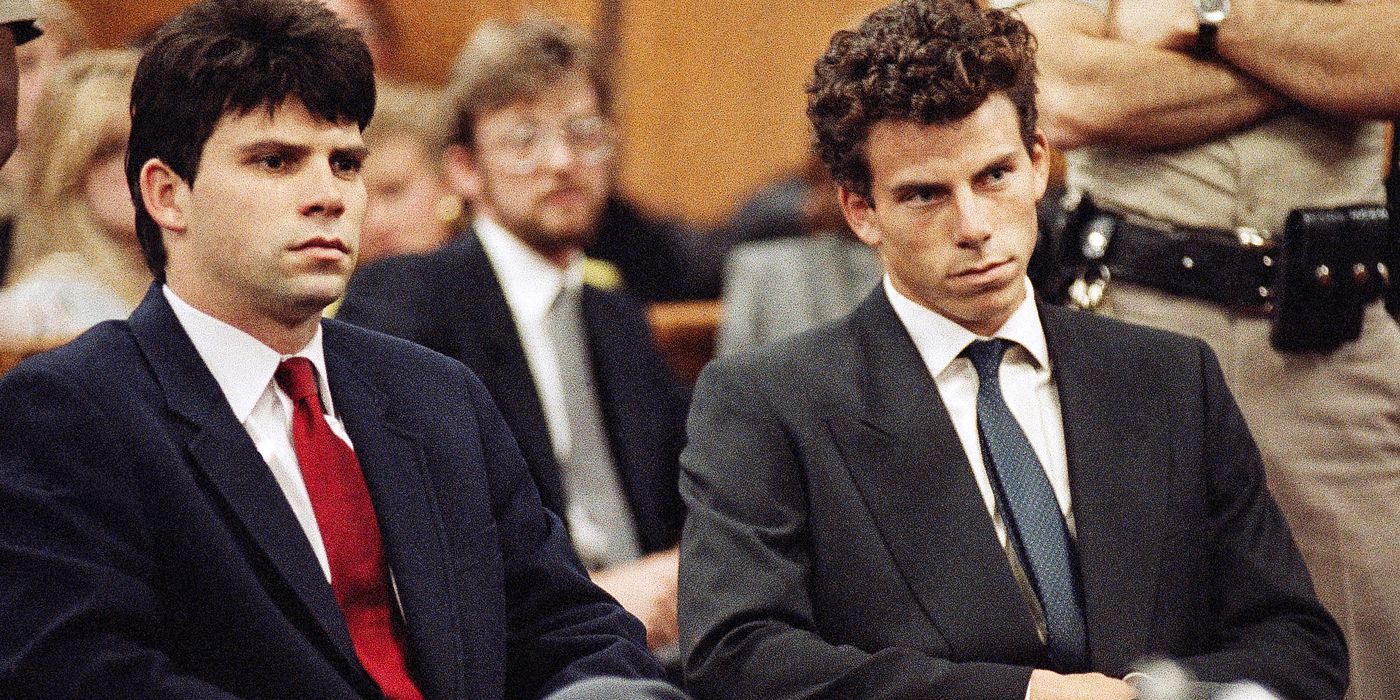
They sat in a theater.
They dialed the police.
The weight of the guns is in the record.
The reason for them is not.
THE COVER-UP
The call came in just before midnight.
Lyle Menendez told the operator his parents had been shot.
He said he and Erik had come home from a movie and found the bodies.
The operator heard panic. The operator heard grief.
The operator did not hear the truth.
The brothers had been at the movie that night. That part was real.
But they had not come home to find their parents dead.
They had walked out of the house after the shooting, gone to the cinema, and returned to stage the discovery.
The guns were bought days earlier. The plan, the prosecution would later argue, was already in motion.
The brothers were not immediate suspects.
Jose Menendez was a Cuban-born entertainment executive with business dealings that invited speculation.
The initial investigation treated the killings as possibly mob-related.
Detectives looked at enemies. They looked at rivals. They looked at anyone but the two young men weeping in the mansion.
The weeping was convincing. The grief was convincing.
For months, the case stalled.
The brothers went on with their lives.
They went on with their money.

The prosecution later presented evidence of lavish spending sprees: a Porsche, Rolex watches, a restaurant purchase.
The exact timeline of those purchases is not detailed in the source.
What is in the record is the pattern. The spending. The audacity.
A case that seemed to stall was not stalled at all.
It was waiting for someone to listen.
THE CONFESSION
The case broke when Erik Menendez confessed to his psychologist, Dr. Jerome Oziel.
What Erik told Dr. Oziel that day is not detailed in the source.
The record says only that he confessed.
Dr. Oziel then told his former patient, Judalon Smyth, about the confession.
Smyth later went to police.
Detective Leslie Zoeller of the Los Angeles Police Department took it from there.
By March 1990, the brothers were under arrest.
Not because the police had solved the shootings.
Because a psychologist talked, and a former patient listened.
It is a chain of confidence broken.
It is also the only reason the case moved at all.
The specific content of Erik's confession is not established.
Was it a description of the night itself?
Was it fear, or anger, or grief?
That would require evidence the source does not provide.
What is known is the timing.

The confession came months after the killings.
The spending sprees had already happened.
The Porsche, the Rolexes, the restaurant.
The brothers had told police they found the bodies.
They had sat through the early investigation.
Then Erik spoke to Dr. Oziel.
Then Dr. Oziel spoke to Judalon Smyth.
Then Smyth spoke to the police.
Detective Zoeller heard what she had to say.
The arrests followed in March 1990.
Two brothers, charged with first-degree murder.
The confession is the hinge.
Everything before it is pattern.
Everything after it is consequence.
THE TWO STORIES
The prosecution told one story: two sons who wanted their parents' money and their freedom.
They pointed to the spending sprees after the murders.
A Porsche, Rolex watches, a restaurant purchase.
The defense told another story entirely.
Lyle and Erik Menendez, they argued, acted in self-defense after years of sexual and emotional abuse by their father.
They said the brothers killed in fear for their lives.
The defense put family members and experts on the stand about the alleged abuse.
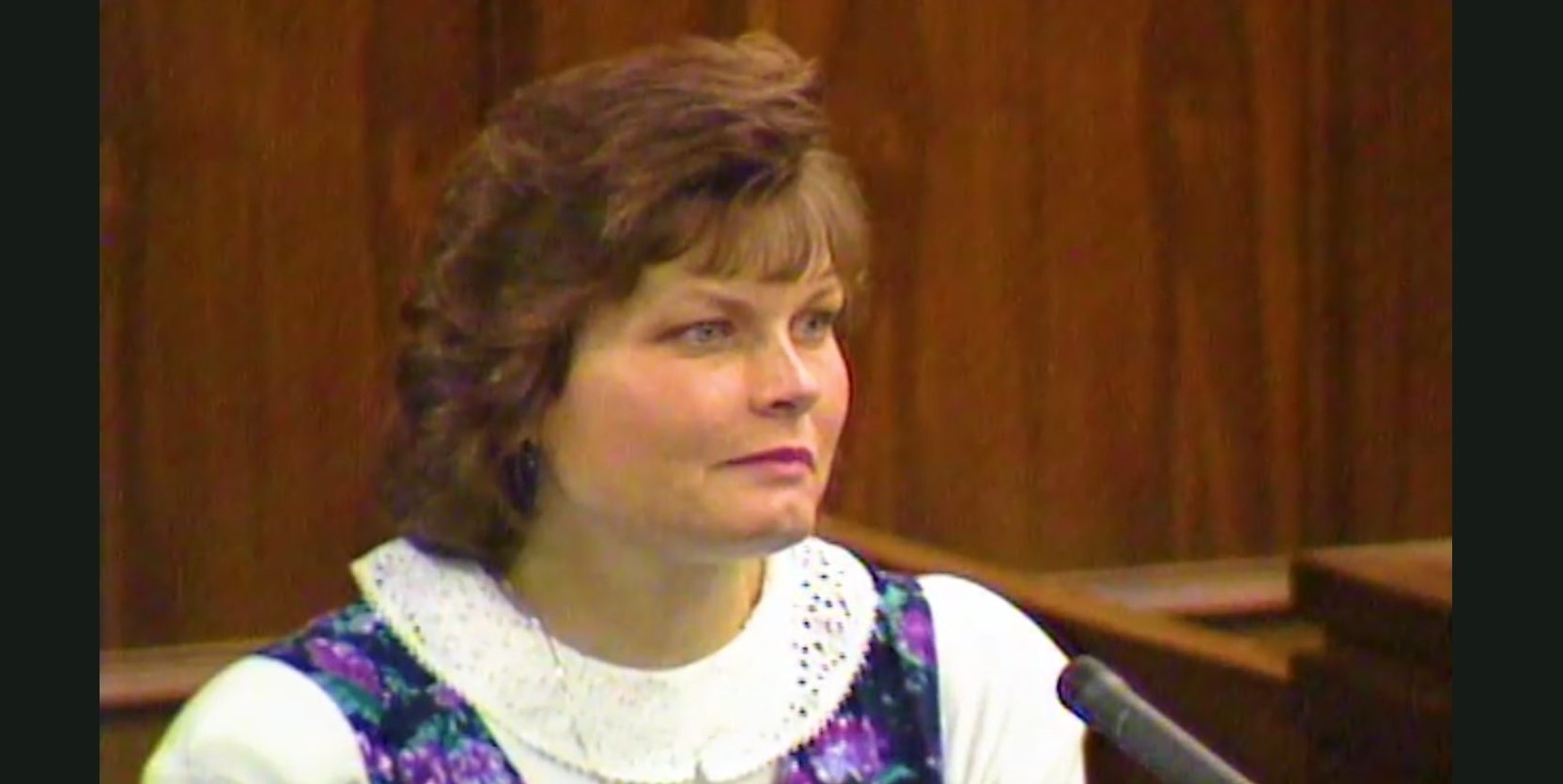
Their cousin, Diane Vander Molen, testified for them.
Two irreconcilable narratives.
The first trial began in 1993.
It ended in 1994 with hung juries on all counts.
The jury was deadlocked on whether the killings were murder or manslaughter.
The justice system could not agree the first time.
Was it murder?
Was it manslaughter?
Was it something else entirely?
That would require evidence the jury could agree on.
In the second trial, the judge excluded much of the abuse evidence.
In 1996, the brothers were convicted of first-degree murder and conspiracy to commit murder.
They were sentenced to life in prison without the possibility of parole.
The truth of the abuse allegations is not established by the record.
They were claims made by the defense, argued in court, never proven.
The first jury could not decide.
The second jury never heard the full story.
AND THE STORY STILL ISN'T OVER
Lyle and Erik Menendez are serving life sentences without parole at separate California prisons.
They have been there since their 1996 conviction.
They have filed multiple appeals, all of which have been denied.
In 2023, new evidence emerged.

A letter purportedly written by Erik Menendez to a cousin described the abuse.
His attorneys said the letter supported the brothers' claims.
The authenticity of that letter is not established.
It is a piece of paper with a claim attached.
The courts have not acted on it.
As of the latest reports, the brothers remain incarcerated.
Their legal efforts for a new trial or resentencing have not succeeded.
The case has seen renewed public interest in recent years.
Documentaries and news specials have revisited the abuse claims.
Viewers see the testimony. Viewers hear the defense's argument.
They do not see a verdict that changed.
The first jury could not decide.
The second jury convicted.
The record holds the conviction, not the abuse.
Was the fear real?
Was the abuse real?
Was the letter real?
That would require evidence the courts have not accepted.
The brothers remain where the second jury put them.
The story continues in documentaries, not in courtrooms.
The story continues in appeals, all denied.
The story continues because the questions were never settled.
The questions were argued.
The questions were never proven.
Advertisement
You may also like
The tarot card left near a DC Sniper victim that police could not explain
The tarot card was found near a crime scene, bearing the message "Dear Policeman, I am God." It was part of the documented evidence.…
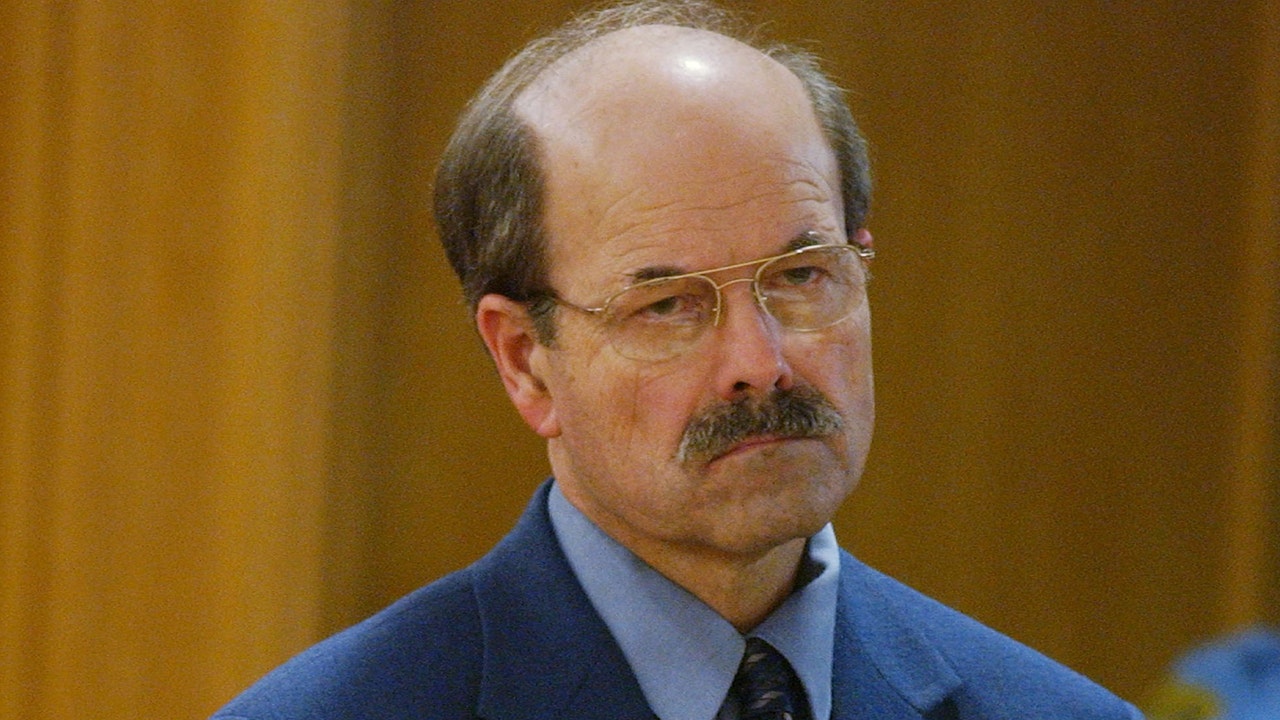
The Cub Scout leader who sent a floppy disk that cracked a 31-year murder case
A floppy disk arrived at a Wichita television station in 2005. It was part of a series of communications from someone calling himself BTK…
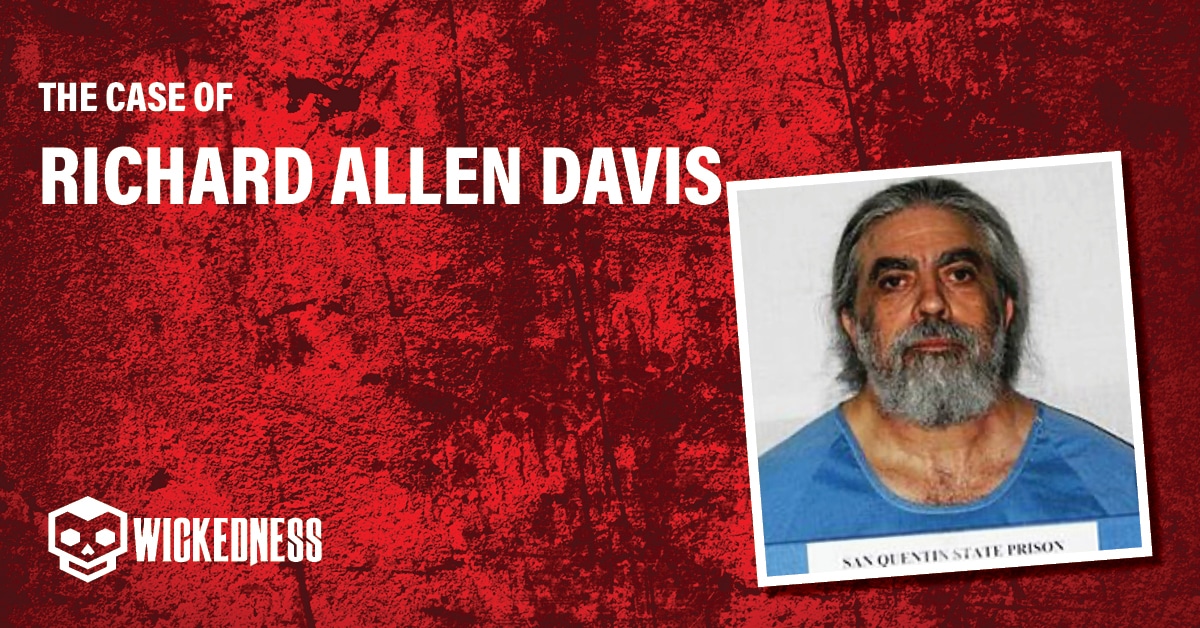
Why a convicted killer's courtroom outburst sealed his fate in Polly Klaas case
The courtroom was quiet enough to hear the verdict read. Richard Allen Davis had been convicted of first-degree murder with special circumstances. Then came…
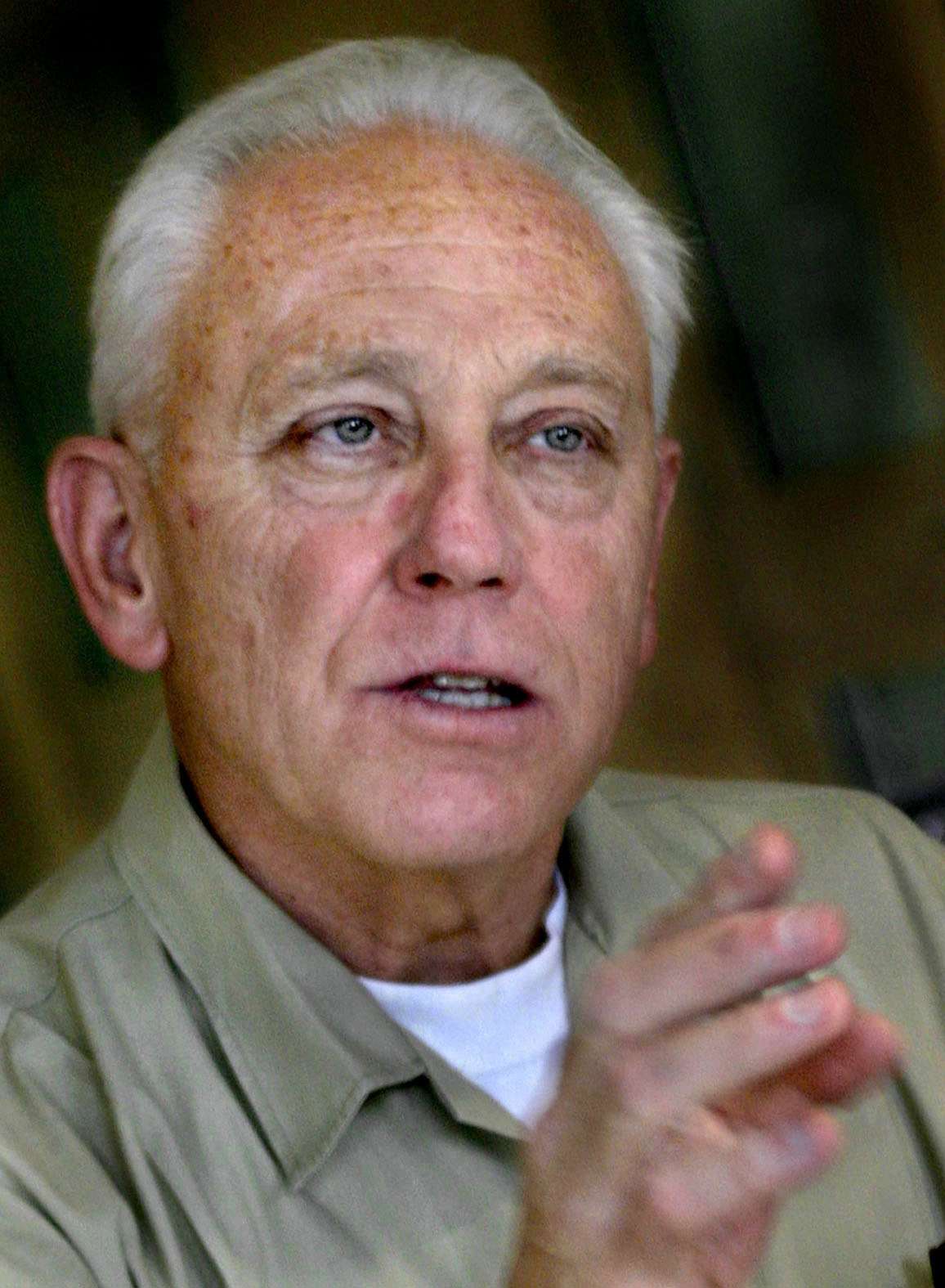
The blood spatter on MacDonald's pajama top that contradicted his story of fighting intruders
The pajama top was folded on the evidence table in Raleigh, North Carolina, in the summer of 1979. It belonged to Captain Jeffrey MacDonald,…
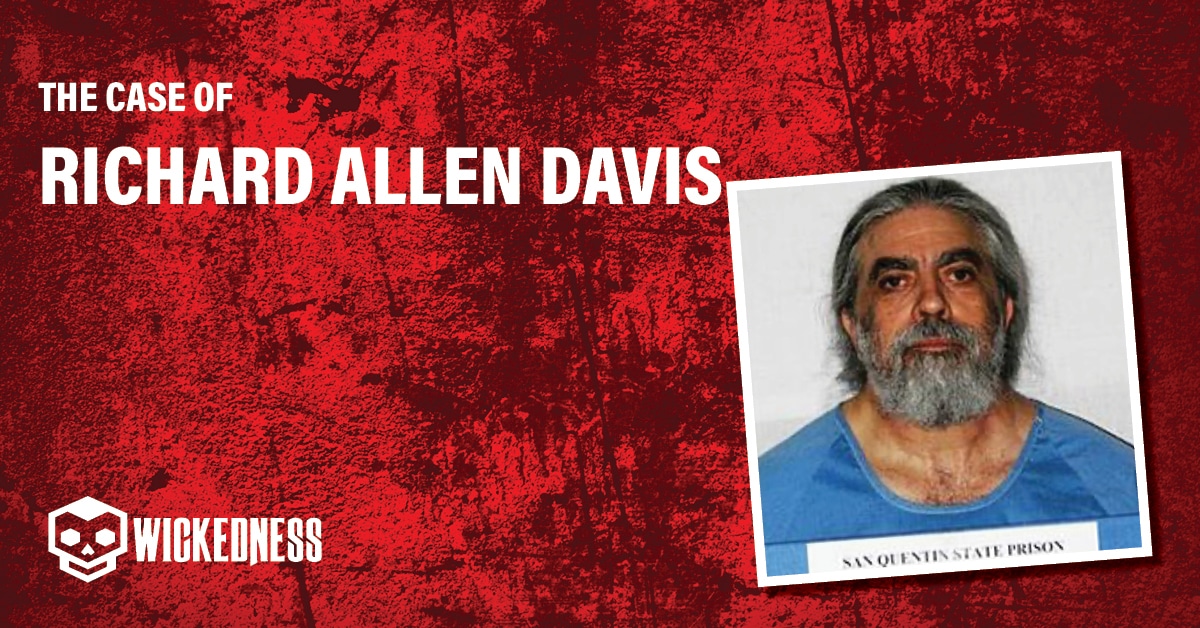
The parolee with a violent history who was freed months before Polly Klaas vanished
June 1993. Richard Allen Davis walked out of prison. He had a long record. Kidnapping. Assault. Violent abductions, according to the investigation summary. Just…
The inmate tip that sent two ex-cons to the Clutter farmhouse
Floyd Wells was in a Kansas prison cell when he told authorities what his former cellmate had said. Richard Hickock, he said, had spoken…