The parolee with a violent history who was freed months before Polly Klaas vanished
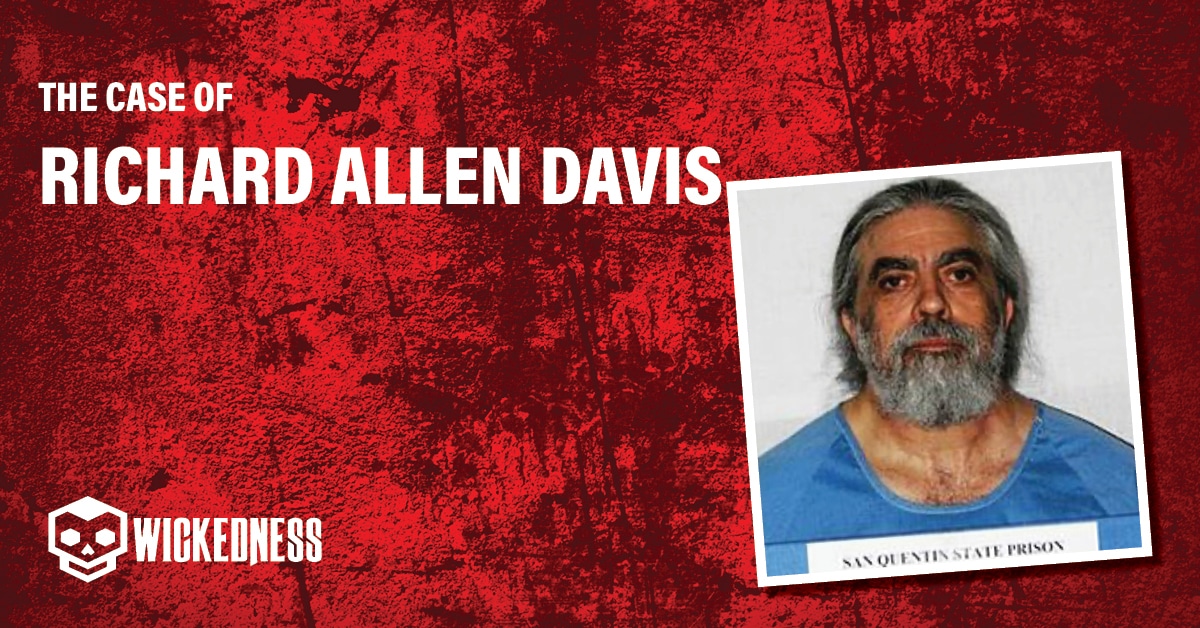
June 1993. Richard Allen Davis walked out of prison.
He had a long record. Kidnapping. Assault. Violent abductions, according to the investigation summary.
Just months later, on October 1, 1993, Polly Klaas vanished from her home in Petaluma.
The parole became a public scandal. A failure, the record says, that became central to public outrage.
The exact date of that June parole is not specified in the record.
Not because it doesn't matter. But because the record doesn't say.
How could this man be free? How could a documented history of violent abduction end in a parole date? How could the system look at that file and see a man fit to walk?
That would require evidence the record does not establish.
What the record does establish: he was paroled. He was free. And a twelve-year-old girl was gone before the year turned.
The chill is in the timing. The parole in June. The abduction in October. The space between them measured in months, not years.
It is a sequence. It is also a question the record leaves open.
THE SLUMBER PARTY
October 1, 1993.
Twelve-year-old Polly Klaas was having a slumber party with two friends at her mother's home in Petaluma.
The house was a normal house. The night was a normal night.
An intruder entered through an unlocked window.
He tied up the two friends.
He abducted Polly at knifepoint.
The two friends were children. They are not named here.
Her mother, Eve Nichol, returned home and discovered the scene.
What she found is the record: two bound children, one missing daughter.
The exact time of the abduction is not in the record. The night holds it, unmarked.
It happened sometime between the last giggle and the first scream.
It happened while the mothers were away. It happened while the friends were tied.
The window was unlocked. That is a fact. Why it was unlocked, the record does not say.
The knife was there. The rope was there. The man was there.
The two friends could not stop him. They were children.
They were the witnesses. They were the survivors. They were the ones left behind to tell.
Eve Nichol came home to a house that was not empty and not full.
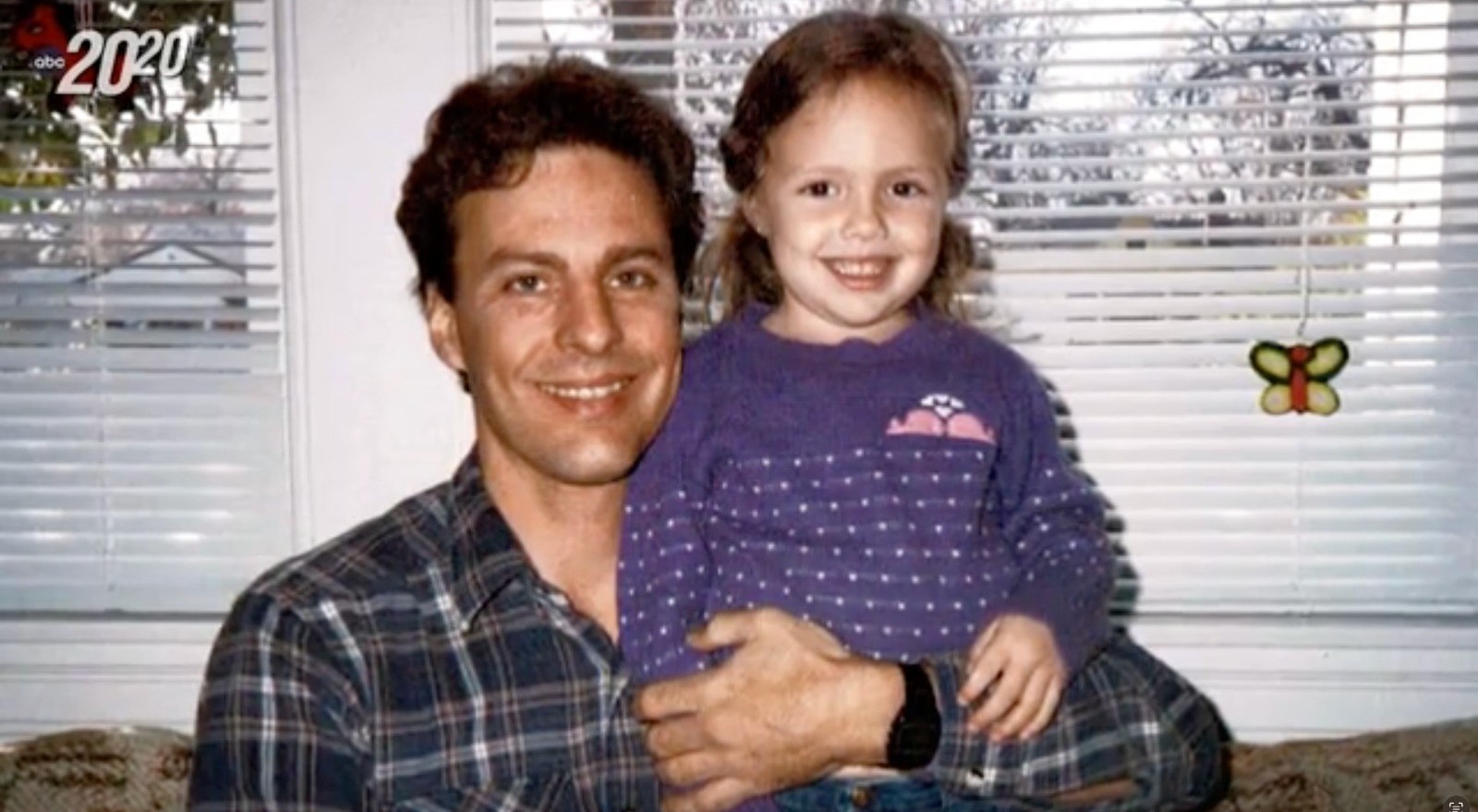
She was on the ground below, in the aftermath.
The night ended in a room with an open window.
The morning began with a search.
THE SEARCH AND THE ARREST
The search became one of the largest in California history.
Hundreds of tips came in.
Volunteers joined the effort.
The morning began with a search; the weeks passed without an answer.
Then, in late November 1993, a man named Richard Allen Davis was arrested on an unrelated parole violation.
The exact date of that arrest is not specified in the record beyond "late November."
His vehicle matched a description from a witness near the abduction site.
Under questioning, Davis confessed to taking Polly.
He led authorities to her body on December 4, 1993.
She had been strangled.
Forensic evidence, including fibers and hair, linked him to the crime scene.
The confession was the break.
The body was the end of the search.
Not because the search stopped. Because the outcome was found.
The investigation had turned on a parole violation, not a tip about a missing girl.
It is a sudden break. It is also a quiet horror.
What if the vehicle had not matched?
What if the parole violation had not been noticed?
What if the witness had not looked?
That would require evidence. The record does not provide it.
The record shows only the sequence: the arrest, the match, the confession, the body.
The man who led authorities to Polly had been paroled in June 1993.
He had a history of violent abductions.
That fact would become central to the public outrage.
But the search itself ended on December 4, on a shallow grave near Cloverdale.
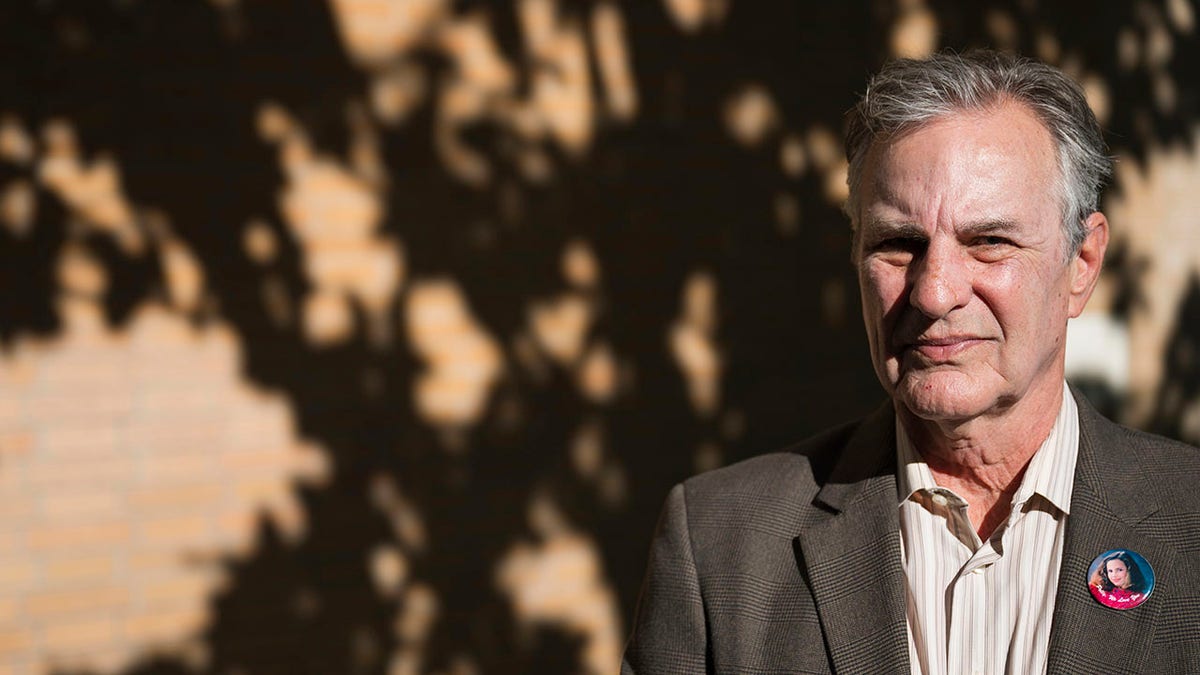
She was on the ground below, in the aftermath.
The night ended in a room with an open window.
The morning began with a search.
The search ended with a parolee and a shallow grave.
TWO STORIES OF THE SAME MAN
The prosecution told one story.
The deputy district attorney laid out the confession, the fibers, the hair, the body in the shallow grave.
He walked the jury through Richard Allen Davis's criminal history, the kidnappings, the assaults, the parole granted in June 1993.
The defense told another story.
Davis was intoxicated, the defense argued.
The confession was coerced, the defense argued.
The defense argued the man in the courtroom was not the man who planned a kidnapping.
Two narratives collided in the Sonoma County courtroom.
The jury heard the confession.
The jury saw the physical evidence.
The jury considered the record of a man who had been freed months before Polly Klaas vanished.
The jury rejected the defense.
In 1996, Davis was convicted on all counts: first-degree murder with special circumstances, kidnapping, burglary.
Then came the penalty phase.
Davis made a shocking courtroom outburst, taunting the court and the victim's family.
The specific words of that outburst are not detailed in the source.
The record does not establish exactly what he said.
What is established is the act itself: a man convicted of strangling a twelve-year-old girl, turning to mock the room.
He was sentenced to death.
The judge pronounced it.
The courtroom had already heard the two stories of the same man.
The jury chose which one to believe.
Davis remains on death row.
AND THE STORY STILL ISN'T OVER
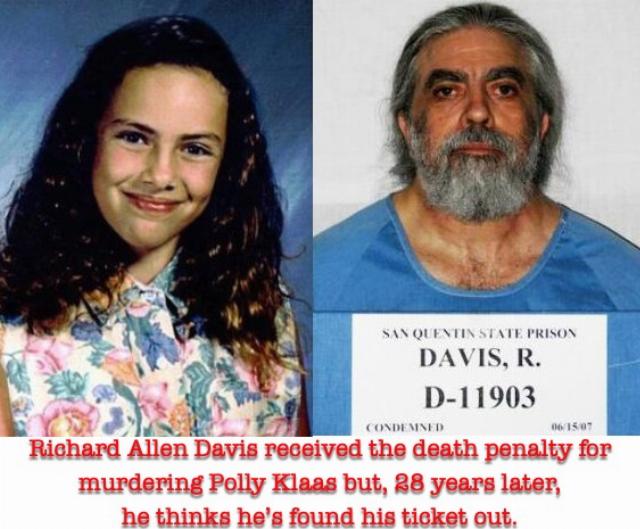
Davis remains on death row in California, where executions have been halted since 2006 due to legal challenges.
His appeals have been repeatedly denied.
The next specific hearing date or motion is not in the record.
The story continues outside the courtroom.
Polly's parents, Eve Nichol and Marc Klaas, became advocates for victims' rights and parole reform.
Marc Klaas founded the KlaasKids Foundation, which works on child safety issues.
The case led to California's "Three Strikes" legislation.
It led to changes in parole policies.
The Petaluma community maintains a memorial in Polly's honor.
It is a place to stand and remember.
It is also a place to measure what changed.
The parole system that freed Davis in June 1993 was rewritten.
The memorial does not say that.
It says her name.
Her parents said the rest.
They spoke at hearings.
They spoke at vigils.
They spoke in the years after the verdict.
What remains is a question the record does not answer.
Was one official ever told the full risk?
Was any single person responsible for the June 1993 parole?
The record does not establish that.
It establishes the outcome.
It establishes the grief.
Davis remains on death row.
The executions are halted.
The appeals are denied.
The story is not over.
It continues in the work of her parents.
It continues in the law.
It continues in a small town that keeps her name.
Advertisement
You may also like
The tarot card left near a DC Sniper victim that police could not explain
The tarot card was found near a crime scene, bearing the message "Dear Policeman, I am God." It was part of the documented evidence.…
The Cub Scout leader who sent a floppy disk that cracked a 31-year murder case
A floppy disk arrived at a Wichita television station in 2005. It was part of a series of communications from someone calling himself BTK…
Why a convicted killer's courtroom outburst sealed his fate in Polly Klaas case
The courtroom was quiet enough to hear the verdict read. Richard Allen Davis had been convicted of first-degree murder with special circumstances. Then came…
The blood spatter on MacDonald's pajama top that contradicted his story of fighting intruders
The pajama top was folded on the evidence table in Raleigh, North Carolina, in the summer of 1979. It belonged to Captain Jeffrey MacDonald,…
The inmate tip that sent two ex-cons to the Clutter farmhouse
Floyd Wells was in a Kansas prison cell when he told authorities what his former cellmate had said. Richard Hickock, he said, had spoken…
The 2015 missing-person call that led to a stabbing, a hidden illness, and two murder charges
The call came in on June 14, 2015. Deputies from the Greene County Sheriff's Office in Missouri were sent to a residence in Springfield…