Why a convicted killer's courtroom outburst sealed his fate in Polly Klaas case
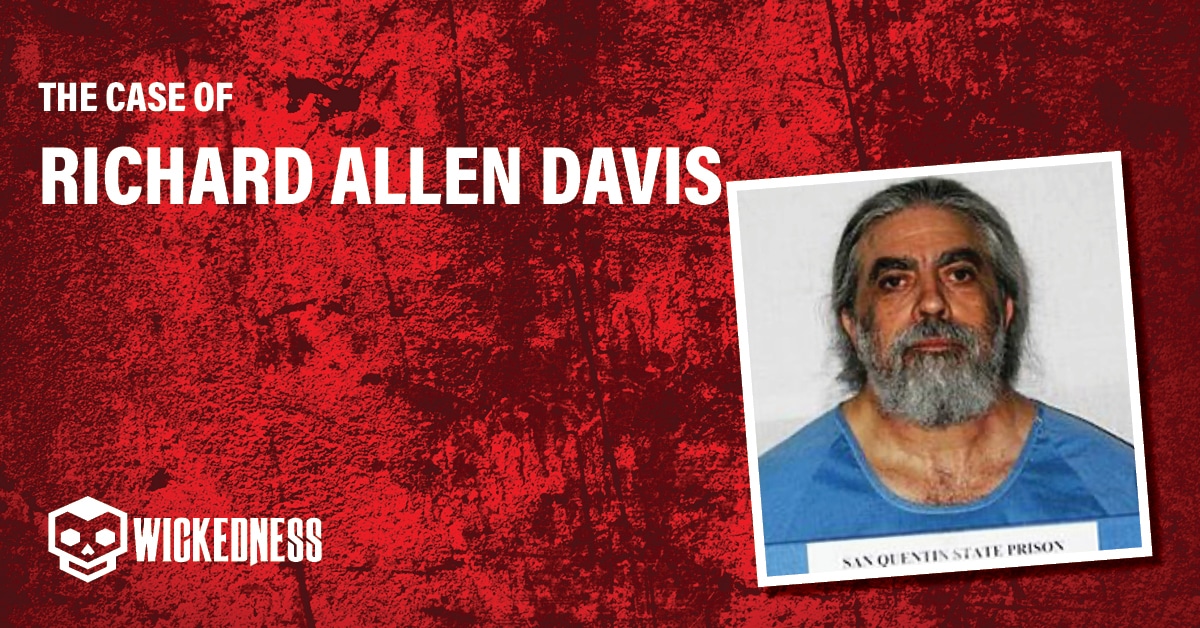
The courtroom was quiet enough to hear the verdict read.
Richard Allen Davis had been convicted of first-degree murder with special circumstances.
Then came the penalty phase, the part where a jury decides whether a man lives or dies.
Davis stood and spoke.
He insulted the victim's family.
He insulted the court.
The judge presided over the penalty phase.
The outburst was directed at the family and at the bench.
It is widely cited as the moment that sealed his fate.
That is the story people tell.
The record does not establish that.
The exact words Davis used are not in the record.
What he said, precisely, is unresolved.
The legal impact of the outburst on the sentence is not established.
It is a specific, unresolved detail.
The conviction was real.
The outburst was real.
The death sentence was real.
What connects them, exactly, is a matter of storytelling.
Not because the moment lacked tension.
But because the record does not say.
Was it the outburst that turned the jury?
That would require evidence.
The jury had already heard the confession.
They had already heard the physical evidence.
They had already heard the defense argue the confession was coerced.
The outburst came after all of that.
It came after the conviction.
It came before the sentence.
A man who had just been convicted stood up and insulted the people in the room.
The judge watched.
The family watched.
The court watched.
What was said is not in the record.
What it meant is not in the record.
What remains is the moment itself.
THE ABDUCTION
It was a slumber party.
On October 1, 1993, twelve-year-old Polly Klaas was asleep in her mother's home in Petaluma, California, with two friends.
An intruder entered the house.
He tied up Polly's mother and the two friends.
He took Polly.
Police initially had few leads.
Not because they were careless. But because there was almost nothing to go on.
The weapon used was not widely reported.
The vehicle used was not widely reported.
The identity of the intruder was not known at the time.
What was known was that a child was gone.
The search that followed involved hundreds of volunteers.
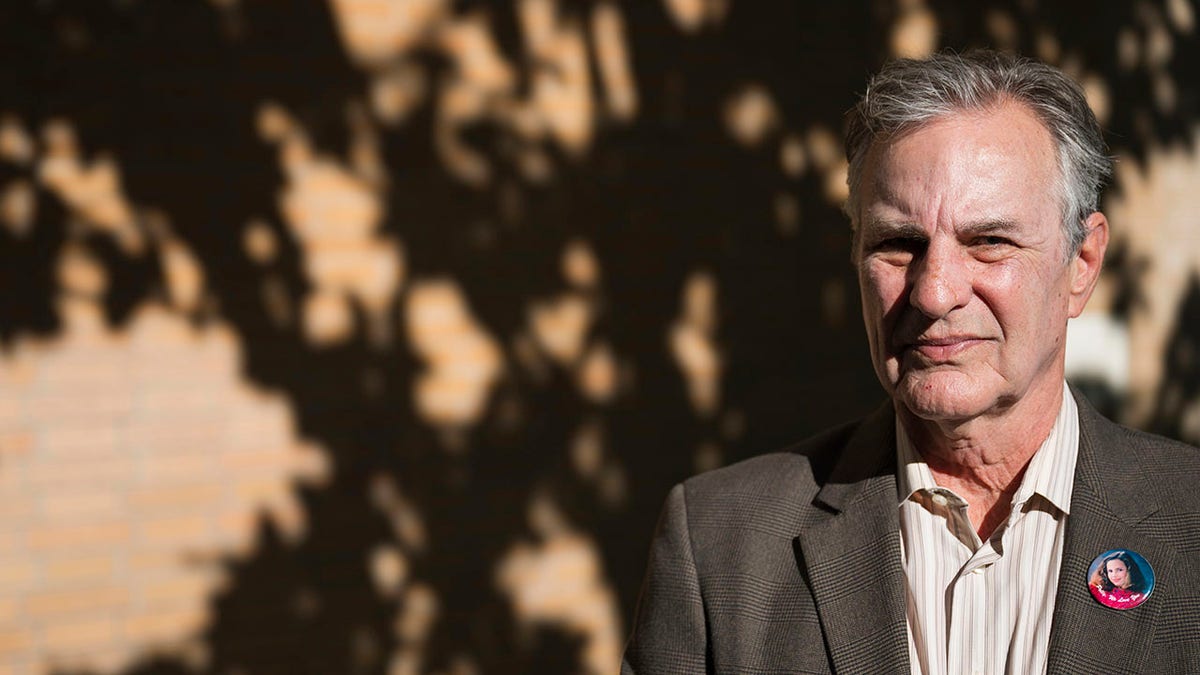
It drew national media attention.
It drew hope.
Polly's face was on posters.
Her name was on the news.
For two months, the question hung in the air: where is she?
The answer came on December 4, 1993.
Her body was found in a wooded area near Cloverdale, California.
She had been strangled.
She was on the ground below.
Not because the search failed. But because the search began too late.
The record does not establish who walked into that house on October 1.
It does not establish what he used or how he left.
It establishes only the fact of the taking.
And the fact of the finding.
And the fact that the case, at that moment, had no suspect.
The horror was the open door.
The hope was the volunteers.
The end was the wooded area near Cloverdale.
THE CONFESSION
The case broke when Richard Allen Davis was arrested on an unrelated parole violation in late November 1993.
He was in custody when he confessed to abducting and killing Polly Klaas.
He led investigators to her body in the wooded area near Cloverdale.
Forensic evidence, including fibers and hair, linked Davis to the crime scene, according to the prosecution's presentation.
The defense argued that the confession was coerced and that the evidence was circumstantial.
The exact circumstances of the confession are not detailed in the record.
The defense's coercion claim is not resolved in the source; it was argued, not established.
The prosecution presented the confession and the physical evidence.
The defense countered with its claim of coercion.
That is the tension the trial carried: a confession on one side, a challenge on the other.
The relief of the break was real.
The volunteers had searched for weeks.
The hope had been a live girl.
The end was a body in the woods, and the confession pointed there.
But a confession is only as solid as the circumstances around it.
The defense said those circumstances were wrong.
The prosecution said they were enough.
The jury would have to decide which version held.
THE TRIAL
The trial began in 1996 in Sonoma County.
Davis was convicted of first-degree murder with special circumstances.
The special circumstances included kidnapping and burglary.
The prosecution presented Davis's confession.
The prosecution also presented physical evidence.
The defense argued that the confession was coerced.
The defense argued that the evidence was circumstantial.
The trial judge presided over the proceedings.
The specific testimony and evidence presented are not detailed in the source.
The judge's rulings are not specified.
The record does not establish what the jury heard beyond the confession and the physical evidence.
It does not establish which witnesses took the stand.
It does not establish what objections were raised or sustained.
That would require the trial transcript.
The record shows the conviction.
The record shows the special circumstances.
The record shows what came next.
During the penalty phase, Davis made a notorious outburst.
He insulted the victim's family.
He insulted the court.
The outburst is widely cited as a moment that sealed his fate.
The record does not establish that it did.
The record establishes the conviction.
The record establishes the outburst.
The record establishes the death sentence.
It does not establish a causal link between the outburst and the sentence.
That would require evidence of the jury's reasoning.
The jury's reasoning is not in the source.
Davis was sentenced to death.
The trial judge presided over the proceedings.
That is what the record shows.
AND THE STORY STILL ISN'T OVER
Davis was sentenced to death.
The California Supreme Court upheld the conviction and the sentence on appeal.
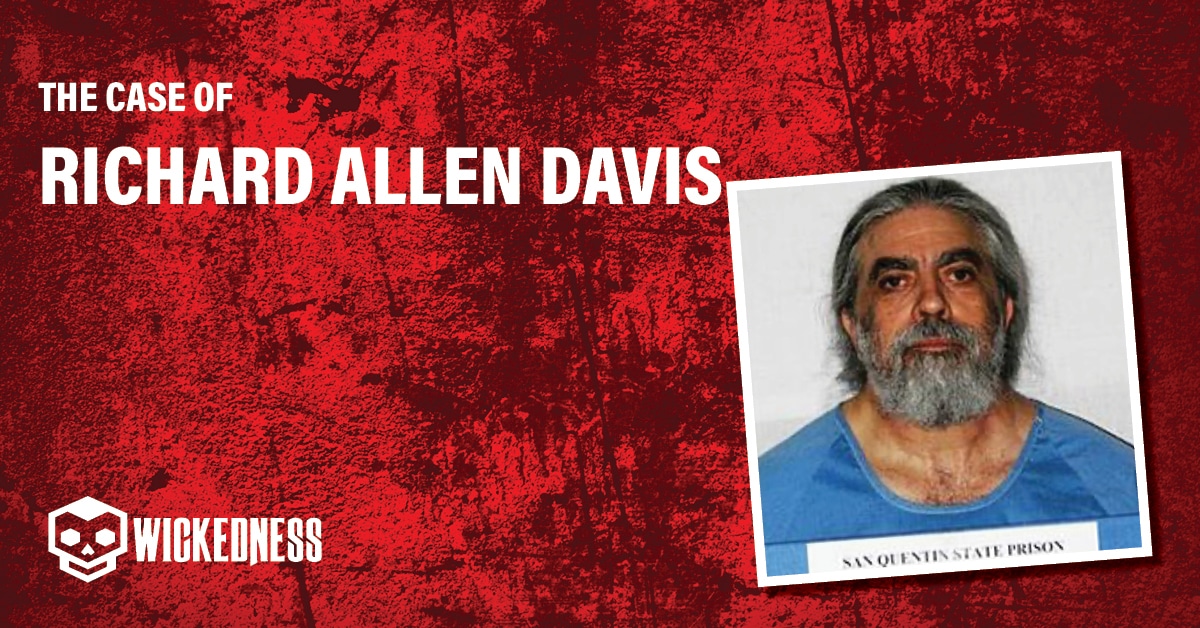
Davis remains on death row at San Quentin State Prison.
His appeals have been exhausted.
California has not executed anyone since 2006.
That is because of legal challenges to the lethal injection protocol.
The sentence stands. The execution does not.
Marc Klaas has become a victims' rights advocate.
He founded the KlaasKids Foundation.
Eve Nichol has largely stayed out of the public eye.
The families live with the sentence and the delay.
What comes next for Davis is not specified in the record.
The status of any pending motions is not established.
The conviction is final. The punishment is not carried out.
That is the tension the record leaves open.
It is a death sentence. It is also a waiting room.
The story does not end with the verdict.
It does not end with the appeal.
It continues in the space between the sentence and the state's action.
California has not moved.
Davis has not been executed.
The families have not stopped living with the case.
Marc Klaas turned his loss into advocacy.
Eve Nichol chose privacy.
Both are facts of the aftermath.
Neither resolves the question of what happens now.
That would require evidence.
None is in the record.
Advertisement
You may also like
The tarot card left near a DC Sniper victim that police could not explain
The tarot card was found near a crime scene, bearing the message "Dear Policeman, I am God." It was part of the documented evidence.…
The Cub Scout leader who sent a floppy disk that cracked a 31-year murder case
A floppy disk arrived at a Wichita television station in 2005. It was part of a series of communications from someone calling himself BTK…
The blood spatter on MacDonald's pajama top that contradicted his story of fighting intruders
The pajama top was folded on the evidence table in Raleigh, North Carolina, in the summer of 1979. It belonged to Captain Jeffrey MacDonald,…
The parolee with a violent history who was freed months before Polly Klaas vanished
June 1993. Richard Allen Davis walked out of prison. He had a long record. Kidnapping. Assault. Violent abductions, according to the investigation summary. Just…
The inmate tip that sent two ex-cons to the Clutter farmhouse
Floyd Wells was in a Kansas prison cell when he told authorities what his former cellmate had said. Richard Hickock, he said, had spoken…
The 2015 missing-person call that led to a stabbing, a hidden illness, and two murder charges
The call came in on June 14, 2015. Deputies from the Greene County Sheriff's Office in Missouri were sent to a residence in Springfield…