The $1 million extortion letter that named a killer — and the man who wrote it
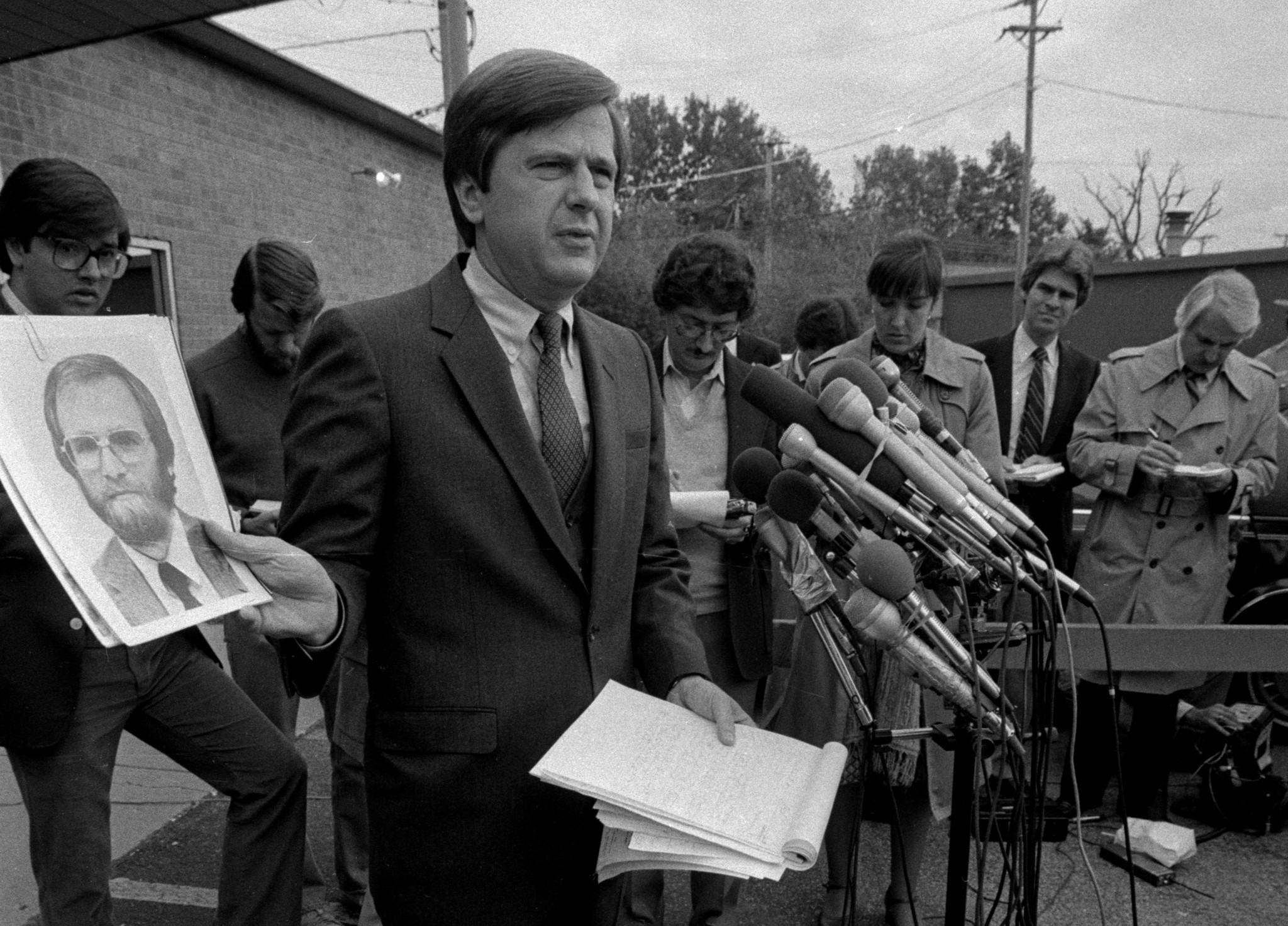
Seven people in the Chicago area died in late September and early October 1982.
They had taken Extra-Strength Tylenol capsules laced with potassium cyanide.
Then a letter arrived at Johnson & Johnson.
It demanded $1 million to "stop the killing."
The letter was a documented object, a piece of paper that promised an end to the deaths.
It was traced to James W. Lewis, a man with a history of fraud and tax evasion.
Lewis was arrested in December 1982 in New York.
He was charged with extortion, not murder.
The charge was about the letter, not the poison.
He was convicted on that charge and served 12 years in federal prison.
Whether Lewis actually committed the murders is not established by the record.
The letter was real. The demand was real. The link to the killings was never made.
Lewis admitted to writing the letter, but he called it a hoax meant to embarrass his former employer.
He was never linked to the actual poisonings.
The extortion was his crime. The deaths remained someone else's.
That is the weight of the letter: it named a price to stop the dying, and its author was never charged with the dying itself.
The record holds the letter. The record does not hold the killer.
THE VICTIMS AND THE POISON
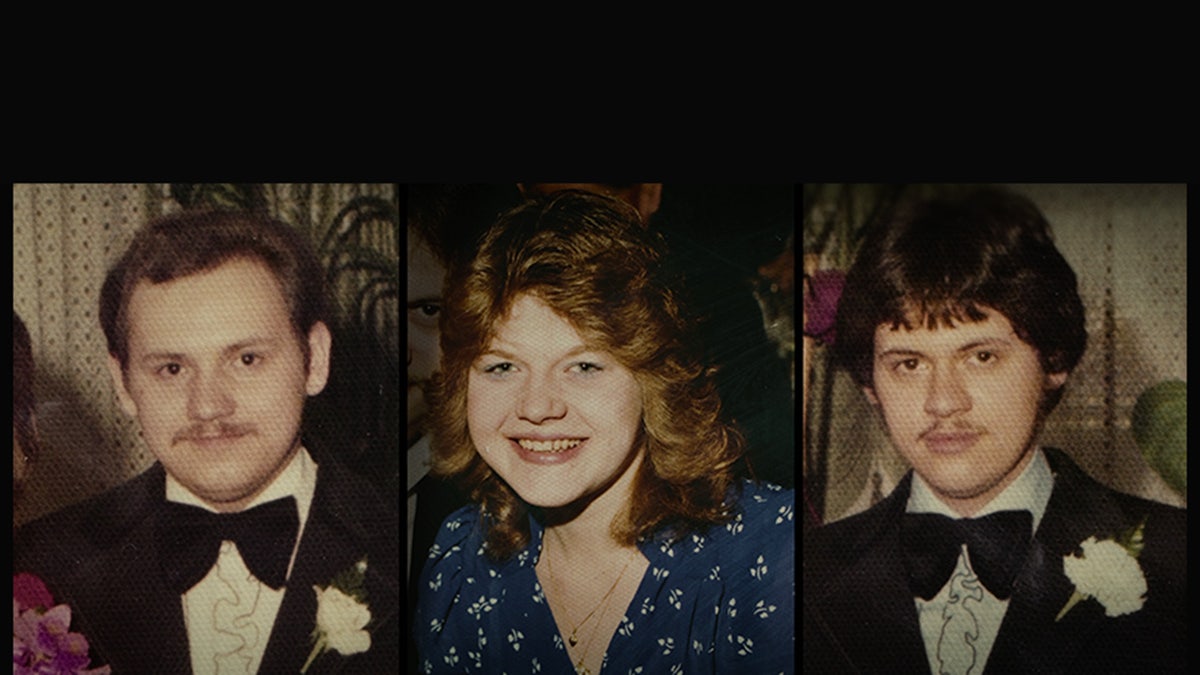
The first victim was a 12-year-old girl.
She took the medication for a cold on September 29, 1982.
She died that day.
That same day, a 27-year-old postal worker died after taking Tylenol.

His brother and sister-in-law died within days.
They took capsules from the same bottle.
It happened at a memorial gathering.
Three more victims followed.
All seven died in the Chicago area between late September and early October.
The deaths were traced to five separate bottles.
Each bottle was purchased from a different store.
Ordinary people bought Tylenol at ordinary stores.
The Cook County Medical Examiner's office determined the cause of death.
Dr. Robert Stein led that office.
The cause was cyanide poisoning.
Potassium cyanide had been placed inside the capsules.
The bottles came from different manufacturing lots.
That meant the cyanide was inserted after the bottles left the factory.
Likely on store shelves.
The randomness is the horror.
A 12-year-old girl with a cold.
A postal worker on a normal day.
A family grieving at a memorial.
The record does not name the exact stores or the purchase dates.
The names of the first two victims are not in the record for this article.
What is documented: five bottles, seven deaths, one poison.
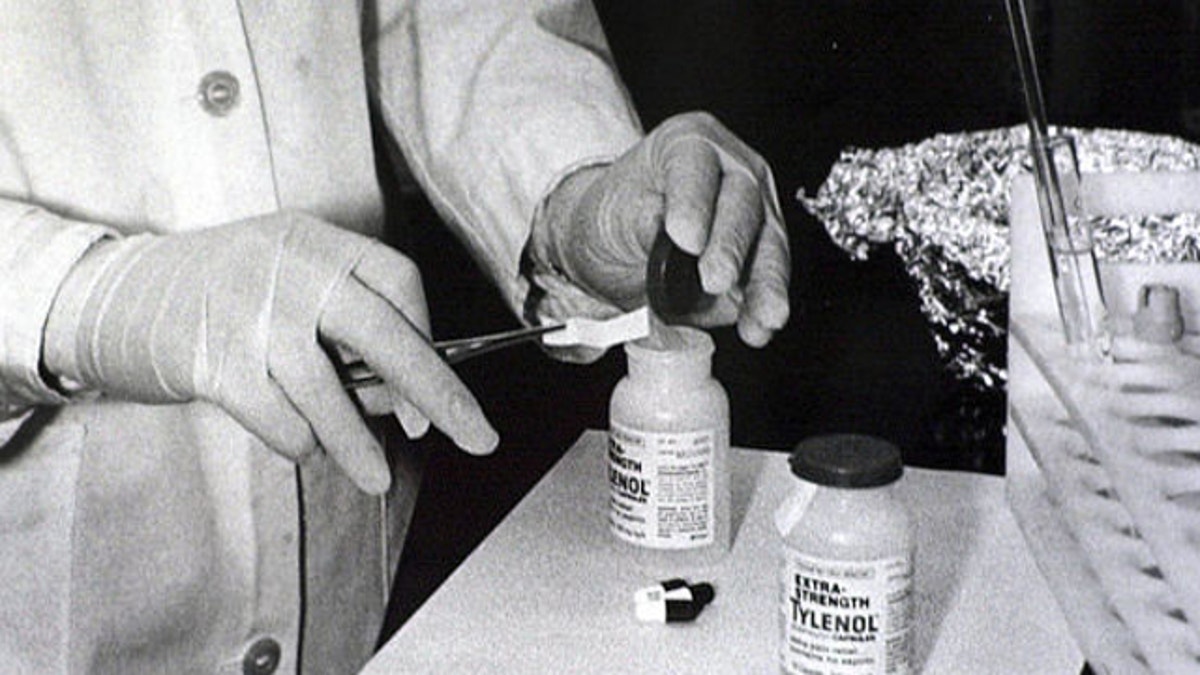
What is not established: how the poison got onto those shelves.
The deaths were someone else's crime.
The letter named a price to stop them.
The letter's author was never charged with them.
THE MAN WHO WROTE THE LETTER
The man who wrote the letter was James W. Lewis.
He had a history of fraud and tax evasion.
The record shows a pattern of schemes, not a pattern of violence.
The extortion letter to Johnson & Johnson was traced to him.
Handwriting analysis and his prior criminal record pointed to Lewis, according to the case summary.
Lewis initially denied involvement.
He later admitted to writing the letter.
He claimed it was a hoax intended to embarrass his former employer.
That motive is his own claim.
The record does not establish any other reason.
The exact contents of the letter beyond the demand for $1 million are not in the record.
He was never linked to the actual poisonings.
Not because he was cleared.
Because the investigation never produced that link.
He was tried in federal court in Chicago.
The charges were extortion and attempted extortion.
Not murder.

He was convicted in 1983.
The sentence was 20 years in prison.
He was released in 1995 after serving 12 years.
A man with a fraud history wrote a letter that named a price to stop the killing.
The letter named a killer's work.
He was never charged with the killings.
That is the gap the record leaves open.
It is a documented fact that he wrote the letter.
It is not established that he wrote it for any reason beyond his own stated one.
The poisonings themselves remain someone else's crime.
The letter's author served his time for the letter.
The murders have no convict.
THE TWO STORIES
The prosecution’s case was narrow, and it stayed narrow.
James W. Lewis wrote the extortion letter. That was the charge.
He was convicted of extortion and attempted extortion in federal court in Chicago.
The defense told a different story. Lewis claimed the letter was a hoax.
He said it was meant to embarrass his former employer, not to profit from death.
The court did not believe him. He served 12 years of a 20-year sentence.
The investigation, meanwhile, kept the letter and the poisonings separate.
The poisoned bottles were traced to different manufacturing lots.
That meant the cyanide was inserted after the bottles left the factory, likely on store shelves.
It was a placement that required access to shelves, not to a production line.
It required someone in a store, with a bottle, with cyanide.
Lewis was never linked to the actual poisonings.
No evidence connected him to the capsules, to the stores, or to the victims.
The prosecution never tried to make that link. It did not have to.
The charge was extortion. The conviction was for extortion.
So the two stories ran side by side, never touching.
One story: a man wrote a letter demanding $1 million to stop a killing.
The other story: seven people died, and the poison was placed after the bottles left the factory.
Was Lewis the man who placed it? That is not established.
Was he the killer? The record does not say that.
The record says he wrote the letter. The record says he was convicted for the letter.
The identity of the actual killer is unknown. No one was ever charged with the murders.
The letter’s author served his time for the letter.
The murders have no convict.
AND THE STORY STILL ISN'T OVER
The FBI went back to the evidence in 2009.
New forensic techniques, the bureau announced, were being applied to the old case.
No charges were ever filed.
In 2022, the FBI said it had identified a "person of interest."
No name was provided.
The case remains open.

The identity of that person of interest is not in the record.
No new public developments are specified.
The statute of limitations does not apply to murder.
Charges could still be filed if new evidence emerged.
James W. Lewis died in 2023 in Massachusetts.
He was the man who wrote the letter.
He was never charged with the murders.
The families kept pressing for answers.
They keep pressing still.
Johnson & Johnson's response became a landmark case study.
The incident brought tamper-evident packaging to the pharmaceutical and food industries.
That is a documented change.
It is not an answer.
The poisoned bottles came from different manufacturing lots.
The cyanide was inserted after the bottles left the factory.
Likely on store shelves.
That is what the record shows.
Who put it there is not established.
The letter is documented.
The handwriting analysis is documented.
The conviction for extortion is documented.
The link to the poisonings is not.
The killer remains unnamed.
The case was never formally closed.
The record holds a letter, a conviction, a person of interest with no name.
It holds seven deaths.
It does not hold a murderer.
Advertisement
You may also like
The tarot card left near a DC Sniper victim that police could not explain
The tarot card was found near a crime scene, bearing the message "Dear Policeman, I am God." It was part of the documented evidence.…
The Cub Scout leader who sent a floppy disk that cracked a 31-year murder case
A floppy disk arrived at a Wichita television station in 2005. It was part of a series of communications from someone calling himself BTK…
Why a convicted killer's courtroom outburst sealed his fate in Polly Klaas case
The courtroom was quiet enough to hear the verdict read. Richard Allen Davis had been convicted of first-degree murder with special circumstances. Then came…
The blood spatter on MacDonald's pajama top that contradicted his story of fighting intruders
The pajama top was folded on the evidence table in Raleigh, North Carolina, in the summer of 1979. It belonged to Captain Jeffrey MacDonald,…
The parolee with a violent history who was freed months before Polly Klaas vanished
June 1993. Richard Allen Davis walked out of prison. He had a long record. Kidnapping. Assault. Violent abductions, according to the investigation summary. Just…
The inmate tip that sent two ex-cons to the Clutter farmhouse
Floyd Wells was in a Kansas prison cell when he told authorities what his former cellmate had said. Richard Hickock, he said, had spoken…