The cotton gin fan tied to Emmett Till's neck that a jury still could not explain
It came up on a rope, out of the Tallahatchie River, on August 31, 1955.
A cotton gin fan, tied to a 14-year-old's neck with barbed wire.
The fan was traced to a nearby gin.
The jury never explained how it got there.
The jury never explained who tied it.
That is not established by the record.
The body was identified by a ring bearing the victim's father's initials.
The face was beaten beyond recognition.
The ring was the proof.
The face was the problem.
How could a jury look at that fan and not convict?
How could they look at the barbed wire and not ask whose hands pulled it tight?
How could they weigh a cotton gin fan against a boy's neck and find reasonable doubt?
That would require evidence.
The fan is the object that still puzzles.
It is documented.
It is heavy.
It is the weight of the thing itself, hauled from the mud, and still the verdict came back clean.
Not because the jury explained it.
But because they did not have to.
THE STORE
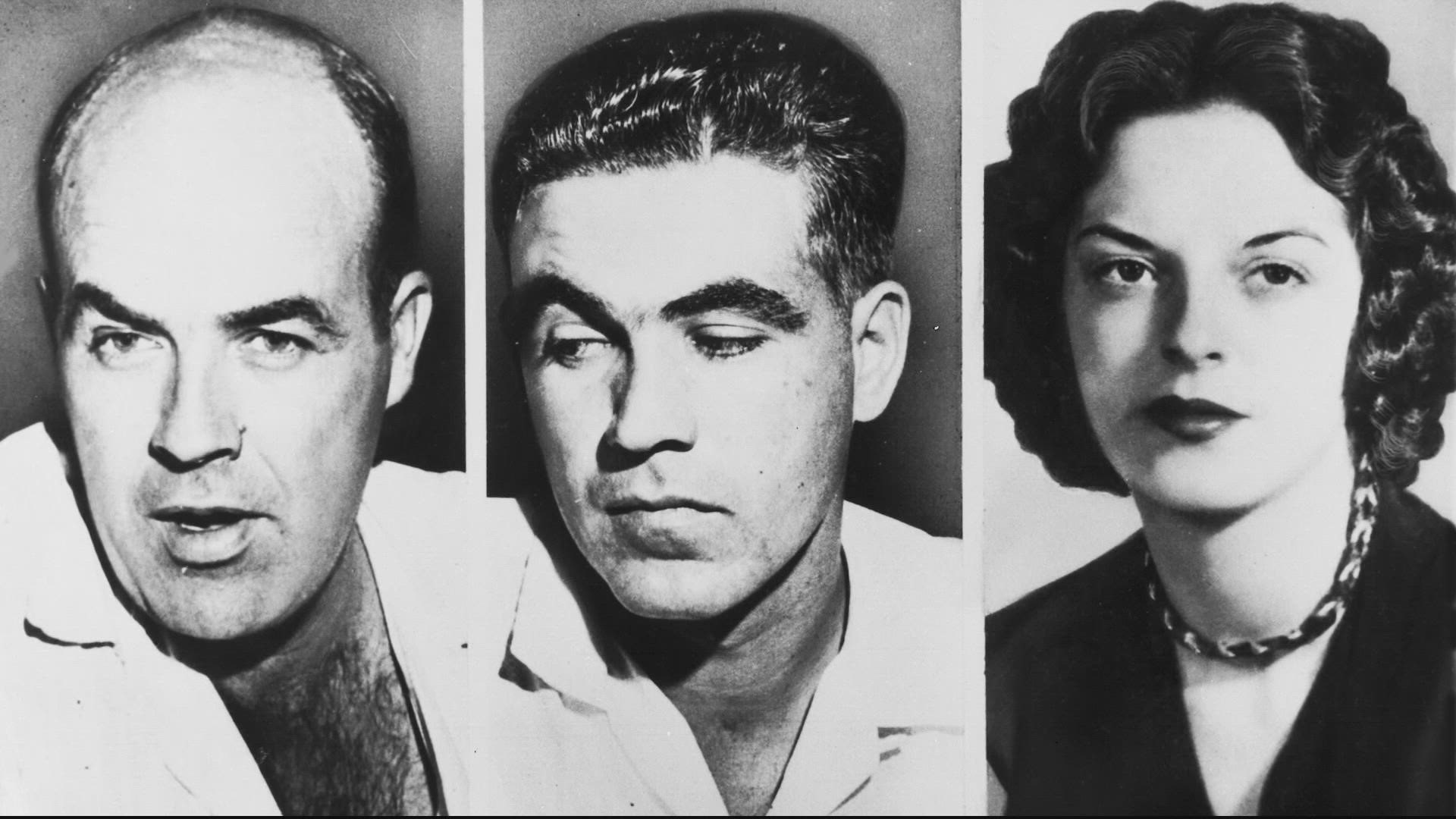
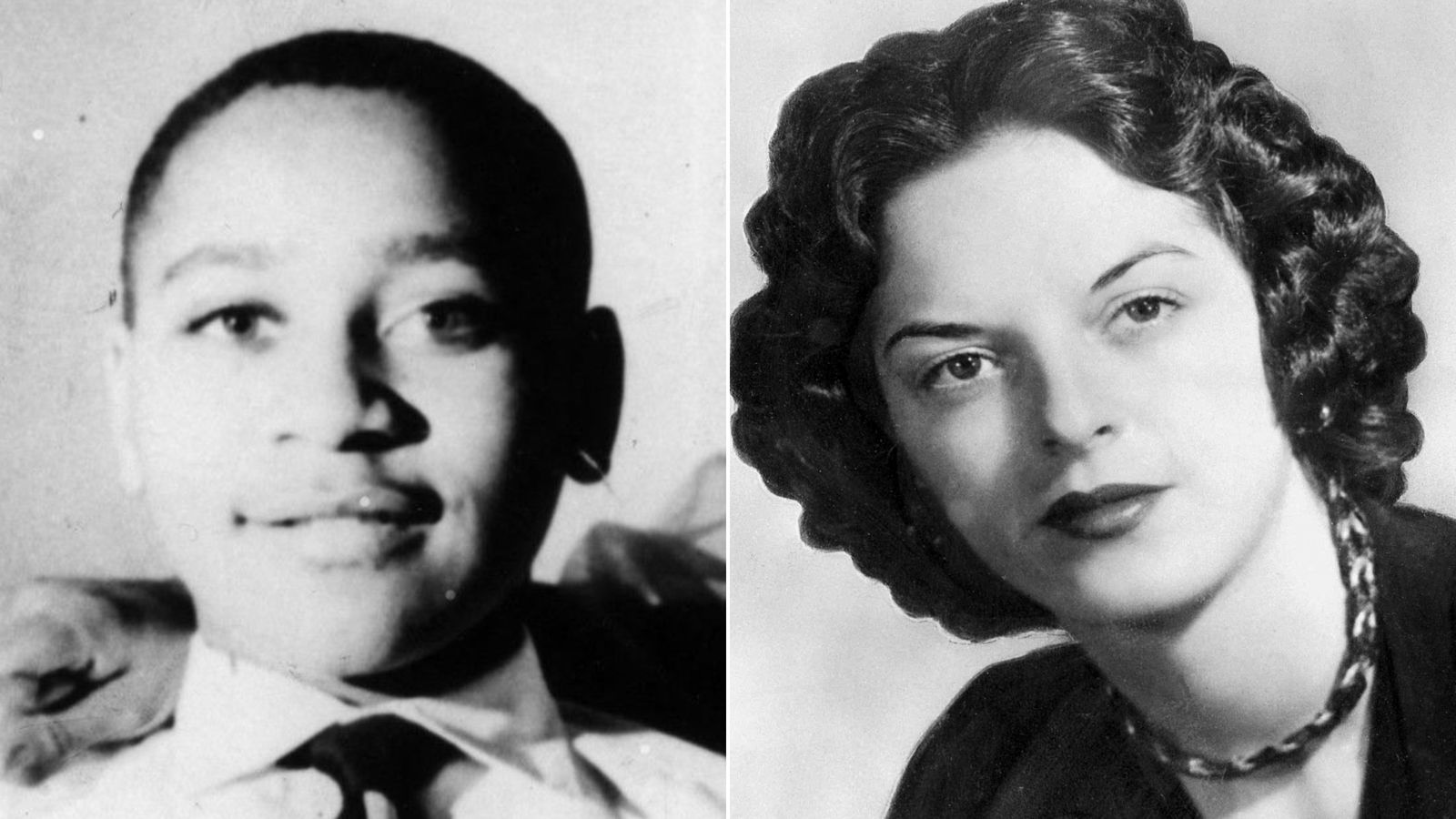
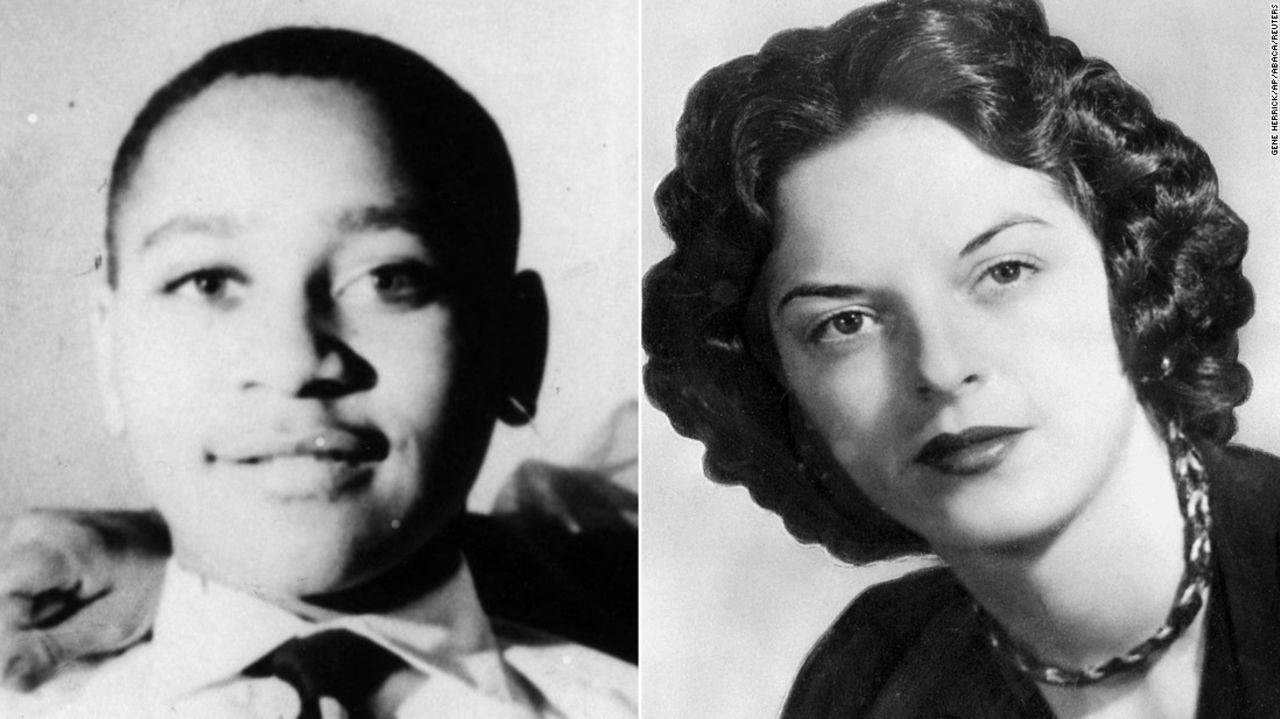
On August 24, 1955, Emmett Till, a 14-year-old Black teenager from Chicago, entered Bryant's Grocery and Meat Market in Money, Mississippi.
He was there for candy, the errand of a boy from the city visiting his great-uncle in the country.
Inside, he allegedly whistled at or made remarks to Carolyn Bryant, the wife of the store's owner.
What exactly he said or did is not established.
The record holds only the word "allegedly."
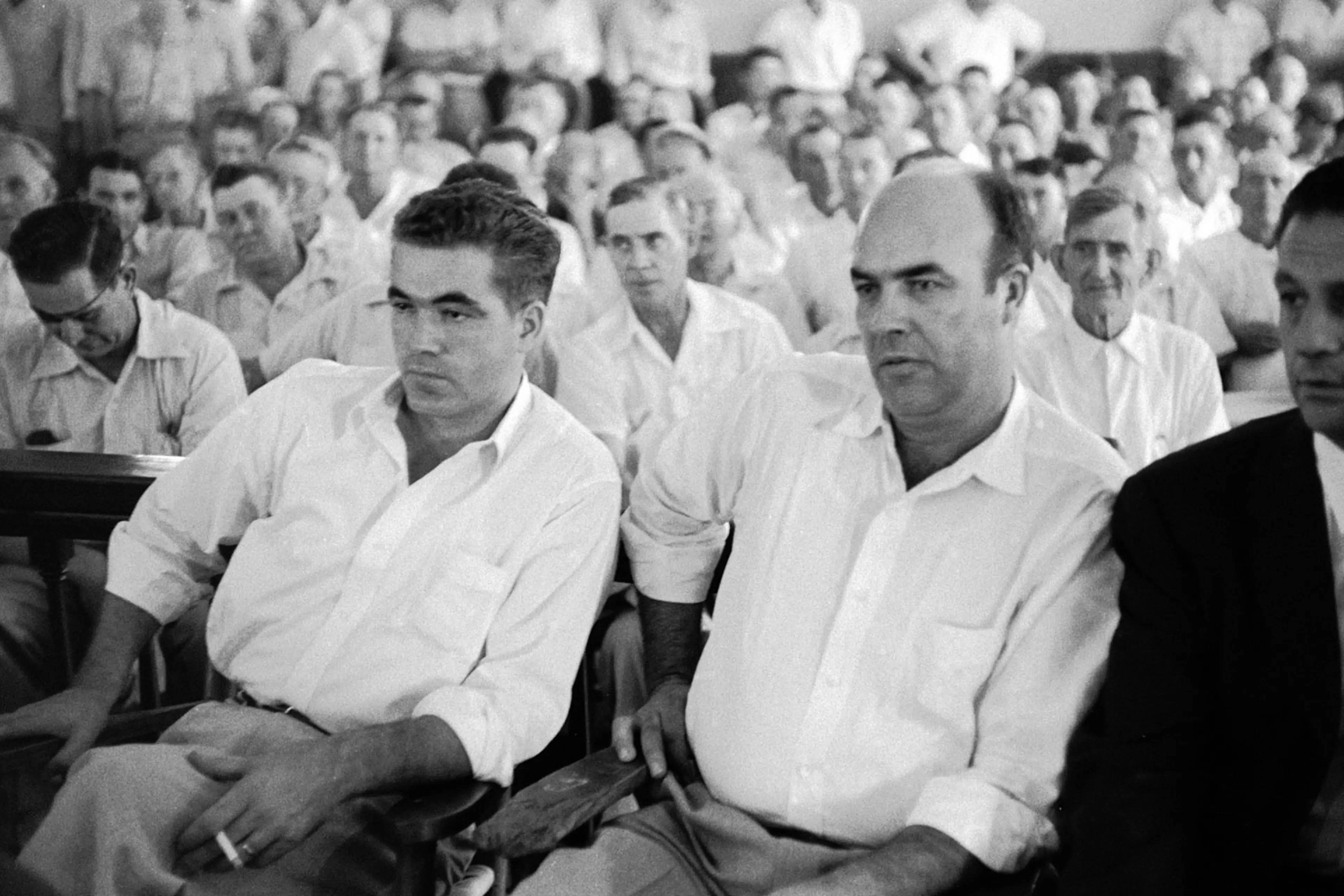
Roy Bryant was a white store owner, a man with a family and a business in a small town.
His half-brother J.W. Milam was a cotton gin worker, a man who knew the machinery of the local industry.
Four days later, on August 28, Bryant and Milam came to Till's great-uncle's home in the early hours.
They took the boy.
The abduction was reported.
Sheriff H.C. Strider arrested Bryant and Milam within days.
The ordinary errand had become a trap.
The store remained a store.
The men remained free, charged but not yet tried.
The days between the whistle and the knocking on the door were ordinary ones.
Not because nothing happened in them.
But because the record does not say what did.
THE RIVER
The body was pulled from the Tallahatchie River on August 31.
A cotton gin fan was tied to the neck with barbed wire, the weight meant to hold the boy down.
The fan was traced to a nearby gin.
That link tied the murder to the local cotton industry, but it did not tie a man to the river.
The exact time of death is not established.
Who placed the body in the water is not established either.
What the record does show is the condition of what came up.
The face was beaten beyond recognition.
The body was so decomposed that the defense argued it was not Till at all.
The sheriff even suggested the body might have been planted.
That was the insult of the trial: not that the men denied taking him, but that they denied it was him.
Moses Wright, Till's great-uncle, testified at trial.
He identified Roy Bryant and J.W. Milam as the men who came to his home in the early hours and took the boy.
He pointed at them from the witness stand.
The trial was held in Tallahatchie County, before an all-white jury.
The fan was evidence.
The ring was evidence.
The identification was evidence.
The river kept the rest.
THE VERDICT
The prosecution placed the ring on the stand.
The ring bore the father's initials.
It was the same ring pulled from the body, the same ring that had identified a face the river had taken.
The prosecution argued the ring was proof.
The defense argued the body was too decomposed to be the boy at all.
The sheriff had already suggested the body might have been planted.
The jury deliberated for 67 minutes.

One juror reportedly held out for conviction.
Then that juror was persuaded.
The verdict was not guilty.
Not because the evidence was clear.
But because the evidence was not enough for that jury.
Bryant and Milam walked out of the courtroom.
They were never retried.
In 1956, they sold their story to Look magazine for a reported $4,000.
In that paid interview, they admitted to the murder.
It was a confession in print.
It was not a confession in court.
The magazine paid for the words; the law never heard them.
The men died in the 1980s, both of them, without ever being convicted.
The ring is evidence.
The identification is evidence.
The confession is a story someone bought.
That is the line the record draws: what was proven in court, and what was sold afterward.
AND THE STORY STILL ISN'T OVER
The U.S. Department of Justice reopened the case in 2004.
New evidence had emerged, the department said.
What that evidence was is not specified in the record.
No new charges were filed.
In 2007, a grand jury in Leflore County declined to indict anyone.
That included Carolyn Bryant, who had recanted parts of her testimony in a 2007 book by historian Timothy Tyson.
The grand jury heard the recantation.
It heard the confession Bryant and Milam sold to Look magazine.
It still declined to indict.
The Emmett Till Unsolved Civil Rights Crime Act passed in 2008.
It gave the Justice Department new tools to examine old killings.
In 2022, the Emmett Till Antilynching Act made lynching a federal hate crime.
That took sixty-seven years after the acquittal.
The Bryant store still stands.
The Tallahatchie County courthouse still stands.
Both are now sites on the Mississippi Freedom Trail.
The fan is evidence.
The ring is evidence.
The verdict is not evidence of innocence.
The confession is not evidence of conviction.
The case remains a symbol.
It is a symbol of the fight for civil rights.
It is also a symbol of the limits of justice.
The men who confessed died in the 1980s.
They died without ever being convicted.
The record does not close.
It stays open, like the question the jury left unanswered.
Advertisement
You may also like

The blood spatter on MacDonald's pajama top that contradicted his story of fighting intruders
The pajama top was folded on the evidence table in Raleigh, North Carolina, in the summer of 1979. It belonged to Captain Jeffrey MacDonald,…

The parolee with a violent history who was freed months before Polly Klaas vanished
June 1993. Richard Allen Davis walked out of prison. He had a long record. Kidnapping. Assault. Violent abductions, according to the investigation summary. Just…
The inmate tip that sent two ex-cons to the Clutter farmhouse
Floyd Wells was in a Kansas prison cell when he told authorities what his former cellmate had said. Richard Hickock, he said, had spoken…

The 2015 missing-person call that led to a stabbing, a hidden illness, and two murder charges
The call came in on June 14, 2015. Deputies from the Greene County Sheriff's Office in Missouri were sent to a residence in Springfield…

Two shotguns bought days before the Menendez parents were killed — what the brothers' psychologist heard next
Days before August 20, 1989, Lyle and Erik Menendez bought two 12-gauge shotguns. The same weapons were used to kill their parents, Jose and…
The Milwaukee apartment where a skull sat beside Polaroids of the dead
The handcuff was loose. That is what the man told the officers, anyway, when he flagged them down on the night of July 22,…