The 90-minute deliberation that followed a 13-day trial in the Borden case
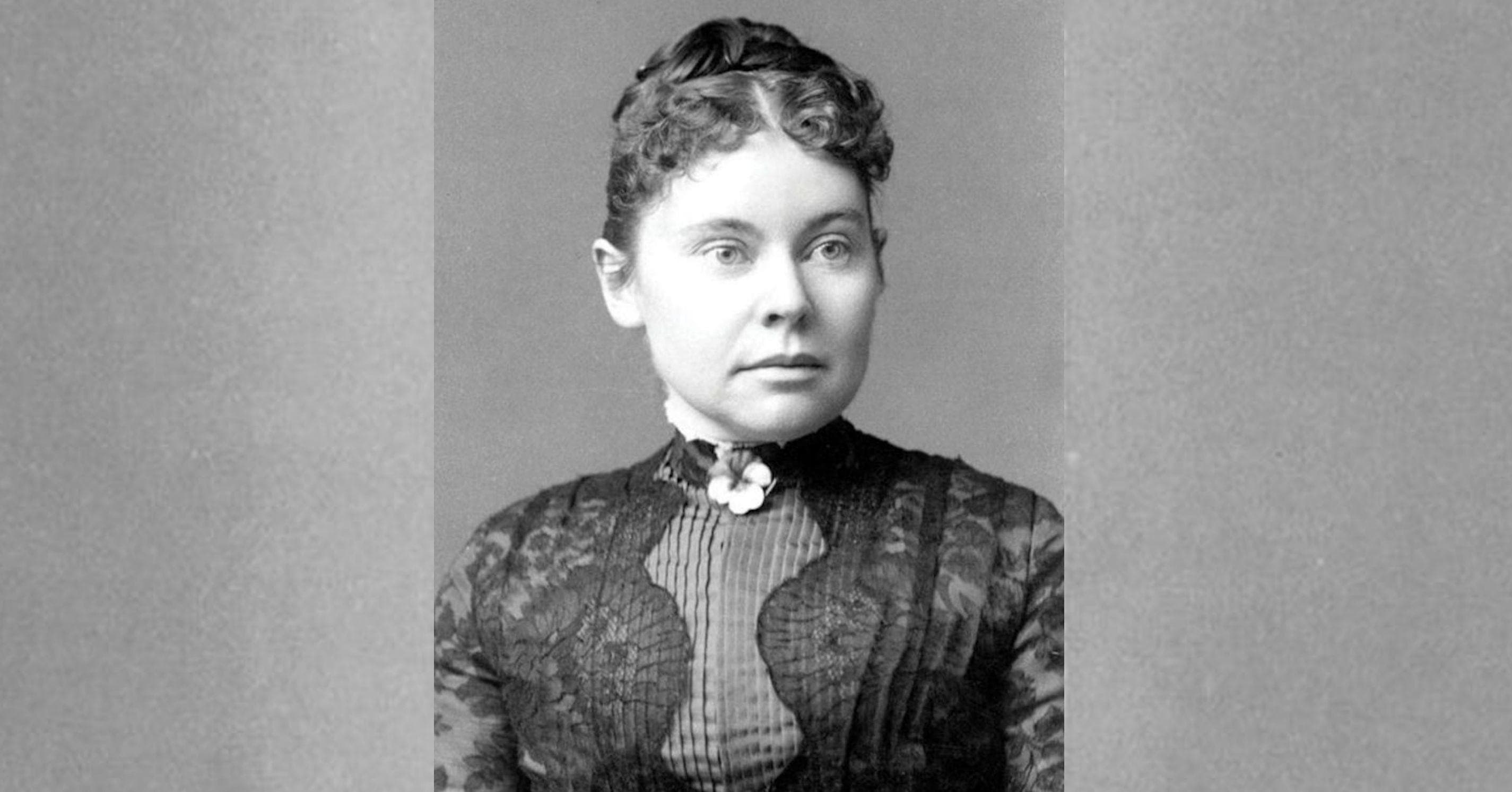
The morning of August 4, 1892, in Fall River, Massachusetts, was warm and still.
Inside the house at 92 Second Street, the bodies were found in two rooms.
Andrew Borden, a wealthy businessman, lay dead on a sofa in the sitting room.
His face and head were crushed by multiple blows.
Upstairs, in a guest bedroom, his wife Abby Borden was also dead.
She had been bludgeoned as well.
The discovery came after Andrew's daughter, Lizzie Borden, reported finding her father's body.
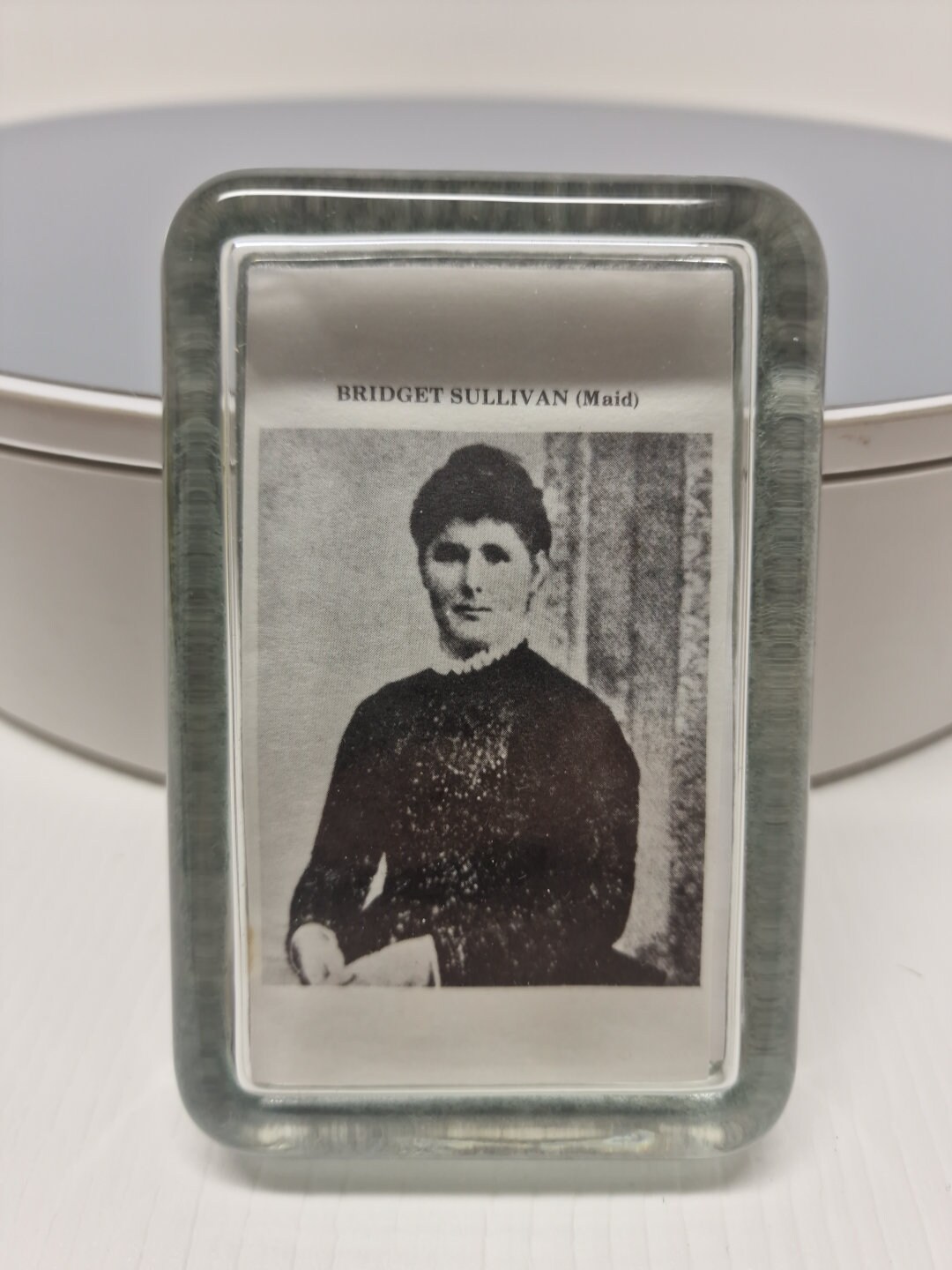
The couple's maid, Bridget Sullivan, and a neighbor, Dr. Seabury Bowen, made the formal discovery.
The murders occurred between approximately 9:00 a.m. and 11:00 a.m. that morning.
The exact time of death is not established.
Who could have done this in a quiet home on a summer morning?
Who moved through the house in those two hours?
Who left no sign of forced entry, no clear witness, no obvious weapon?
The answer would not come quickly.
THE INVESTIGATION
Police found no signs of forced entry.
That pointed them inside the house.
Lizzie Borden's account of her whereabouts shifted during those first days.
She was arrested on August 11, 1892, one week after the killings.
In the basement, investigators found a hatchet head and a broken handle.
No blood was found on them.
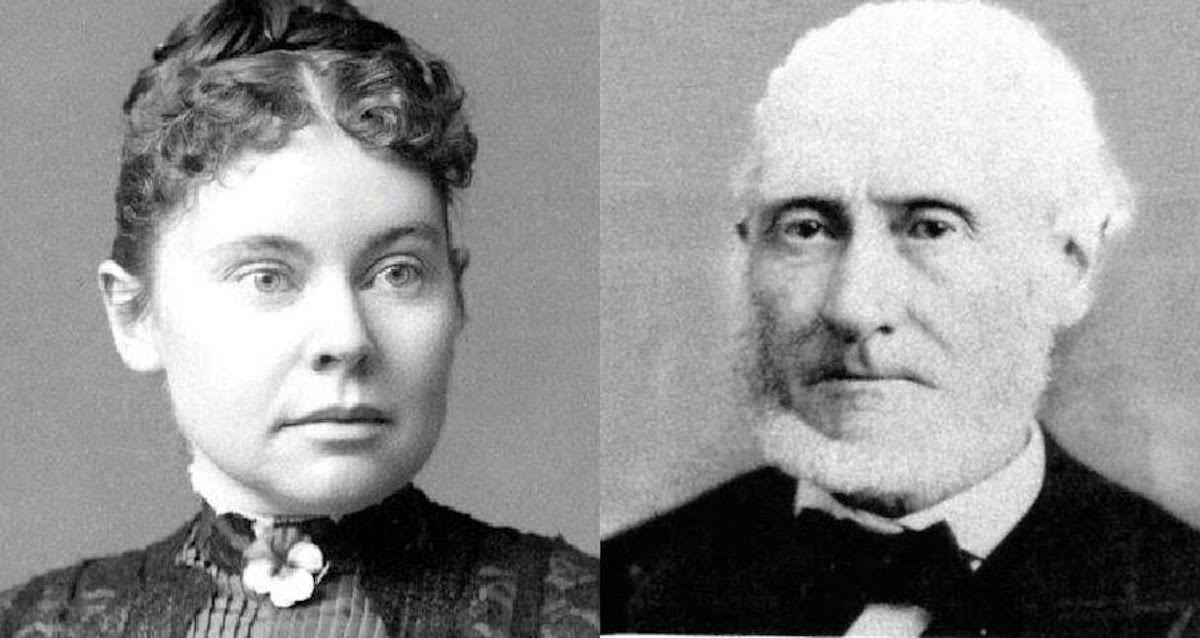
The medical examiner testified that the wounds were consistent with a hatchet or axe.
That is what the record shows.
It is also what the record does not show: the hatchet head and broken handle were never definitively linked to the murders.
The day before the killings, Lizzie had reportedly tried to purchase prussic acid.
Reported, not proven.
That purchase was never established in court.
The case against her was circumstantial.
No blood-stained clothing was ever found.
The crime scene itself was the problem.
The police investigation was criticized for failing to secure the house properly.
Potential evidence was contaminated or lost.
Who walked through that house before the scene was preserved?
Who touched the hatchet head, the handle, the bodies?
Who moved the details that might have answered the questions?
The record does not say.
That would require evidence.
What remained was suspicion.
She was on the ground below, in the sitting room, in the upstairs bedroom — but the physical link was never made.
The weight of the case was built on what could not be proven.
It was a case of circumstances, not certainty.
THE TRIAL
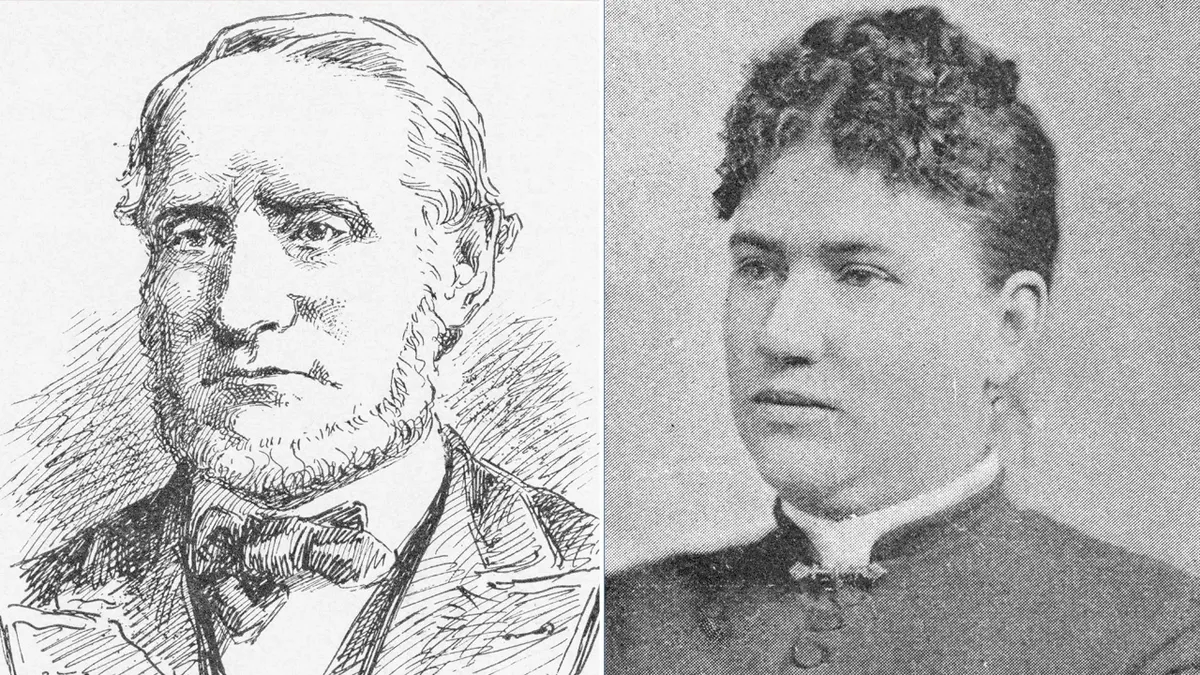
The trial began on June 5, 1893, in New Bedford, Massachusetts.
The judge was Associate Justice Josiah C. Blaisdell.
The district attorney led the prosecution.
A former governor headed the defense.
The prosecution argued that Lizzie had motive.
Motive meant tensions over her father's will.
Motive meant her dislike of her stepmother.
The case against her was entirely circumstantial.
No direct evidence placed her at the killings.
No blood-stained clothing was ever found.
The defense emphasized the lack of direct evidence.
The defense argued the impossibility of Lizzie committing the murders without being covered in blood.
The wounds were that severe, they said.
A hatchet or axe had done the work.
She would have been soaked in it.
She was not.
The exact motive was not established.
The prosecution's case was circumstantial, and that is all the record shows.
The trial lasted thirteen days.
The jury deliberated for just over an hour.
Ninety minutes, more or less.

Not because the evidence was thin.
Not because the defense was brilliant.
Because the prosecution never made the physical link.
The verdict came on June 20, 1893.
Not guilty.
Not guilty on all charges.
She was acquitted.
That would require evidence.
That would require a weapon with blood.
That would require a dress with stains.
None of it was produced.
THE VERDICT AND AFTERMATH
She was acquitted of all charges on June 20, 1893.
The jury had deliberated for just over an hour after a thirteen-day trial.
Lizzie Borden walked out of the courthouse a free woman.
She returned to Fall River with her sister Emma.
They bought a new home together, a large house on French Street.
They called it Maplecroft.
Lizzie changed her name to Lizbeth.
She lived a reclusive life in that house, rarely seen in public.
The acquittal did not end the whispers.
It did not end the questions.
It did not end the shadow that followed her through the rooms of Maplecroft.
For a time, the sisters lived together in the quiet of the new house.
Then something broke between them.
Emma moved out in 1905.
The reason for the falling out is not in the record.
No letter, no testimony, no diary entry explains it.
She was on her own after that.
Lizbeth Borden died on June 1, 1927, at the age of 66.
She died in the house she bought with her sister.
She died with the case still officially unsolved.
No one else was ever charged with the murders.
The family that remained had fractured, and then it was gone.
AND THE STORY STILL ISN'T OVER
The case remains officially unsolved. No one else was ever charged with the murders.
The weapon was a hatchet or axe. It was never definitively identified as the murder weapon. That is what the record shows, and that is where it stops.
The house at 92 Second Street still stands. It is now a museum and bed-and-breakfast. Guests sleep in the rooms where the bodies were found. They ask the same questions over breakfast. The questions have no new answers.
The identity of the murderer is not established. The case remains officially unsolved. Those two sentences are the documented end of the story.
It is a case that refuses to close. It is a case that draws new crowds every year. It is a case that generates theories, books, and tours. Not because the evidence points anywhere else. But because the gap in the record is wide enough to hold anything. That gap is real. What fills it is speculation.
The jury deliberated for ninety minutes. The verdict was not guilty. The trial lasted thirteen days. The deliberation lasted a fraction of that. The case lasted longer than both. It outlasted the verdict. It outlasted the family. It outlasted the house as a home.
Lizzie Borden died on June 1, 1927. She was 66. She died with the case still officially unsolved. No one else was ever charged. The family that remained had fractured, and then it was gone.
The house remains. The questions remain. The story remains open.
Advertisement
You may also like

The blood spatter on MacDonald's pajama top that contradicted his story of fighting intruders
The pajama top was folded on the evidence table in Raleigh, North Carolina, in the summer of 1979. It belonged to Captain Jeffrey MacDonald,…

The parolee with a violent history who was freed months before Polly Klaas vanished
June 1993. Richard Allen Davis walked out of prison. He had a long record. Kidnapping. Assault. Violent abductions, according to the investigation summary. Just…
The inmate tip that sent two ex-cons to the Clutter farmhouse
Floyd Wells was in a Kansas prison cell when he told authorities what his former cellmate had said. Richard Hickock, he said, had spoken…
The 2015 missing-person call that led to a stabbing, a hidden illness, and two murder charges
The call came in on June 14, 2015. Deputies from the Greene County Sheriff's Office in Missouri were sent to a residence in Springfield…

Two shotguns bought days before the Menendez parents were killed — what the brothers' psychologist heard next
Days before August 20, 1989, Lyle and Erik Menendez bought two 12-gauge shotguns. The same weapons were used to kill their parents, Jose and…

The Milwaukee apartment where a skull sat beside Polaroids of the dead
The handcuff was loose. That is what the man told the officers, anyway, when he flagged them down on the night of July 22,…