The boat message that sealed Dzhokhar Tsarnaev's fate — but only after a carjacking that went wrong
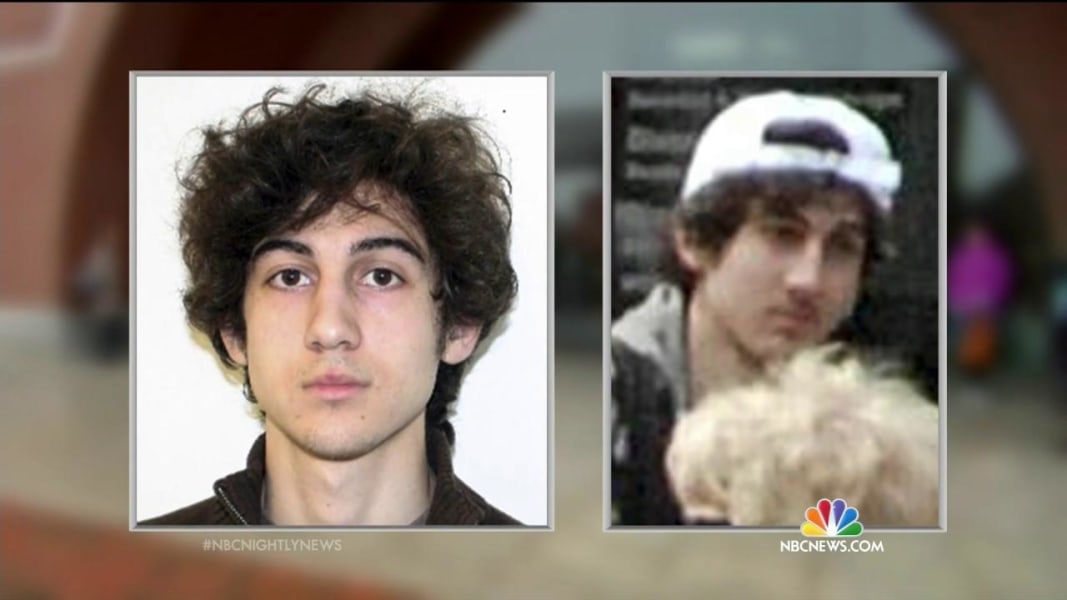
On April 19, 2013, Dzhokhar Tsarnaev was found hiding in a boat in a backyard in Watertown, Massachusetts.
The boat was ordinary.
It sat under a tarp in a residential yard, a place where a man might store a summer thing he no longer used.
On the boat's interior, he had written a message.
The source states the message was written on the boat's interior.
The source does not quote its content.
The exact wording of the boat message is not in the record.
That is what remains.
Three days earlier, on April 18, the FBI had released images of two suspects.
Those images came from surveillance footage, a department store, other cameras.
They were the turning point.
Before the images, the city searched blind.
After them, tips came in, and the names surfaced.
Then came the carjacking, the shootout, the lockdown.
A massive manhunt preceded the discovery.
Boston and its surrounding communities were locked down.
One suspect was killed in a shootout with police that night.
The other was found in the boat.
What did the message say?
Was it a confession?
Was it a goodbye?
Was it a claim of martyrdom, a protest, a final word to a family he would not see again?
That would require evidence.
The record holds only this: he wrote something on the boat's interior, and he was found there, alive, on April 19, 2013.
The boat was in a backyard.
He was in the boat.
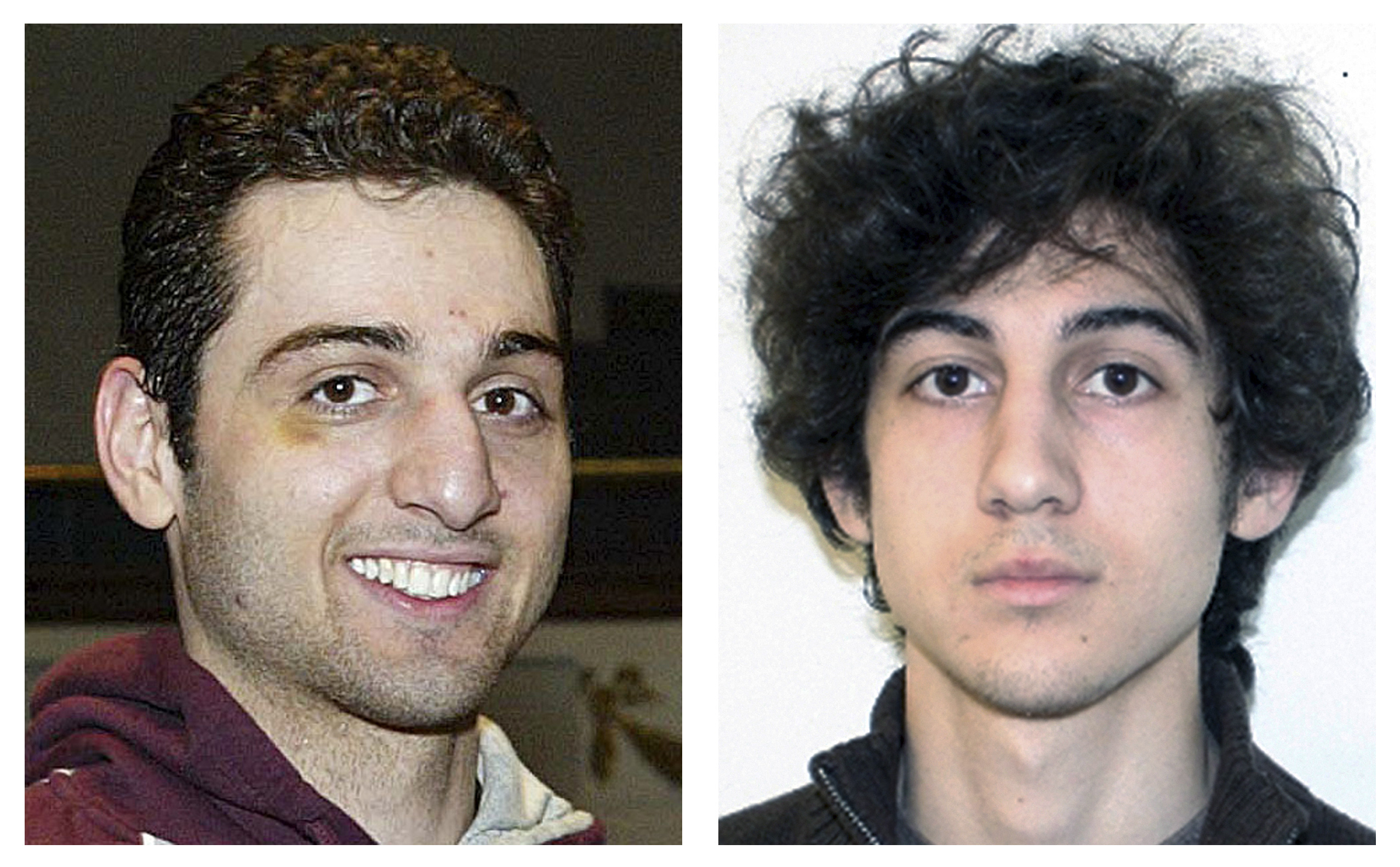
The message was on the interior.
None of it was planned, none of it was staged.
It just happened there, in Watertown, in the ordinary space of a man's backyard, under a tarp, on a boat.
APRIL 15 — THE BOMBS
It was Patriots' Day, a state holiday, and the crowd was thick along Boylston Street.
Two pressure-cooker bombs exploded near the finish line of the Boston Marathon on April 15, 2013, per the source.
The bombs were placed in backpacks and detonated remotely, per the source.
Three people were killed: Krystle Campbell, Lu Lingzi, and Martin Richard, an 8-year-old boy.
More than 260 others were injured, per the source.
The bombs were made from improvised explosives, shrapnel, and timers, per the source.
Not because this was a battlefield.
Because this was a sidewalk.
One moment, runners and spectators. The next, smoke, screams, and a street torn open.
The investigation would start with fragments — bits of metal, a shattered pressure cooker, a melted timer.
Nothing about the bombers' identities was known at this point in the timeline.
Not their names. Not their faces. Not their plan.
That would require evidence.
That evidence would come from cameras, from a department store, from a carjacking that went wrong.
But on that Monday, there was only the aftermath.
The dead were named one by one.
The injured filled hospitals.
And the city began to ask a question it could not yet answer.
Who did this?
That question would take days to even begin answering.
THE CARJACKING THAT WENT WRONG
The man they carjacked was released.

He alerted police.
That call turned the brothers from hunters into the hunted.
The source describes the carjacking as a major mistake by the brothers.
It was the pivot.
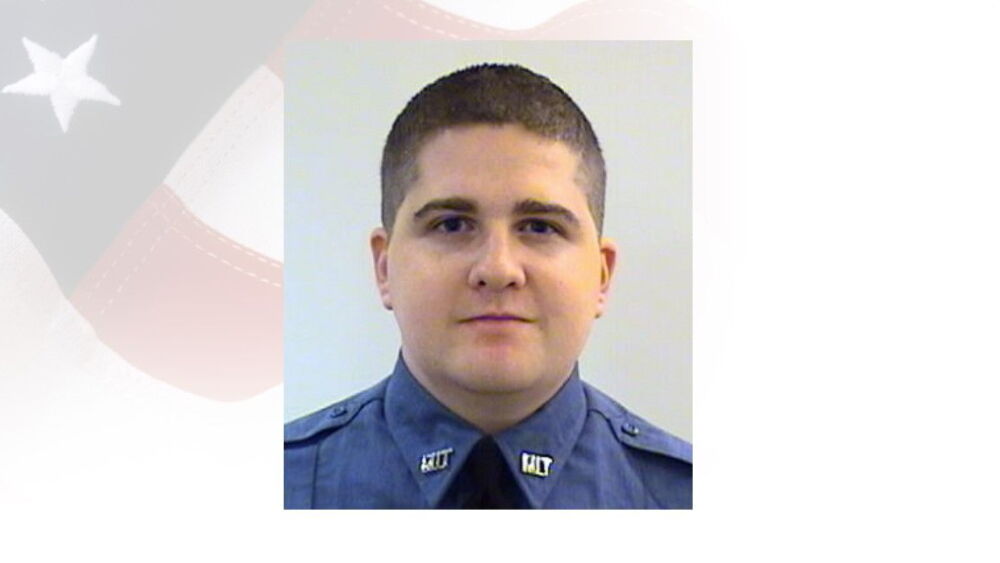
In the early hours of April 19, the suspects killed Sean Collier, a Massachusetts Institute of Technology police officer.
The source states the killing without detailing how it happened.
Then they carjacked a vehicle.
A Mercedes SUV, per the source.
They took the driver.
They let him go.
After releasing the carjacked man, he alerted police, according to the source.
The carjacked man's name is not in the record.
The exact sequence of his release is not in the record either.
What is in the record is the consequence.
In the ensuing confrontation in Watertown, Tamerlan Tsarnaev was killed.
Dzhokhar escaped.
The source frames the carjacking as a major mistake.
Not because the brothers needed the car.
But because the victim became a witness.
One released man.
One phone call.
The manhunt began with that.
The city locked down.
The hunters became the hunted.
That would require evidence, and the record provides it: the carjacking, the release, the alert.
Everything after that flowed from a victim's escape.

THE MANHUNT AND THE MESSAGE
The city of Boston and surrounding communities were locked down.
A massive manhunt ensued, per the source.
Streets emptied. Trains stopped. The suburbs went still.
The manhunt was led by the FBI's Boston field office, working with Boston police and state and federal agencies — per the source.
Dzhokhar was found hiding in a boat in a backyard in Watertown.
The boat's interior contained a written message.
The exact content of that message, and what it established legally, is not detailed in the record.
That remains a theory, and only a theory.
Forensic evidence did more work: bomb fragments, DNA, and fingerprints — per the source.
These matched the brothers.
The investigation also revealed they had self-radicalized and planned the attack independently — per the source.
Not because of outside orders.
Because the evidence showed it.
Was the message a confession?
A manifesto?
A goodbye?
That would require evidence.
Timers. Shrapnel. Backpacks. A carjacked Mercedes SUV.
The record holds the physical pieces.
It holds the fingerprints and the DNA.
It holds a message scrawled on a boat's interior.
It does not hold the message's words.
The hunt ended in that backyard.
The lockdown lifted.
The city exhaled.
Everything that followed — the charges, the trial, the sentence — flowed from what was found inside that boat.
But what the message meant, beyond its existence, the record does not say.
AND THE STORY STILL ISN'T OVER
The jury found Dzhokhar Tsarnaev guilty on all 30 counts in April 2015.
The penalty phase recommended death, and the judge formally sentenced him in June of that year.
His lawyers appealed.
In 2020, a federal appeals court overturned the death sentence.
The ruling said the trial judge had not adequately screened jurors for bias.
In 2022, the U.S. Supreme Court reinstated the death sentence.
Dzhokhar remains on federal death row at a supermax prison in Florence, Colorado.
His appeals have continued.
What comes next?
Another hearing, another ruling, another appeal?
The record does not say.
The outcome of any further appeals is not established.
Tamerlan Tsarnaev is buried in an unmarked grave in Virginia.
The brothers are separated now by a sentence and by a grave.
One convicted, one dead.
The carjacking that went wrong led to the boat.
The boat led to the message.
The message led to the trial.
The trial led to the sentence.
The sentence led to the appeals.
The appeals led back to the sentence.
And still it continues.
The city exhaled on April 19, 2013.
The legal story did not end that day.
It has not ended yet.
Advertisement
You may also like
The traffic stop that caught Timothy McVeigh — before the FBI knew his name
The trooper saw the Mercury Marquis first. A 1977 model, no license plate, rolling down an Oklahoma highway. Within 90 minutes of the blast…
The Christmas Eve disappearance that turned a quiet street into a 24/7 news circus
The Christmas Eve lights were up on Covena Avenue, and the lawn was wet with winter rain. Laci Peterson, 27 and eight months pregnant,…
The severed head found in a Florida canal that changed how America searched for missing children
The video games were the new model, the kind that beeped and flashed and drew a crowd of children. Six-year-old Adam Walsh stood among…
The duct tape and the disguised cops: inside the Gardner heist's fatal first hour
The knock came in the early hours of March 18, 1990. Two men in Boston police uniforms stood at the side door of the…

How the Green River Killer's victims were overlooked for decades — and the DNA that finally caught him
The first body was found in the Green River in July 1982. She was one of several women discovered strangled along the waterway that…
The cellphone video that placed Alex Murdaugh at the kennels — and broke his alibi
SLED forensic analysts pulled a cellphone video from Paul Murdaugh's phone. The footage placed Alex Murdaugh at the dog kennels near the time of…