The cellphone video that placed Alex Murdaugh at the kennels — and broke his alibi
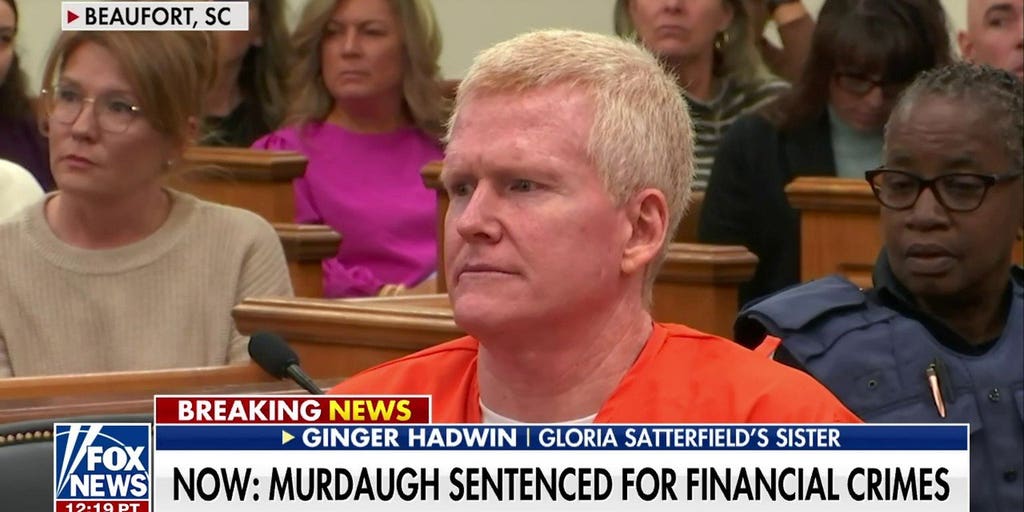
SLED forensic analysts pulled a cellphone video from Paul Murdaugh's phone.
The footage placed Alex Murdaugh at the dog kennels near the time of the murders.
It showed him in the same clothing he later admitted to wearing that evening.
He had told investigators he was at his mother's house and returned to find the bodies.
The video contradicted that account.
The exact time the video was recorded is not specified in the record.
Was it the moment his story cracked?
Was it the frame that ended the alibi?
Was it the single piece of footage that undid him?
The record does not say that.
What the record shows is a video recovered by forensic analysts, and a timeline that did not match.
The video is a key piece of evidence.
It is not the only one.
Gunshot residue analysis and DNA evidence from the scene also implicated him.
A theory circulating online holds that the video alone broke the alibi.
That theory is not established by the record.
The documented timeline and forensic evidence played a role too.
Investigators found two weapons linked to the property: a shotgun and a rifle.
The video is the image that lingers.
The clothing, the kennels, the time.
It is a fragment of a larger case.
It is also the fragment that placed him there.
THE 911 CALL AND THE FIRST STORY
The 911 call came that evening, after the bodies were found.
The exact contents of that call are not detailed in the source material.
What is documented is the first story Alex Murdaugh told.
He claimed he had been at his mother's house visiting her.
He said he returned to find the bodies.
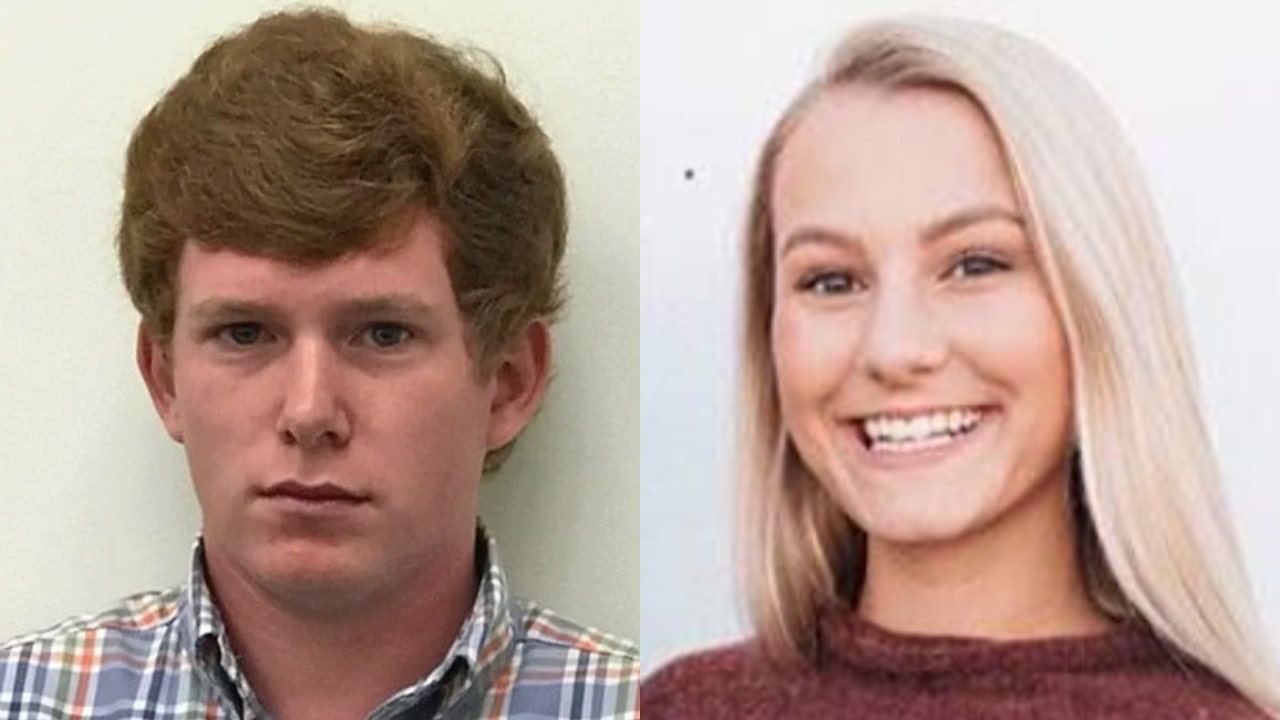
Paul Murdaugh, 22, and Maggie Murdaugh, 52, were found shot to death at Moselle, the family's hunting estate near Islandton in Colleton County, South Carolina.
Investigators from SLED and the Colleton County Sheriff's Office began checking the timeline.
They found inconsistencies in it.
The housekeeper testified she found no signs of disturbance at the scene.
Not a struggle.
Not a forced entry.
Not a sign that anything was wrong until the bodies were there.
The first story held for a time.
It held until the cellphone video surfaced.
It held until the clothing matched.
The timeline was the first crack.
It was not the last.
THE KENNELS AND THE WEAPONS
The same video that broke the alibi also fixed the location.
It placed Alex Murdaugh at the dog kennels, the place investigators came to treat as central to the killings.
The kennels were where the timeline collapsed.
The kennels were where the clothing matched.
The kennels were where the prosecution said the murders began.
The exact distance between the kennels and the house is not in the record.
What is in the record is the weapon work.
Investigators found that the murders were committed with two different weapons: a shotgun and a rifle, both later linked to the Murdaugh property.
Two weapons, two victims, one scene.
Gunshot residue analysis and DNA evidence from the scene further implicated Alex, according to the forensic experts who testified.
The residue placed him near the discharge.
The DNA placed him in the space the prosecution called the kill zone.
Creighton Waters, the lead prosecutor, argued that the video and the forensic evidence together proved Alex was present at the time of the murders.
Not the video alone.
The video plus the residue.
The video plus the DNA.
The video plus the clothing he admitted wearing.
Dick Harpootlian and Jim Griffin, the defense attorneys, argued the evidence was circumstantial.
They argued Alex was being framed.
They argued the state's case depended on inference stacked on inference.
That would require evidence, and the evidence was physical.
A shotgun.
A rifle.
Residue on the accused.
DNA at the scene.
The defense did not produce a rival explanation for any of it.
The prosecution did not need a confession.
It needed the kennels, and the video supplied them.
THE TRIAL AND THE TWO STORIES
The trial began in January 2023 in Colleton County, with Judge Clifton Newman presiding.
Creighton Waters led the prosecution.
He presented a detailed case over several weeks.
Forensic experts testified about gunshot residue and DNA. Family members took the stand. Law enforcement walked through the recovery of the video.
The defense, led by Dick Harpootlian and Jim Griffin, argued Alex was not at the scene.
They said the state's evidence was insufficient.
They said the case was circumstantial.
Prosecutors introduced the financial crimes.
Alex was charged with stealing from clients and his law firm.
That was the motive, Waters argued: to distract from his wrongdoing.

Not because the murders were about money. But because the murders could hide it.
The defense offered no rival explanation for the video.
They offered no rival explanation for the clothing.
They offered no rival explanation for the gunshot residue.
The jury deliberated.
How long did they take? The record does not specify.
On March 2, 2023, the jury found Alex Murdaugh guilty of two counts of murder.
Guilty of two counts of possession of a weapon during the commission of a violent crime.
Two stories had been told in that courtroom.
One was built on a timeline that collapsed.
The other was built on a video that held.
AND THE STORY STILL ISN'T OVER
The jury returned on March 2, 2023.
Two counts of murder.
Two counts of possession of a weapon during a violent crime.
Judge Clifton Newman sentenced Alex Murdaugh to two consecutive life sentences without parole.
In a separate proceeding, he pleaded guilty to financial crimes — fraud, money laundering — and received additional prison time.
He has filed appeals.
As of the latest reports, his convictions stand.
That is what the record shows, and no more.
He has continued to maintain his innocence regarding the murders.
His legal team has pursued appeals; the status of those appeals is not detailed beyond "filed."
Buster Murdaugh, the surviving son, has largely stayed out of the public eye.
The case did not end at the courthouse door.
It opened others.
The Murdaugh family's conduct has drawn broader scrutiny, including investigations into other deaths and financial dealings connected to the family.
His law firm is gone.
The family's reputation is in tatters.
Two stories were told in that courtroom, and one held.
The video held.
The timeline collapsed.
And the story still isn't over.
Appeals remain filed.
Investigations remain open.
Buster Murdaugh remains silent.
A family's legal legacy remains broken.
That would require evidence.
The record does not establish where those investigations lead.
It establishes only what the jury found, what the judge sentenced, and what the appeals have not yet undone.
The convictions stand.
The video stands.
The story stands.
Advertisement
You may also like
The security footage that changed everything in the Watts case
The camera was there, on the house in Frederick, Colorado. On August 13, 2018, Shanann Watts, 34, failed to show up for a doctor's…
The newspaper clipping found beside Elizabeth Short's body that detectives could never link to a suspect
A newspaper clipping lay beside Elizabeth Short's body in the vacant lot on Norton Avenue. Investigators noted it, bagged it, and ran it down.…
The ransom note left on a windowsill, and the voice Charles Lindbergh swore he recognized
The crib was empty. On the evening of March 1, 1932, Charles Lindbergh Jr., the 20-month-old son of aviator Charles Lindbergh and Anne Morrow…
The smiley-face letters that unmasked a trucker — and exposed a wrongful conviction
The letters arrived with a smiley face drawn at the bottom. They were taunts, sent to police and the media, signed with a grinning…
The traffic stop that caught Timothy McVeigh — before the FBI knew his name
The trooper saw the Mercury Marquis first. A 1977 model, no license plate, rolling down an Oklahoma highway. Within 90 minutes of the blast…
The Christmas Eve disappearance that turned a quiet street into a 24/7 news circus
The Christmas Eve lights were up on Covena Avenue, and the lawn was wet with winter rain. Laci Peterson, 27 and eight months pregnant,…