The ransom note left on a windowsill, and the voice Charles Lindbergh swore he recognized
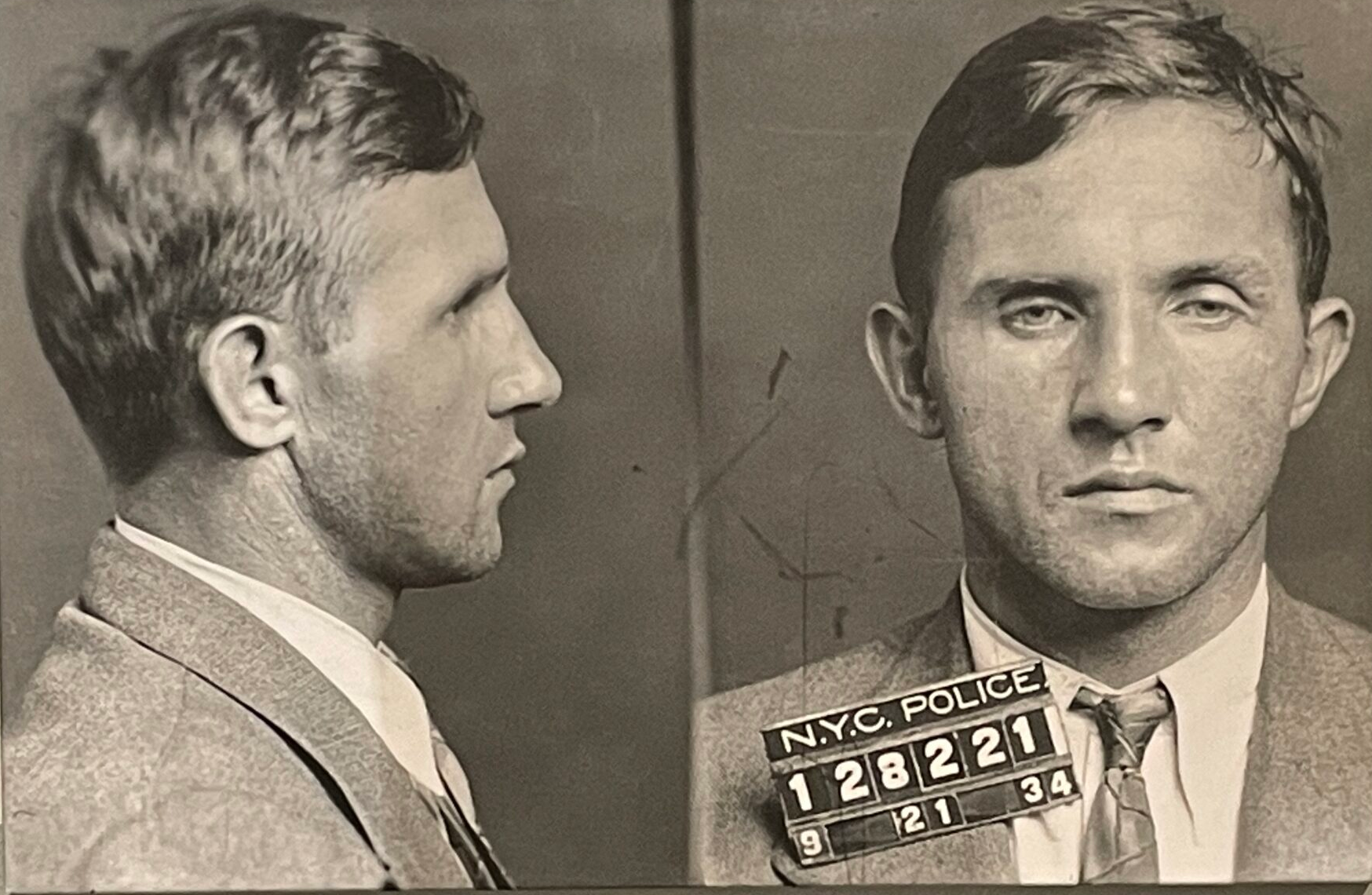
The crib was empty.
On the evening of March 1, 1932, Charles Lindbergh Jr., the 20-month-old son of aviator Charles Lindbergh and Anne Morrow Lindbergh, was taken from his bedroom in the family’s home near Hopewell, New Jersey.
On the windowsill, a ransom note demanded $50,000.
The note was written in distinctive German-accented English.
Who wrote those words?
What did that voice sound like?
Those questions would follow the case for years, and the answers would never be simple.
The ransom was paid through an intermediary, a retired Bronx schoolteacher who negotiated with the kidnapper.
The child was not returned.
On May 12, 1932, the boy’s body was found in a shallow grave about four and a half miles from the Lindbergh home, in woods off the Hopewell–Mount Rose road.
The cause of death was a blow to the head.
The identity of the person who left the note is not established at this point.
The note itself is the only clue.
It is a piece of paper with a demand.
It is also a voice, written down, waiting to be heard.
THE RANSOM TRAIL
The investigation was led by the New Jersey State Police under Colonel H. Norman Schwarzkopf, with the Lindbergh family cooperating closely.
The kidnapper communicated with Dr. John F. Condon, a retired Bronx schoolteacher who negotiated under the alias "Jafsie."
Condon delivered $50,000 in gold certificates as ransom.
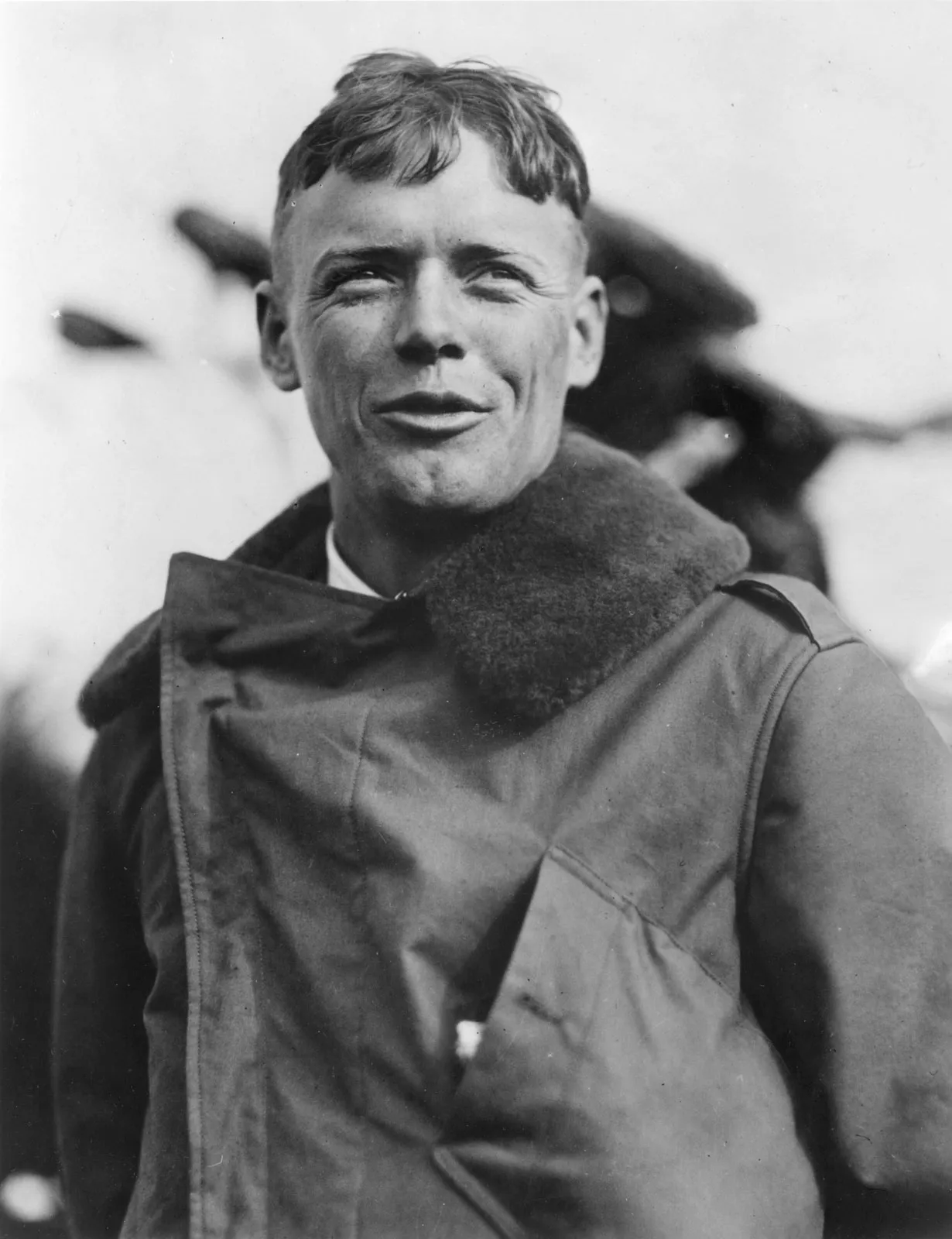
The money was not immediately traceable.
That changed in September 1934, when a gas station attendant in the Bronx noted a gold certificate license plate number.
That number led police to Bruno Richard Hauptmann.
In Hauptmann's garage, investigators found over $14,000 of the ransom money.
The note was a voice, written down. The money was a trail, and the trail ended at a carpenter's door.
Forensic evidence included wood from the homemade ladder used in the kidnapping, matched to boards in Hauptmann's attic.
Handwriting analysis linked him to the ransom notes.
The exact method by which the ladder wood was matched is not detailed in the record.
The handwriting analysis's margin of error is not detailed in the record.
What the record does show is the slow tightening of a net.
A ghost became a suspect because a man wrote down a license plate.
A suspect became a defendant because his attic held boards, and his hand held a pen.
The state police had the man. The money had the man. The wood had the man.
The trial would need more than that.
It would need a voice heard in the dark, and a voice identified in a courtroom.
THE TRIAL BEGINS
The trial began on January 2, 1935, in Flemington, New Jersey.
It opened before the trial judge of the New Jersey Court of Oyer and Terminer.
David T. Wilentz, the New Jersey Attorney General, prosecuted.

Edward J. Reilly led the defense.
The prosecution presented over 160 witnesses.
Charles Lindbergh took the stand.
He identified Hauptmann’s voice as the kidnapper’s from the ransom negotiations.
The exact words of that identification are not in the record.
Only that he swore he recognized the voice heard in the dark.
The state pathologist testified that the child died from a blow to the head.
The weapon was never recovered.
The defense attacked the reliability of the voice identification.
They attacked the wood evidence.
They attacked the handwriting evidence.
They said the case was circumstantial.
They said the man was framed.
The courtroom held a grieving father pointing at a man.
That is the voice, he said.
That is the voice, and the doubt followed.
It is a voice heard in the dark.
It is a voice identified in a courtroom.
Those are not the same thing.

That would require evidence.
TWO STORIES, ONE VERDICT
The prosecution built its case on a chain of physical and documentary evidence.
The ransom money, found in Hauptmann's garage.
The wood from the ladder, matched to boards in his attic.
The handwriting, linked to the ransom notes.
And the voice — Charles Lindbergh took the stand and swore he recognized it from the ransom negotiations in the dark.
The defense answered with one word: circumstantial.
Edward J. Reilly, the chief defense counsel, argued that Hauptmann was framed.
He attacked the voice identification, insisting a man heard through a window in the dark could not be certain.
He attacked the wood, saying the match was guesswork.
He attacked the handwriting, calling the experts unreliable.
Two stories, one verdict.
Was it a chain of evidence?
Or was it a frame?
That would require proof.
The jury heard over 160 witnesses for the prosecution.
They heard Lindbergh's voice identification.
They heard the state pathologist testify that the child died from a blow to the head.
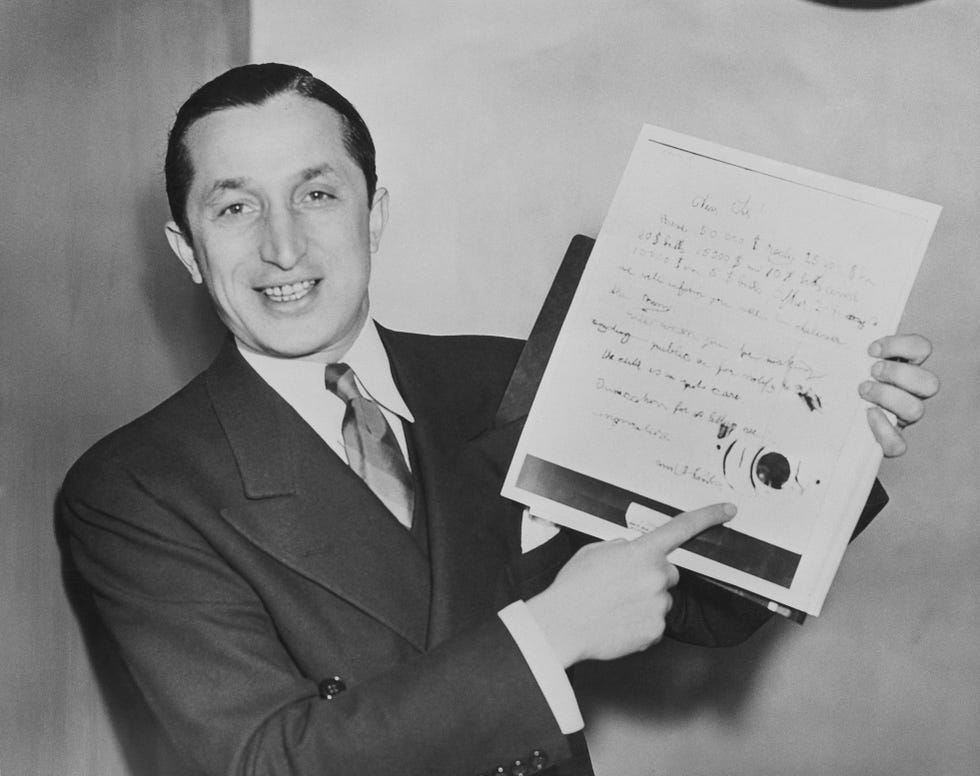
On February 13, 1935, they found Hauptmann guilty of first-degree murder.
He was sentenced to death.
The appeals were rejected.
Governor Harold G. Hoffman granted a temporary stay, but he did not commute the sentence.
Whether Hauptmann was actually framed is not established.
The defense claimed it, but no court overturned the conviction.
The jury chose the chain.
The verdict stood.
AND THE STORY STILL ISN'T OVER
He was executed in the electric chair at the New Jersey State Prison in Trenton on April 3, 1936.
He maintained his innocence to the end.
Anna Hauptmann, his wife, publicly maintained his innocence for decades.
She continued to petition for posthumous exoneration.
No court overturned the conviction.
That would require evidence the record does not provide.
The Lindbergh family later moved to Europe to escape public attention.
The house in Hopewell was donated to the state.
It was eventually demolished.
A house can be torn down.

A law can be written.
The case led to the federal “Lindbergh Law,” which made kidnapping across state lines a federal crime.
It was a law born of grief.
It remains the law.
The case remains one of the most debated in American criminal history.
Some later authors questioned the verdict.
They questioned the voice heard in the dark.
They questioned the wood matched in an attic.
They questioned the handwriting on the note.
No official reexamination has changed the outcome.
The verdict stands.
The debate does not.
A widow’s petitions went unanswered.
A house came down.
A law stayed.
A question still hangs in the air.
It is a question about a voice in the dark.
It is a question about a chain of evidence.
It is a question about what a jury chose to believe.
The jury chose the chain.
The verdict stood.
The story still isn’t over.
Advertisement
You may also like
The tarot card left at a crime scene — and the message that still haunts detectives
The card was left on the ground at one of the crime scenes. It was a tarot card, and on it someone had written…
The ransom note on a windowsill — then a 72-day wait that ended in a woods
The nursery was quiet. It was the evening of March 1, 1932, and Charles Lindbergh Jr., the 20-month-old son of aviator Charles Lindbergh and…
The FBI spent 17 years hunting a bomber. The break came from one brother’s letter.
The manifesto arrived in 1995, a typed document titled "Industrial Society and Its Future," sent to major newspapers. It was signed, effectively, by a…
The gyroscopic horizon indicator that wasn't on board when Buddy Holly's plane vanished into the Iowa night
The gyroscopic horizon indicator was not on board. The Beechcraft Bonanza that went down near Clear Lake, Iowa, on February 3, 1959, lacked the…
The shotgun shell that still outlives four Clutter murders
The shell sat on the floor of the Clutter farmhouse in Holcomb, Kansas. It was the morning of November 16, 1959, when friends and…
The night Polly Klaas's mother returned to find her daughter's slumber party shattered
The pillowcases were on the floor. The two friends were tied up, their hands bound, their heads covered. They told Eve Nichol what happened…