The night Polly Klaas's mother returned to find her daughter's slumber party shattered

The pillowcases were on the floor.
The two friends were tied up, their hands bound, their heads covered.
They told Eve Nichol what happened when she came home.
The intruder had come through a window.
He had a knife.
He tied the girls, put pillowcases over their heads, and took Polly.
Eve Nichol walked into her own living room and found the wreckage of a slumber party.
Twelve-year-old Polly Klaas was gone.
The two friends were unharmed, just shaken, just tied up, just released.
They were minors then.
They are not named here.
The exact time of the intrusion is not in the record.
The time Eve Nichol returned home is not specified either.
What is known is the date: October 1, 1993.
What is known is the place: Petaluma, California, a mother's home.
What is known is the scene: a house that should have held three giggling girls, holding instead the rope and the cloth.
Who did this?
How?
That would require evidence.
That would require a confession.
That would require a trial.
None of that was known to Eve Nichol that night.
She only knew the pillowcases were on the floor.
THE SEARCH
The search began before dawn.
Local police arrived first, then the FBI, then thousands of volunteers who fanned out across Petaluma.
They searched the hills. They searched the orchards. They searched every road a car could take.
The investigation became one of the largest in California history, involving hundreds of law enforcement personnel and volunteers.
Police initially had few leads.
A neighbor reported seeing a suspicious car near the house that night, but the lead did not immediately pan out.
Whether that car was ever identified is not in the record.
The neighbor's report remains a detail without a resolution.
Polly's parents, Marc Klaas and Eve Nichol, were divorced, but they stood together in the search.
Marc Klaas spoke to reporters, his voice breaking as he pleaded for his daughter's return.
Eve Nichol waited at home, where the pillowcases had been found on the floor.
Both became prominent public figures in the aftermath, their faces known across the country.
The days passed. The weeks passed.
Volunteers came from other towns, other states, carrying flyers with Polly's face.
They checked abandoned buildings. They checked the riverbanks. They checked every shallow grave they could find.
Each tip was logged. Each tip was chased. Each tip ended in nothing.
The hope was enormous. The hope was also fragile.
What did they know?
They knew an intruder had entered the house. They knew he had tied up the girls. They knew he had taken Polly.
They did not know why. They did not know where. They did not know if she was still alive.
The waiting was the hardest part.
Marc Klaas said he would not give up. Eve Nichol said she wanted her daughter home.
The search went on for weeks, and the country watched.
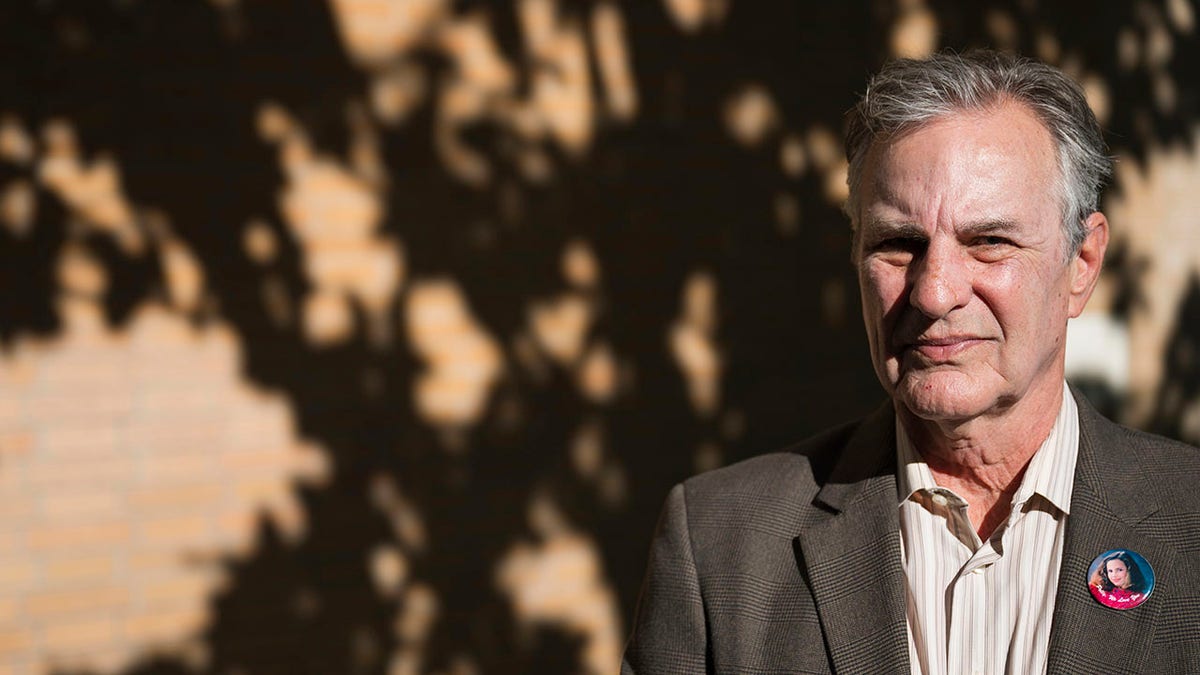
That would require a lead that panned out.
THE CONFESSION
The arrest came on November 30, 1993.
Richard Allen Davis was taken into custody on an unrelated parole violation.
He was already a known name to law enforcement, a man with a long criminal record.
While in custody, he confessed to kidnapping and killing Polly Klaas.
He said he did it.
He led investigators to her body on December 4, 1993.
The grave was shallow, in a wooded area near Cloverdale, California.
That is about 80 miles from Petaluma, where she had been taken from her bed.
She had been strangled.
Davis used his hands.
The forensic evidence did the rest of the talking.
Fibers and hair from the crime scene linked Davis to the house on that night.
The confession was the break the search had needed.
But the exact content of that confession is not in the record.
The defense later claimed coercion.
The court ruled the confession admissible, and the trial would proceed on that basis.
For the family, the search was over.
The waiting had a shape now, a place, a fact.
Marc Klaas had said he would not give up.
Eve Nichol had said she wanted her daughter home.
They had her now, but not the way they wanted.
The country had watched the search for weeks.
What remained was a trial, and a man on death row.
THE TRIAL
The trial began in 1996 in Sonoma County Superior Court.
It was four years after the night Eve Nichol came home to find the pillowcases.
Richard Allen Davis was charged with first-degree murder with special circumstances.
The circumstances included kidnapping and burglary.
Prosecutors said the confession Davis gave while in custody was true.
The defense argued the confession was coerced.
The court ruled the confession admissible.
That ruling became the hinge of the trial.
Not because the evidence was weak.
But because the confession was the story the country had watched unfold.
The jury heard the forensic evidence.
Fibers.
Hair.
The shallow grave near Cloverdale.
They heard how Davis led investigators to the body on December 4, 1993.
They heard how she had been strangled.
The verdict was first-degree murder with special circumstances.
In August 1996, the jury recommended the death penalty.
The judge sentenced Davis to death.
The conviction was upheld on appeal.
The sentence was upheld on appeal.
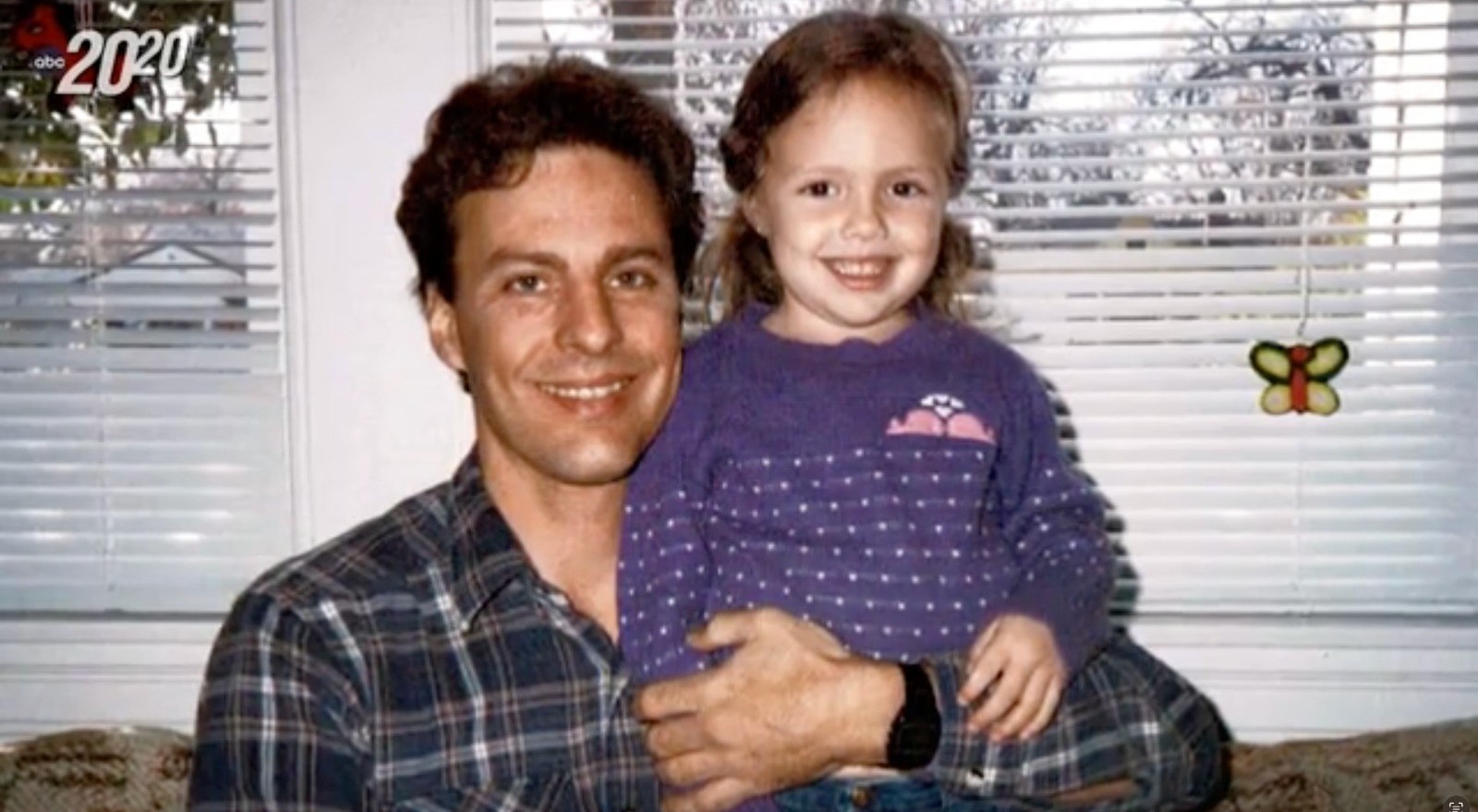
It is a documented record.
It is also a record with a debate left inside it.
Was the confession coerced?
Did the court rule correctly?
Those questions were answered by the court.
They were not answered by the record itself.
What remains is the weight of a sentence.
What remains is a man on death row.
What remains is a family that watched the trial from the gallery.
Marc Klaas had become a victims' rights advocate.
Eve Nichol had largely stayed out of the public eye.
The trial gave them a verdict.
It did not give them a reason.
No reason could be given.
That would require evidence the record does not contain.
AND THE STORY STILL ISN'T OVER
Richard Allen Davis remains on death row at San Quentin State Prison.
California has not executed anyone since 2006.
Legal challenges to the death penalty have left the sentence in place—and unresolved.
The next concrete step is not in the record.
No hearing date. No execution date. No answer to the question of when.
That would require evidence the record does not contain.
Marc Klaas did not stop at grief.
He founded the KlaasKids Foundation, a nonprofit dedicated to protecting children from violence and abduction.
The foundation grew out of a father's loss.
It is a fact on paper. It is also a life's work.
Eve Nichol has largely stayed out of the public eye.
She was the mother who came home to pillowcases and rope.
She did not campaign. She did not testify at length in the press.
She remained.
The case did not end with the verdict.
It changed California law.
Polly's abduction prompted a national debate on parole policies.
It led to the state's "Three Strikes" law.
A man with a long record had been on parole.
The law was written in response.
It is a law with her name attached in public memory.
It is also a law that outlived the moment.
The foundation continues. The debate continues. The sentence waits.
Marc Klaas speaks. Eve Nichol does not.
One father turned loss into policy. One mother turned inward.
Both are documented. Neither is finished.
Davis sits on death row.
The state does not execute.
The family lives with the absence.
That is where the story stands.
It is not over. It is simply waiting.
Advertisement
You may also like
The 1981 mall toy aisle detail that derailed the Adam Walsh case for years
July 27, 1981, in the toy department of the Hollywood Mall in Hollywood, Florida. A six-year-old boy named Adam Walsh was separated from his…
The love letters and calling cards left beside two bodies in Lovers' Lane
The crabapple tree stood in a secluded lane called Lovers' Lane, near the New Jersey border with Pennsylvania. On the night of September 14,…
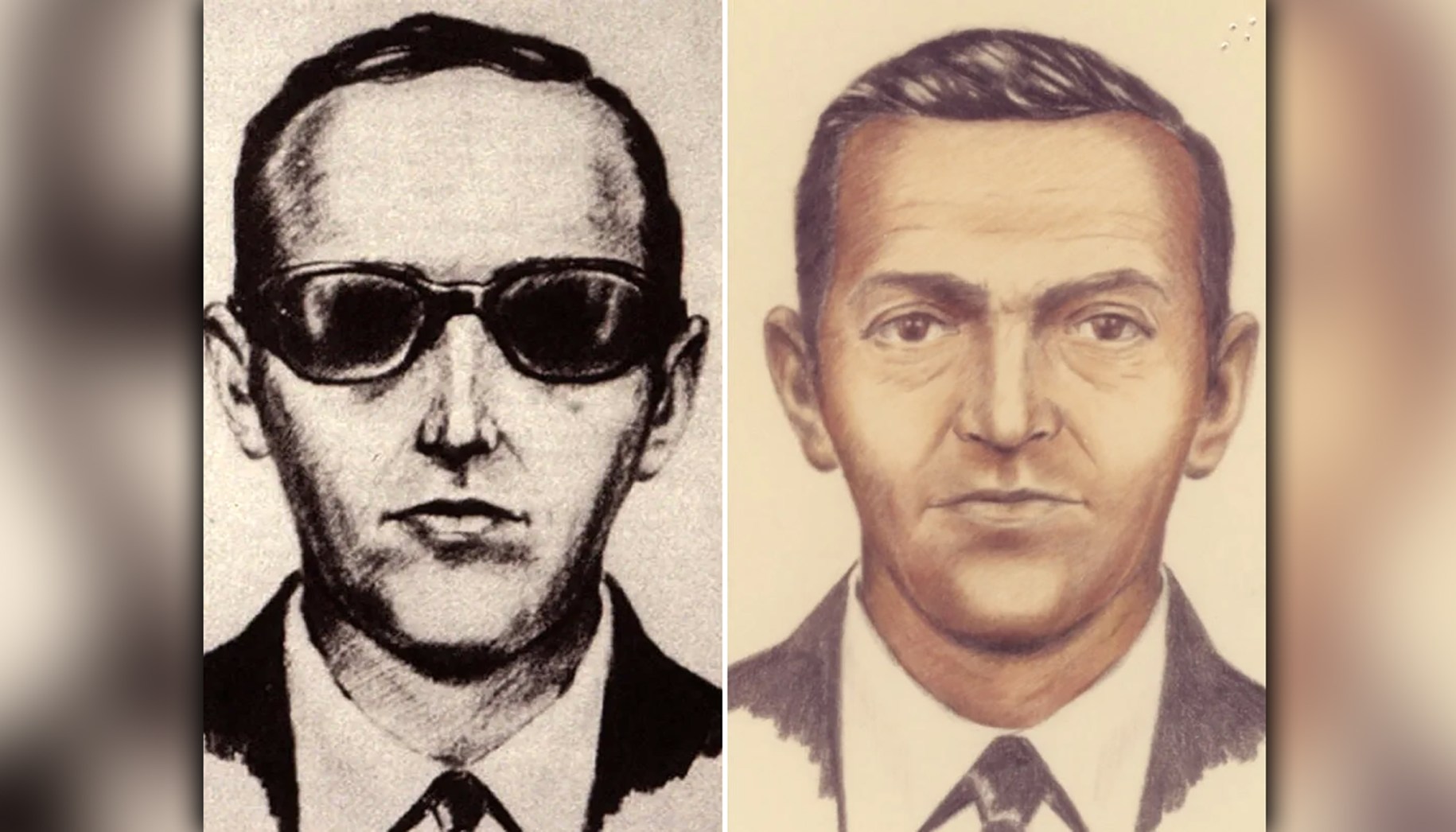
The $5,800 in D.B. Cooper ransom cash a boy found on a riverbank
The boy was eight years old, playing on a sandbar along the Columbia River in Washington in 1980. He pulled three bundles of cash…
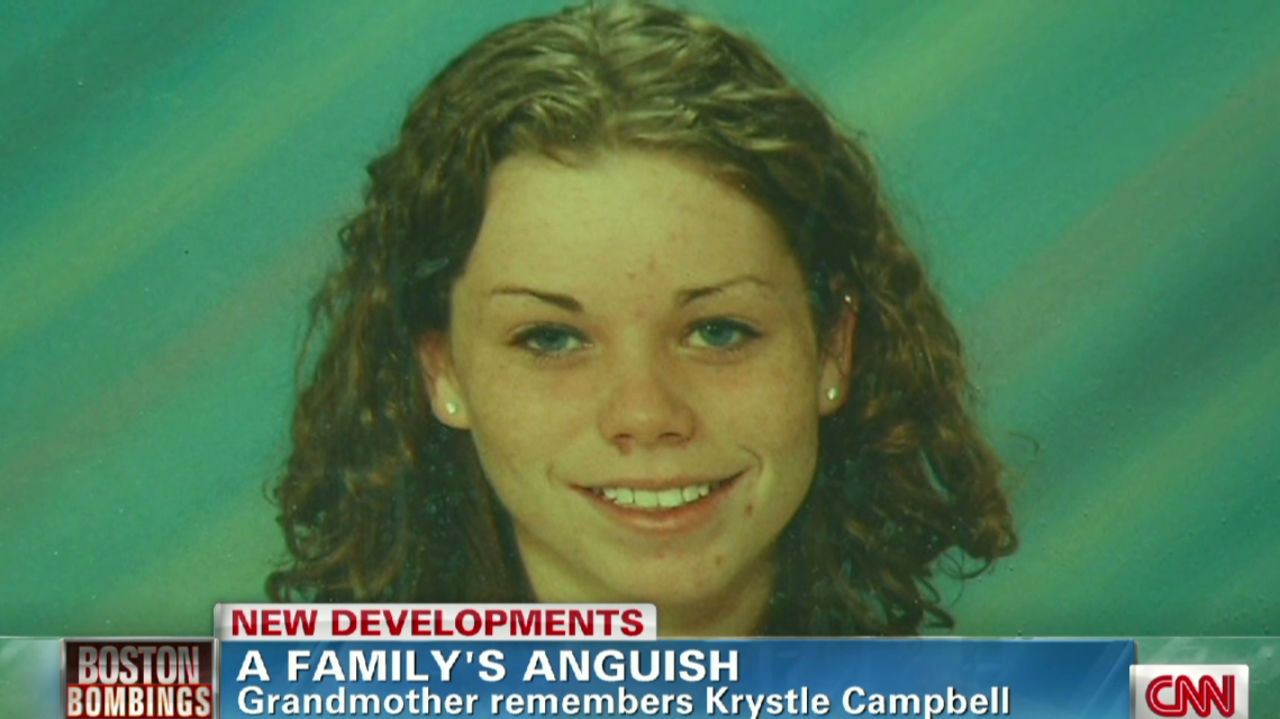
The handwritten confession scrawled on a boat's interior that sealed Dzhokhar Tsarnaev's fate
The boat sat in a Watertown backyard, tarp pulled over it, ordinary as any lawn ornament. On April 19, 2013, Dzhokhar Tsarnaev was found…
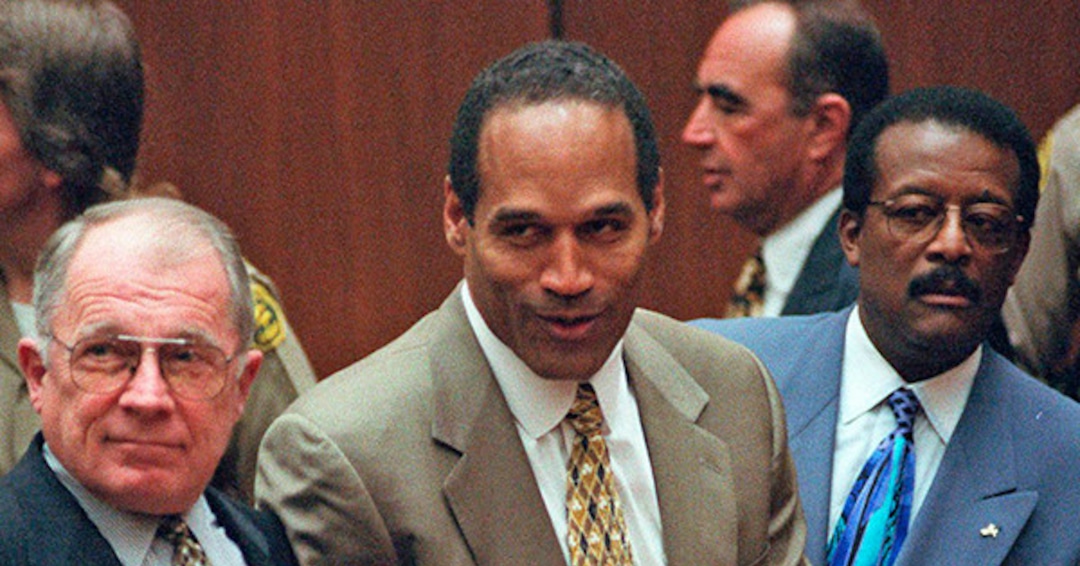
The glove that fit one hand in court but not the other — O.J. Simpson's trial
In June 1995, in a Los Angeles courtroom, O.J. Simpson struggled to pull on a pair of leather gloves. One appeared to fit. The…
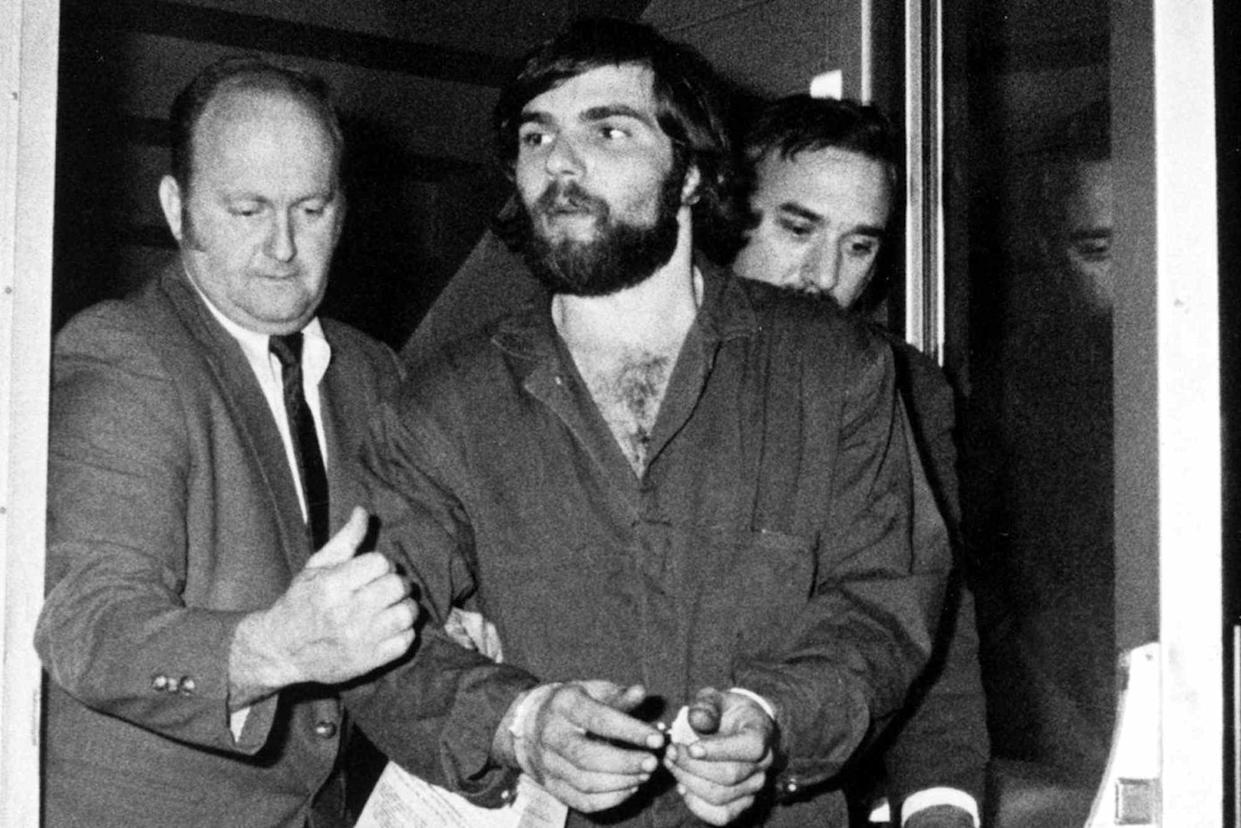
The confession Amityville killer recanted, then the haunting story that followed
Six bodies, each in a bed, in a house on Ocean Avenue. The morning was November 13, 1974, in Amityville, New York. The dead…