The shotgun shell that still outlives four Clutter murders
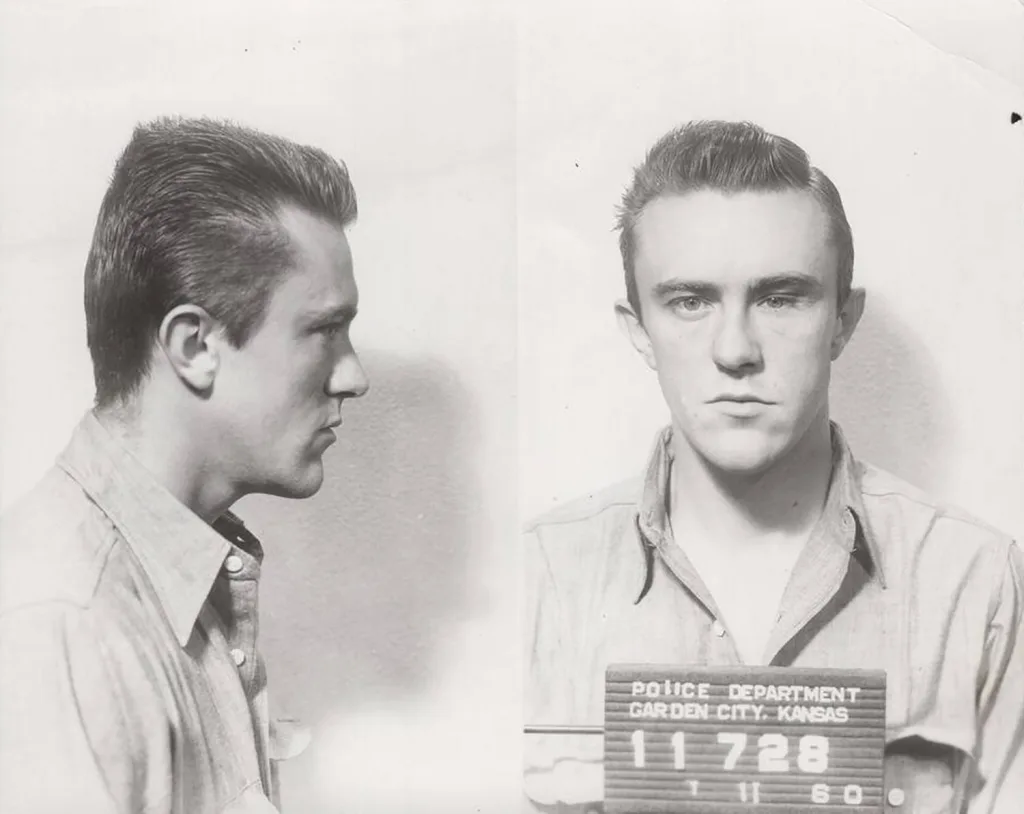
The shell sat on the floor of the Clutter farmhouse in Holcomb, Kansas.
It was the morning of November 16, 1959, when friends and neighbors found the bodies of Herbert, Bonnie, Nancy, and Kenyon Clutter.
They had been bound and shot at close range with a shotgun.
A single shotgun shell remained at the scene.
It was one of the few leads police had.
The case stayed unsolved for weeks.
The shell was physical evidence, and it was nearly all they had.
The exact number of shells fired is not in the record.
The precise location of the shell is not in the record either.
The record shows the shell was found, and that it mattered.
It outlasted the four people it was used against.
Herbert Clutter was a prominent farmer.
Bonnie was his wife.
Nancy and Kenyon were their teenage children.
They were four people in a small farming community, and they were gone in a single night.
The farmhouse stood quiet.
The shell lay where it was left.
No one knew yet what it meant, or who had fired it.
That would require evidence, and for weeks the evidence was thin.
The shell was a fact without a story.
It was a question without an answer.
It was an object waiting for a name to attach to it.
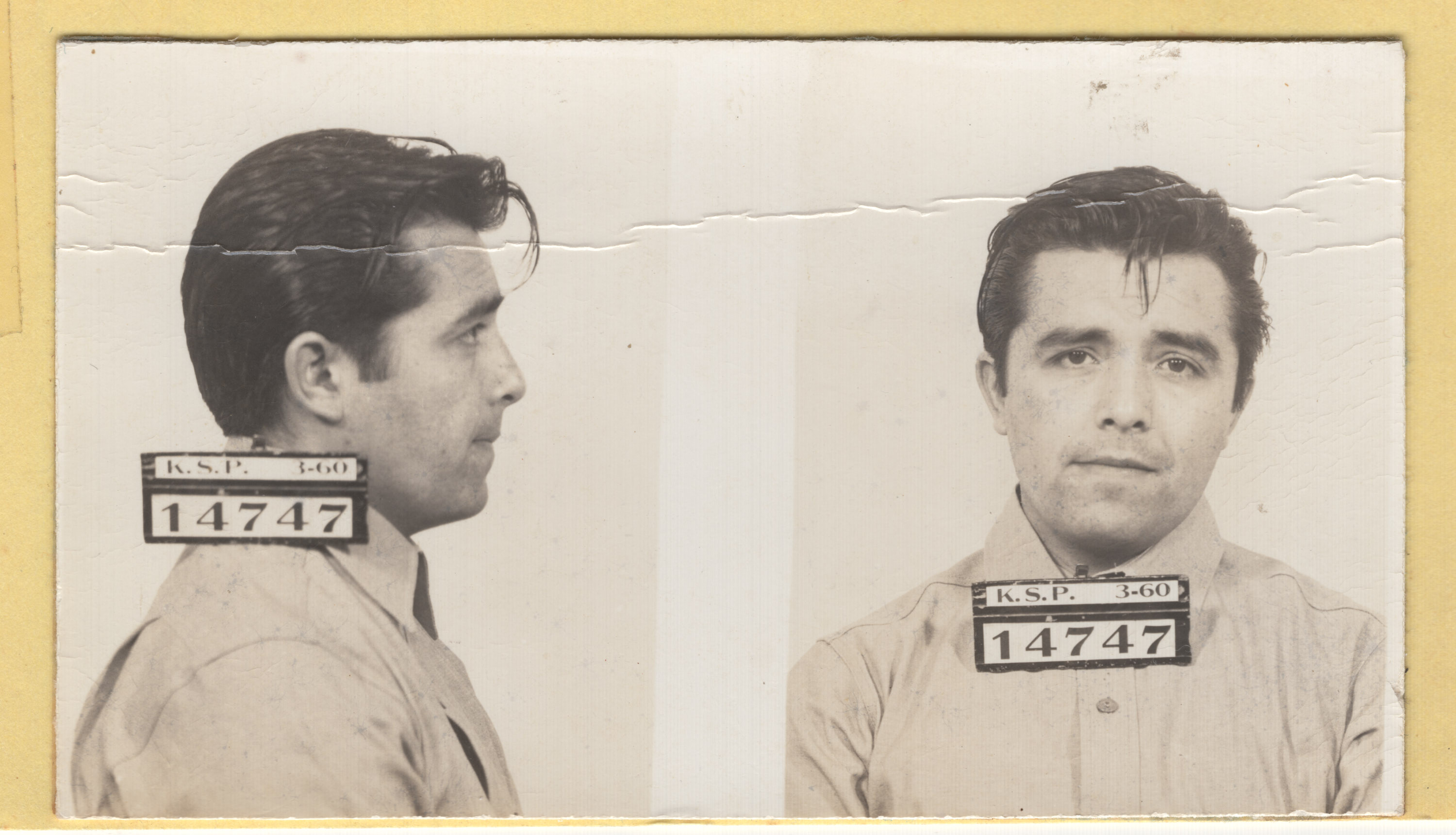
The name would not come for several weeks.
THE TIP FROM A CELLMATE
The name came from a prison cell.
A former cellmate of Richard Hickock had once worked for Herbert Clutter, and he told authorities that Hickock had spoken of robbing the Clutter home.
The exact wording of that statement is not in the record.
What is in the record is the result: the information pointed police to Hickock and Perry Smith.
Both men were arrested in Las Vegas, Nevada, on December 30, 1959.
Both men confessed to the murders.
The motive was robbery.
The killers found no safe in the home.
Investigators believed that discovery contributed to the violence.
Not because the shell on the floor named anyone.
But because a prisoner decided to talk.
The shell had waited for weeks.
The name did not come from the evidence.
It came from a man serving time, repeating what he said he had heard.
That would be the break.
That would be the chill.
THE RADIO AND THE CONFESSION
The radio was found where the killers had left it, and it traced back to the Clutter home.
The shell was on the floor, and it matched the gauge of the shotgun.
That was the physical case.
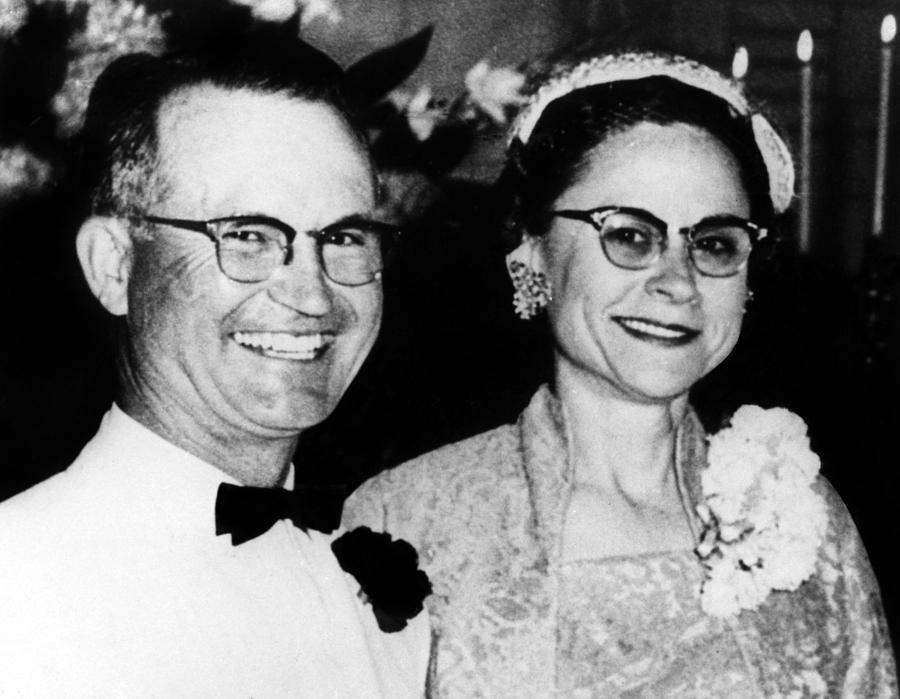
Both men confessed to the murders.
They confessed in Las Vegas, after the arrest, and the confessions lined up with the shell and the radio.
The case was tried jointly in Finney County, Kansas.
The trial judge presided, and the county attorney prosecuted.
Both defendants were convicted of four counts of first-degree murder.
The jury recommended the death penalty.
The judge sentenced both men to death.
It is a grim sense of closure.
The evidence held, the confessions held, and the verdict held.
Not because the trial was flawless.
But because the record shows the shell, the radio, and the words each man spoke.
The exact trial testimony of the lead detective is not in the record.
That detail is gone.
What remains is the conviction, four counts for each man.
What remains is the sentence.
What remains is the wait.
The appeals would come, and the appeals would fail.
But that came later.
On the day the judge spoke, the case was closed in court, if not in time.
TWO STORIES, ONE VERDICT
The prosecution argued that Hickock and Smith planned the robbery and killed all four family members.
The defense did not dispute the killings.
:max_bytes(150000):strip_icc():focal(999x0:1001x2)/in-cold-blood-2-1-07b374b9528645cc94c1bea2652ff55f.jpg)
The defense focused on the lack of a safe, suggesting the violence was not premeditated.
Was the plan always murder?
Was the plan robbery that curdled into murder?
Was the plan something else entirely?
That would require evidence.
The exact defense strategy is not in the record.
Any claims of diminished responsibility are not in the record.
The record shows a plan for robbery.
The record shows no safe.
The record shows four bodies.
The jury heard the prosecution's story of planning.
The jury heard the defense's story of a robbery gone wrong.
The jury returned four counts of first-degree murder for each man.
The judge sentenced both men to death.
The appeals came, and the appeals failed.
On April 14, 1965, Richard Hickock and Perry Smith were executed by hanging at the Kansas State Penitentiary in Lansing.
No one else was ever charged in connection with the crime.
The verdict closed the case in law.
The question of why the violence escalated remains open.
It is a closed case.
It is also an open one.
AND THE STORY STILL ISN'T OVER

Both Richard Hickock and Perry Smith were executed by hanging on April 14, 1965, at the Kansas State Penitentiary in Lansing.
Their appeals were unsuccessful.
No one else was ever charged in connection with the crime.
The Clutter family has no direct descendants.
All four victims died in the murders, and the name ends with them.
The farmhouse was demolished in 1960.
The ground where it stood is not marked by the house.
What remains is the record.
The case remains one of the most famous in American criminal history, largely because of Truman Capote's *In Cold Blood*, published in 1966.
It became a bestseller.
It was adapted into a film in 1967.
The town of Holcomb continues to be associated with the murders.
Documentaries and retrospectives keep returning to the same night.
The shotgun shell found at the scene outlives the four people it was used to kill.
It is an object.
It is also a verdict.
Are there ongoing legal motions?
Are there parole hearings?
That would require evidence.
The record lists none.
The question of why the violence escalated remains open.
It is a closed case.
It is also an open one.
The shell remains.
Advertisement
You may also like
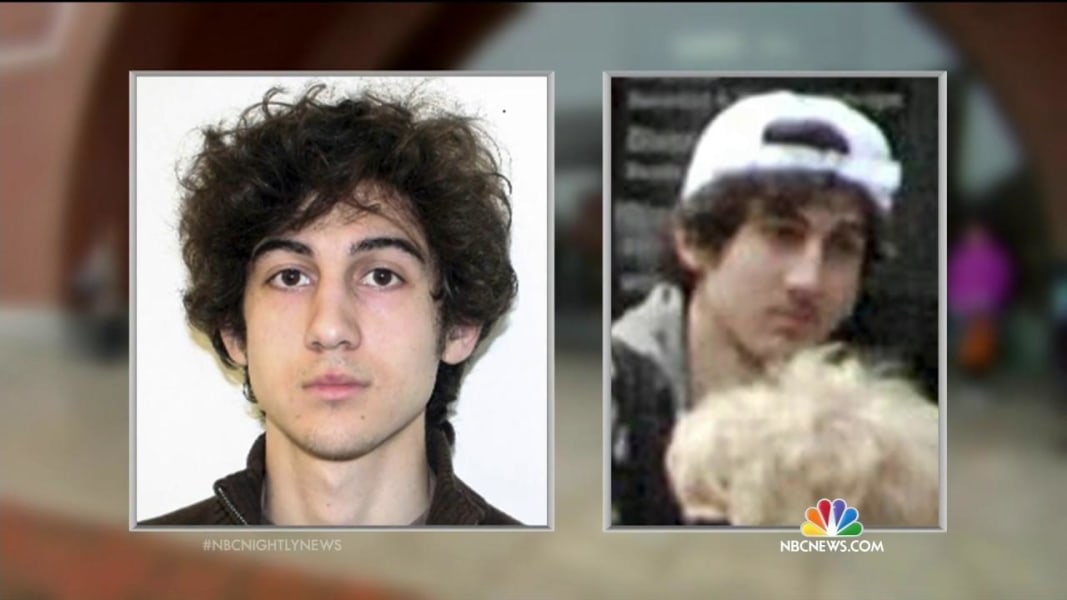
The note scrawled in a Watertown boat that still haunts the Tsarnaev case
He was found in a boat in a Watertown backyard. Dzhokhar Tsarnaev had been hiding there, and when the FBI closed in, he scrawled…
The 1981 mall toy aisle detail that derailed the Adam Walsh case for years
July 27, 1981, in the toy department of the Hollywood Mall in Hollywood, Florida. A six-year-old boy named Adam Walsh was separated from his…
The love letters and calling cards left beside two bodies in Lovers' Lane
The crabapple tree stood in a secluded lane called Lovers' Lane, near the New Jersey border with Pennsylvania. On the night of September 14,…
The $5,800 in D.B. Cooper ransom cash a boy found on a riverbank
The boy was eight years old, playing on a sandbar along the Columbia River in Washington in 1980. He pulled three bundles of cash…
The handwritten confession scrawled on a boat's interior that sealed Dzhokhar Tsarnaev's fate
The boat sat in a Watertown backyard, tarp pulled over it, ordinary as any lawn ornament. On April 19, 2013, Dzhokhar Tsarnaev was found…
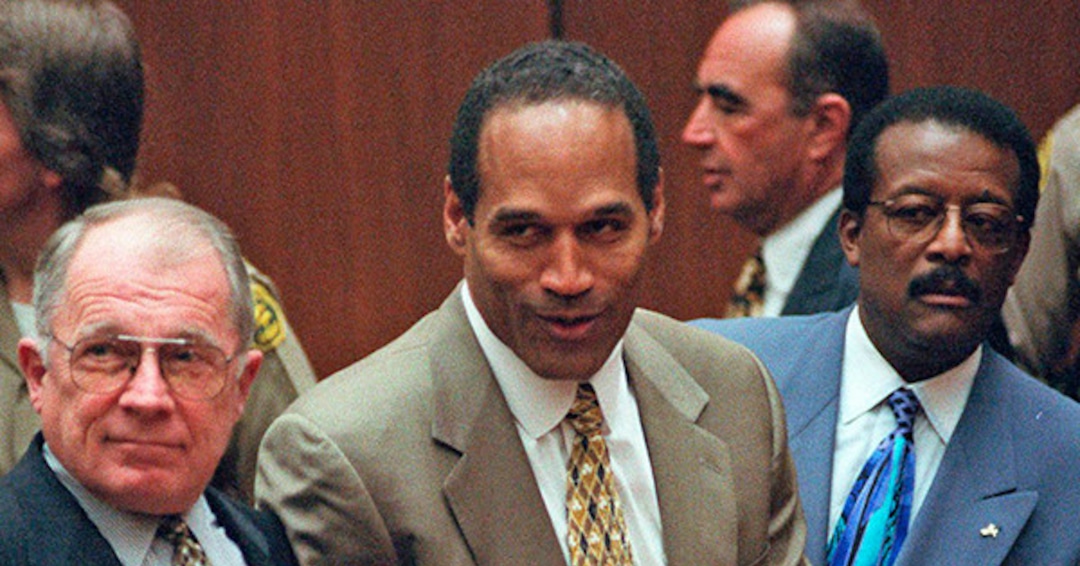
The glove that fit one hand in court but not the other — O.J. Simpson's trial
In June 1995, in a Los Angeles courtroom, O.J. Simpson struggled to pull on a pair of leather gloves. One appeared to fit. The…