The traffic stop that caught Timothy McVeigh — before the FBI knew his name
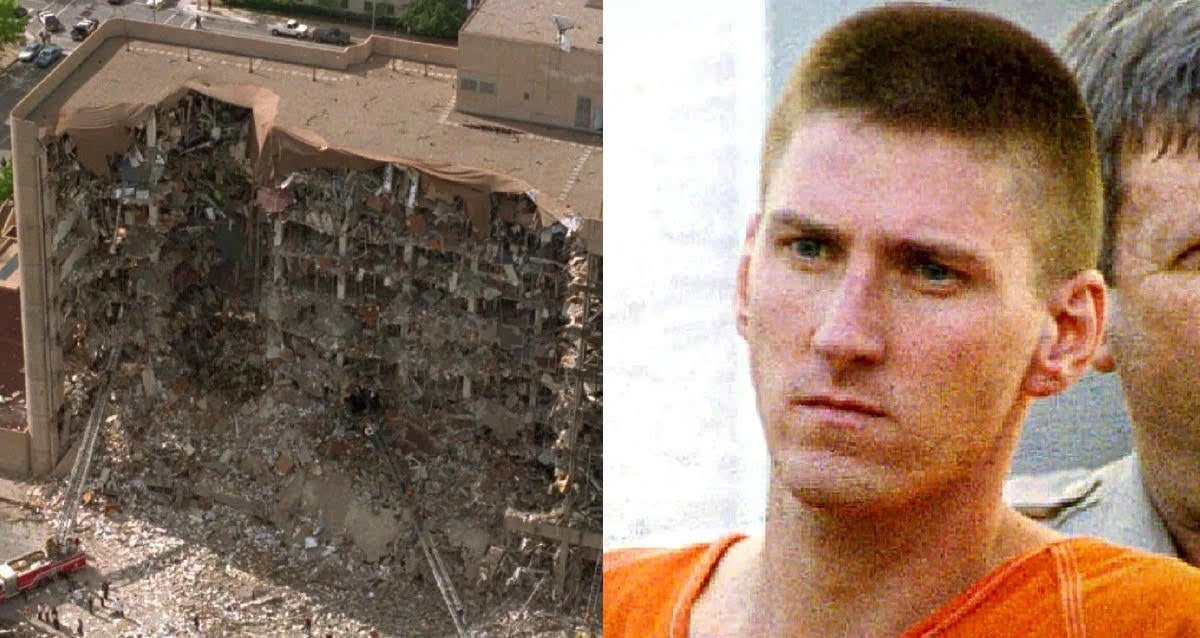
The trooper saw the Mercury Marquis first.
A 1977 model, no license plate, rolling down an Oklahoma highway.
Within 90 minutes of the blast at the Alfred P. Murrah Federal Building, the Oklahoma Highway Patrol officer pulled the car over.
The driver was Timothy McVeigh, 27, a Gulf War veteran.
He was arrested for the traffic violation and for carrying a concealed weapon.
That was it.
A routine stop, a routine arrest, a man held on minor charges.
At that moment, the FBI was looking for foreign terrorists.
McVeigh's name was not on their radar.
The trooper did not know he had stopped the man accused of killing 168 people.
The trooper's name is not in the record.
The exact time of the stop is not specified.
What is documented is the stop itself, the arrest, and the charges.
It was a traffic stop before it was anything else.
It would later be called pivotal, the moment the case broke open before the FBI knew it had broken.
But at the time, it was just a man without a plate and a gun.
He was held on those charges while the investigation unfolded elsewhere.
The axle would come later.
The composite sketch would come later.
The name would come later.
For now, there was only the Mercury Marquis, the missing plate, and a trooper doing his job.
THE BLAST AND THE FIRST 90 MINUTES
April 19, 1995, 9:02 a.m.
A rented Ryder truck packed with ammonium nitrate and fuel oil exploded outside the Alfred P. Murrah Federal Building in Oklahoma City.
The blast destroyed the north face of the nine-story building.
It killed 168 people, including 19 children in the day care center.
It injured more than 680 others.
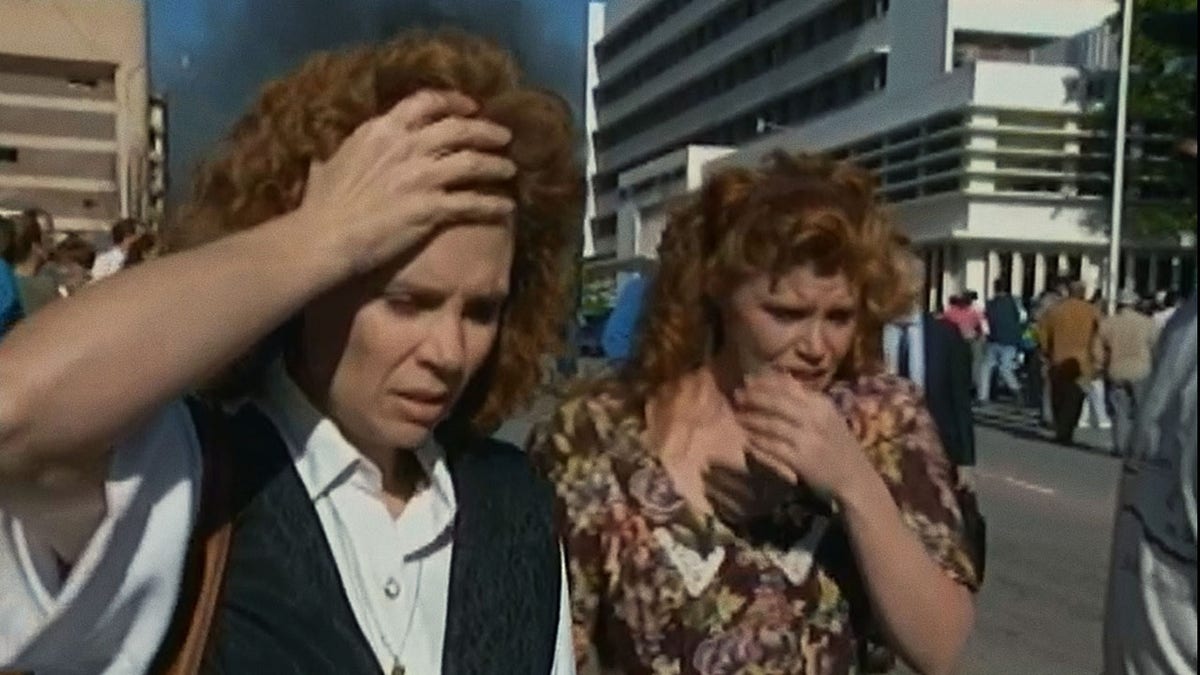
First responders and nearby survivors discovered the explosion almost immediately.
The FBI arrived within hours.
The exact sequence between the blast and the stop is not detailed in the record.
What is documented is this: within 90 minutes, an Oklahoma Highway Patrol trooper stopped a 1977 Mercury Marquis driving without a license plate.
The driver was Timothy McVeigh, 27, a Gulf War veteran.
He was arrested for the traffic violation and for carrying a concealed weapon.
He was held on those charges while the investigation unfolded.
The investigation was looking elsewhere.
The FBI focused on the possibility of foreign terrorists.
It would take several days to fully pivot to McVeigh.
The trooper had him in custody before the FBI knew his name.
The scale of the first hours pressed on everyone.
The blast site was chaos.
The dead were counted in the rubble.
The injured filled the hospitals.
And somewhere in a county jail, a man sat on a traffic charge.
Not because anyone knew what he had done.
But because a trooper noticed a missing plate.
That would require evidence to connect — and the evidence would come later.
The axle would come later.
The composite sketch would come later.
The name would come later.
THE WRONG TRAIL AND THE AXLE
The FBI was looking the wrong way.
Foreign terrorists, they believed.
That was the working theory in the first days, and it sent agents chasing shadows across the country.
It took several days to fully pivot to McVeigh.
The turning point was not a confession.
It was not a tip from a witness with a grudge.
It was an axle.
The truck had been obliterated by the blast, but the axle survived.
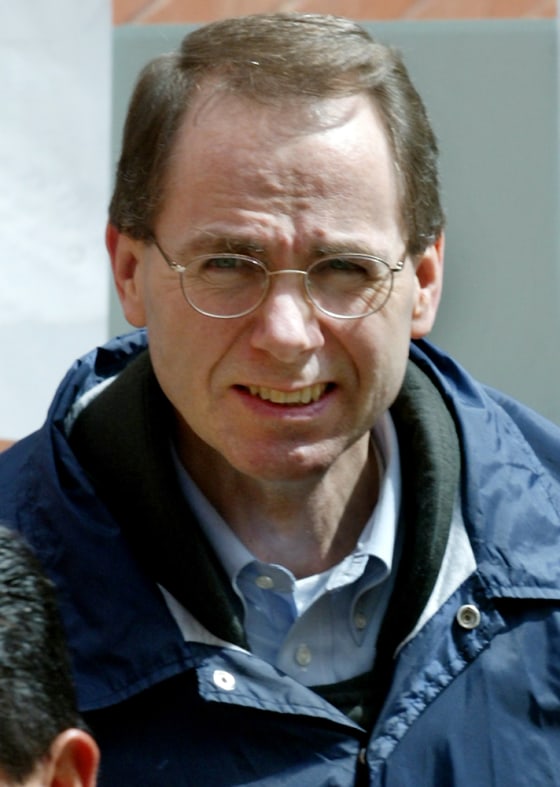
Investigators traced it to a Ryder rental agency in Junction City, Kansas.
The rental clerk identified McVeigh.
The clerk's description led to a composite sketch.
The axle's vehicle identification number was the key forensic link — a number that did not lie.
It connected the wreckage to the rental counter, and the rental counter to a name.
Bomb residue was found on McVeigh's clothing.
Bomb residue was found in the Ryder truck.
The case cracked open.
The rental clerk's name is not in the record.
The exact date of the axle trace is not specified.
What is documented is this: the axle broke the wrong trail.
The FBI had held McVeigh in custody for days without knowing who they had.
He was in jail on a traffic charge while the agency chased foreign ghosts.
The axle changed that.
It is a frustration and a relief in the same breath.
They had him.
They just did not know it yet.
THE MISSED SEARCH AND THE RECEIPT
The trooper searched McVeigh's pockets at the arrest.
He found a business card.
The card linked McVeigh to a gun show.
That was the extent of the search that day.
The car was not searched thoroughly at the time of the traffic stop.
A later search found earplugs and other evidence.
The exact nature of that other evidence is not specified in the record.
It is a documented mistake.
It is also a documented what-if.
What if the car had been searched at the roadside?
What if the earplugs had been found on April 19?
What if the investigation had known McVeigh's name before the axle trace?
That would require evidence.
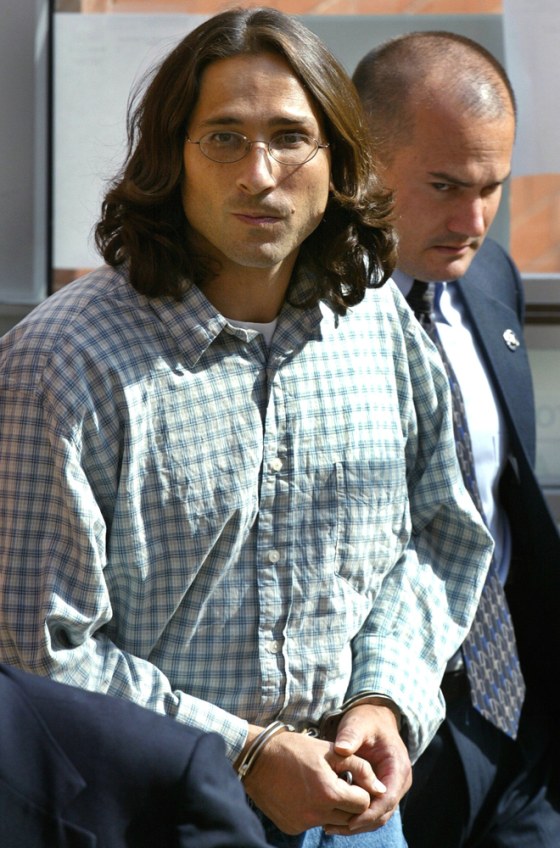
The FBI also initially overlooked a receipt for ammonium nitrate found in Terry Nichols's home.
The receipt was later recovered.
The delay was criticized.
The axle trace and the traffic stop ultimately broke the case, according to the investigation's own record.
A witness at a motel in Junction City identified McVeigh.
The witness's identity is not in the record.
The motel was in Junction City, Kansas.
The rental agency was in Junction City, Kansas.
The clerk there identified McVeigh from the Ryder rental records.
The composite sketch followed.
The arrest on the traffic stop became central.
They had him before the FBI knew his name.
They just did not search his car.
The earplugs would have been evidence.
The receipt would have been evidence.
The business card was already in hand.
It was a frustration and a relief in the same breath.
It remains a documented mistake with an open question.
AND THE STORY STILL ISN'T OVER

The trial moved to Denver because Judge Matsch granted a change of venue.
The court believed the jury pool in Oklahoma City could not be impartial.
McVeigh was convicted on June 2, 1997, of 11 counts of conspiracy and first-degree murder.
He was sentenced to death.
He was executed by lethal injection on June 11, 2001, at the federal penitentiary in Terre Haute, Indiana.
Terry Nichols was tried separately.
He was convicted of conspiracy and involuntary manslaughter and sentenced to life without parole.
Michael Fortier pleaded guilty to failing to warn authorities and lying to investigators.
He was sentenced to 12 years and testified against both McVeigh and Nichols.
The defense argued McVeigh was a scapegoat.
The axle trace and the eyewitness testimony stood against that argument.
The Alfred P. Murrah Federal Building was demolished in 1995.
The Oklahoma City National Memorial now stands on the site.
There are 168 chairs, one for each person killed.
The case remains one of the most thoroughly documented domestic terrorist attacks in U.S. history.
What happens to the record now?
What remains of the appeals, the motions, the legal aftermath?
The current status of any ongoing appeals or legal actions is not in the record.
The story has an ending, but the paper trail does not close cleanly.
It is a documented case.
It is also a documented series of mistakes.
The trooper stopped a car without a license plate.
The FBI was looking elsewhere.
The axle was the turning point.
The arrest came before the name was known.
The building is gone.
The chairs remain.
Advertisement
You may also like
The 14-foot boat Scott Peterson bought but never told police about
A 14-foot aluminum fishing boat. Scott Peterson bought it shortly before Laci disappeared. He never told police about it. Investigators found the purchase anyway,…
A broken attitude indicator and a 21-year-old pilot: the night Buddy Holly's plane went down
It was a 1947 Beechcraft Bonanza 35, registration N3794N, owned by Dwyer Flying Service. On February 3, 1959, it crashed in a cornfield near…
The 35,000-word manifesto that made a bomber's brother pick up the phone
The package arrived in 1995. A manuscript, 35,000 words, sent to The New York Times and The Washington Post. The author demanded it be…
The white Cadillac that pulled alongside Tupac's BMW — and the man who says he was inside
A white Cadillac sedan pulled alongside a black BMW on the Las Vegas Strip, and gunfire erupted. In the BMW was rapper Tupac Shakur,…
The security footage that changed everything in the Watts case
The camera was there, on the house in Frederick, Colorado. On August 13, 2018, Shanann Watts, 34, failed to show up for a doctor's…
The newspaper clipping found beside Elizabeth Short's body that detectives could never link to a suspect
A newspaper clipping lay beside Elizabeth Short's body in the vacant lot on Norton Avenue. Investigators noted it, bagged it, and ran it down.…